





The Top 10 Exhibitions to See Around the World This Autumn
Save to My OculaOur editors select the shows not to miss this month, from Bangkok video biennial Ghost 2568 to the first presentation of Māori artist Robyn Kahukiwa since her death earlier this year.
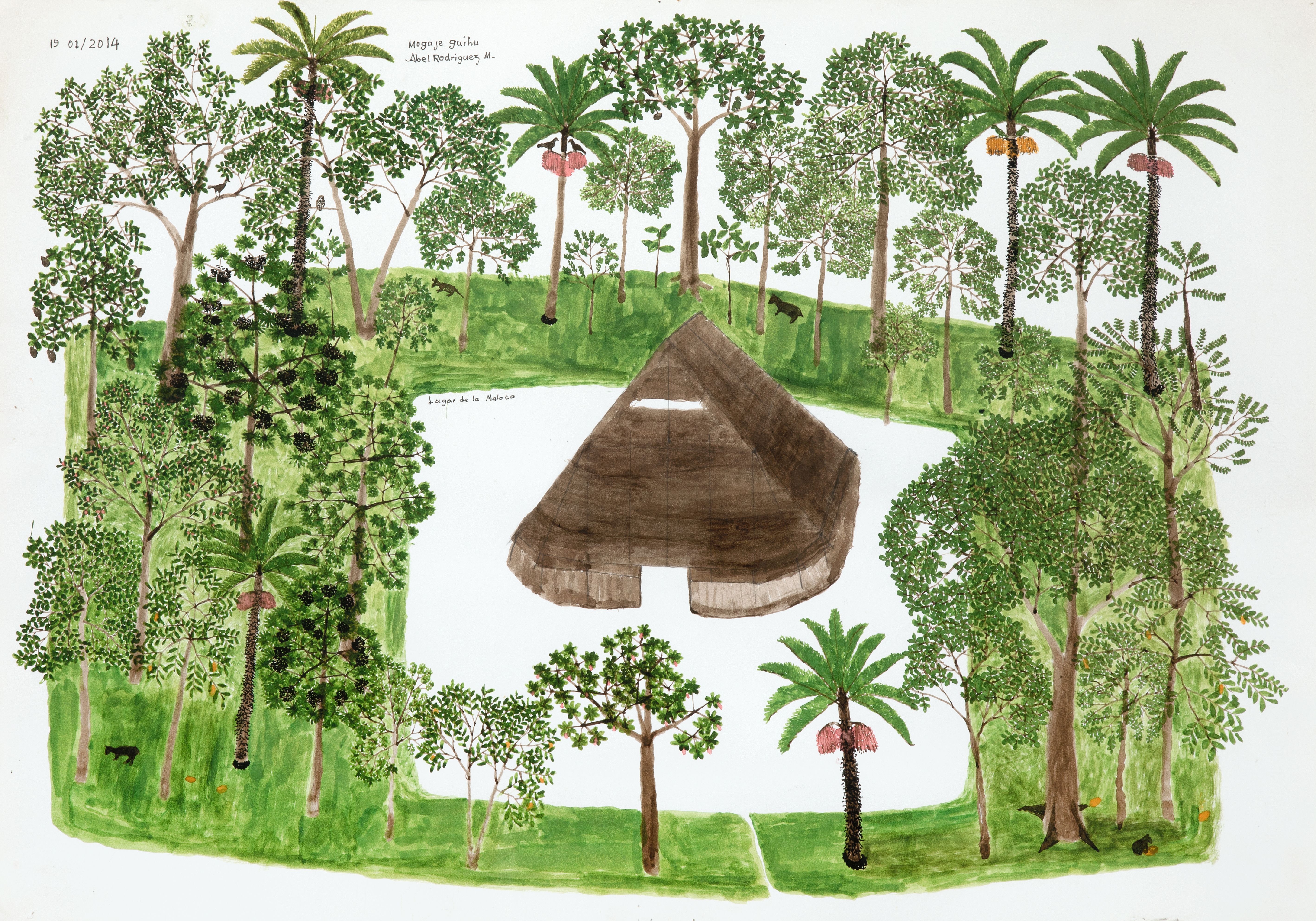
Abel Rodríguez (Mogaje Guihu), The Tree of Life and Abundance (10 October 2025–4 May 2026) at São Paulo Museum of Art
Whether you loved or loathed the last Venice Biennale, few could deny the quiet spell cast by Abel Rodríguez and his son Aycoobo (Wilson Rodríguez), whose painterly depictions of the Colombian Amazon, dense with botanical detail, stopped visitors at an unexpected point in the Giardini’s Central Pavilion. Now, Rodríguez’s first posthumous survey—bringing together 65 drawings made between 2006 and 2025—runs parallel to the group exhibition Histories of Ecology (4 September 2025–1 February 2026), which also features works by Aycoobo. Although Rodríguez (born Mogaje Guihu) has become an unlikely star of the biennial circuit over the past decade, he himself regarded art lightly, seeing in painting a means of sustaining Indigenous wisdom. Standing before Rodríguez’s paintings, created far beyond the constructs of Western taxonomy, one can’t help but sense an entirely different relationship between image, knowledge, and narration. In this world, words such as chagra (cultivated plot) and maloca (communal house) name not resources but living cycles—reminding us that understanding begins with the patience to translate another way of seeing. – Zian Chen
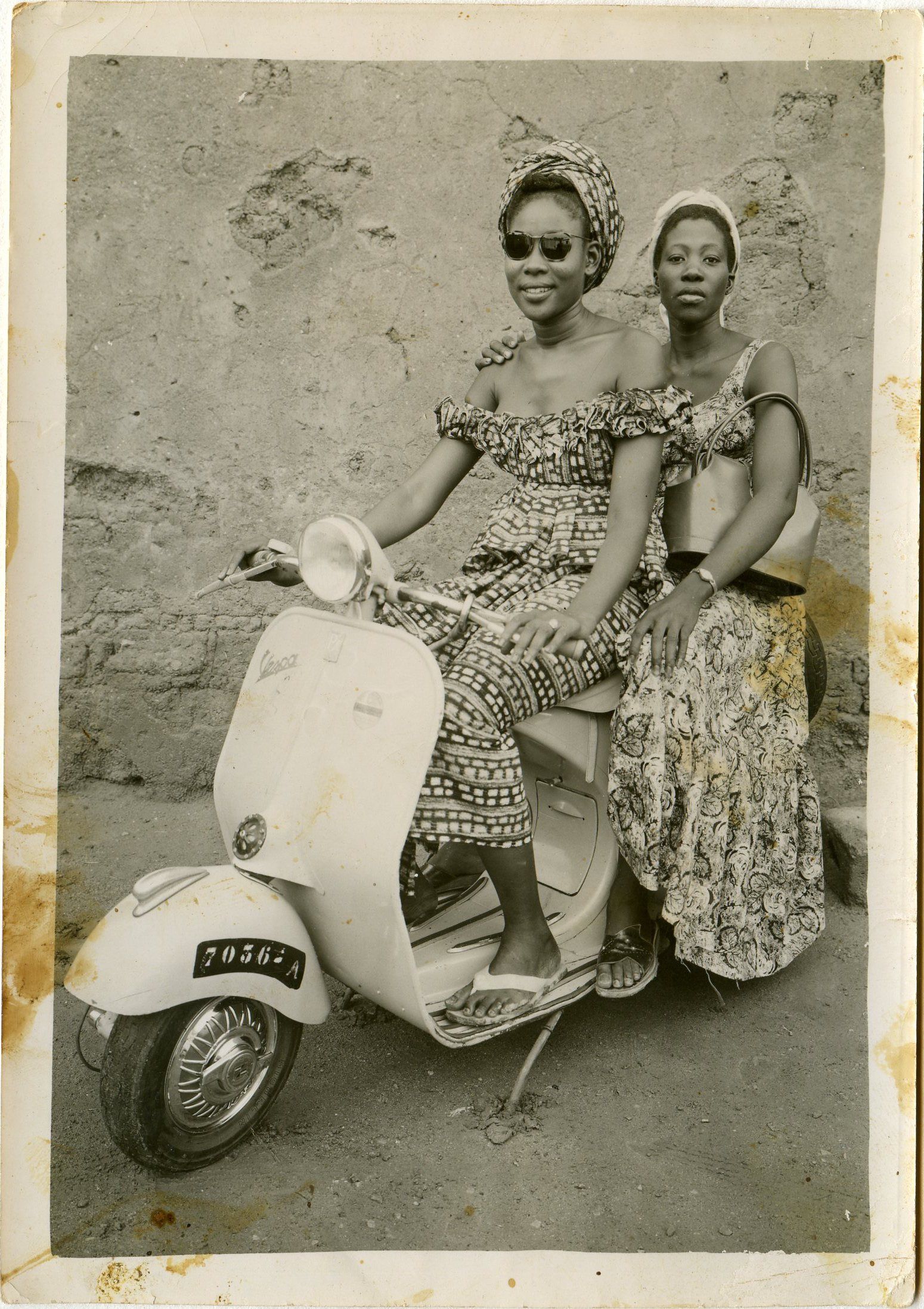
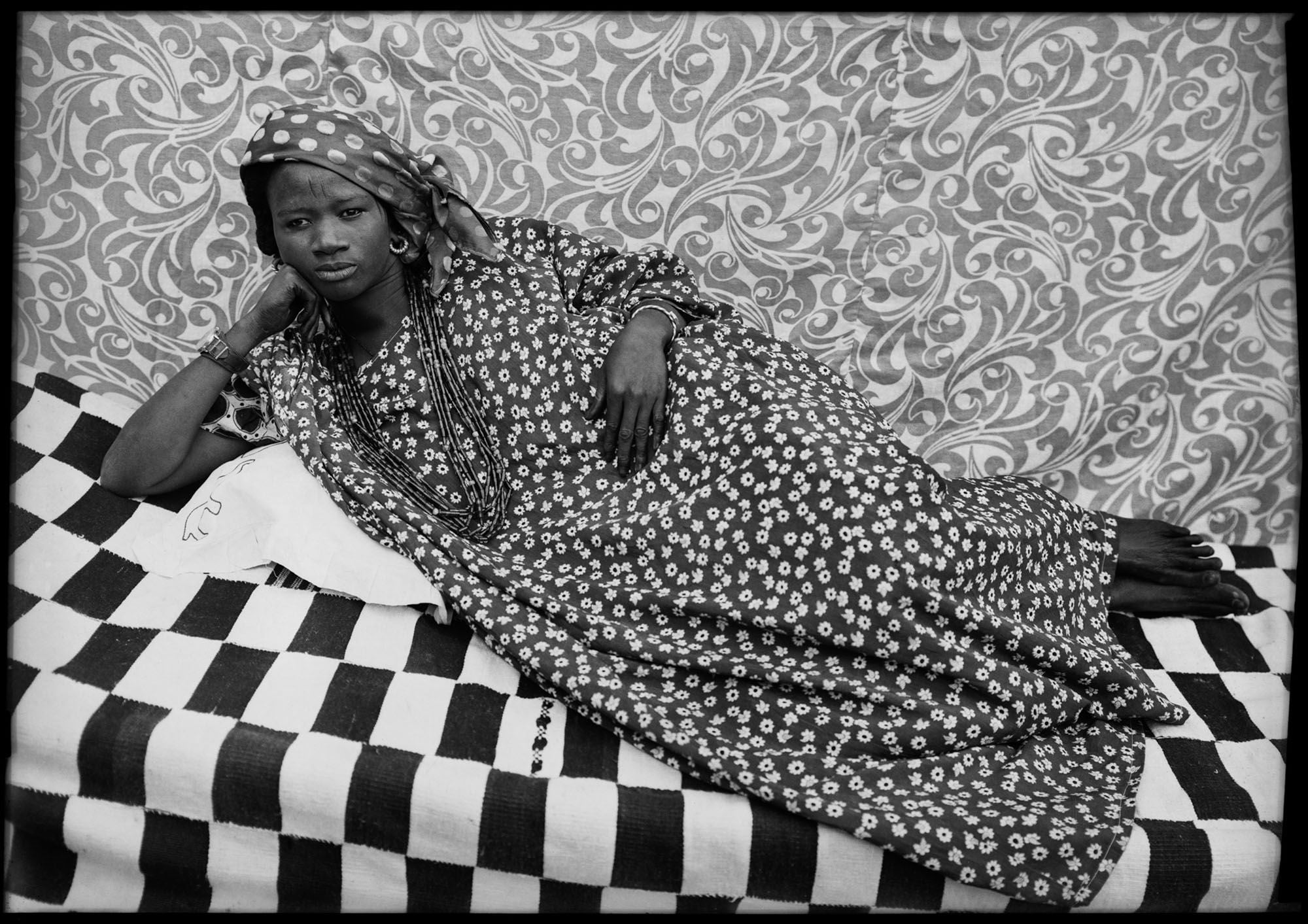
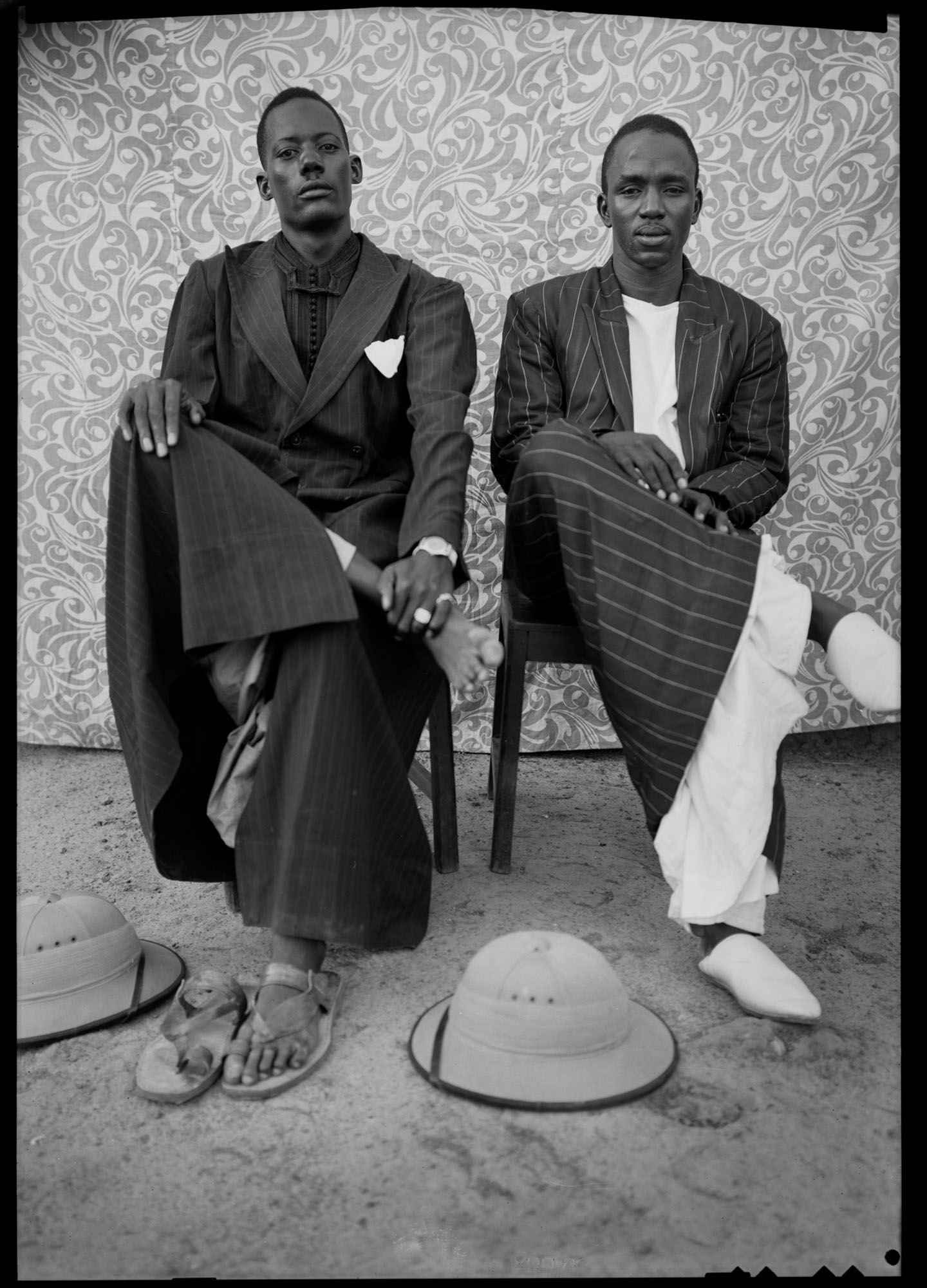
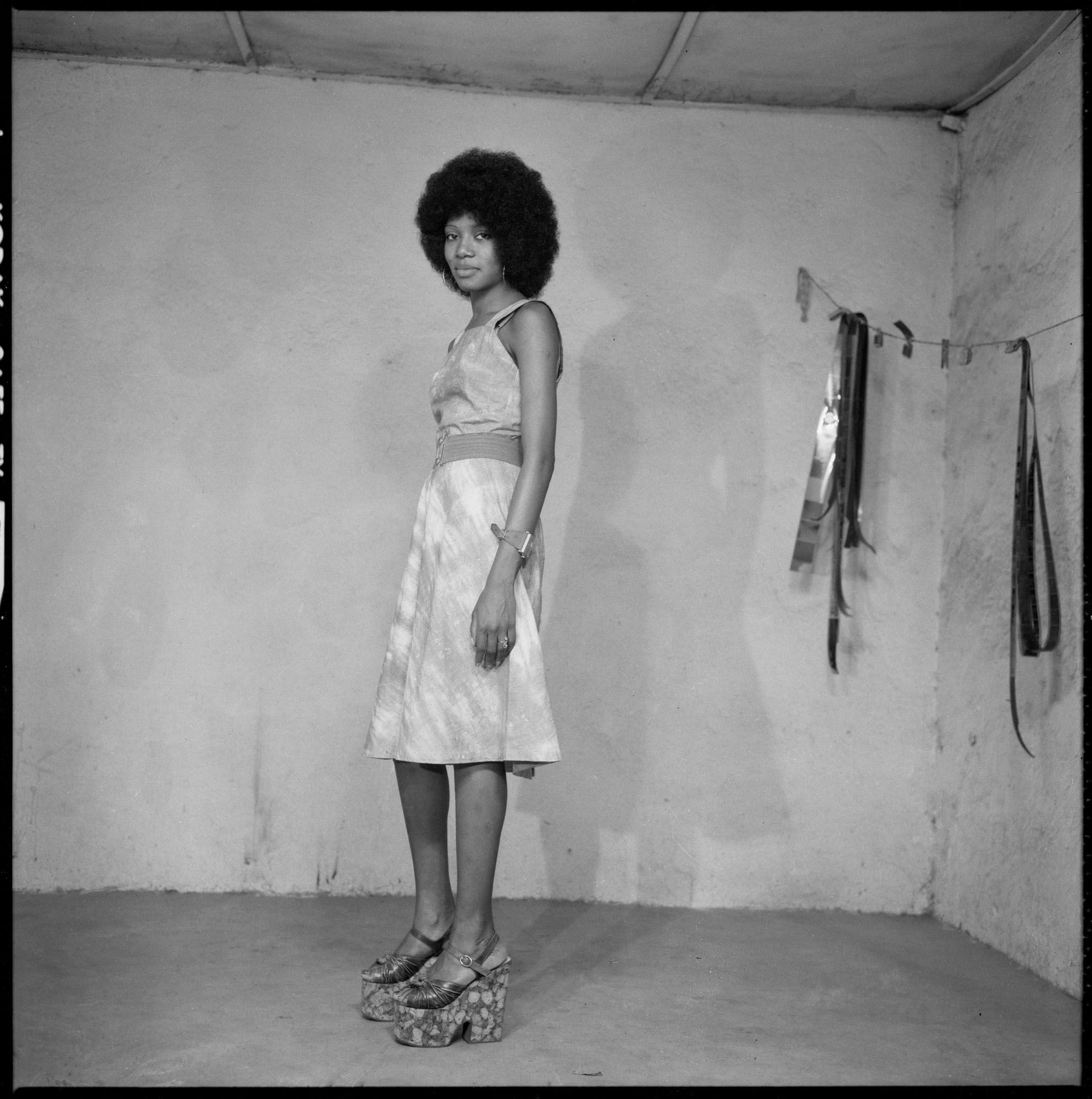
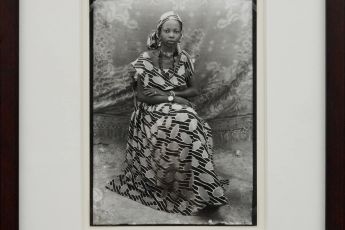
Seydou Keïta, A Tactile Lens (10 October 2025–8 March 2026) at Brooklyn Museum, New York
‘Sheer luck’—that’s the term the late Malian photographer Seydou Keïta used to describe the striking consonance of bold prints that continue to make his black-and-white portraiture instantly identifiable. When he opened his photography studio in Bamako in 1948, Keïta’s first patterned background was resourcefully devised from his own bed cover, and he would continue to pose his chicly attired Bamakoan clientele against boldly printed backdrops for the duration of his nearly 30-year career. Often decked out in traditional boubou robes and sharp European suits (Keïta kept three lendable options on hand to ensure his customers looked as picture-worthy as possible), Keïta’s fashion plates are a testament to style’s ability to both define and transcend time and place. This October the Brooklyn Museum opens the photographer’s most expansive North American exhibition to date, featuring more than 280 works, including Keïta’s original contact prints and personal artefacts. – Aimee Walleston
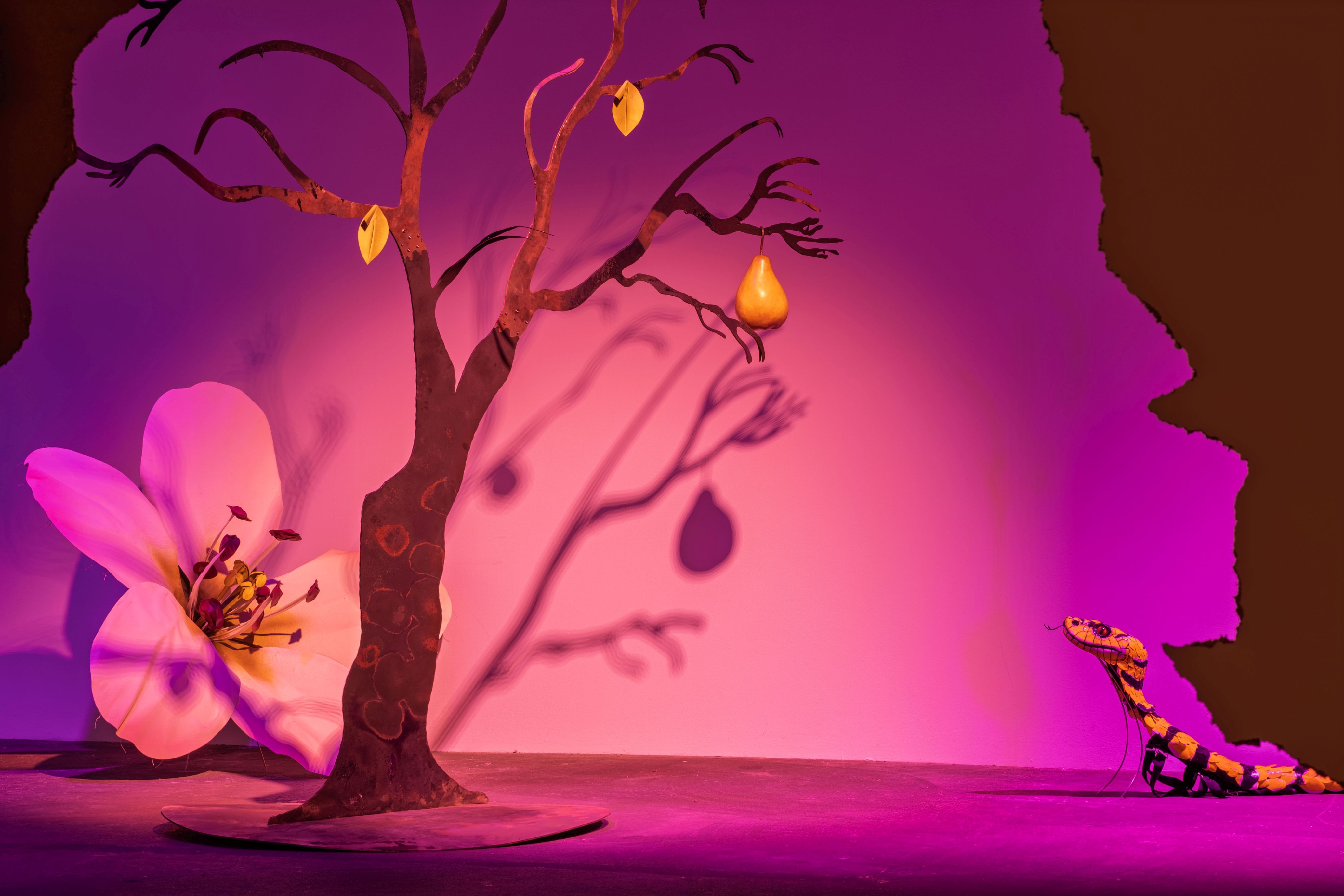
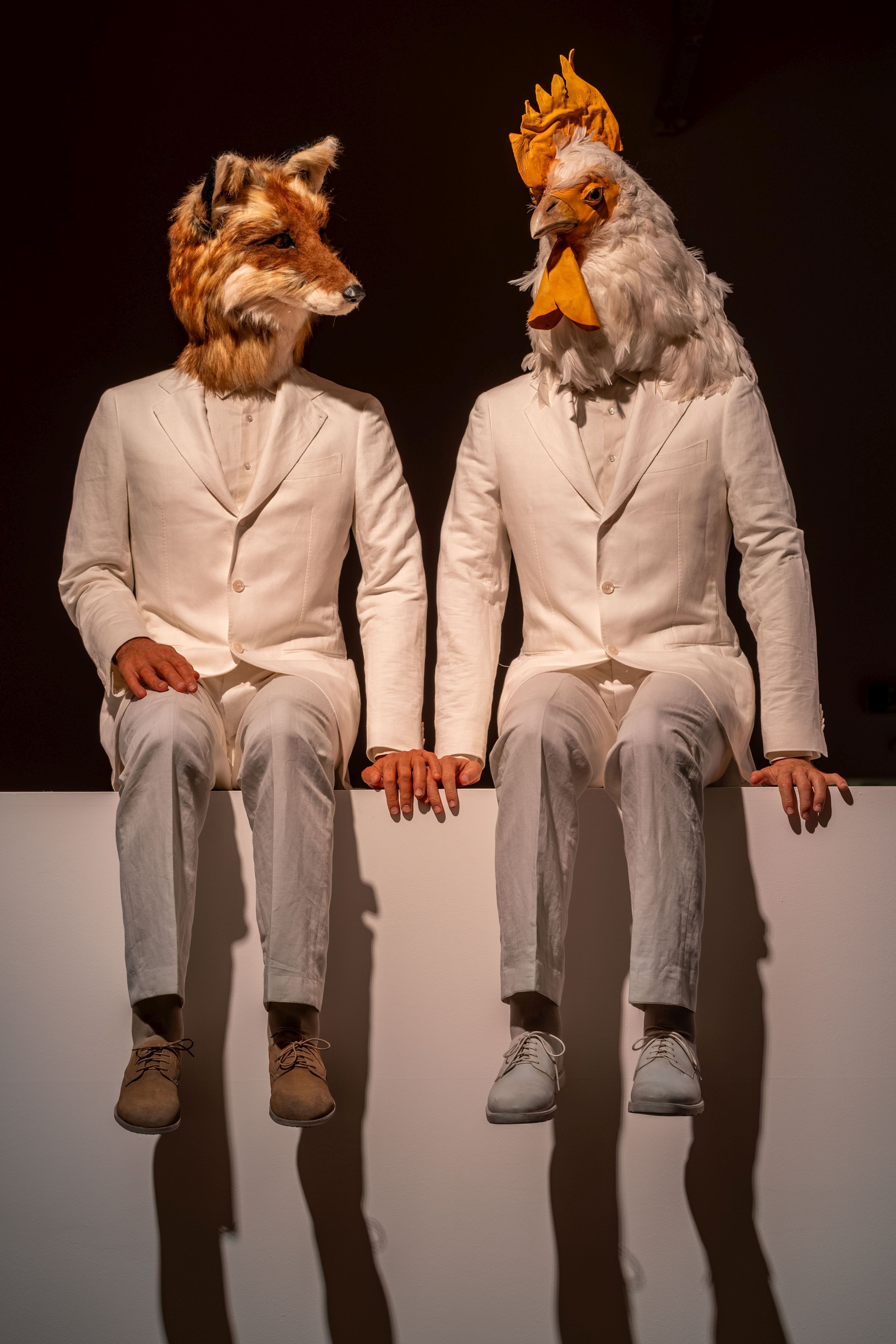
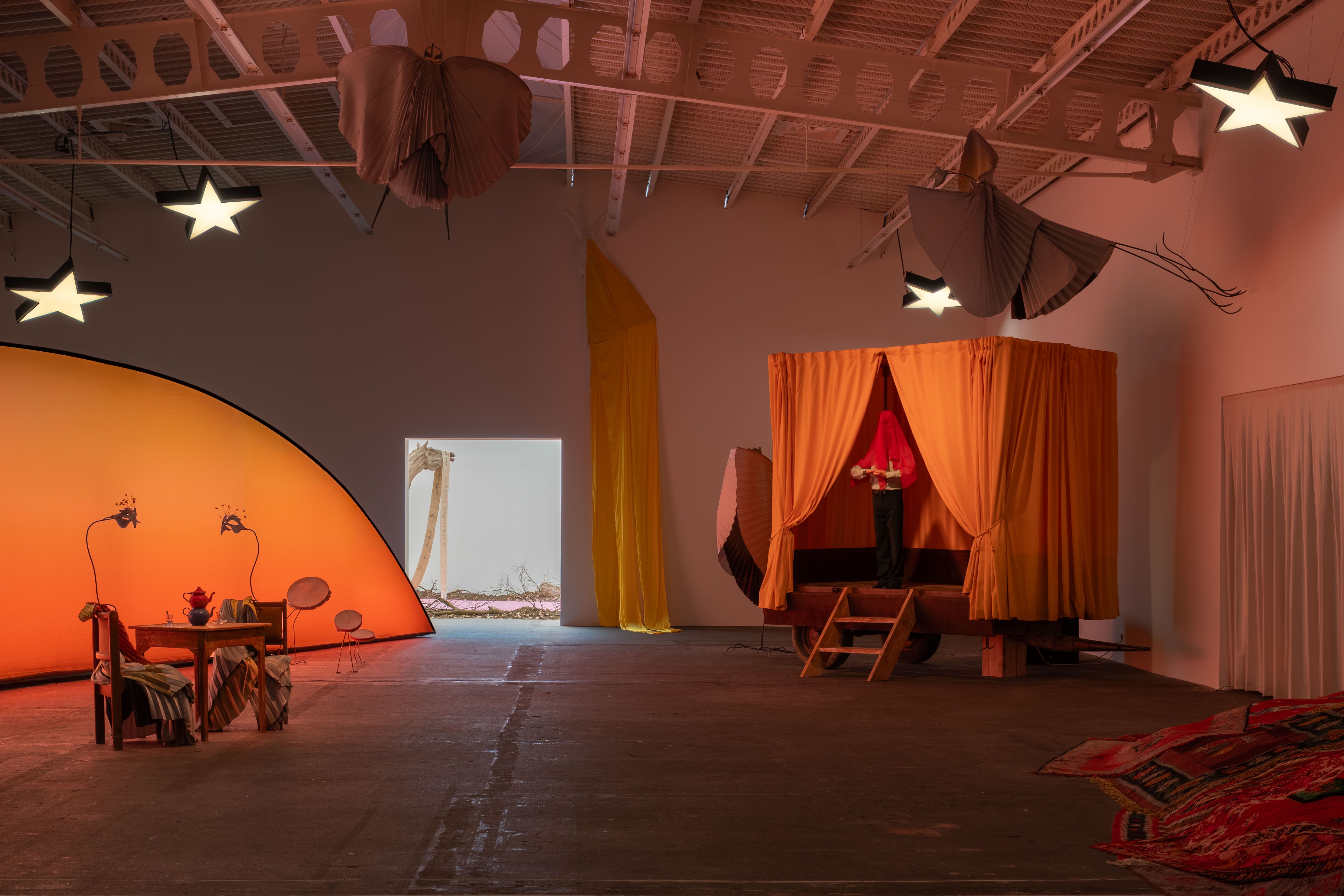
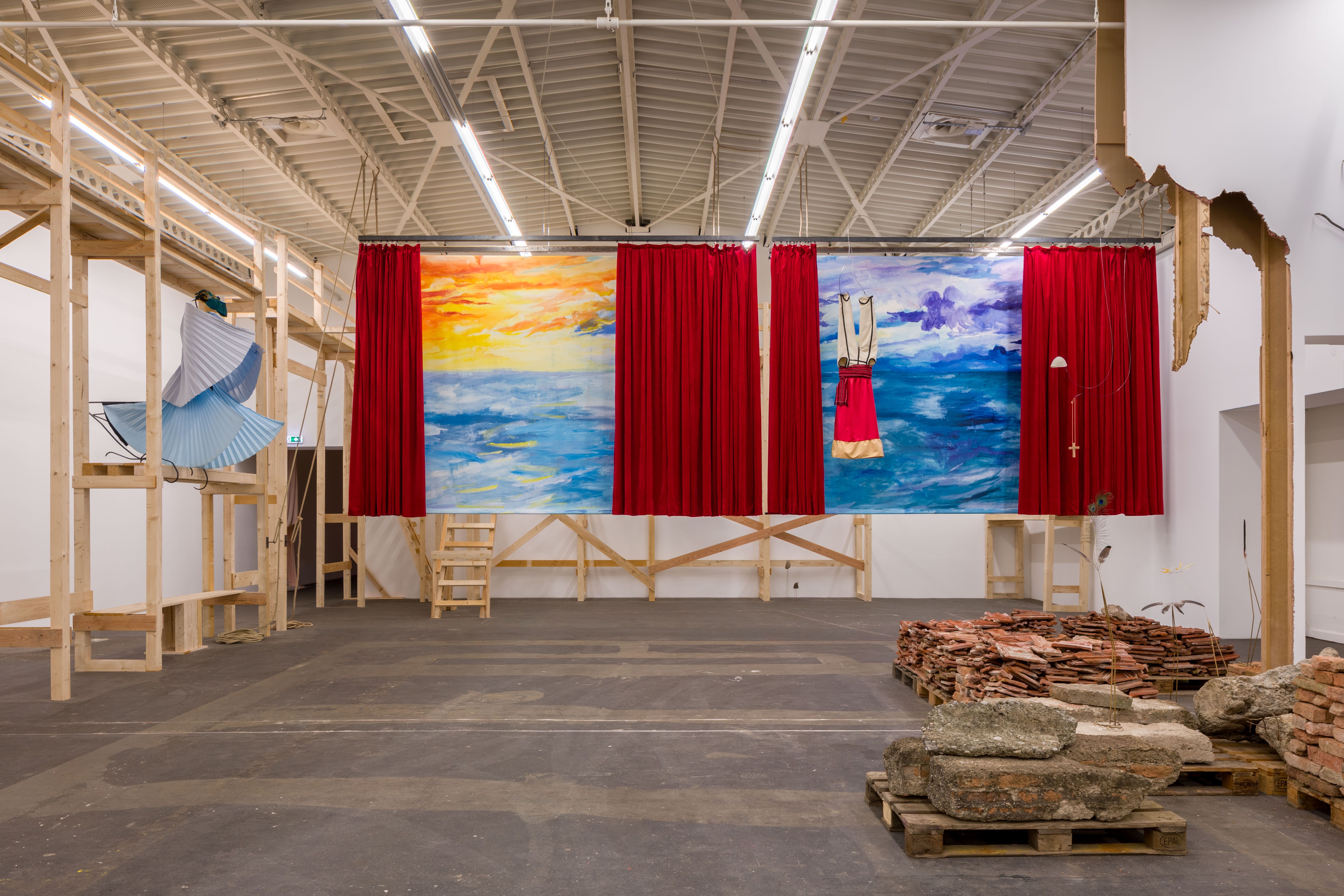
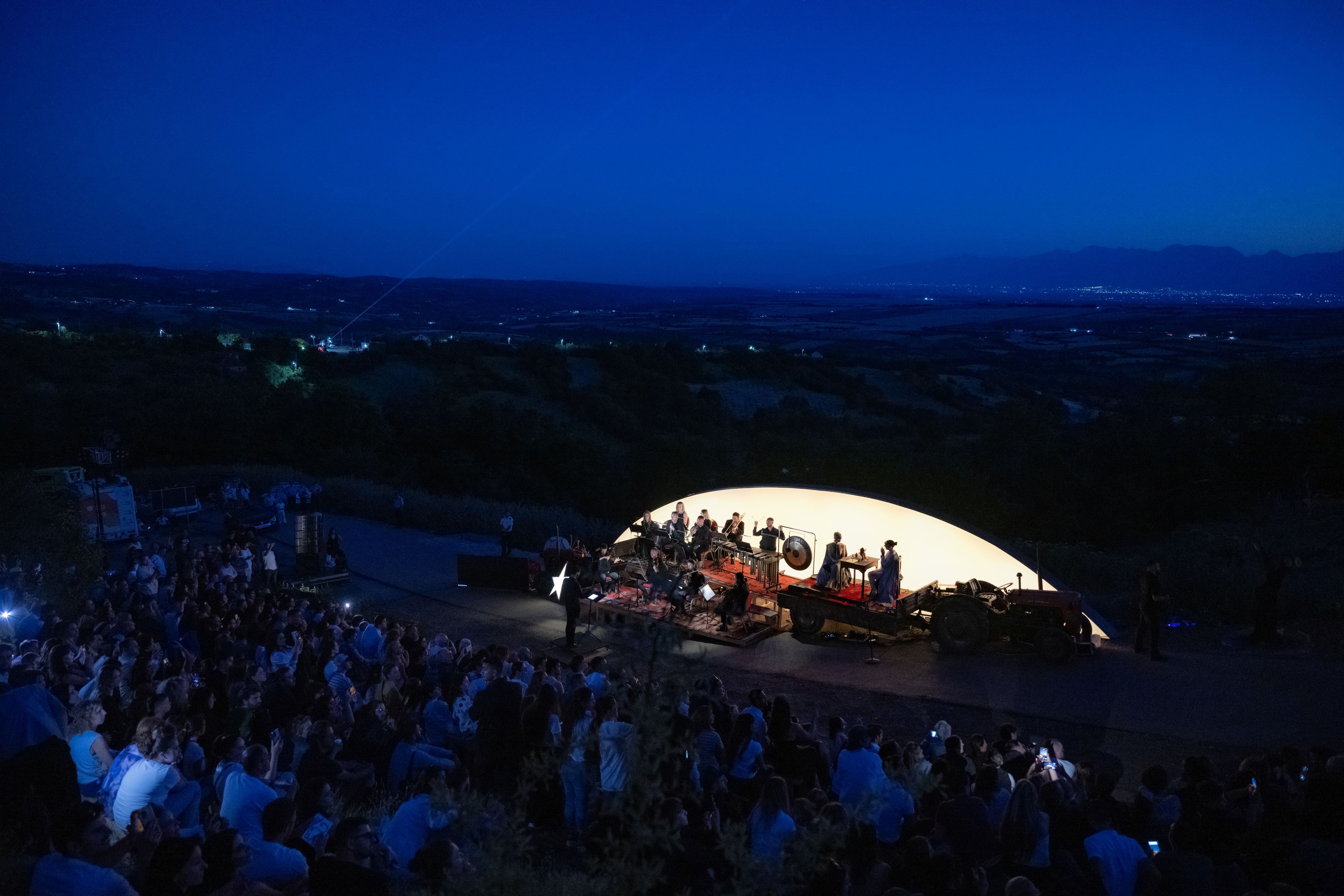
Petrit Halilaj, An Opera Out of Time (11 September 2025–31 May 2026) at Hamburger Bahnhof – Nationalgalerie der Gegenwart, Berlin
A highlight of Berlin Art Week when it opened last month, Petrit Halilaj’s first major institutional solo exhibition transforms Hamburger Bahnhof into an immersive operatic landscape. At its heart is a museum installation version of his debut opera, created with the Kosovo Philharmonic to mark the 25th anniversary of the ensemble, founded shortly after the Kosovo War. Inspired by a local legend from Syrigana (near Halilaj’s hometown of Runik), the work blurs stage and audience, merging performance and spectatorship through mobile theatres and seating draped with traditional Kosovar carpets. Flickering lights, fractured materials, and ethereal forms evoke the tension and absence of war, while Halilaj’s large-scale, more-than-human figures resonate with memory and care: the horse with embroidered shoka conjures ancestral resistance, and the moths, drawn from salvaged museum specimens, recall the country’s postwar erasure of nature and plural histories. Recently awarded the Nasher Prize, Halilaj has pledged the 100,000 USD award to rebuild Runik’s House of Culture, extending his vision of repair beyond the museum walls. – Zian Chen
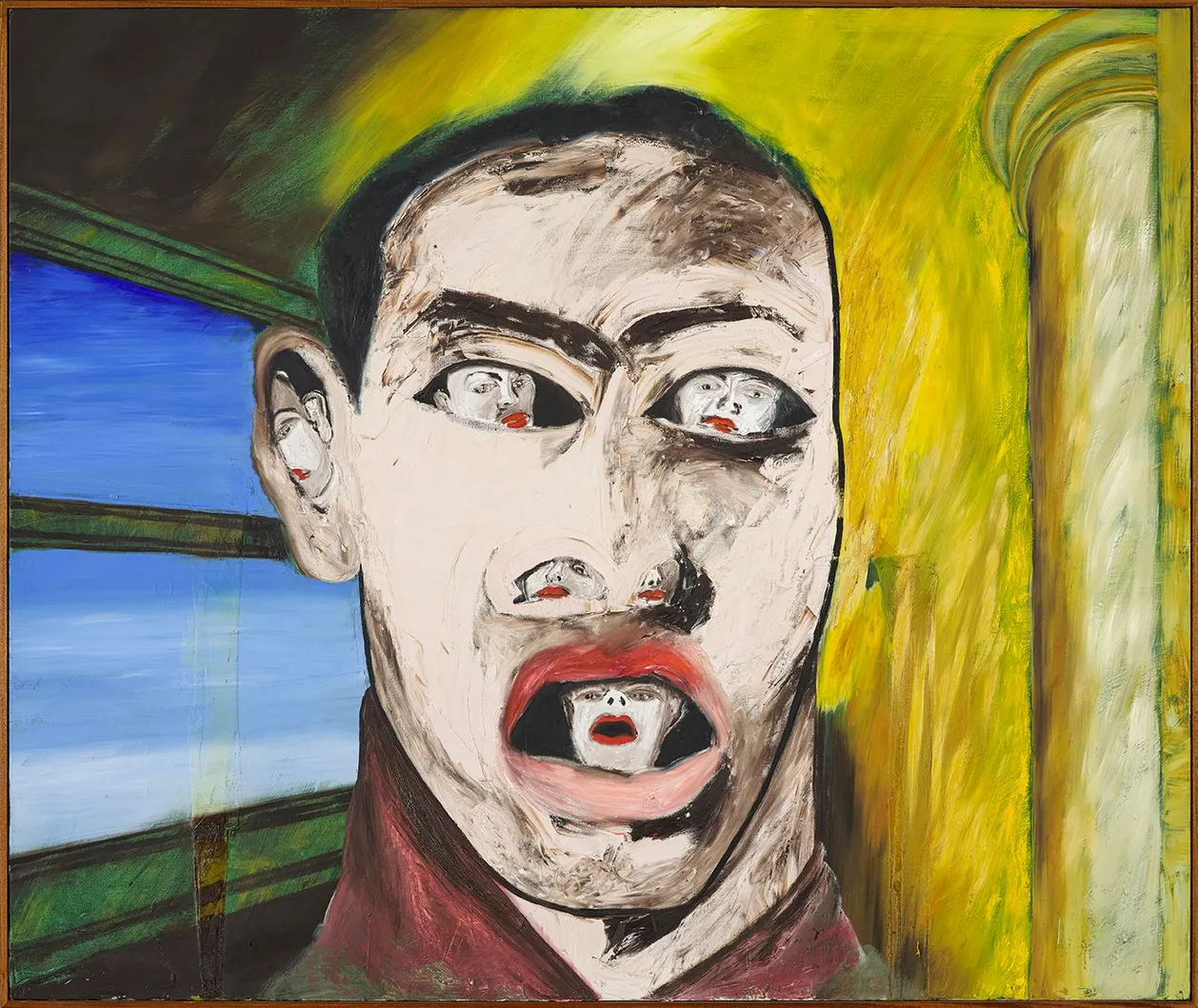
Downtown/Uptown: New York in the Eighties (18 September–13 December 2025) at Lévy Gorvy Dayan, New York
Eighty-eight years ago Gertrude Stein proclaimed, ‘There is no there there,’ codifying the ineffable qualities that make a place feel like nowhere else—and how time can erase those distinctive features completely. For those who think the ‘thereness’ that once defined New York City has been tossed directly into the internet’s greedy maw (which masticates both temporality and geography, digesting it all into memes and vibes), Lévy Gorvy Dayan’s current exhibition provides some rearview ‘there there’ nostalgia all of its own. Organised in collaboration with Mary Boone—the septuagenarian gallerist credited with bringing Julian Schnabel and David Salle, and Neo-Expressionism more broadly, to the world (while this latest show represents something of a return for Boone following her conviction for tax fraud in 2019)—the exhibition is a who’s who of 1980s superstars. Most works seem to be of the era born: Jean Michel Basquiat’s Untitled, Mary Boone (1984–1985) is a witty jab in the form of a punching bag with the dealer’s name painted on it. One wonders if this time capsule signals a long, slow goodbye to this city’s magnetic power over artists, or the promise of a perennially new ‘there there’. – Aimee Walleston
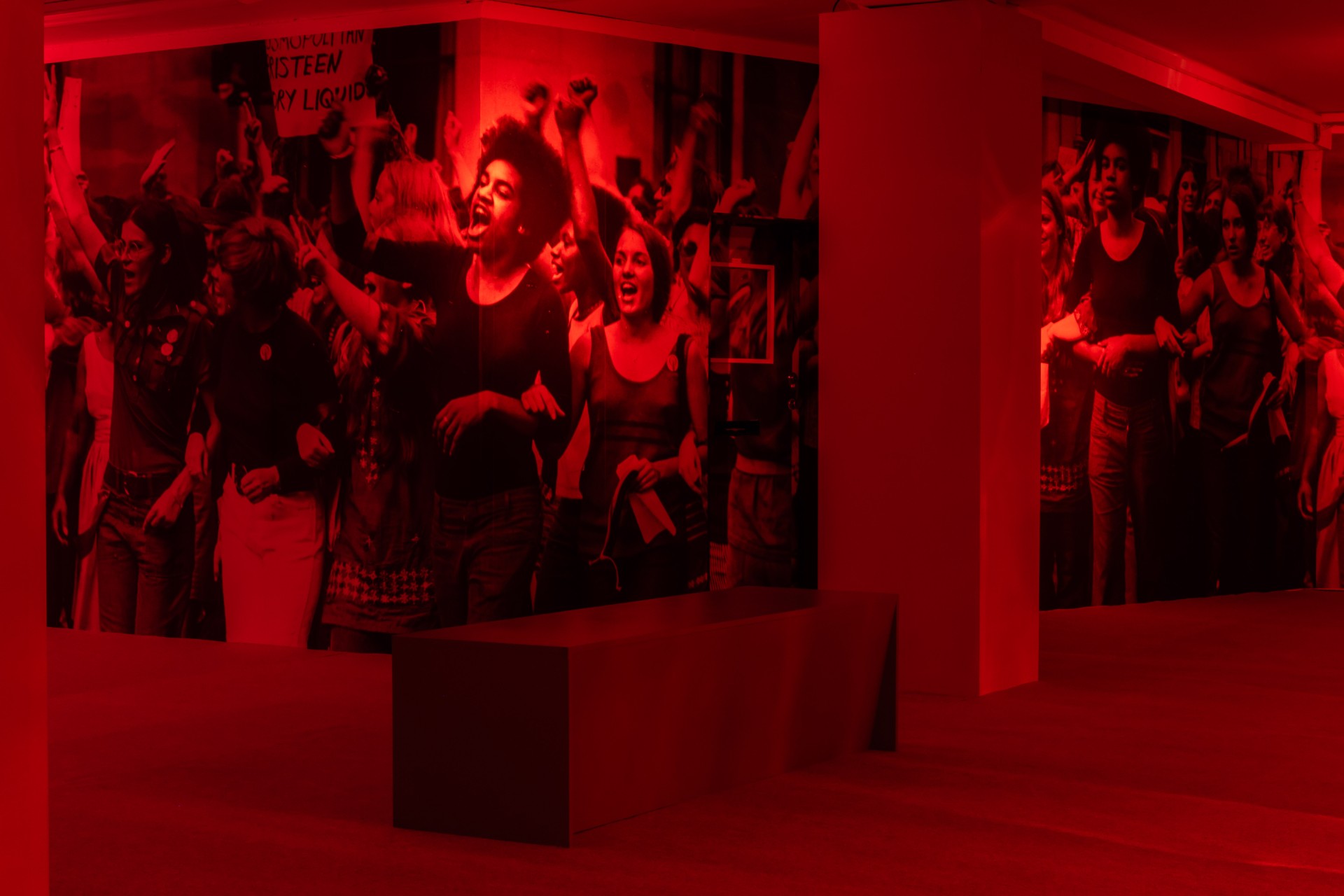

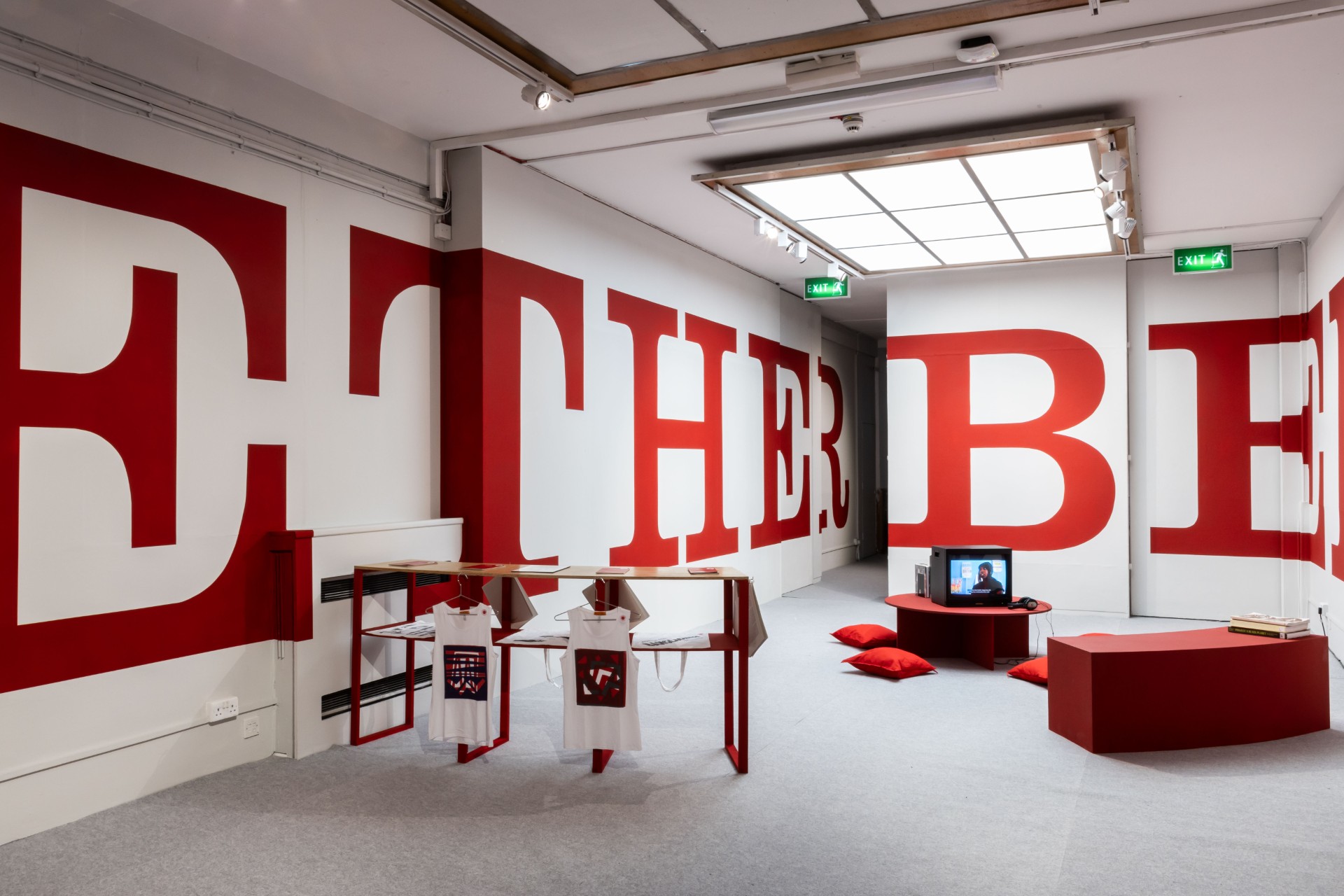

Grace Ndiritu, Compassionate Rebels in Action (10 October 2025–13 December 2025) at Cooper Gallery, Dundee
Under the guidance of Grace Ndiritu, audiences are often invited to enter a museum or art gallery barefoot; cushions are sometimes scattered around the space. It is an unusual, holistic approach to how we engage with Western cultural spaces through what the artist has termed ‘non-rational methodologies’—from feeling the wood beneath our feet to simply sitting down on the floor and closing our eyes. In Ndiritu’s latest exhibition at Cooper Gallery (the final presentation in the gallery’s five-part exhibition series The Ignorant Art School, 2021–2025), she extends this interest in alternative forms of connection to protest as a collective tool for change. Archival photographs of historic protests—including a large-scale, black-and-white image of the Women’s Strike staged in New York in 1970, which stretches from floor to ceiling in the gallery—ground present-day grassroots political action in social justice movements of the past. A screening of Labour: Birth of a New Museum (2023) shows Ndiritu leading a group of pregnant women on a shamanic journey to discover the ‘soul’ name of their unborn child, in a workshop staged within the context of a museum. Art and life, past and present, and the spiritual and the rational collapse together under Ndiritu’s deft direction, as she asks us to reconsider how we come together—both inside and outside the gallery. – Louise Benson
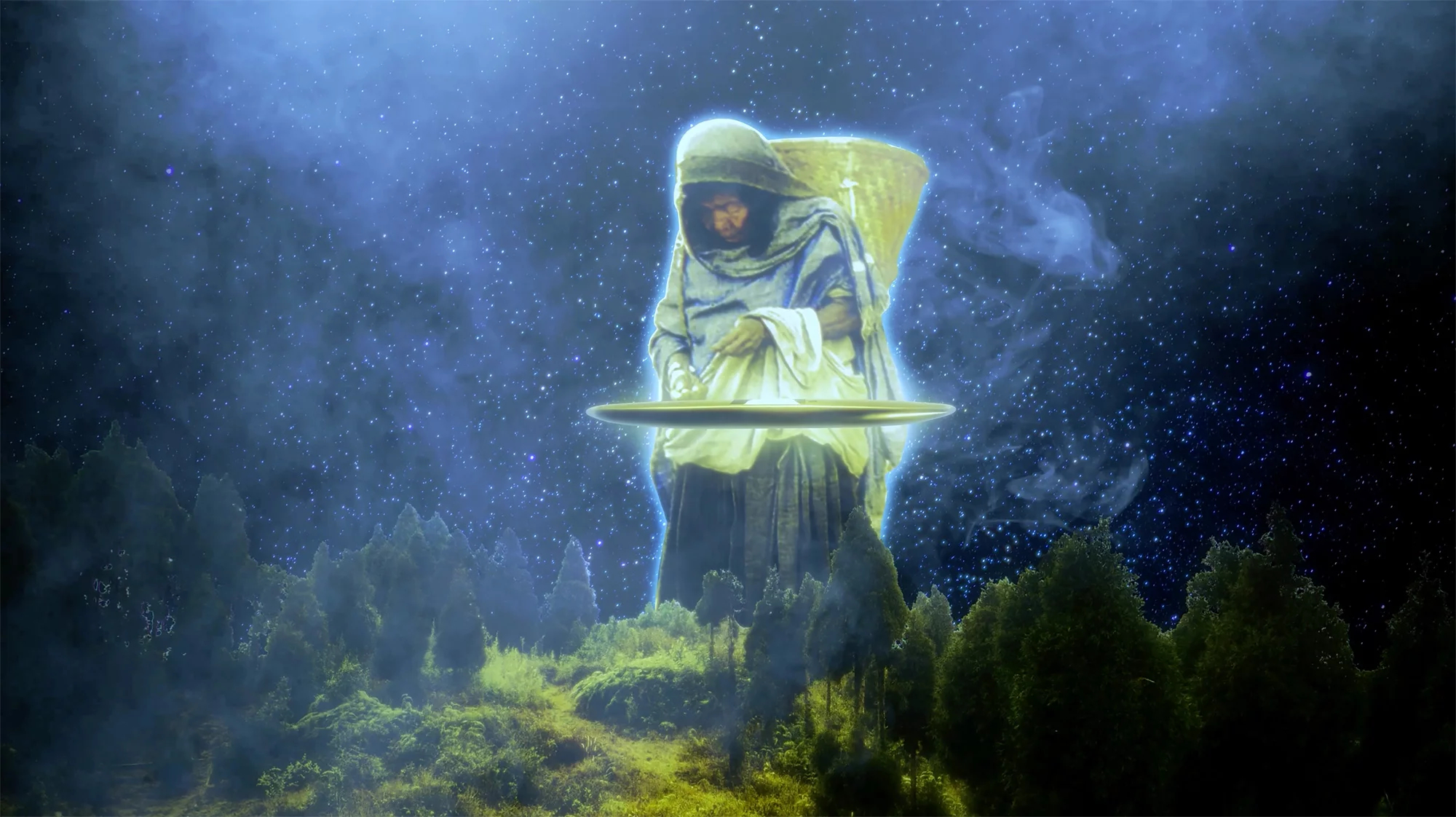
Ghost 2568: Wish We Were Here (15 October–16 November 2025), Bangkok
Among Asia’s many biennales this season, Ghost 2568—Bangkok’s performance and video festival named after the Thai Buddhist calendar year—returns with a finale to its acclaimed trilogy. Curated by former Cubitt Gallery Director Amal Khalaf, the show reunites artists and curators from previous editions. Highlights from returning participants hint at what’s to come: in Eating an Apple While Lucid Dreaming (2022), Koki Tanaka’s night bus tour guided participants through Bangkok’s politically charged sites, blending tours, brief naps, and a continuous nocturnal journey that evoked political trauma and collective memory. In a similar spirit, this edition’s constellation of artists engage Asia-wide geographies and their respective urgencies. The programme of performances and public talks is dense despite its brief four-week run—from Paul Pfeiffer’s Match of Legend at the Muay Thai landmark Rajadamnern Stadium, to May Adadol Ingawanij’s co-curated film programme School for Ghost Activists Archivists. Altogether, Ghost2568 offers a distinctive exhibition framework that channels the spirit of the region, where echoes of performance art continue to shape the textures of today’s contemporary art expression. – Zian Chen
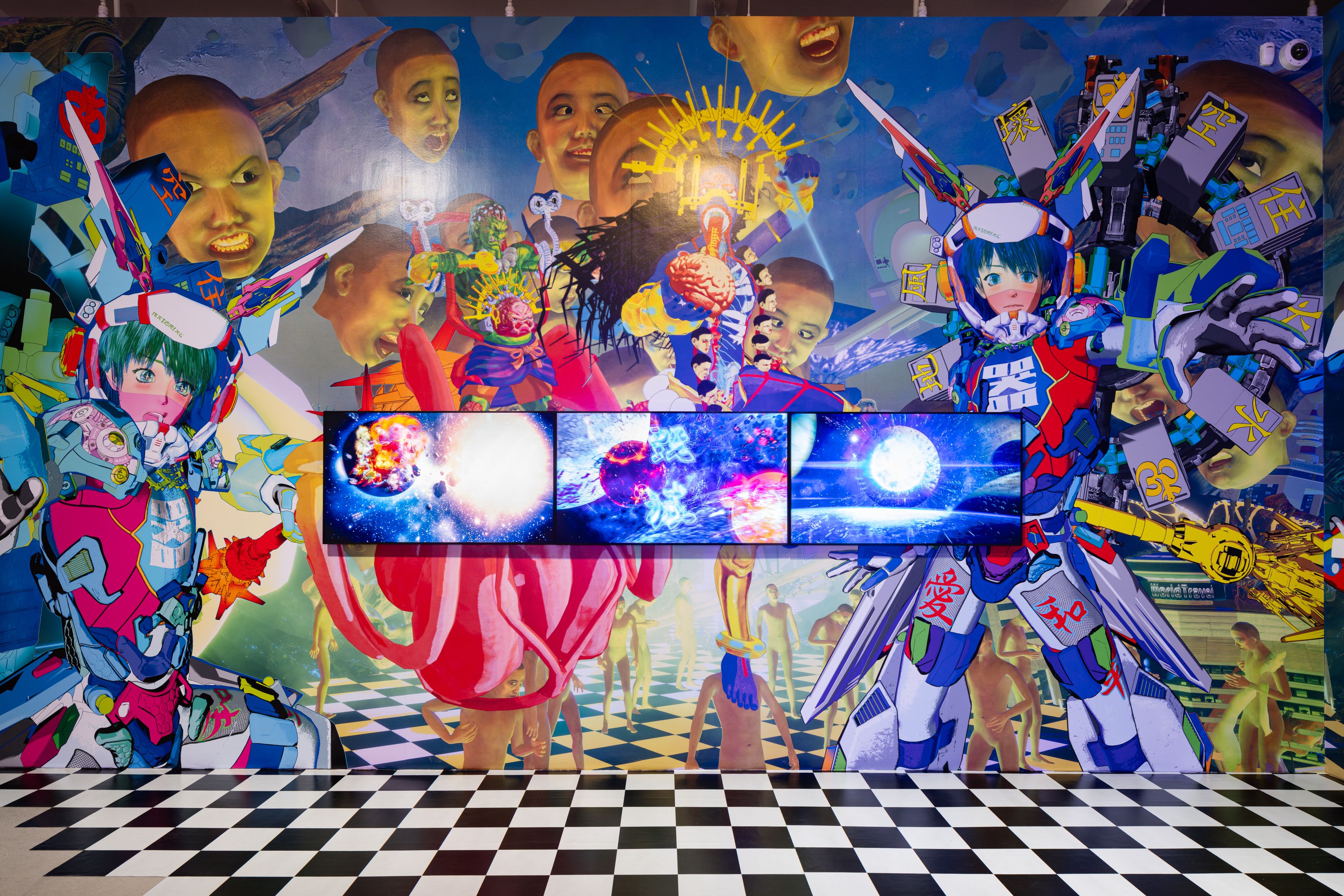
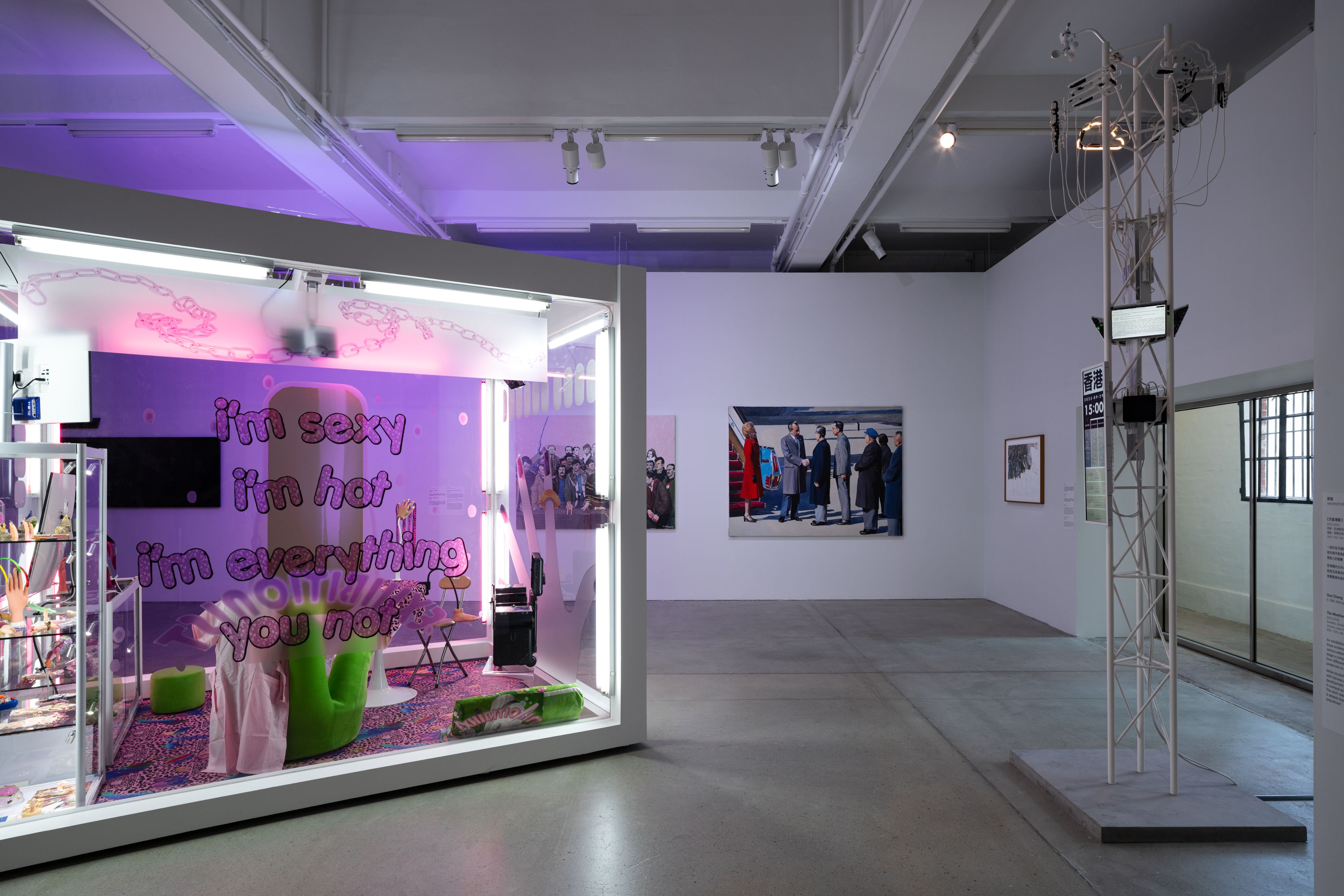
Stay Connected: Navigating the Cloud (26 September 2025–4 January 2026) at Tai Kwun, Hong Kong
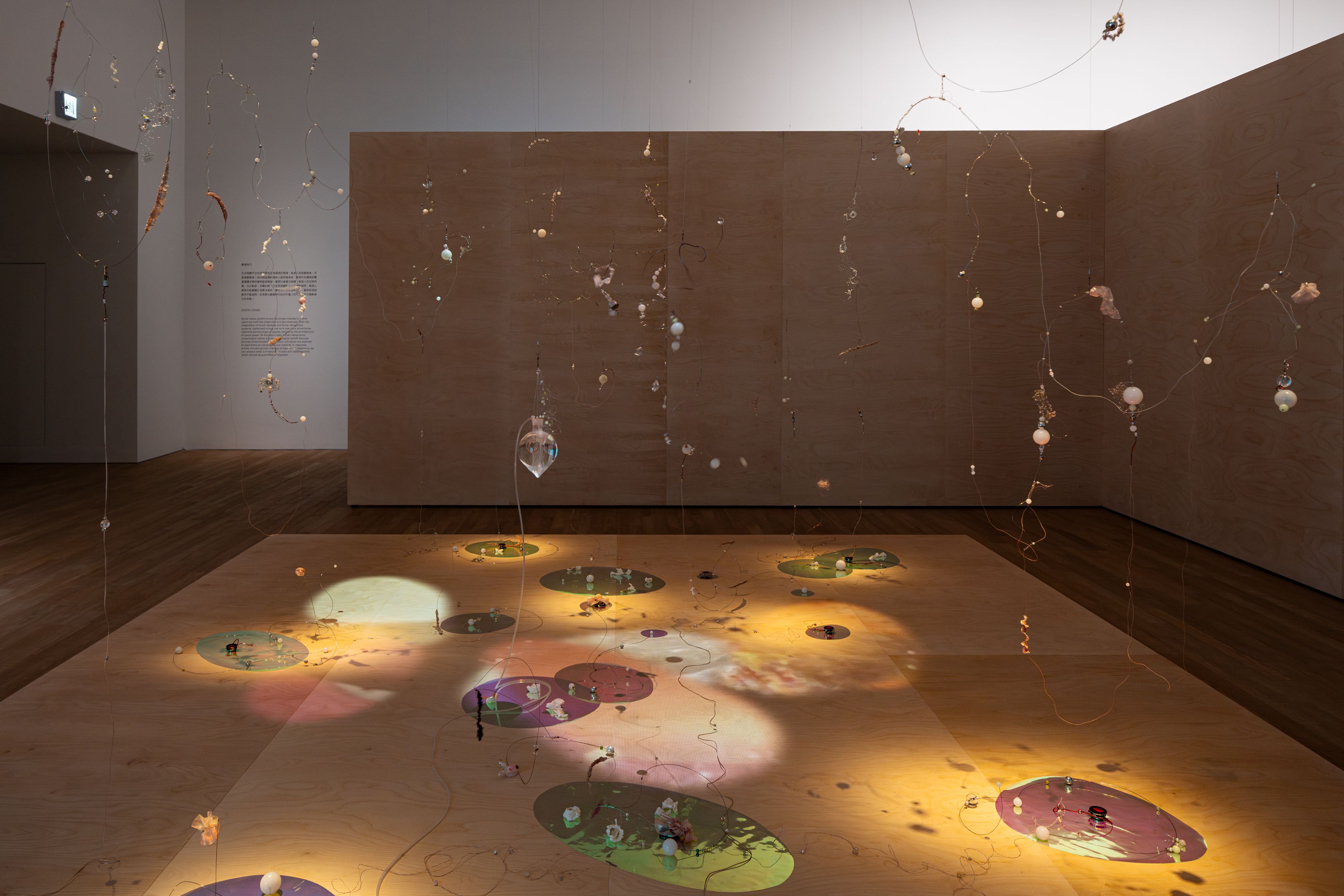
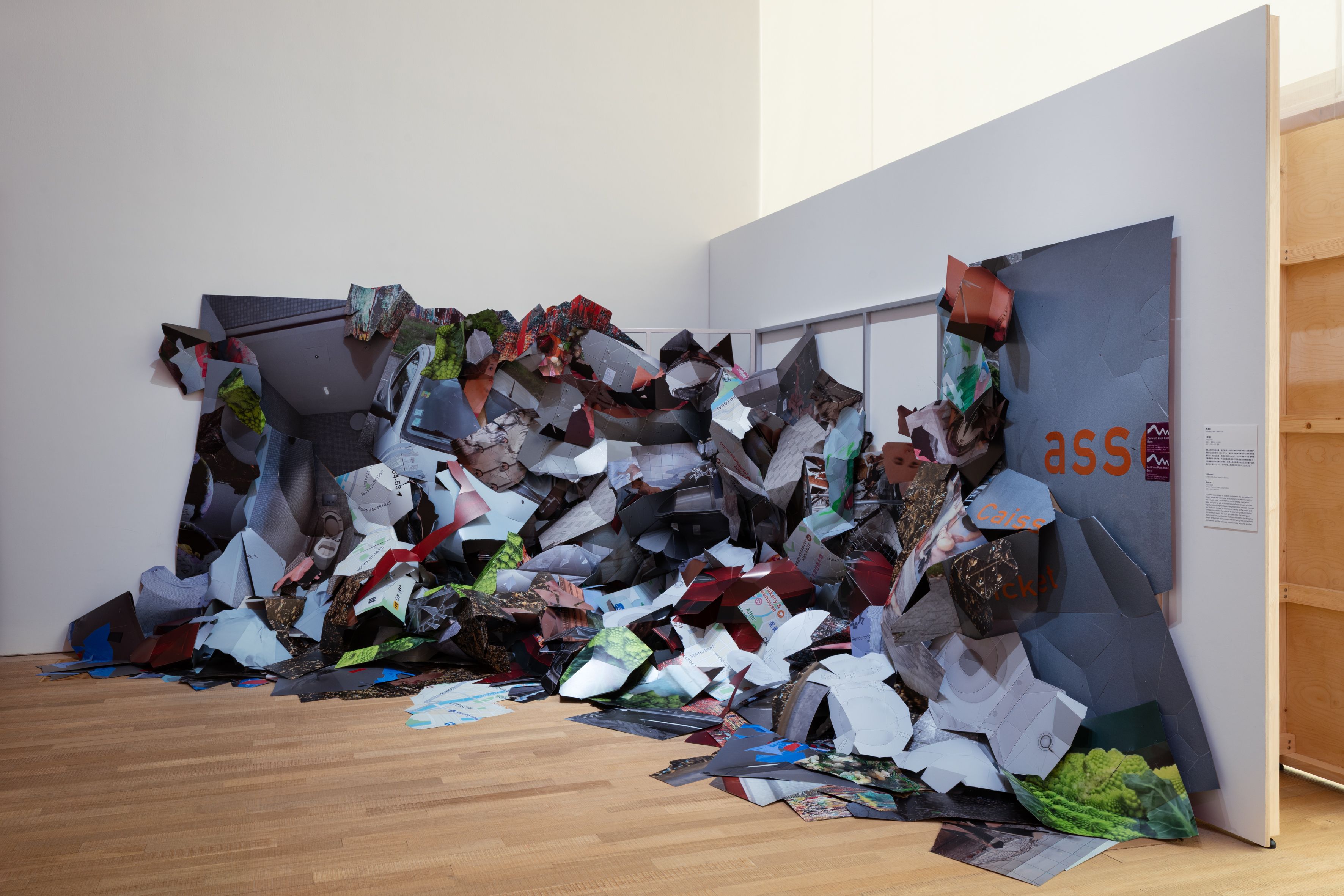
Not only Art Basel Hong Kong can turn the city into a must-go destination for the art world. One of the most anticipated exhibitions in the region this autumn, Navigating the Cloud brings together 50 works by artists from across China, including Guan Xiao, Lu Yang, and Wong Ping, in the first chapter of the two-part exhibition Stay Connected: Art and China Since 2008. The year 2008 was ethereal and decisive for the country—marked by the Beijing Olympics, a promised future of globalisation, the internet boom, and the new social media craze. A generation of artists emerged who were fluent in the language of the digital, turning technologies into both materials and methods to probe how algorithmic systems, surveillance, and information bubbles reshape social realities. Navigating the Cloud, its title hinting at China’s Great Firewall, is never unfettered: across the works, tension lingers between censorship and creativity, between geopolitics and the longing to reconnect. – Shanyu Zhong
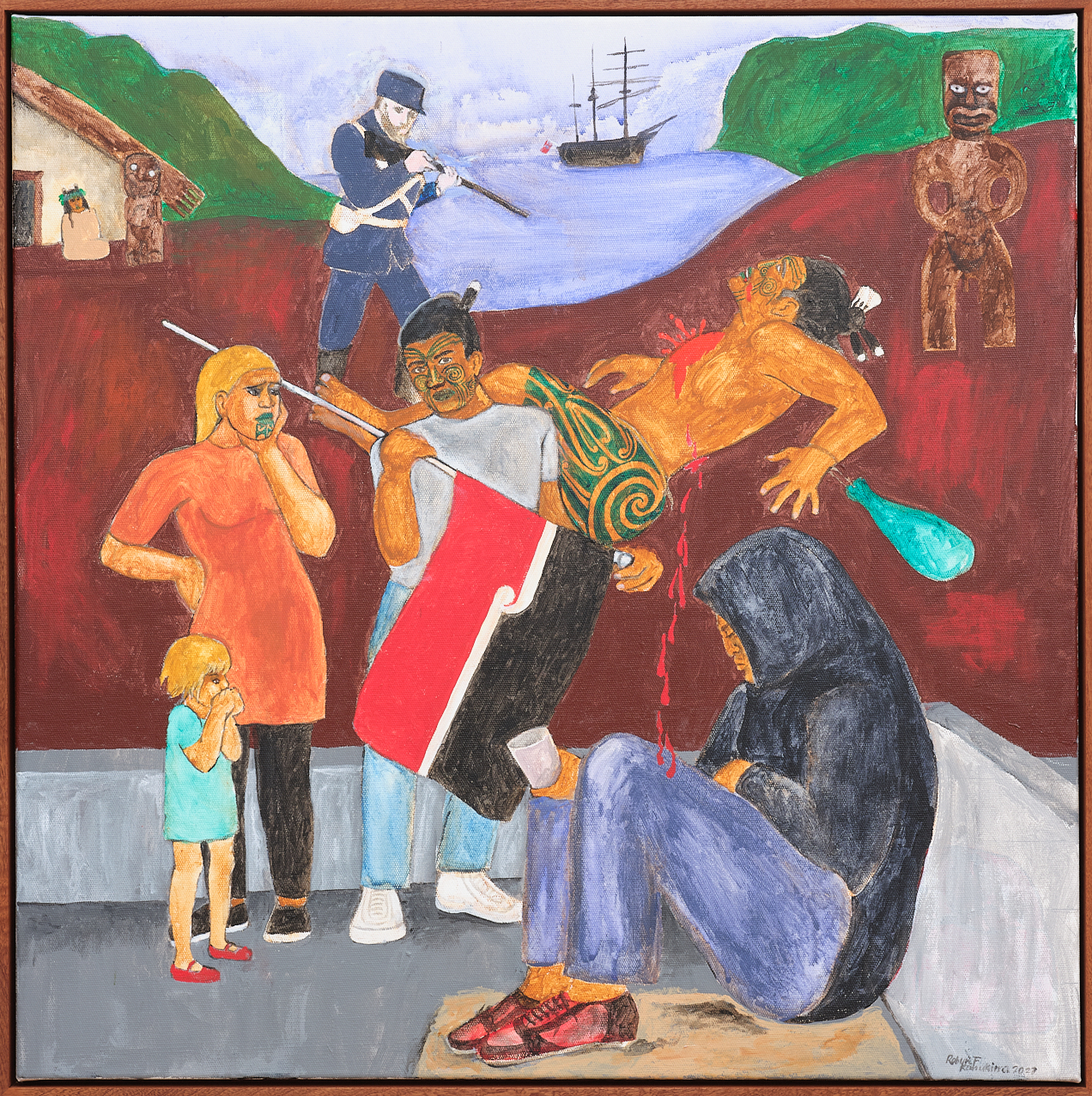
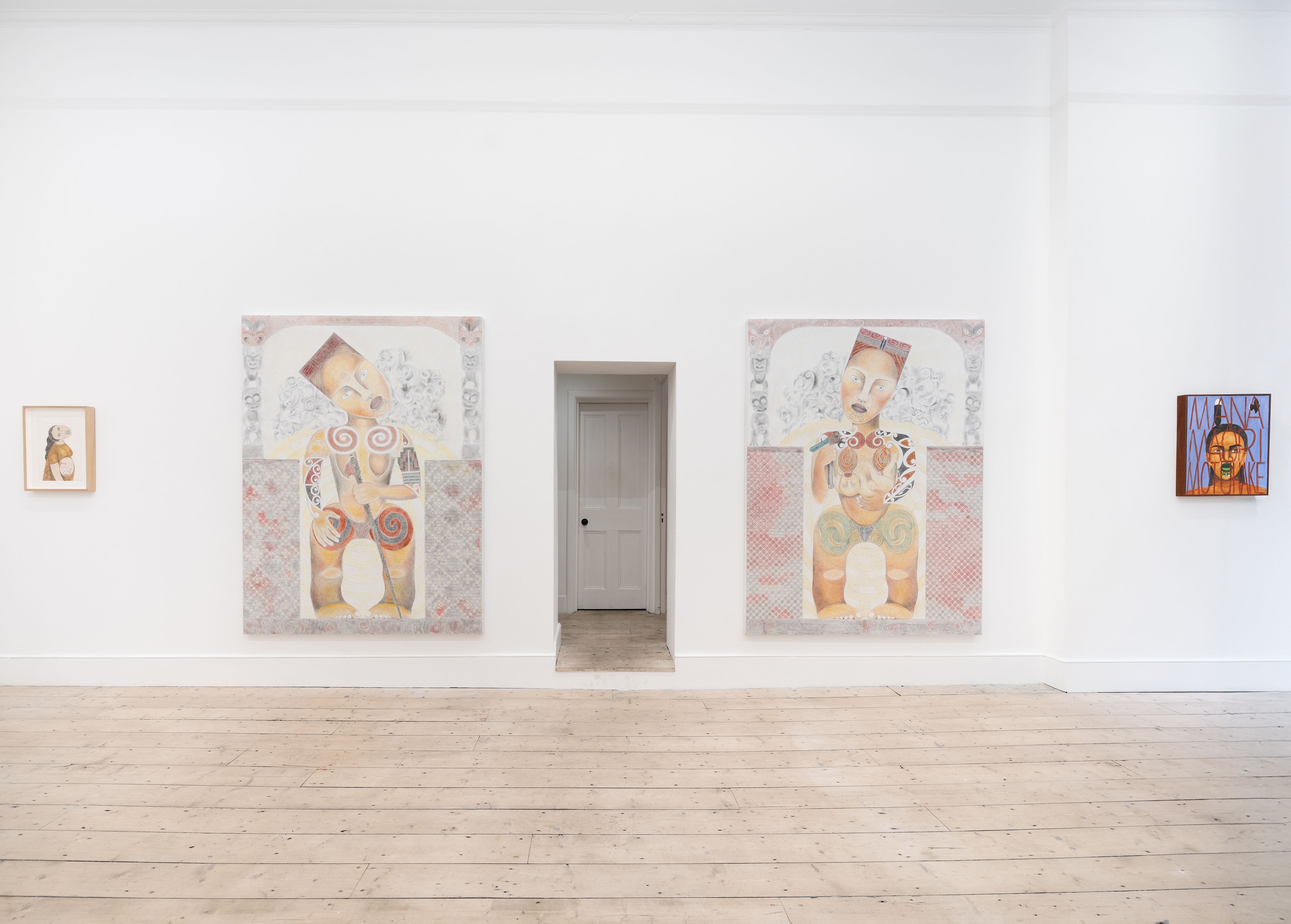
Robyn Kahukiwa (19 September–1 November 2025) at Phillida Reid, London
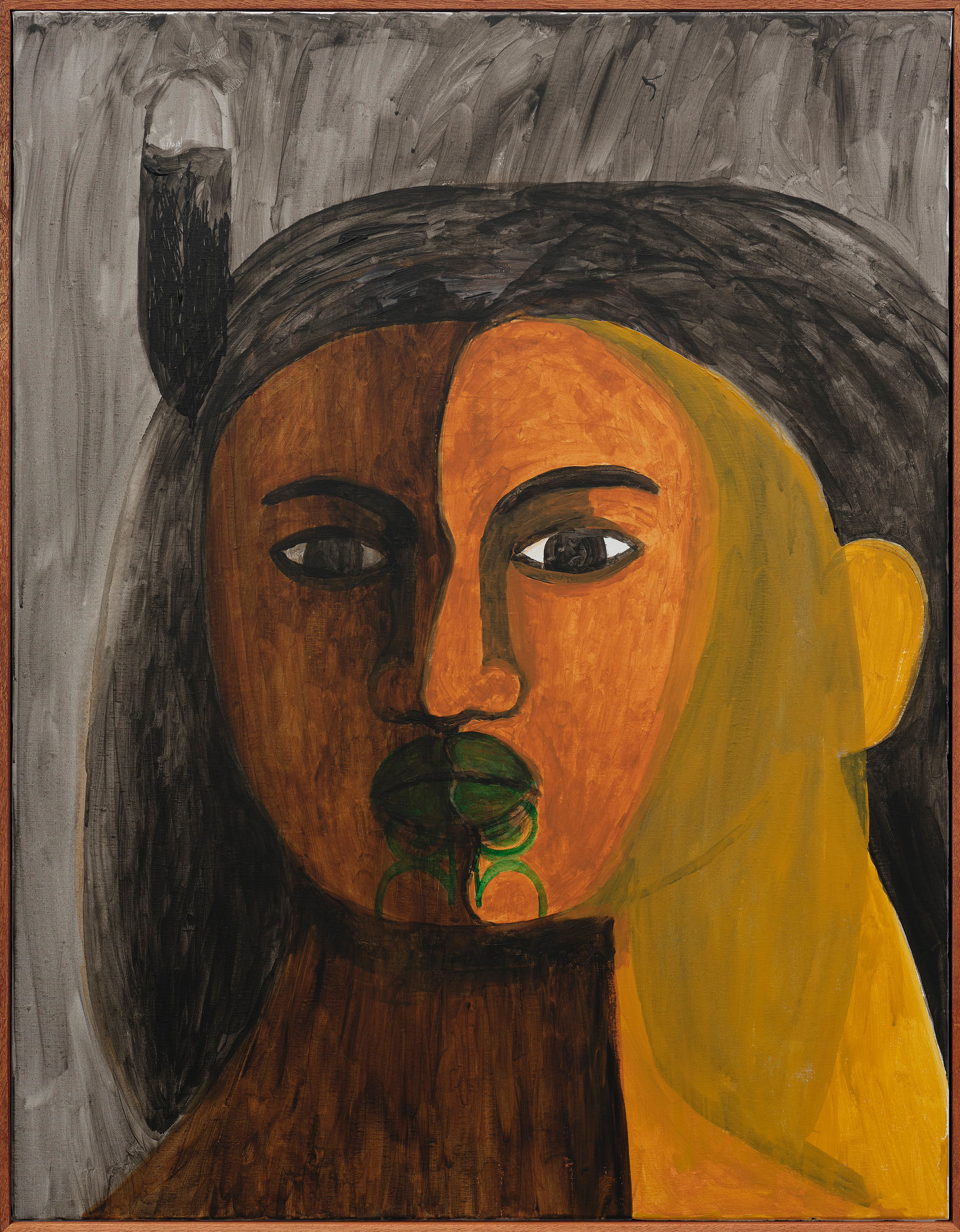
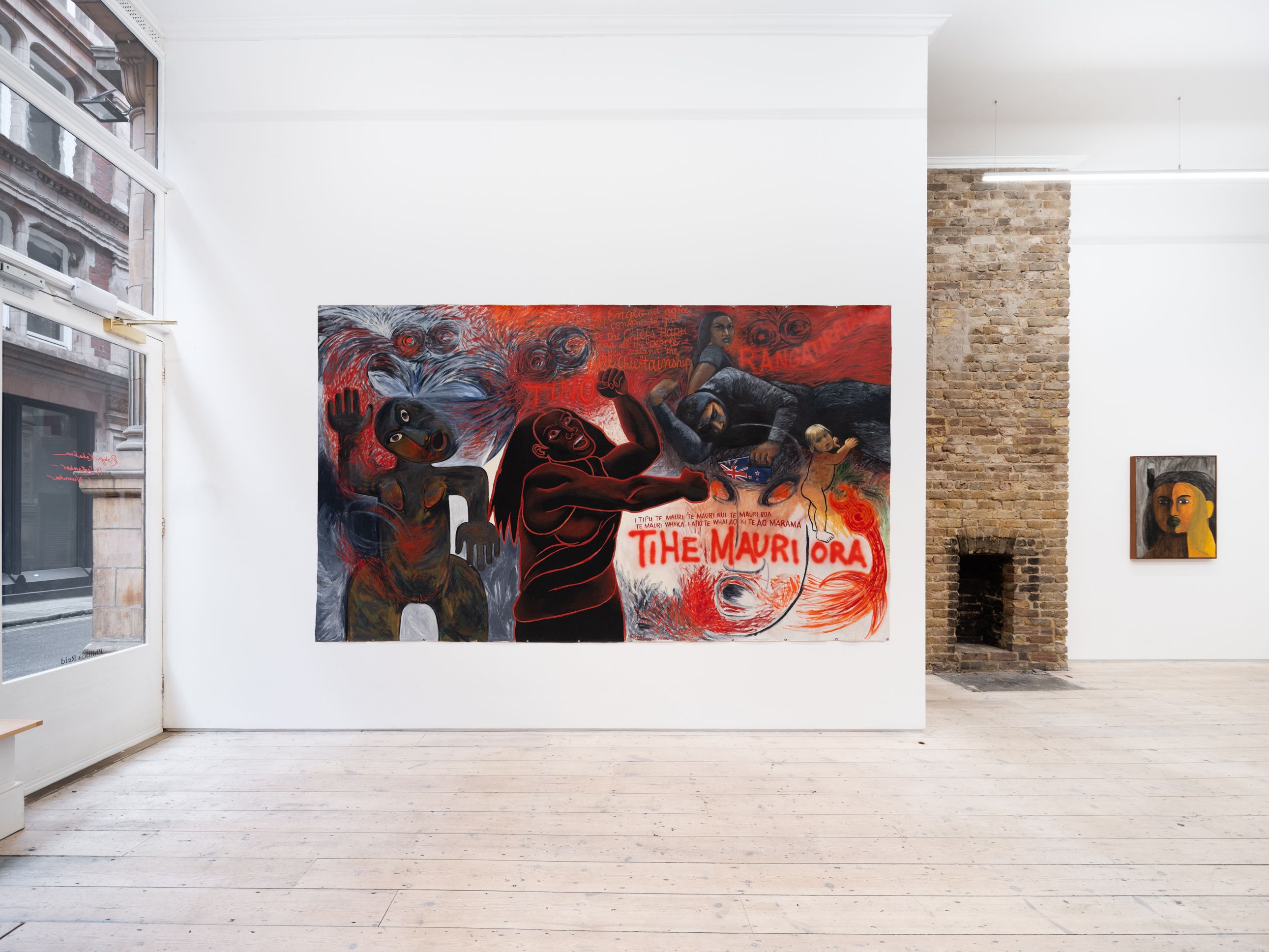
Māori artist Robyn Kahukiwa was no stranger to London, where, in 1999, she presented the inaugural show at Scottish Ghanaian artist and curator Maud Sulter’s newly established gallery, Rich Women of Zurich. Now, just a few streets away from that original location, Aotearoa New Zealand gallerist Phillida Reid hosts the first major exhibition of Kahukiwa’s paintings and drawings since her death, aged 86, in April this year. The show spans three decades of work—from the monumental tableau Tihe Mauri Ora (1990), to the ghostly portrait Ancestor (2025)—collectively illustrating Kahukiwa’s fluency and openness as a storyteller, with the customs, values, and knowledge systems of Māori expressed alongside unflinching depictions of the ongoing effects of colonisation. In an era where Indigenous sovereignty is continuously threatened, Kahukiwa’s voice and spirit, lifted here by her family and collaborators (who co-organised the exhibition in accordance with her wishes), shine through, confirming her as a persistent, gracious advocate for Māori stories and visual culture. – Misong Kim
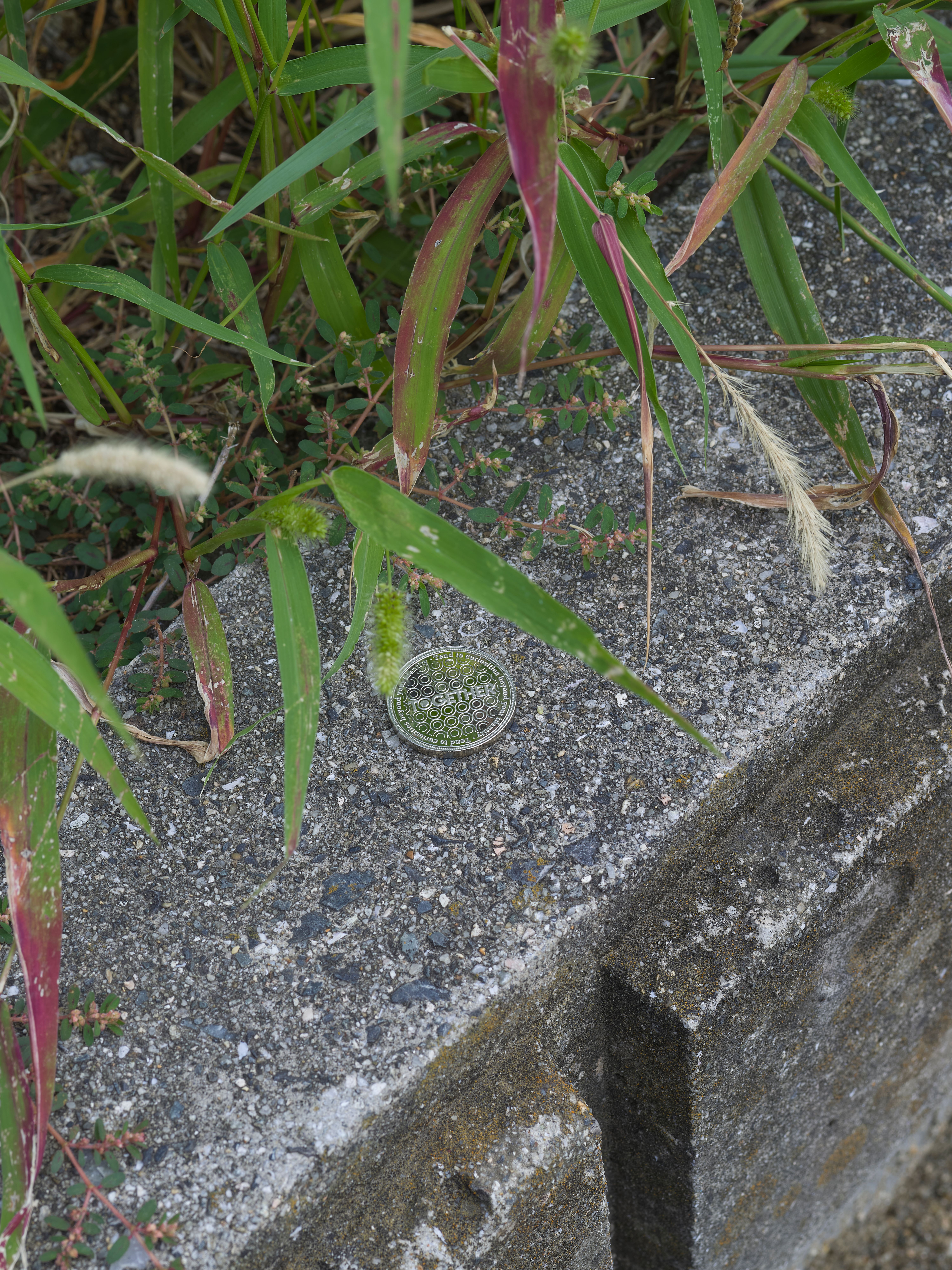
Okayama Art Summit 2025: The Parks of Aomame (26 September–24 November 2025), Okayama
Video screens installed above elevator doors in Okayama’s City Hall feature Peter Fischli & David Weiss’ close-ups of animals; Ryan Gander’s collectible coins scattered across the city offer serendipitous encounters (each is inscribed with a word like ‘Listen’, ‘Solo’, or ‘Pause’); and around 60 buses around the city illuminate the night with James Chinlund’s enigmatic LED installations. Under Philippe Parreno’s direction, Okayama becomes an orchestrated relational environment—a temporary collaborative ecosystem of artists, thinkers, and creators engaging with the audience. Framed by the theme The Parks of Aomame, this edition navigates the in-between space where the fictional and the physical intersect, evoking the world in which Japanese novelist Haruki Murakami’s fictional assassin Aomame becomes lost in 1Q84 (2009). Unlike those events that leave you with sore feet and a stiff back, the open-air triennial encourages a leisurely stroll through Okayama’s urban fabric, where site-specific interventions, performances, and public programmes invite both residents and visitors to re-encounter and reimagine the city itself. – Shanyu Zhong
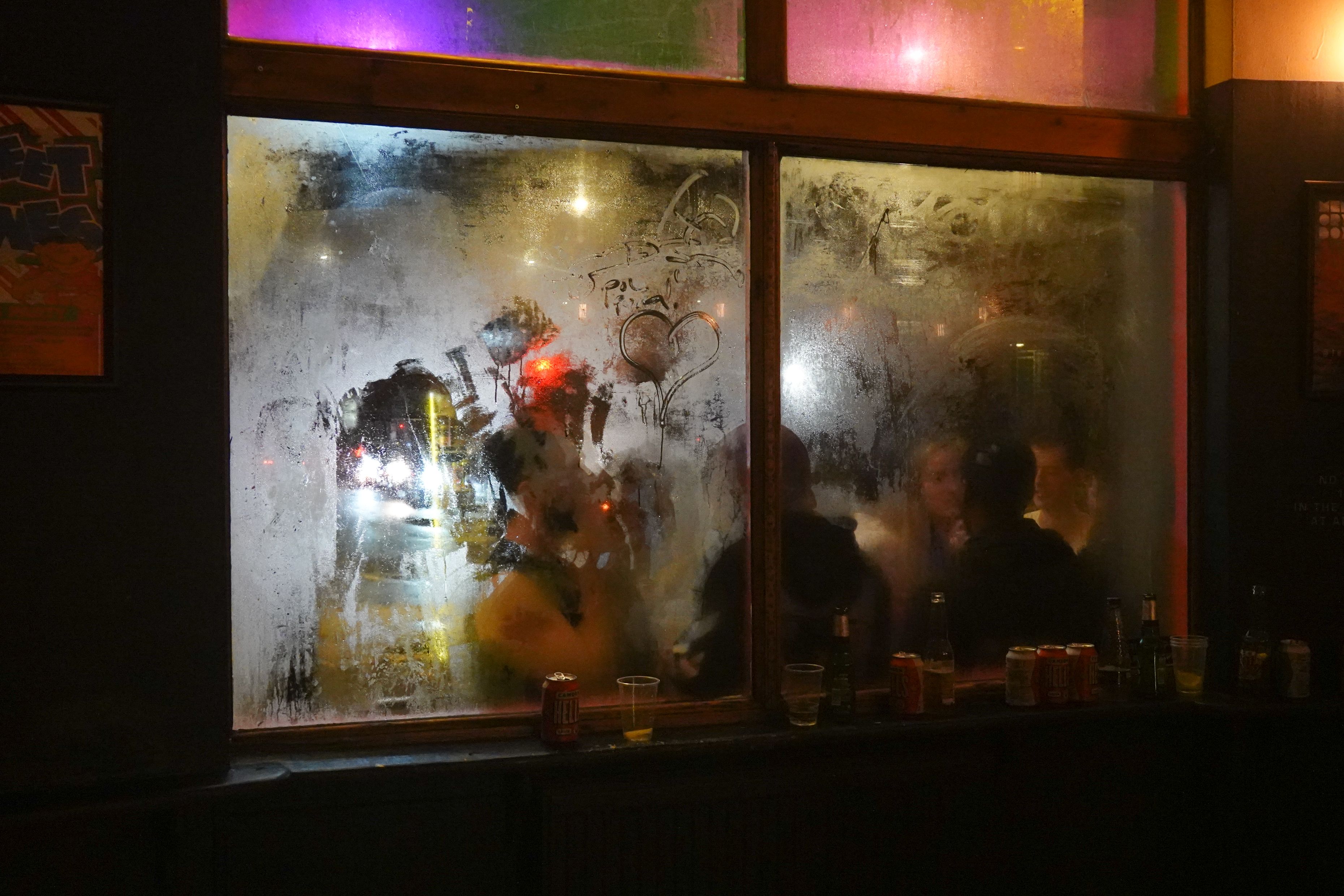
Wolfgang Tillmans, Build From Here (3 October–20 December 2025) at Maureen Paley, London
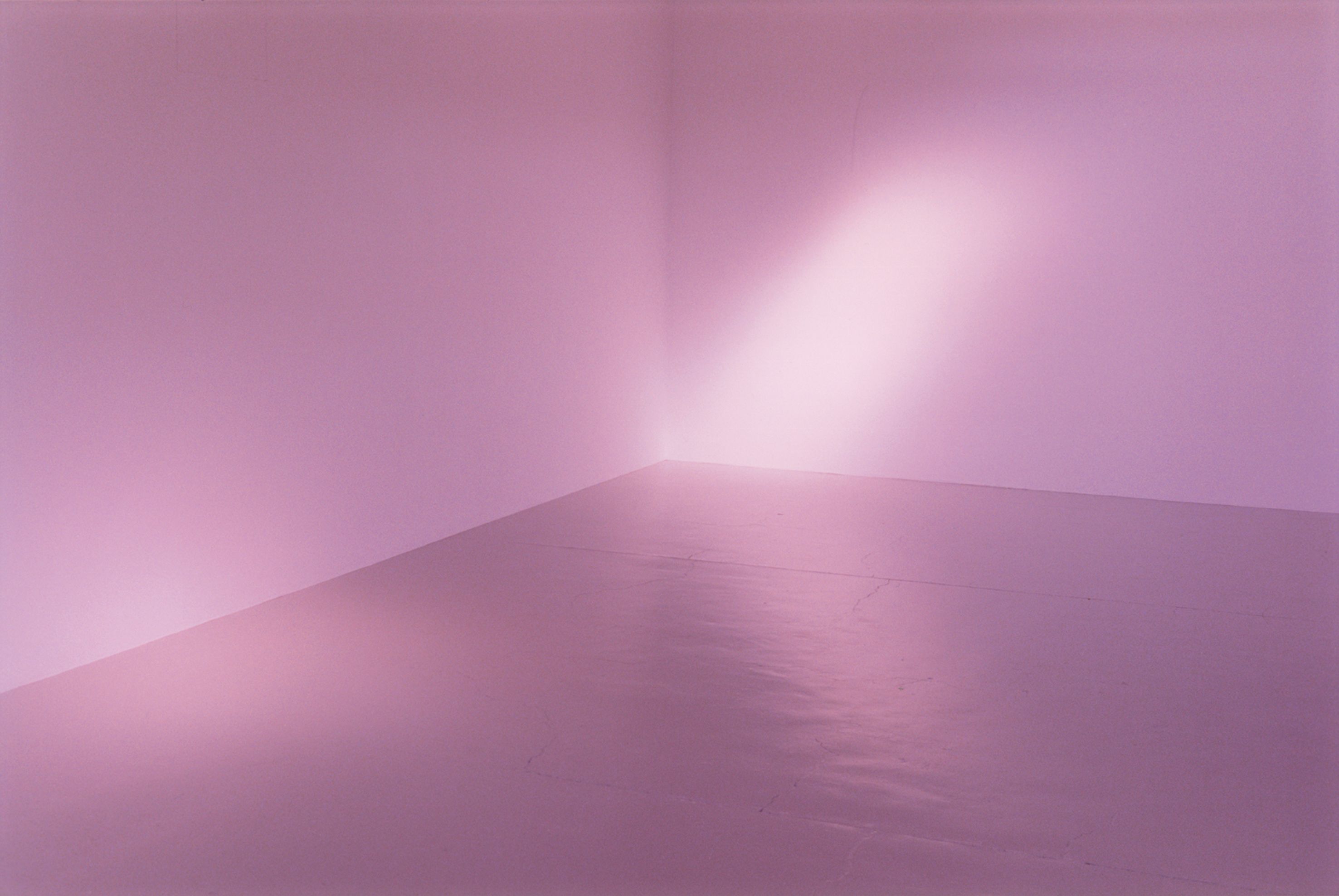
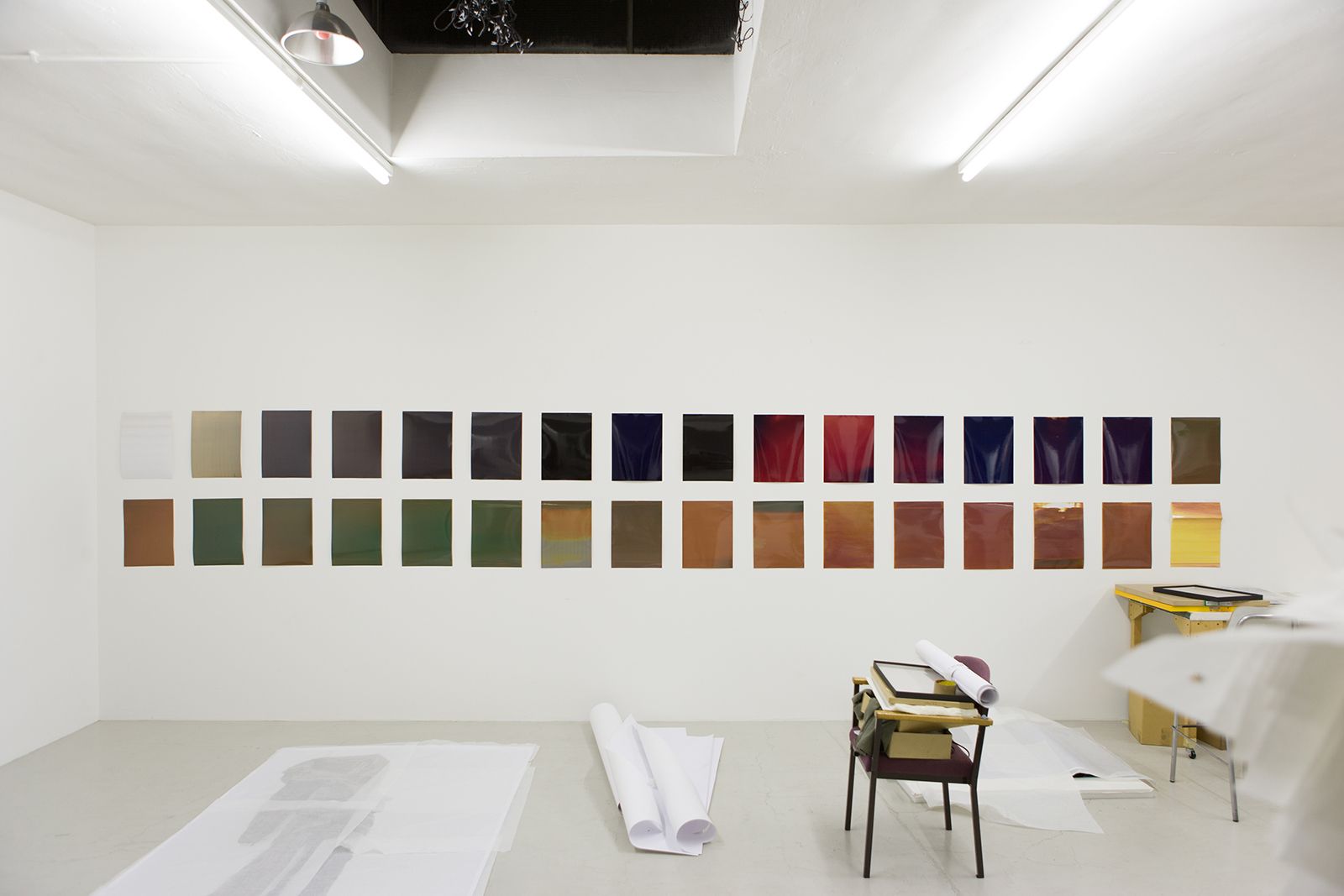
There’s something about a familiar old space, or a site slated for transformation, that has precipitated some of Wolfgang Tillmans’ most special exhibitions. If you missed his immersive transformation of the Centre Pompidou’s library earlier this year ahead of its closure for renovations, this latest exhibition at Maureen Paley is the next best thing. Build From Here begins at 4 Herald Street, the gallery’s newest outpost and part of Tillmans’ former studio, and spans an additional two east London spaces. Tillmans blends editorial portraits originally commissioned for (primarily fashion) magazines, self-reflexive traces of his prior studio (in Easter Passion, 2007, a series of photographic prints are shown hung on the same wall that we now see this exhibition displayed upon at the gallery), and abstract silver and chromatic prints that emerge from the artist’s ongoing experimentation with photographic works produced without a camera, weaving memory between photographic material and representation. Moving through the exhibition feels like a measured journey: videos are presented alongside ephemera; the artist’s ‘Lighter’ and ‘Paper Drop’ series manipulate light, gravity, and texture; while the silver and chromatic prints hang amid the traces of production processes, evoking studio memories and the quiet, tactile alchemy of making. – Zian Chen —[O]
Editor’s Note: This article was updated on 16 October 2025 to accurately reflect the date of Robyn Kahukiwa’s exhibition at Rich Women of Zurich.
Main image: Shao Chun, Inner Beads (2025). Metal wires, fishing wires, beads and bells, silicone fabric, synthetic hairs and eyelashes, clay, wasted cosmetics, lab flask, motors, air pump. 400 × 400 cm. Exhibition view: Stay Connected: Navigating the Cloud, Tai Kwun Contemporary, Hong Kong (26 September 2025–4 January 2026). Courtesy Tai Kwun. Photo: Kwan Sheung Chi.




A respected voice in contemporary art discourse.
Focusing on ambitious storytelling and insightful art-world commentary. Ocula Magazine publishes in-depth interviews, critical essays and timely analysis on the artists, exhibitions and ideas driving the global art world.
Learn more about Ocula Magazine
Showcasing the best of the art world.
Ocula partners with galleries from around the world to highlight their artists, artworks and exhibitions. Gallery membership is by application and invitation, with each member vetted by an independent panel.
Learn more about Ocula Membership
Specialises in the sale of major artworks.
Led by a team with deep ties to the world’s leading auction houses, galleries and collectors. Ocula’s advisory team offers bespoke services to high-net-worth clients from around the world who are looking to acquire the best of contemporary and modern art.
Learn more about our team and services