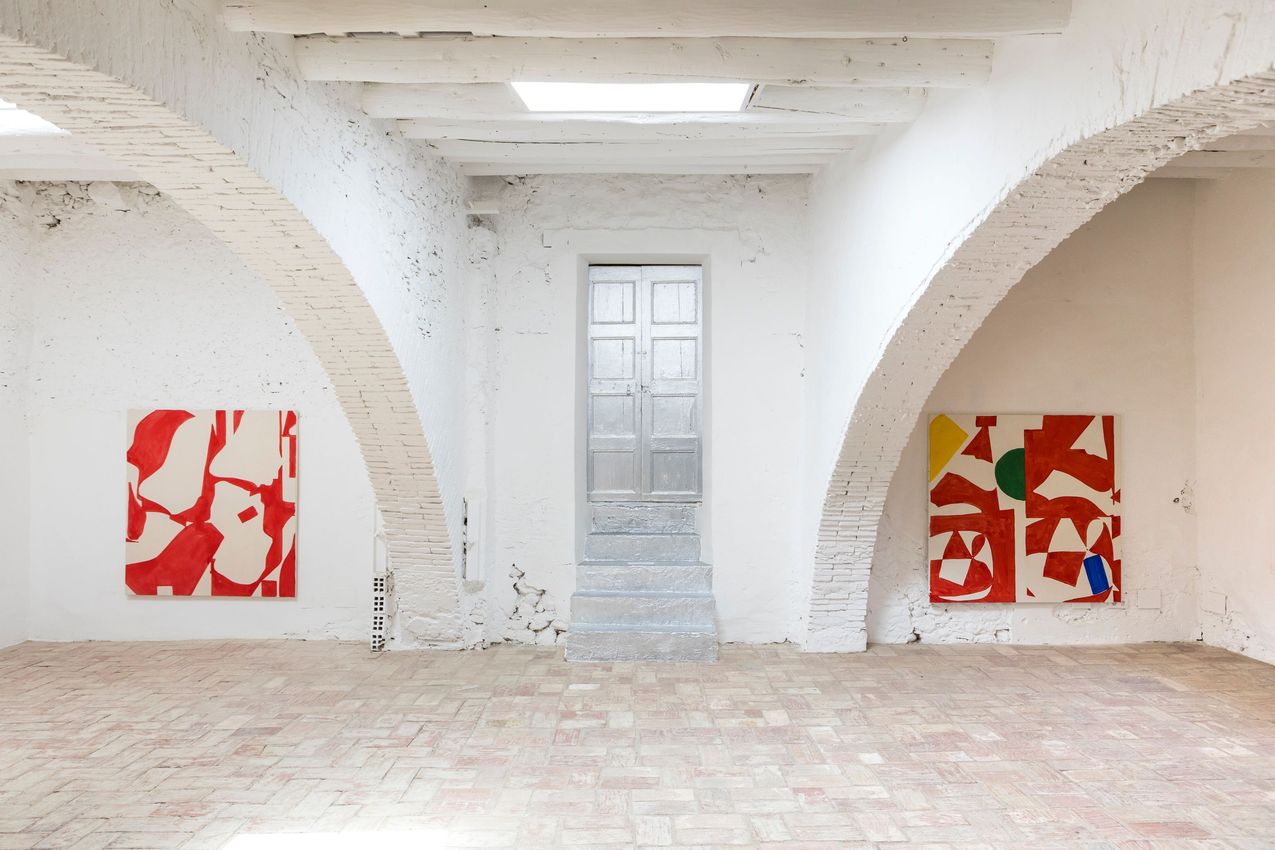
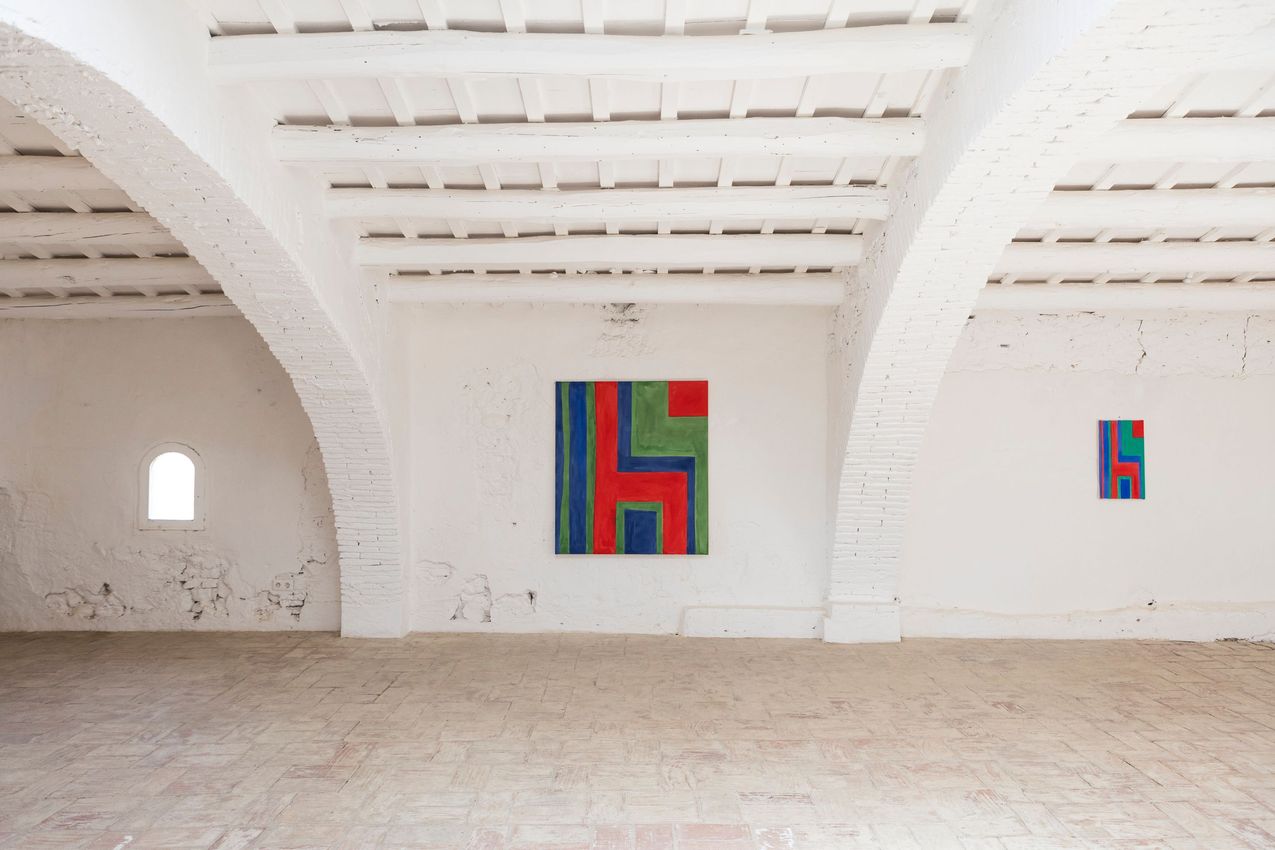
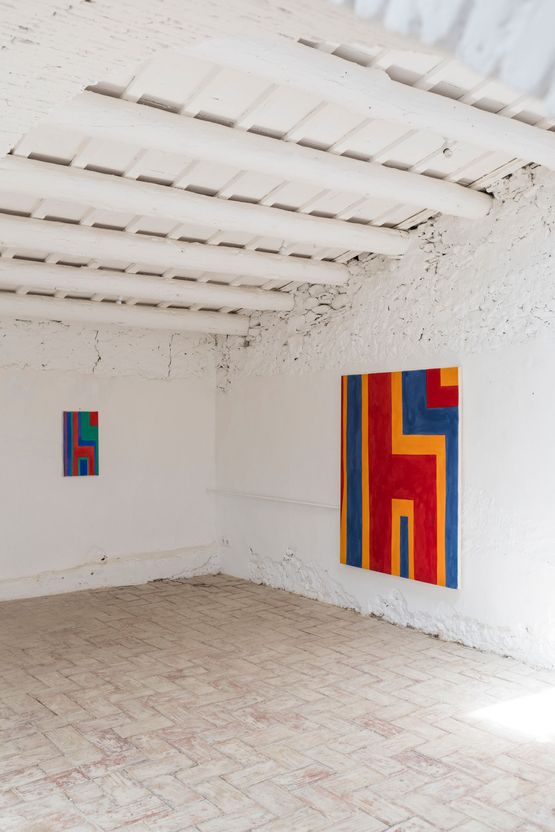
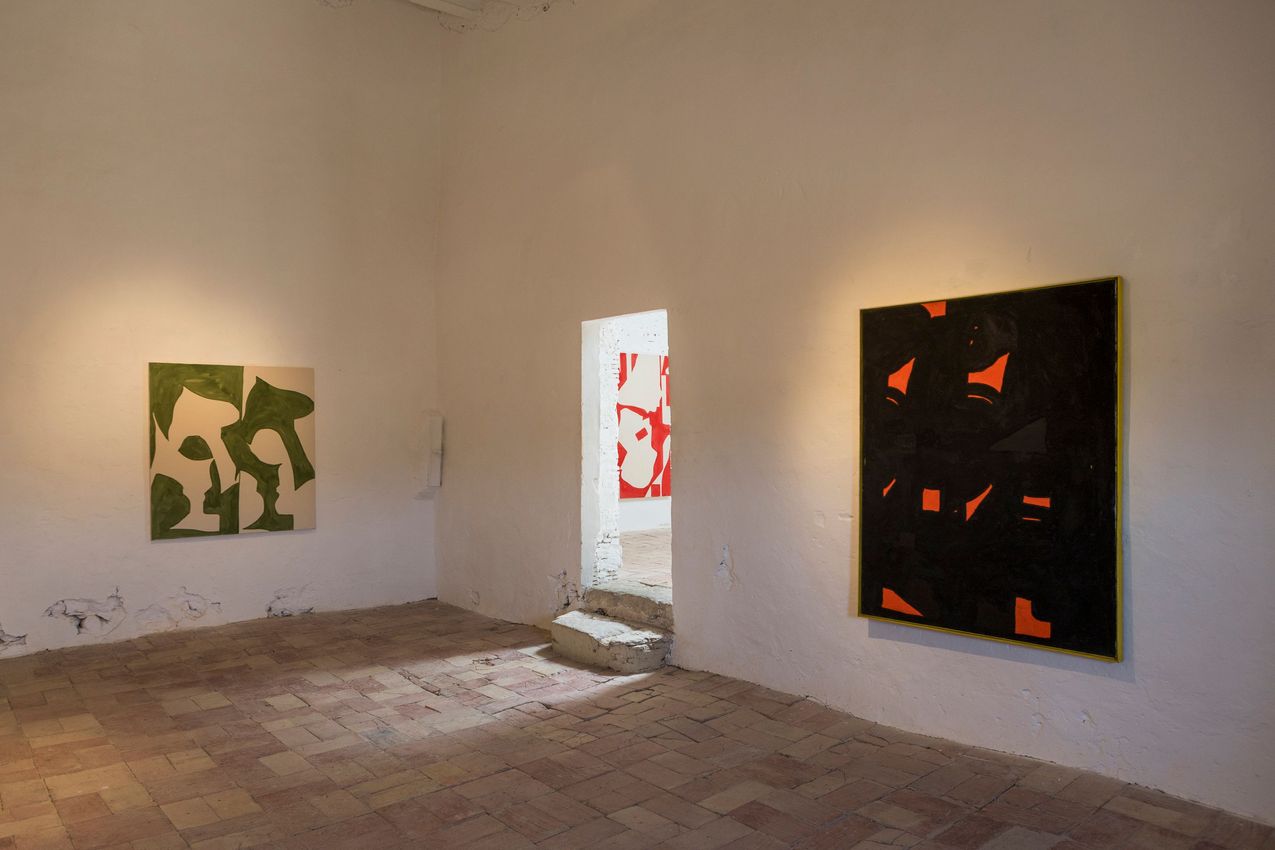
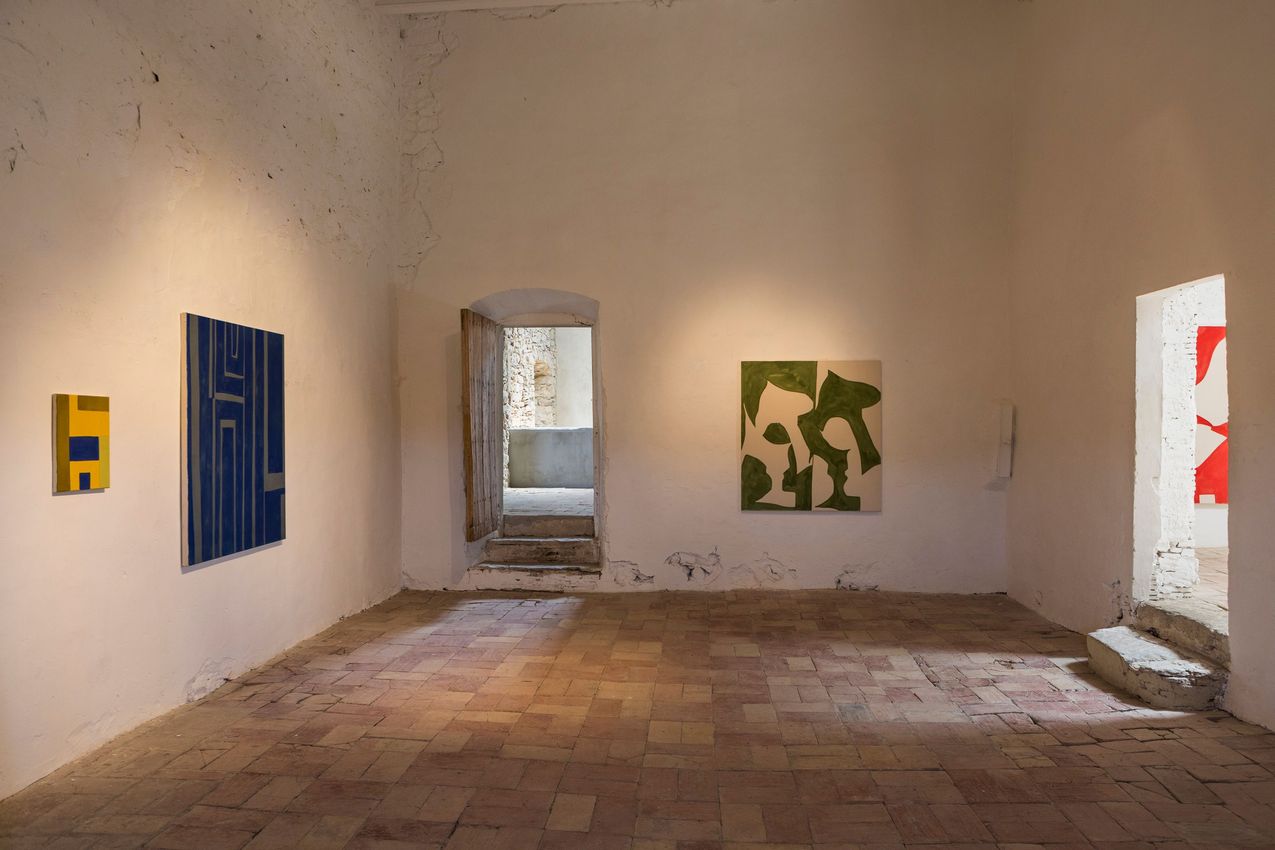
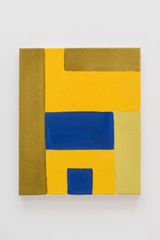
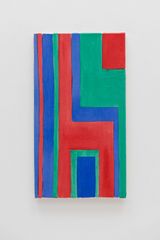
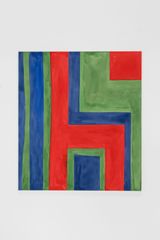
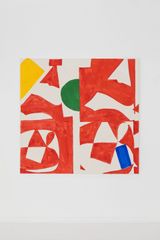
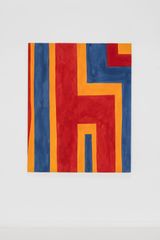
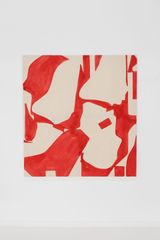
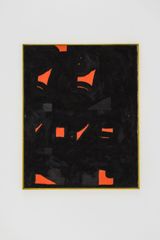
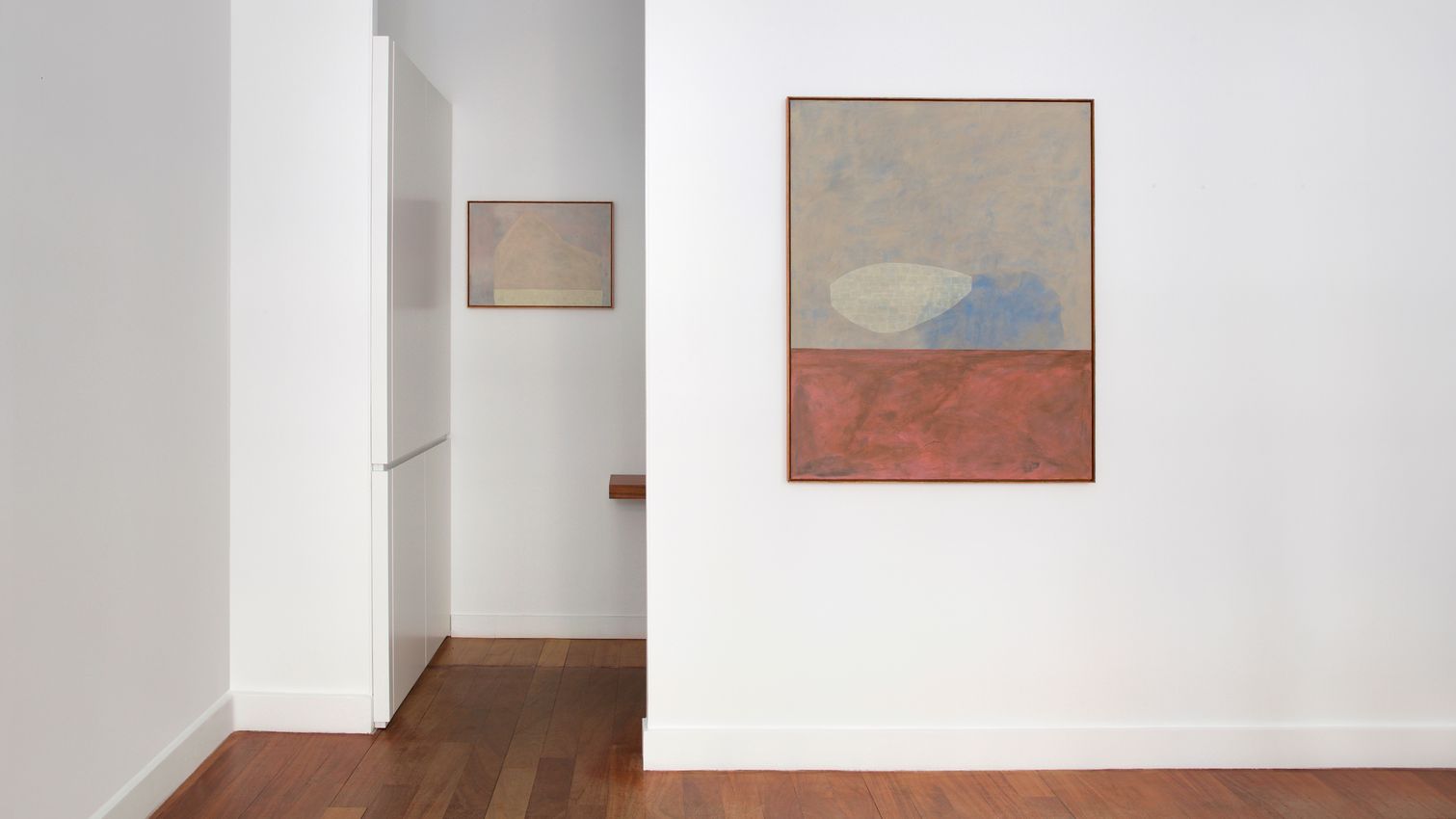
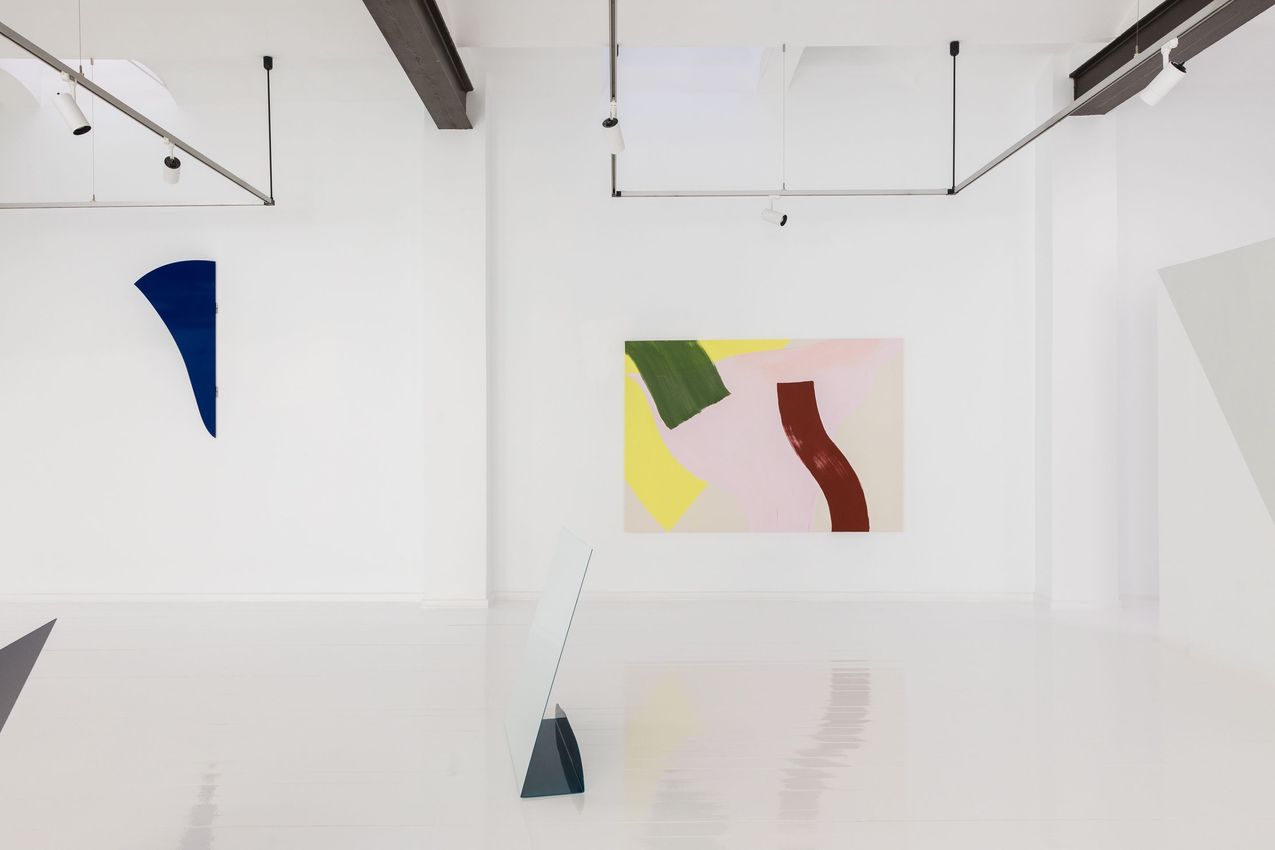
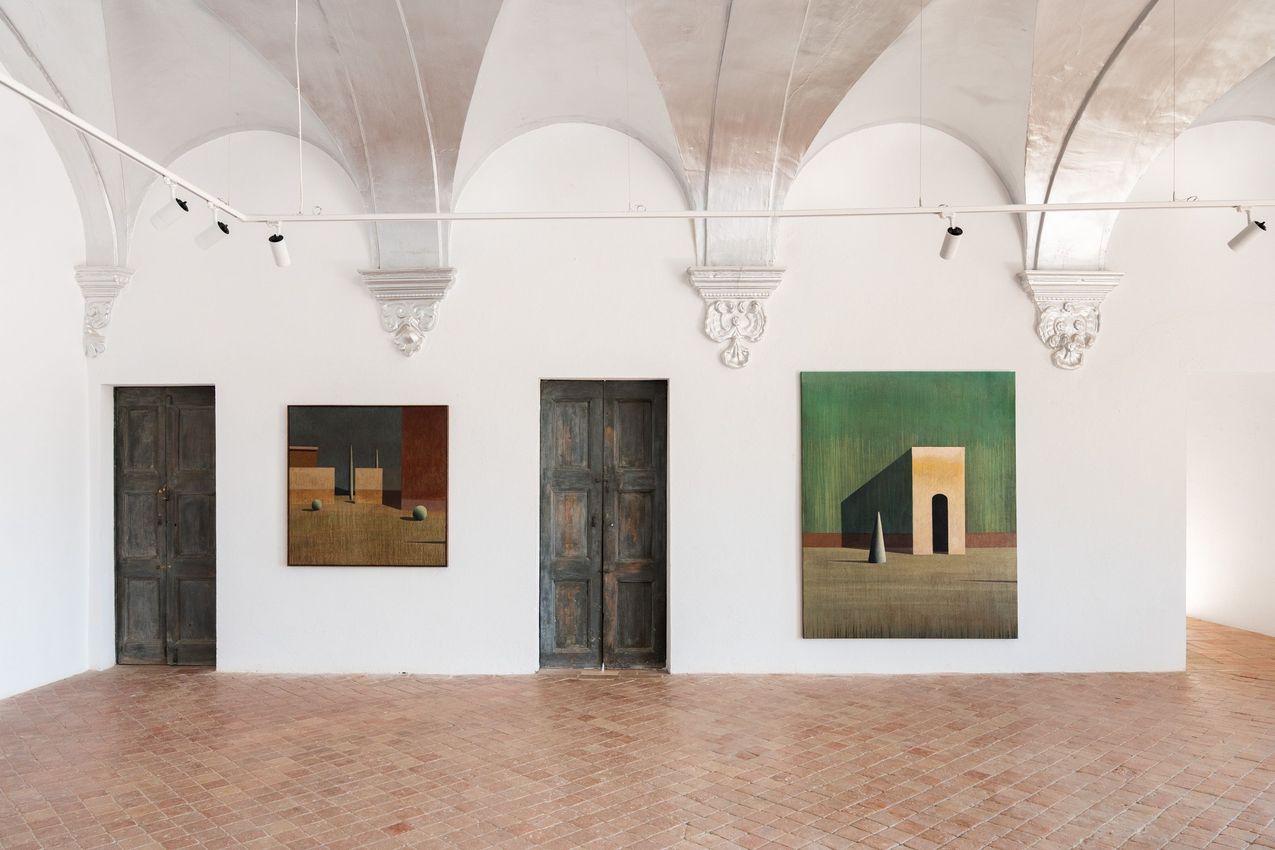
Alzueta Gallery presents Tisch und Stuhl, a solo exhibition by Wolfgang Voegele at Palau de Casavells, the gallery’s countryside venue, on view from June 21 to July 20.
The table and the chair are perhaps two of the most recognizable objects we can think of. Their straight, simple lines invite stillness and proper posture: a person seated at a table is entirely focused on the task in front of them, whether it is a family meal, an exam, or a half-sketched notebook. These are objects that embody basic, almost archaic qualities. They appear in every inhabited space, and one could say that they form the core items around which a room is arranged.
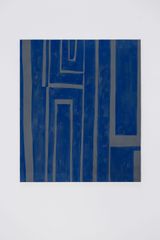
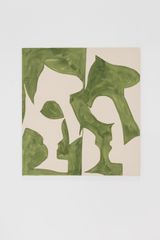
In this exhibition, however, table and chair do not refer to the physical objects we all know and have experienced. Instead, they point to the essence of these concepts: to the heart of the idea. Voegele’s work does not fully enter the realm of representation. The forms in his paintings may seem to suggest something familiar, yet they always resist being pinned down through imitation. Unlike Kosuth’s One and Three Chairs, which explores the relationship between object, image, and word, Voegele works from a place that precedes identification. In his case, form emerges as intuition: it feels familiar, but never quite settles into anything definite.
His artistic approach transcends the usual distinction between abstraction and figuration. Voegele’s practice exists in a space prior to any formal classification. It is that indeterminate moment when a line might suggest the beginning of a chair, but could just as easily evoke a structure, a gesture, or a memory. Rather than depicting specific objects, his paintings present interactions between lines and colours that hint at shared structures. To achieve this, he offers only a few clues. For instance, we might see a right angle connected to a horizontal surface that resembles a chair, only to find it transforming into a curve that breaks any link to recognisable reality.
The forms that Voegele paints arise from the subconscious, which is why they cannot be fully grasped. If reflected upon, their origin can sometimes be linked to the artist’s personal history, but often remains mysterious even to himself. For example, during the painting process, a connection may unexpectedly surface in the form of a childhood memory: an image or a sensation that appears as a kind of déjà vu. Other times, the meaning remains cryptic. In a way, his work can be seen as a tribute to the workings of memory. At certain moments, impressions from lived experience rise to the surface. However, they often disappear without warning, and we do not always know what triggered them or why. Like in a Proustian epiphany, the mystery of form and the trace of the object remain unresolved.
Similarly, the drawings that form the starting point for these paintings do not stem from any specific external source. Voegele allows whatever occupies him internally to enter the creative process: he lets his hand create the work while his mind observes. He produces many drawings, but only a few are eventually transferred to canvas. This is because the process of turning a drawing into a painting always involves a kind of failure. Yet it is within this failure that painting truly begins. At this point, the artist must listen to the work, respond to it, and intuitively refine the image.
Although abstract art is often associated with a closed, difficult modernity, it can also serve as an opening toward simplicity. It can bring us back to what is most essential and universally shared. Voegele sees abstraction not as a way of emptying forms of meaning, but as a method of concentrating and intensifying it. He wants his work to feel close to the viewer, which is why he turns to the basic forms of the table and the chair. These objects activate memory in a universal way. They evoke fleeting impressions that we cannot fully identify, and perhaps do not need to.
Wolfgang Voegele’s artistic practice is rooted in a continuous dialogue between intuition and structure, where reductive forms, mirrored gestures, and visual balance serve as the language of his expression. His work strips painting down to its bare essentials, emphasizing gesture, rhythm, and silence through a vocabulary of geometric symbols and forms that appear both ancient and invented. Influenced by childhood experiences in the Black Forest and early encounters with conceptual art, Voegele creates compositions that resist fixed meaning, offering instead an open, shifting space. His process is deeply personal and improvisational, often beginning with a spontaneous sketch or gesture that unfolds into a layered painting. Despite the apparent simplicity of his forms, there is a profound sense of questioning at the heart of his work: what a mark means, where it comes from, and what is left unspoken.


A respected voice in contemporary art discourse.
Focusing on ambitious storytelling and insightful art-world commentary. Ocula Magazine publishes in-depth interviews, critical essays and timely analysis on the artists, exhibitions and ideas driving the global art world.
Learn more about Ocula Magazine
Showcasing the best of the art world.
Ocula partners with galleries from around the world to highlight their artists, artworks and exhibitions. Gallery membership is by application and invitation, with each member vetted by an independent panel.
Learn more about Ocula Membership

Specialises in the sale of major artworks.
Led by a team with deep ties to the world’s leading auction houses, galleries and collectors. Ocula’s advisory team offers bespoke services to high-net-worth clients from around the world who are looking to acquire the best of contemporary and modern art.
Learn more about our team and services