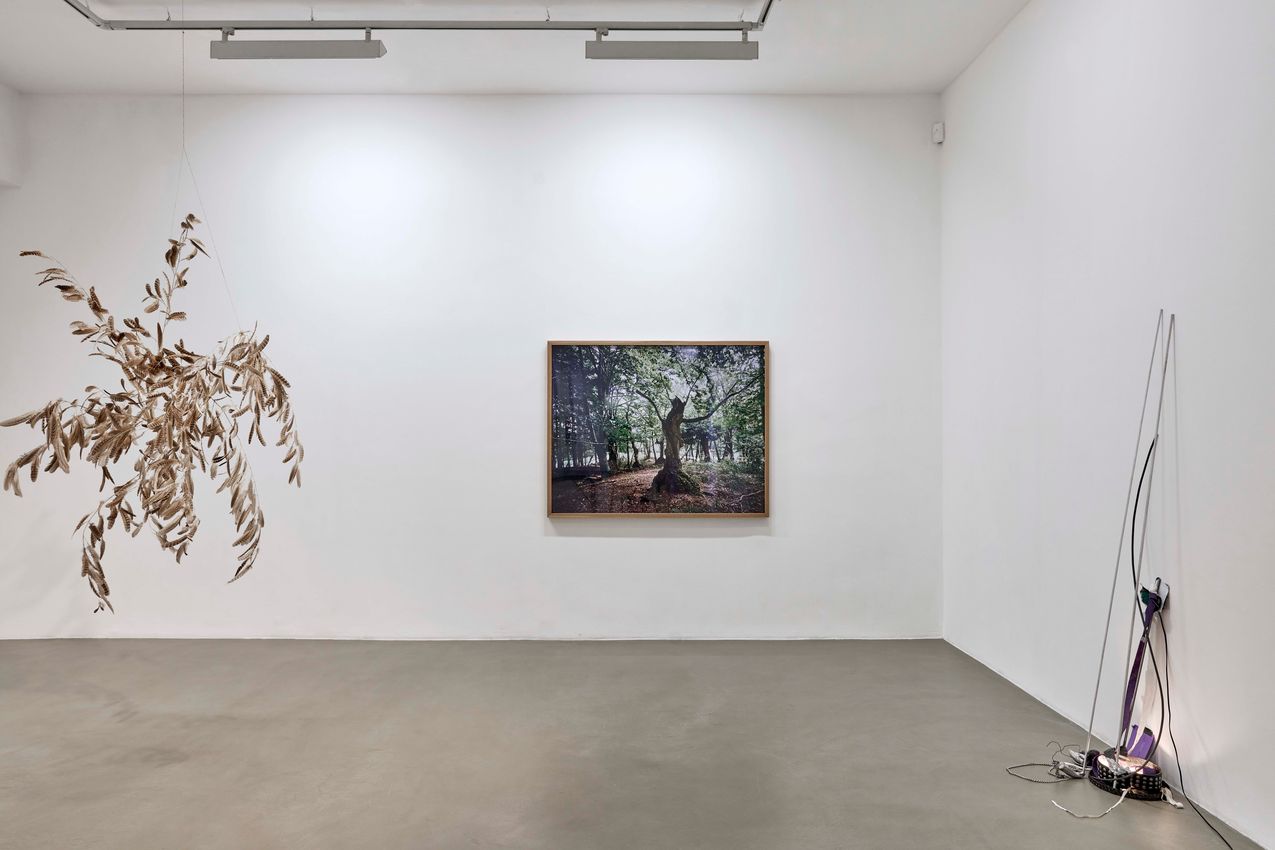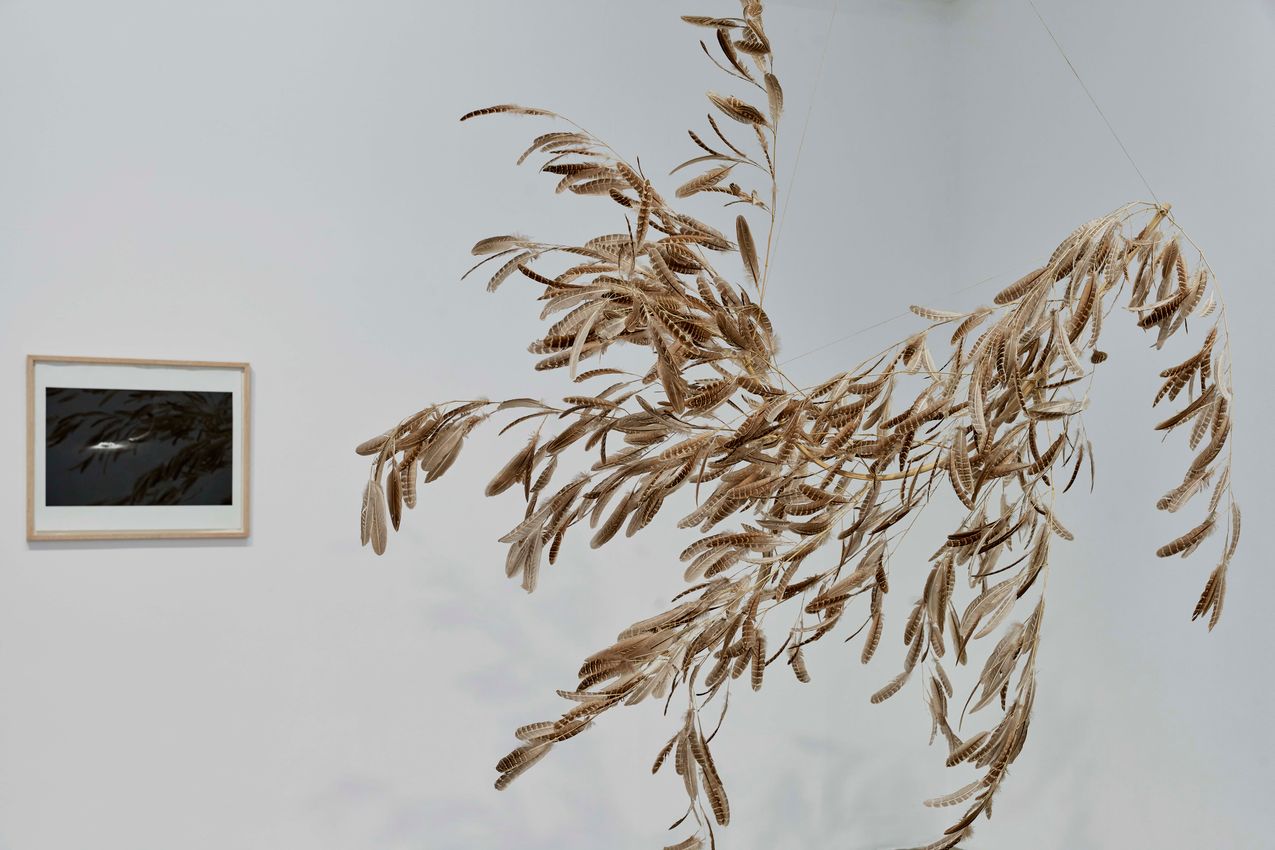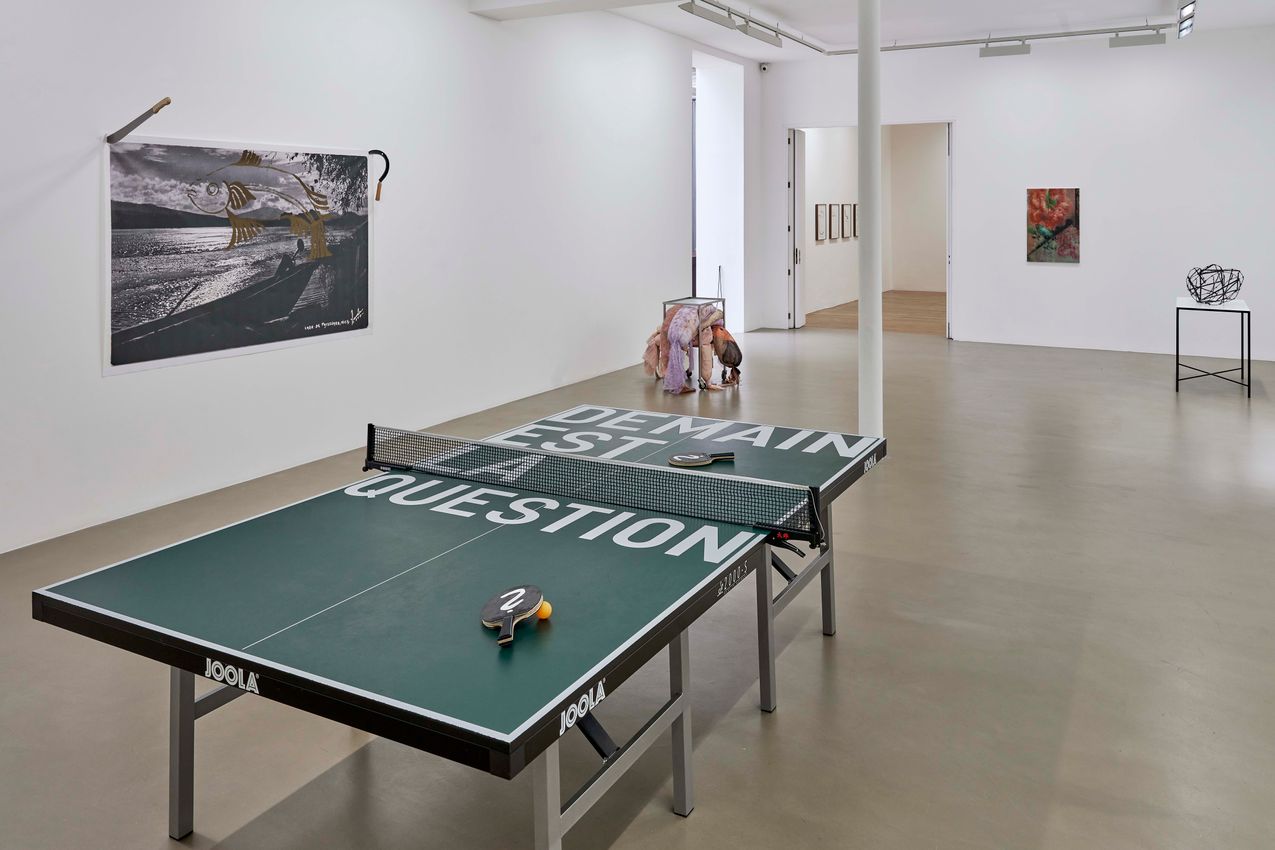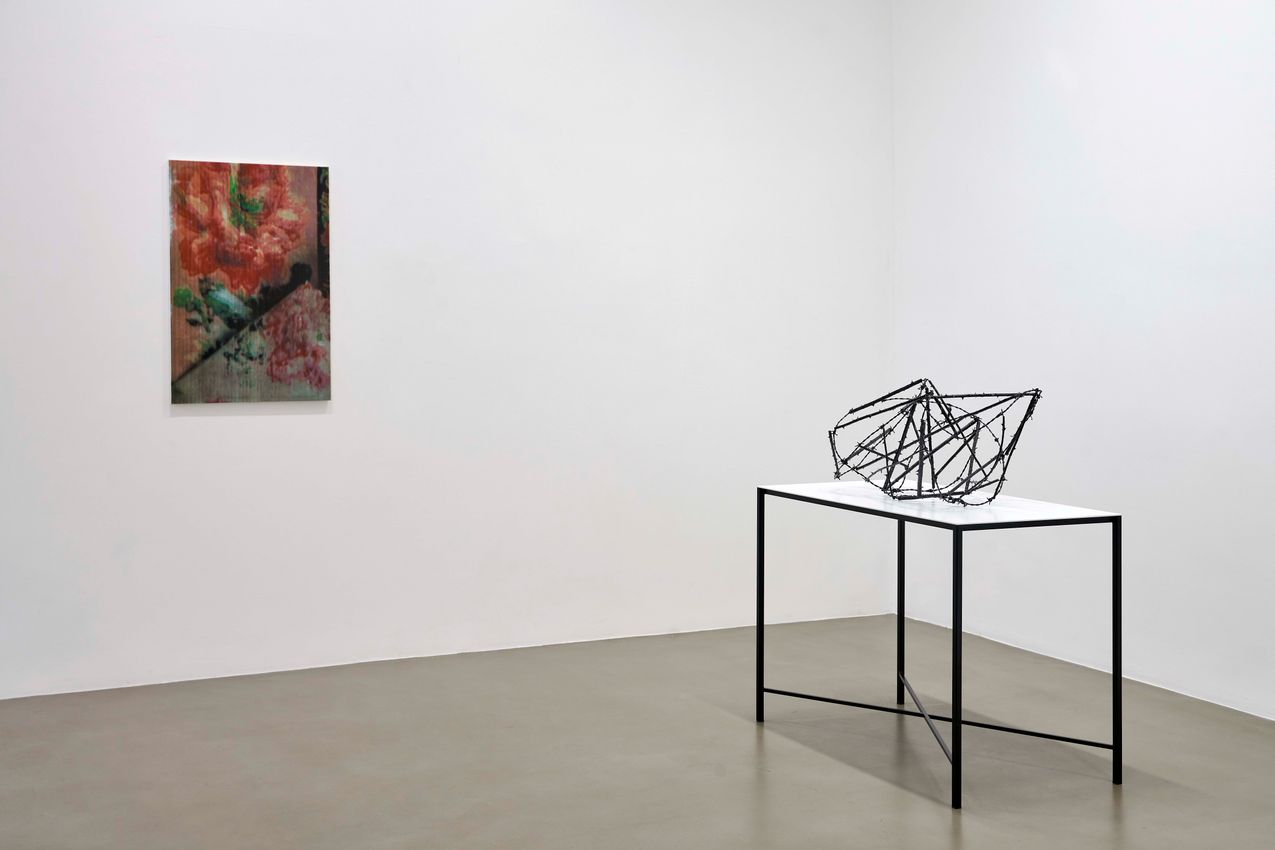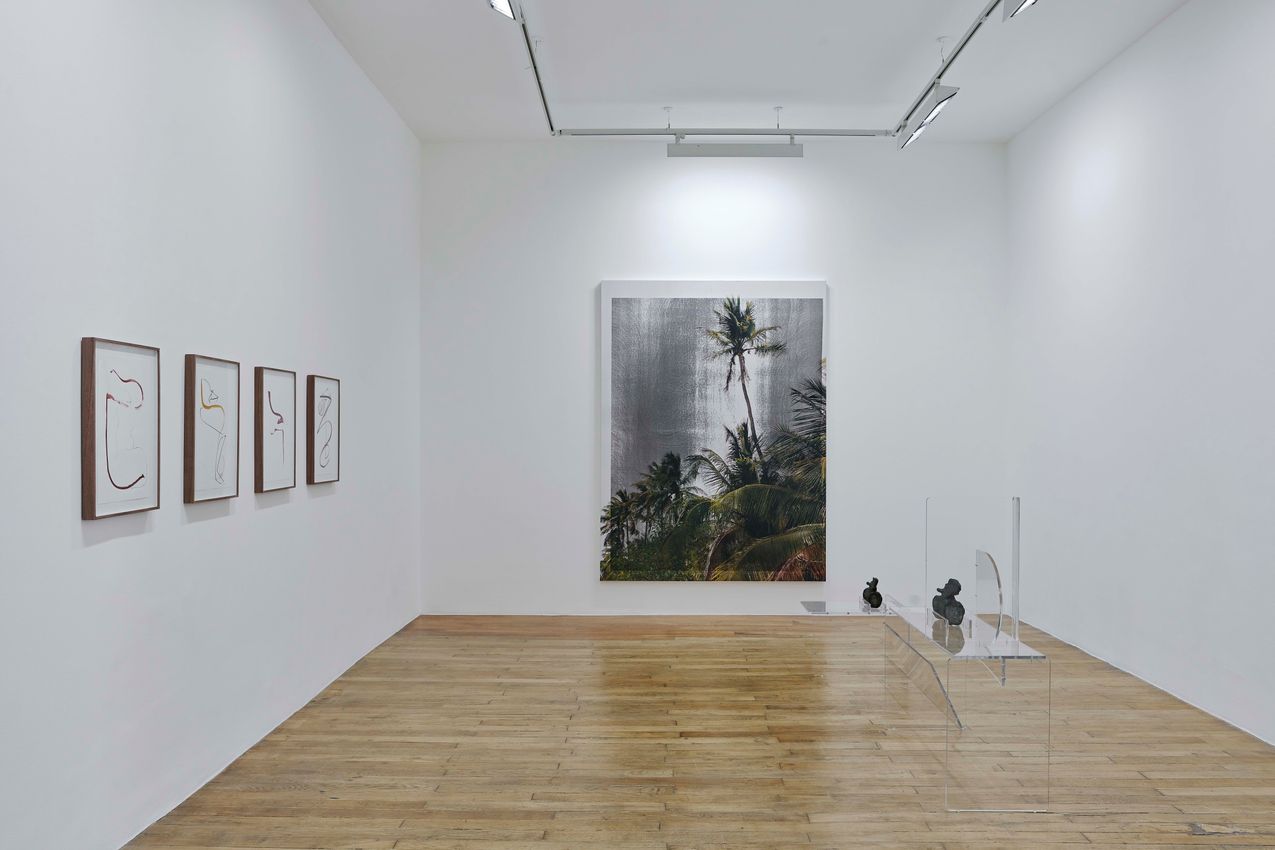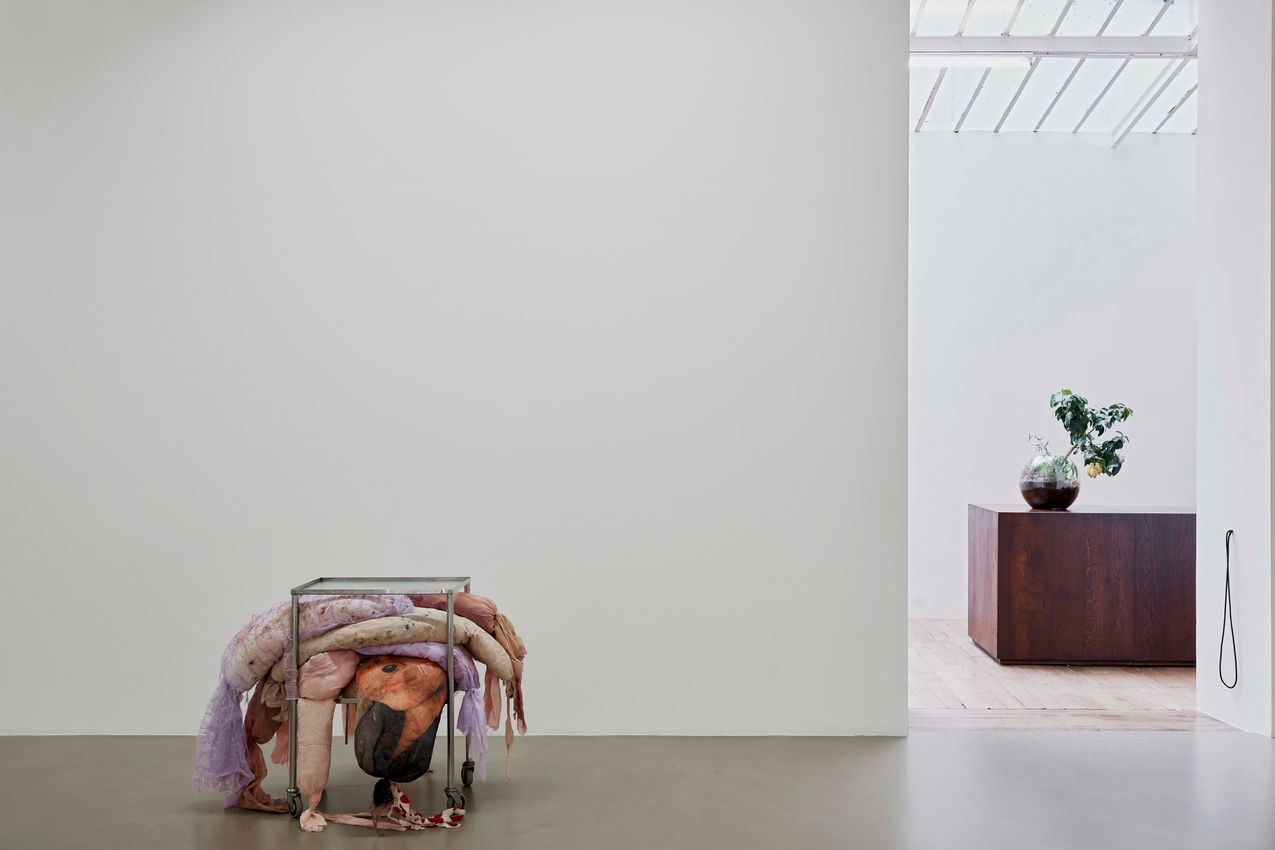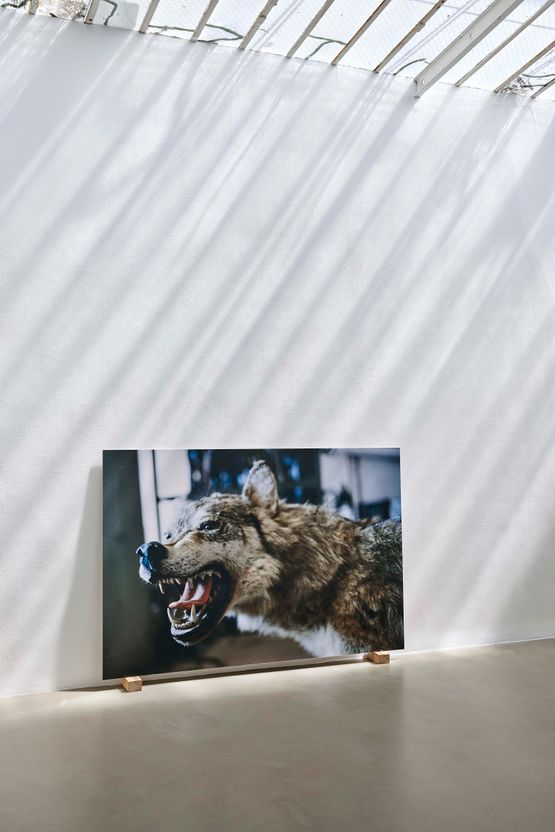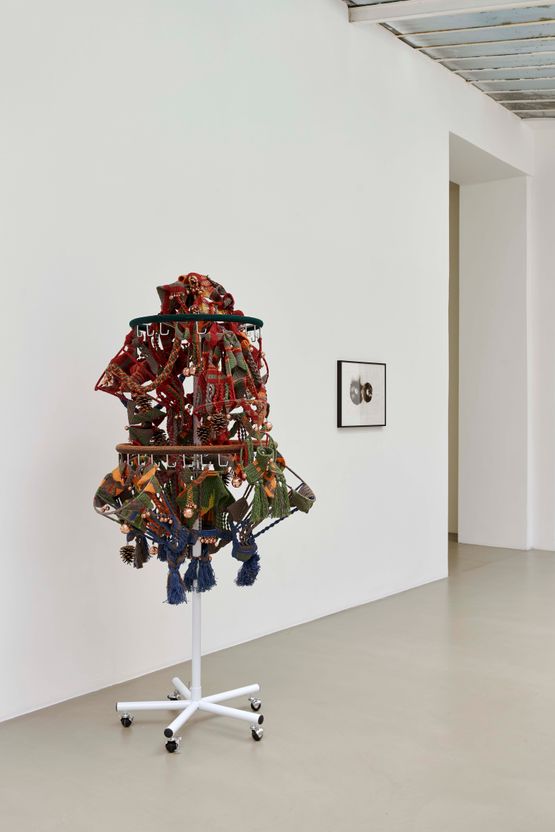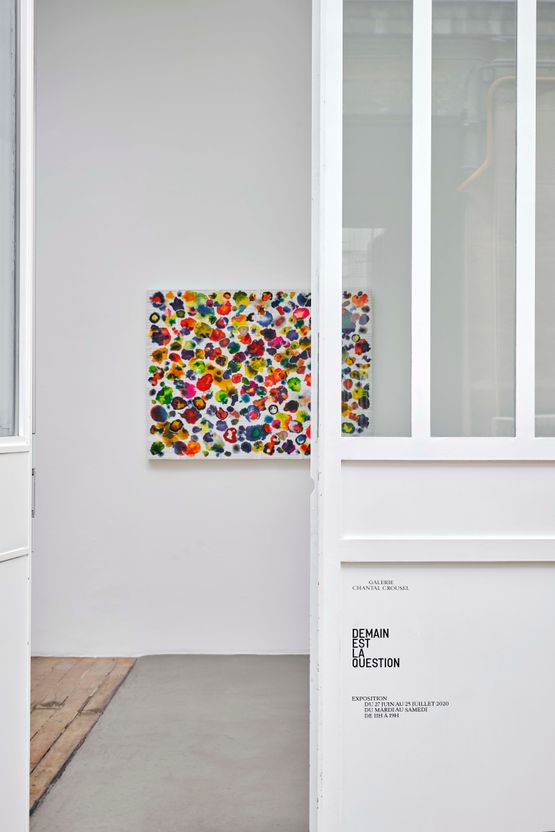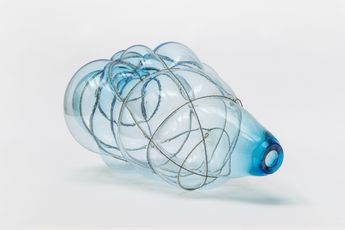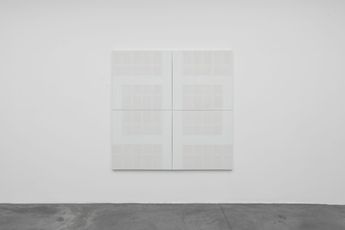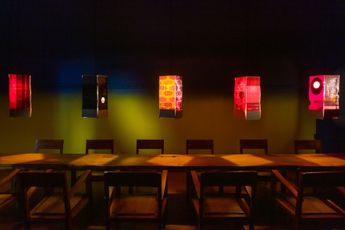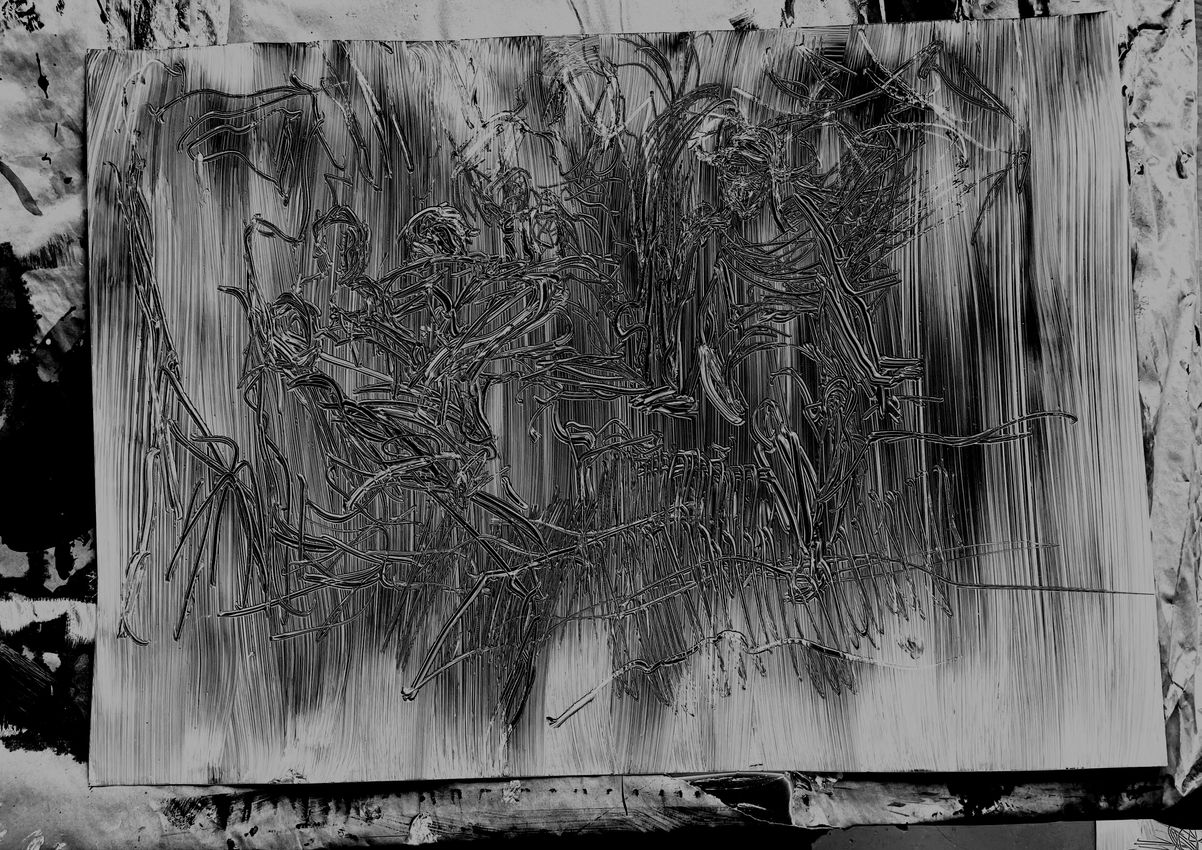
In the short essay entitled The Carrier Bag Theory of Fiction, feminist author Ursula K. Le Guin tells the story of human origin, from the Paleolithic and Neolithic time periods. Strongly influenced by anthropology, she developed a speculative fiction gender in her work as a writer and focuses primarily on social and political themes, but also on the entanglement of fiction with knowledge and on the role of men and women within the reign of the living and the Anthropocene.
‘In the temperate and tropical regions where it appears that hominids evolved into human beings, the principal food of the species was vegetable. Sixty-five to eighty percent of what human beings ate in those regions in Paleolithic, Neolithic, and prehistoric times was gathered; only in the extreme Arctic was meat the staple food. The mammoth hunters spectacularly occupy the cave wall and the mind, but what we actually did to stay alive and fat was gather seeds, roots, sprouts, shoots, leaves, nuts, berries, fruits, and grains, adding bugs and mollusks and netting or snaring birds, fish, rats, rabbits, and other tuskless small fry to up the protein. And we didn’t even work hard at it—much less hard than peasants slaving in somebody else’s field after agriculture was invented, much less hard than paid workers since civilisation was invented. The average prehistoric person could make a nice living in about a fifteen-hour work week.
Fifteen hours a week for subsistence leaves a lot of time for other things. So much time that maybe the restless ones who didn’t have a baby around to enliven their life, or skill in making or cooking or singing, or very interesting thoughts to think, decided to slope off and hunt mammoths. The skilful hunters then would come staggering back with a load of meat, a lot of ivory, and astory. It wasn’t the meat that made the difference. It was the story.’
—Ursula K. Le Guin
1 ‘The Carrier Bag Theory of Fiction’ (1986). Source: Dancing at the Edge of the World; Transcribed: by Cody Jones.


Located on rue Charlot in the 3rd arrondissement in Paris, Galerie Chantal Crousel presents a selection of artists highly diverse in their national and cultural origins and mediums who together contribute to a universal visual language.

A respected voice in contemporary art discourse.
Focusing on ambitious storytelling and insightful art-world commentary. Ocula Magazine publishes in-depth interviews, critical essays and timely analysis on the artists, exhibitions and ideas driving the global art world.
Learn more about Ocula Magazine
Showcasing the best of the art world.
Ocula partners with galleries from around the world to highlight their artists, artworks and exhibitions. Gallery membership is by application and invitation, with each member vetted by an independent panel.
Learn more about Ocula Membership

Specialises in the sale of major artworks.
Led by a team with deep ties to the world’s leading auction houses, galleries and collectors. Ocula’s advisory team offers bespoke services to high-net-worth clients from around the world who are looking to acquire the best of contemporary and modern art.
Learn more about our team and services