Press Release

Opening on 26 August 2025, The 13th Seoul Mediacity Biennale Séance: Technology of the Spirit begins with a question: what role has spiritual experience played in the development of modern and contemporary art?

Over the past decade, it has been impossible to ignore the number of artists turning for inspiration to alternative forms of knowledge. The mystic, visionary, or arcane—often as enshrined in suppressed cultural traditions—has come to occupy a central place in the artistic discourse. This renewed interest in spiritual practice seems to us to respond to a broader crisis in how we make sense of the world.

Seoul—a city shaped as much by its rich spiritual traditions as modernity—offers the ideal platform for an investigation into the social, political, and historic contexts for this cultural shift. Not only to showcase the relevant works being made today, but to situate them within a tradition dating back to the nineteenth century.

To that end, we start with the explosion of popular interest in spiritual practice that played a formative role in the birth of modern art, and that links those unsettled times to our own. One expression of that spiritual revolution was the proliferation of séances, literally “sittings” in which mediums connected their audience to the spirit realm.

In the following decades, rituals as varied as cinema screenings, psychoanalytic sessions, and experimental theatrical performances also came to be referred to by this term. And so we adopted the séance as metaphor and model for the exhibition: a mediated experience by which to access worlds beyond the everyday.

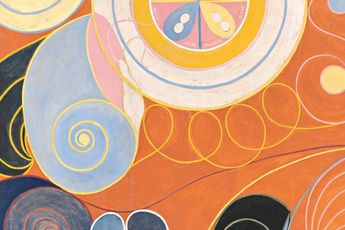
Amidst the disorienting transformations of the present day, artists are rediscovering these buried traditions. Mystics such as Helena Blavatsky, Annie Besant, Georgiana Houghton, and Hilma af Klint emerge as prophetic figures in the secret histories of abstract art. Onisaburō Deguchi’s ceramics function not as art objects for our disinterested aesthetic contemplation so much as condensed spiritual transmissions.

Emma Kunzand Joseph Beuys proposed art as a vehicle for healing and the restoration of balance. Nam June Paik, through his integration of shamanistic ritual and contemporary media, showed that traditional cosmologies are not opposed to technological advancement, but can reframe its purpose. Indeed, art itself is presented as a means of accessing worlds beyond conventional human experience and attuning ourselves to them: we call this a “technology of the spirit.”

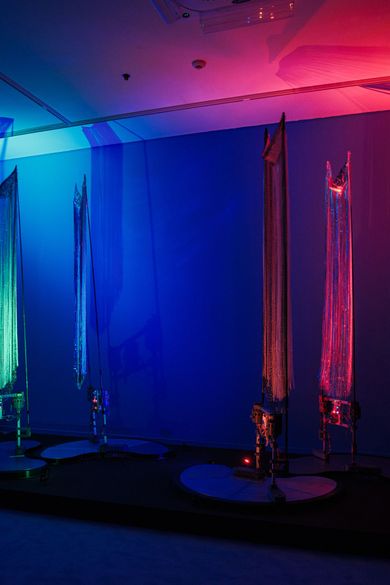
Our exhibition connects these emancipatory practices to anticolonial, feminist, ecological, and anti-capitalist movements in the present. Seung-taek Lee’s celebrated Reenactment of the Burning Performance (1989/2025) expands the spiritual possibilities of art by liberating it from material support, an impulse that finds new expression in the work of artists including Wing Po So and Zai Nomura. A renewed awareness that modernity’s separation of the mind from the body is damaging to ourselves and the planet is apparent in work as different as the watercolors of Suzanne Treister, the films and performances of Jane Jin Kaisen, and the “healing instruments” of I Ching Systems and Artworks.

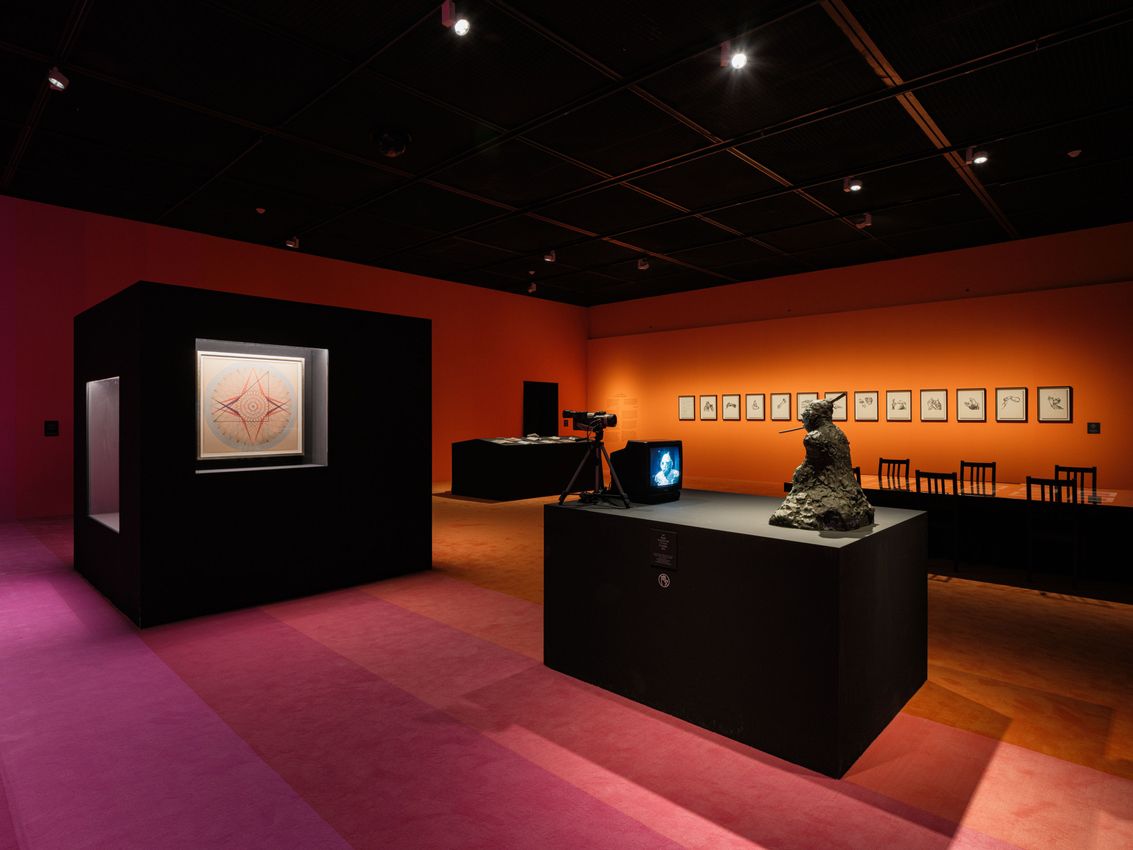
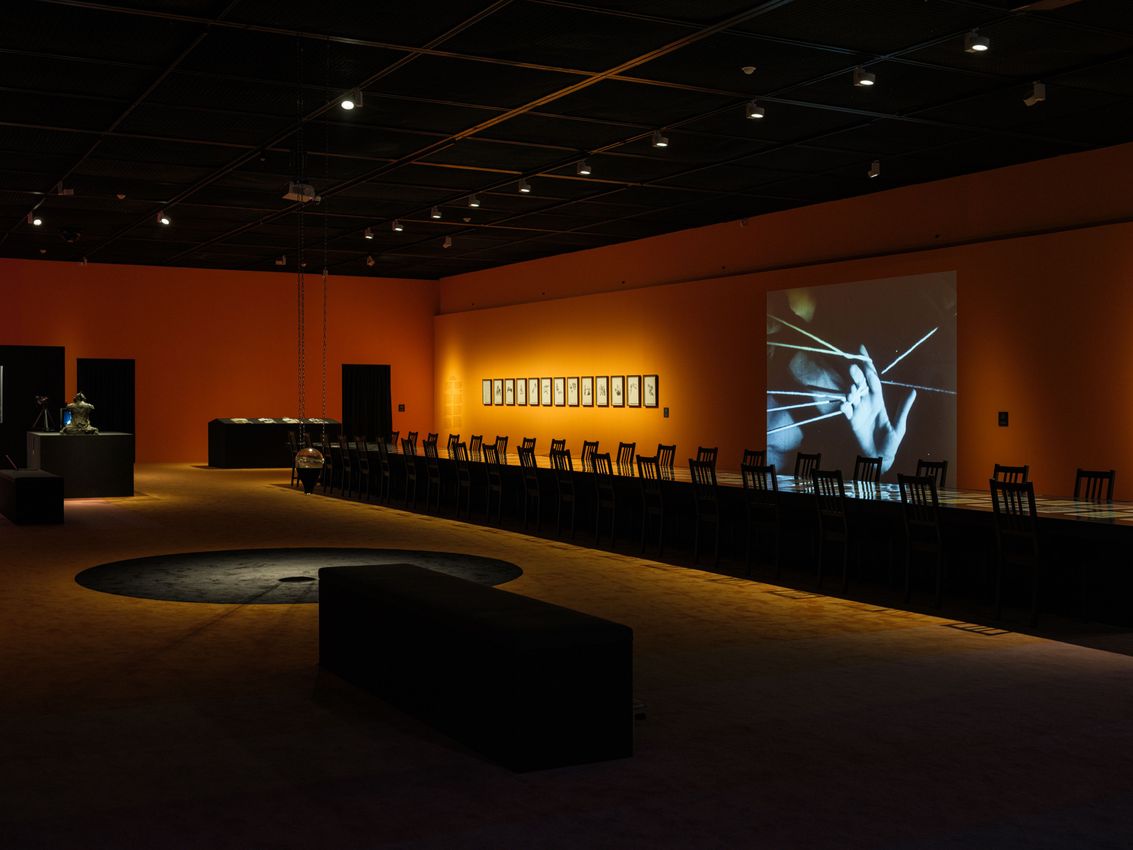
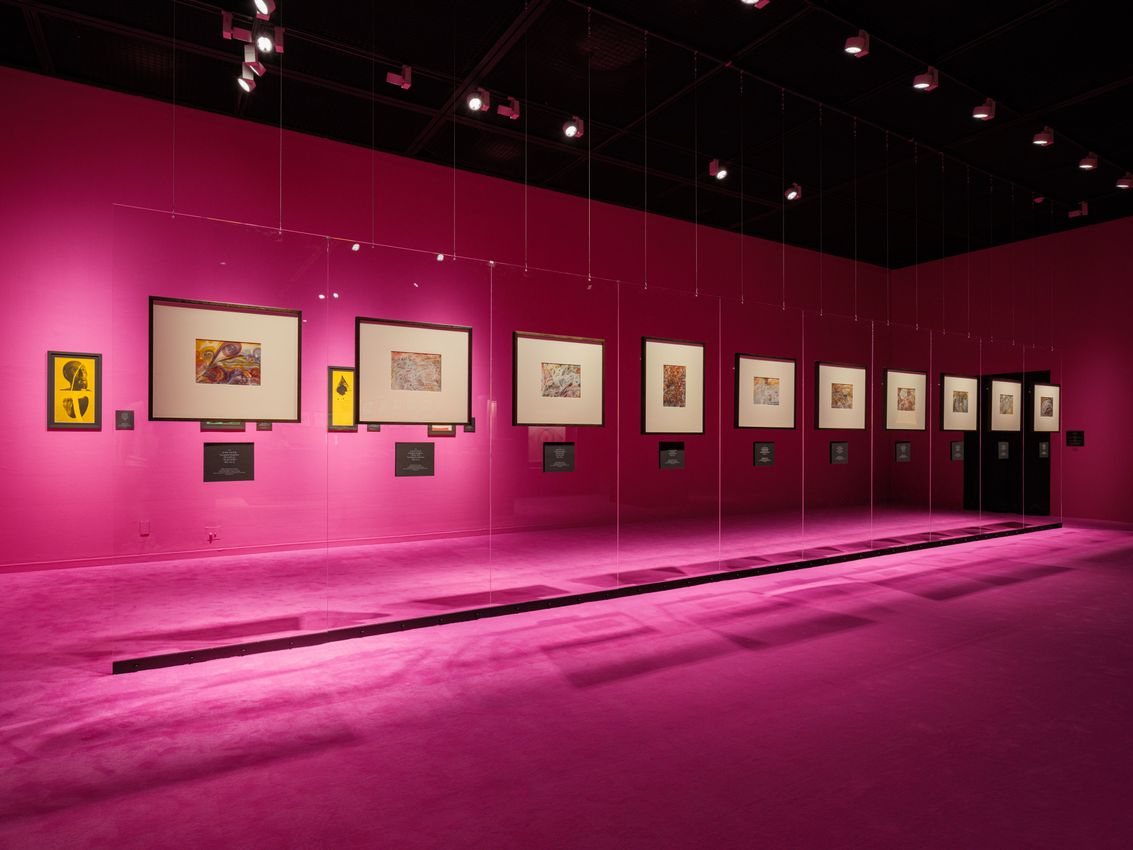
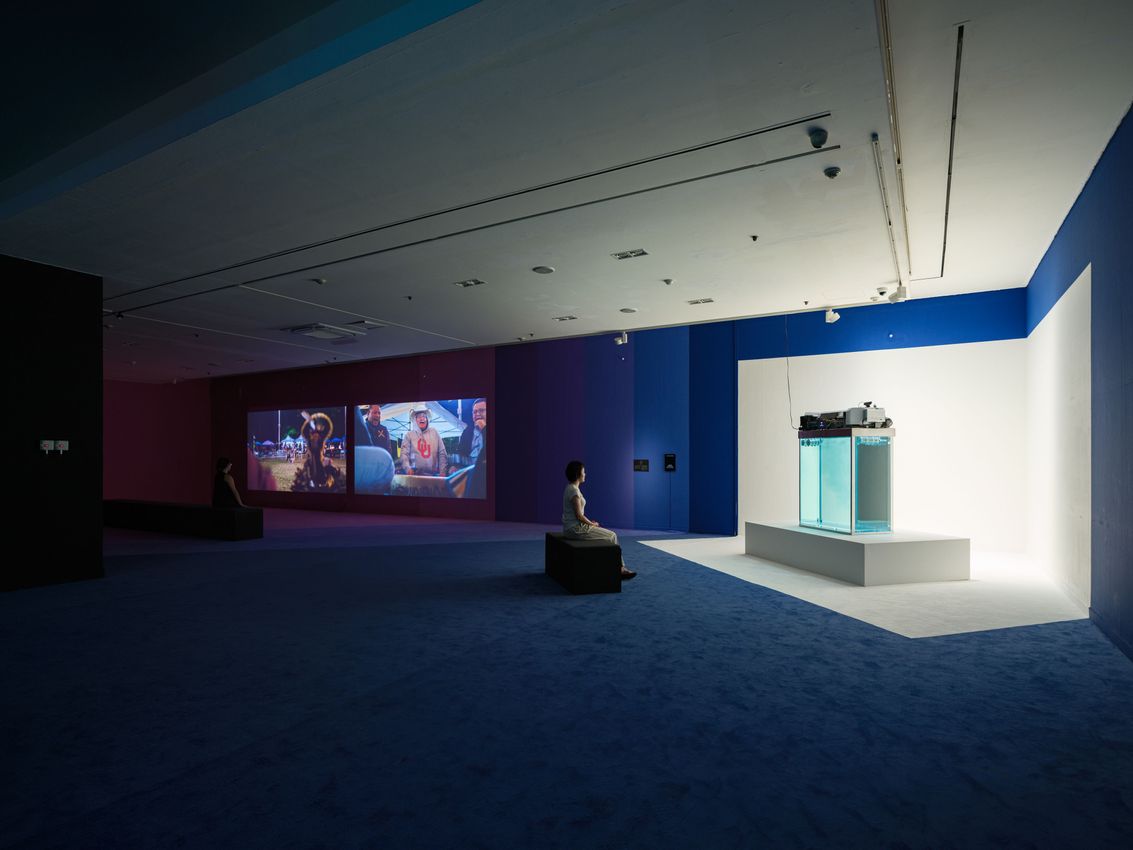
New commissions by Hiwa K, Anocha Suwichakornpong, and Kivu Ruhorahoza and Christian Nyampeta reflect on the persistence of the past into the present and protest the suppression of historical narratives that are inconvenient to the dominant power of the day. In these works, as throughout an exhibition which is structured by overlapping chromatic zones, is a rejection of the idea that art can exist in any perfectly “neutral” or “universal” space and a commitment to the principle that reality is to some degree constructed and contextual. That this world is more various than any one system of knowledge can account for; that this world contains many worlds.

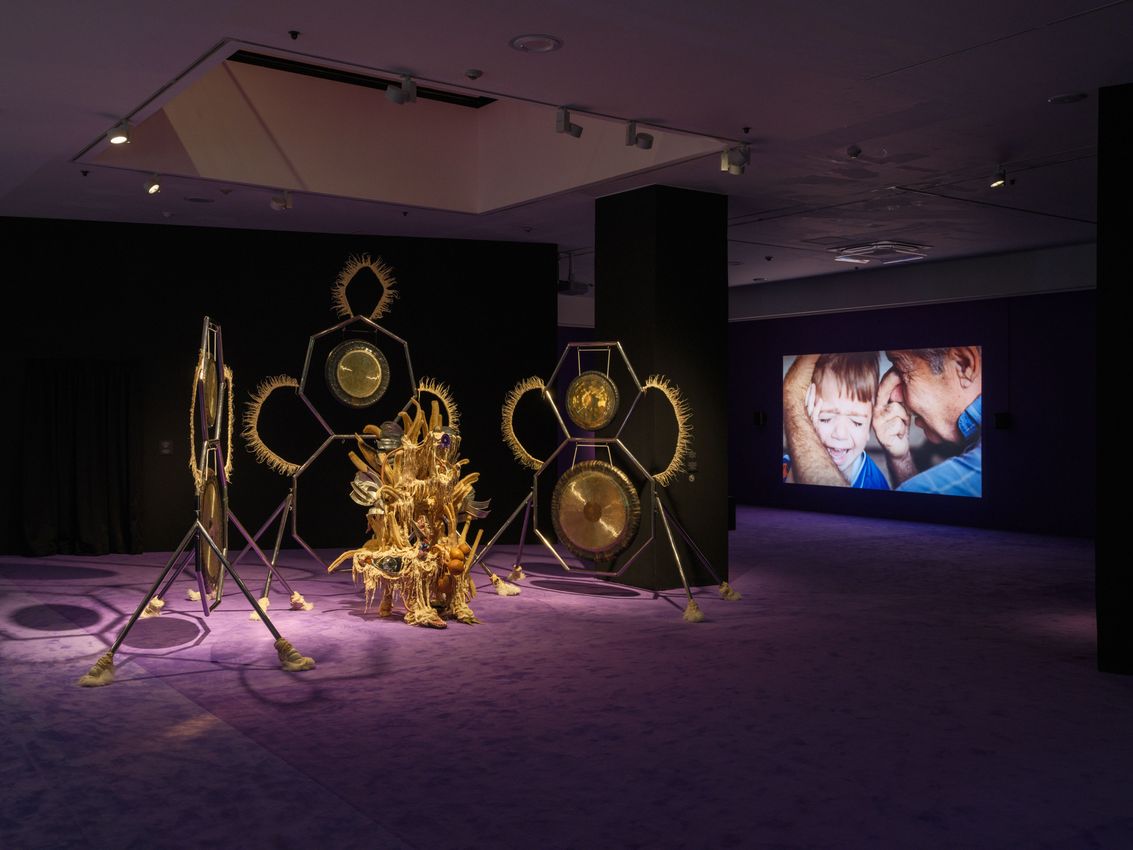
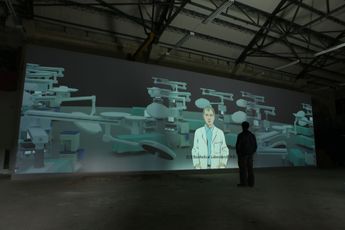
This is reflected in the exhibition’s commitment to forms of art that are invisible or immaterial. An extensive cinema program at Cinematheque Seoul Art Cinema, running for the duration of the Biennale, sets out the capacity of moving image to unsettle the boundaries between image and reality and to mediate between the living and the dead. A dedicated Sound Room at the NAKWON SANGGA uses sound and experimental music to move the listener out of themselves, while a performance by ORTA (Alexandra Morozova and Rustem Begenov) harnesses the unseen and ephemeral power of creativity as a means of processing historical trauma.

This is a space for spiritual encounter, for perceptual expansion, for dreamlike communion. A space for exceptional works of art to speak, summon, and transform.

FULL LIST OF ARTISTS

Main Exhibition (50 artists/collective)

Aki Onda, Amit Dutta, Angela Su, Annie Besant and C.W. Leadbeater, Anocha Suwichakornpong, Anri Sala, Byungjun Kwon, Colectivo Los Ingrávidos, Corita Kent, Emma Kunz, Ernest A. Bryant III, Georgiana Houghton, Guadalupe Maravilla, Haroon Mirza, Hilma af Klint, Hiwa K, Hsu Chia-Wei, Hyung-Min Yoon, I Ching Systems and Artworks, Jane Jin Kaisen, Joachim Koester, Johanna Hedva, Jordan Belson, Joseph Beuys, Kara Ditte Hansen, Karrabing Film Collective, Kivu Ruhorahoza and Christian Nyampeta, Kray Chen, Laura Huertas Millán, Lucile Olympe Haute, Manuel Mathieu, Maya Deren, Mike Kelley, Minjeong An, Mohamed Gaber, Nam June Paik, Onisaburō Deguchi, ORTA (Alexandra Morozova and Rustem Begenov), Park Chan-kyong, Rafael Queneditt Morales, Rudolf Steiner, Seung-taek Lee, Shana Moulton, Sky Hopinka, Suzanne Treister, Tamar Guimarães and Kasper Akhøj, Violette e a, Wing Po So, Yin-Ju Chen, Zai Nomura

Sound Room (16 artists/collective)

Areum Lee, Aki Onda, Annea Lockwood and Ruth Anderson, Antonina Nowacka, Breyer P-Orridge, Carl Michael Von Hausswolff, Jerry Hunt, Jocy de Oliviera, Jung Hee Choi, La Monte Young, Laurie Spiegel, Li Chin Sung (Dickson Dee), Matana Roberts, Meredith Young-Sowers, Walter Smetak, Yara Mekawei

Cinematheque Seoul Art Cinema (21 artists)

Abbas Kiarostami, Alice Rohrwacher, Apichatpong Weerasethakul, Camilo Restrepo, Caroline Déodat, Go Takamine, Jean-Luc Godard, Ken McMullen, Lee Jang-ho, Luis Buñuel, Marcel Camus, Mati Diop, Maya Deren, Naomi Kawase, Nina Menkes, Pedro Costa, Pier Paolo Pasolini, Raúl Ruiz, Roberto Rossellini, Souleymane Cissé, Trinh T. Minh-ha

SMB13 X Frieze Film Seoul 2025 (12 artists/collective)

Amit Dutta, Angela Su, Anocha Suwichakornpong, Colectivo Los Ingrávidos, Hsu Chia-Wei, Jane Jin Kaisen, Joachim Koester, Karrabing Film Collective, Laura Huertas Millán, Sky Hopinka, Tamar Guimarães and Kasper Akhøj, Zheng Yuan.

Seoul Artists’ Platform_New&Young

ORTA (Alexandra Morozova and Rustem Begenov)

Read More

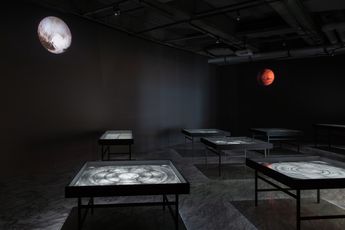
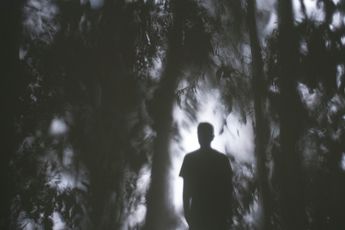
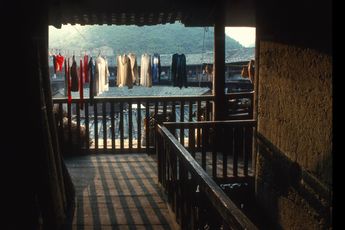
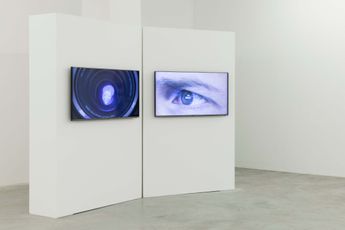
Installation Views

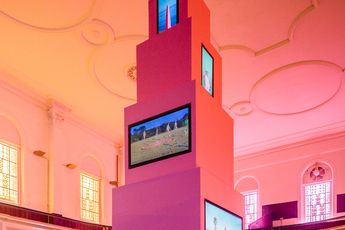
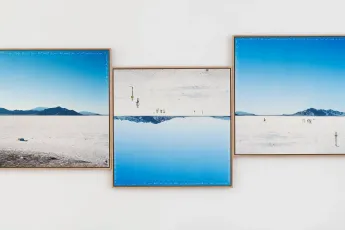
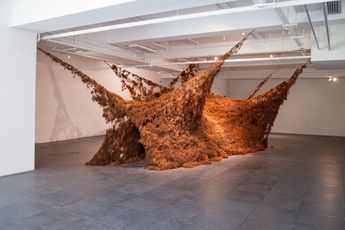
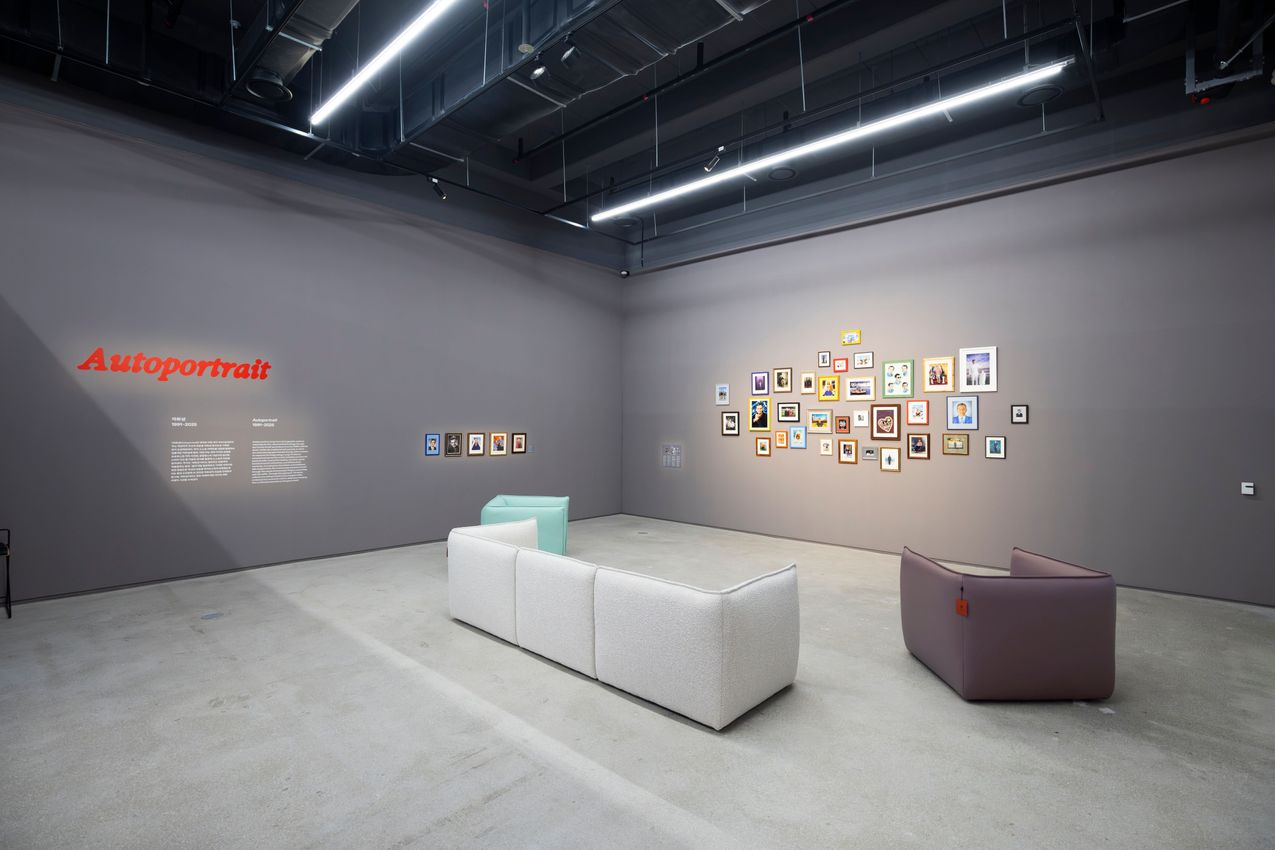
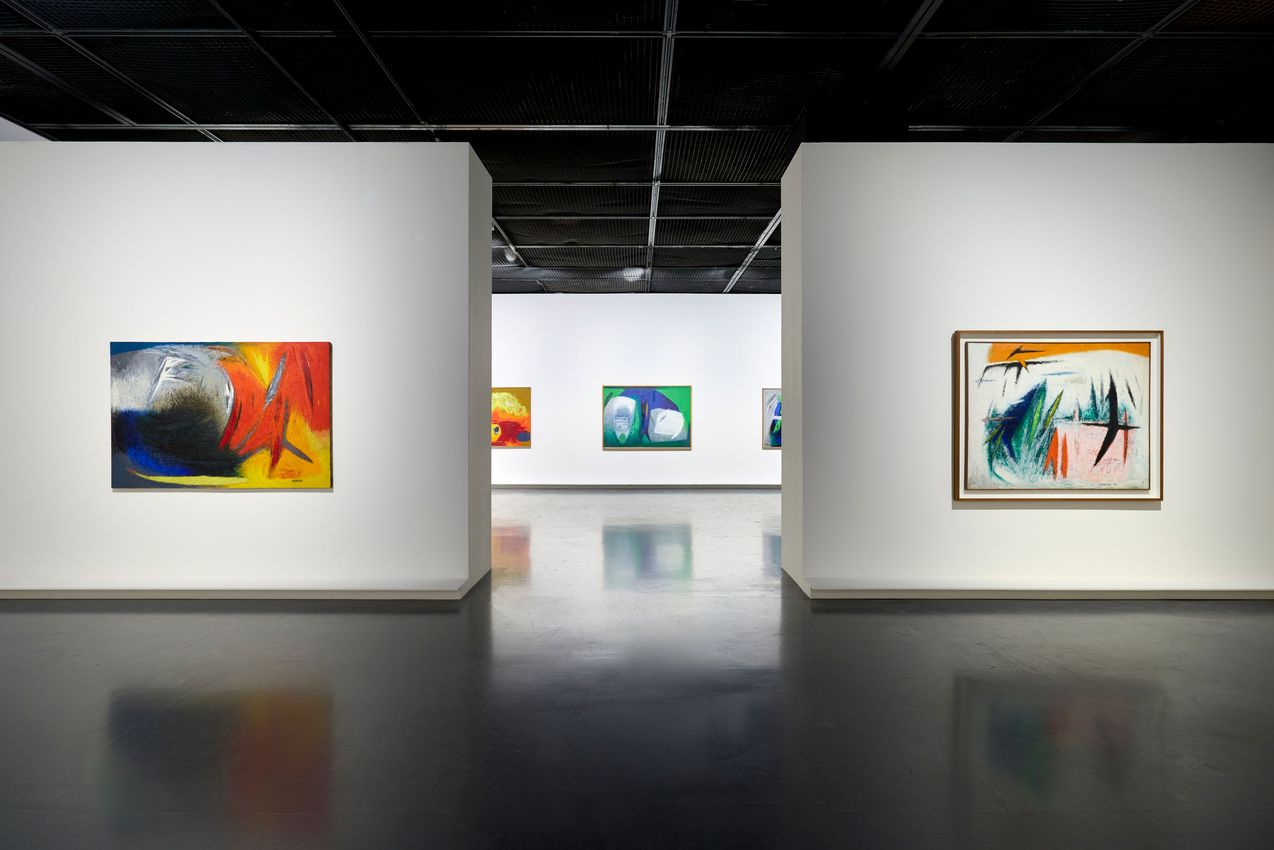
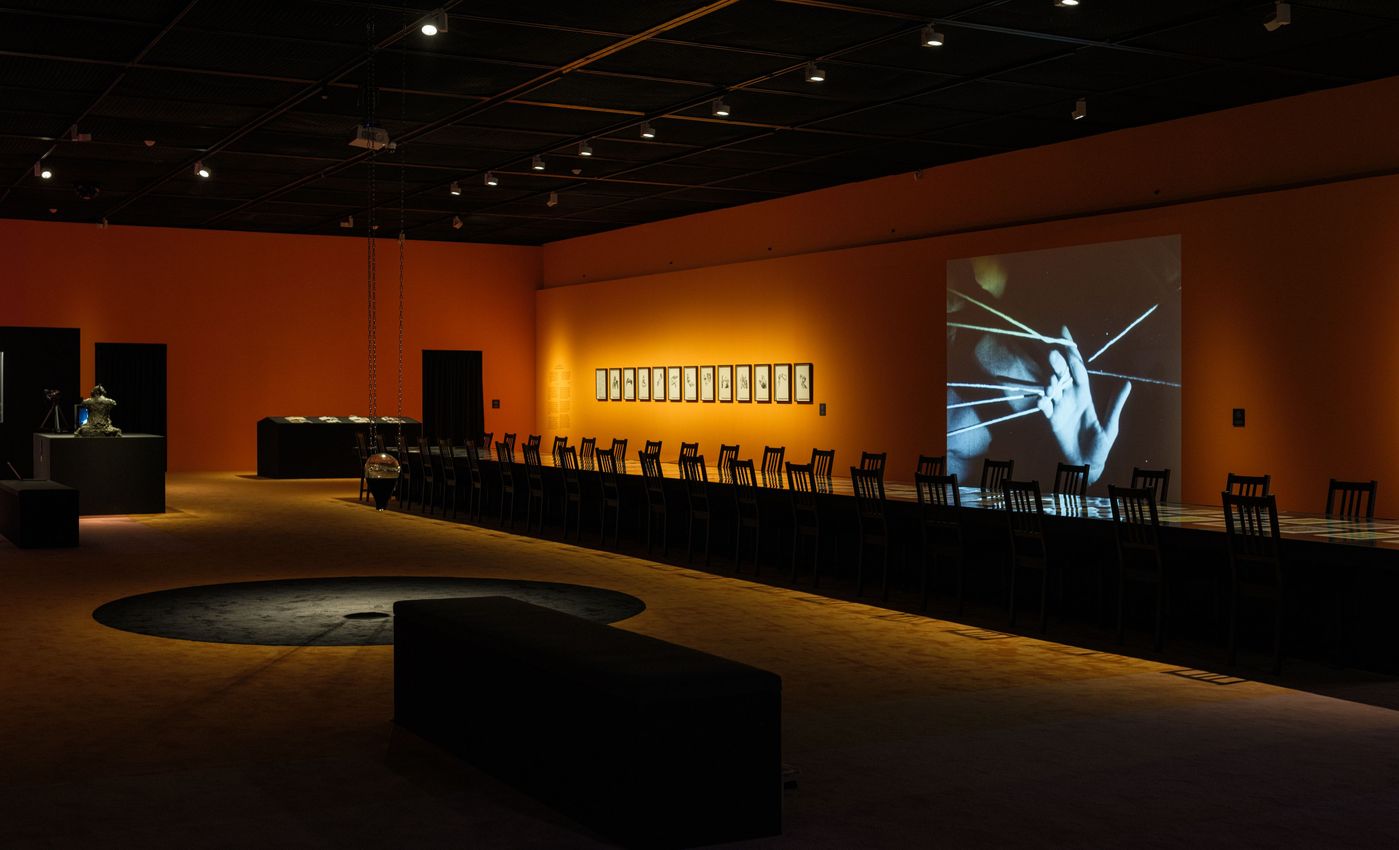
Séance in Seoul: Photos of the 13th Seoul Mediacity Biennale Spotlight / Photolog Séance in Seoul: Photos of the 13th Seoul Mediacity Biennale View photos of the unseen at the 13th Seoul Mediacity Biennale—where art, spirit, and technology converge across Seoul at SEMA, Seoul Museum of Art. Read the story

Artists Exhibiting

Also Exhibiting at Seoul Museum of Art | SeMA
Address

Seoul Museum of Art
61, Deoksugung-gil, Jung-gu, Seoul

Tue-Thur 10.00–20.00

Fri 10.00–21:00

Weekends & Holidays 10.00–19.00 (Aug-Oct), 10.00–18.00 (Nov)

Closed on Mondays. Open on Korean Thanksgiving Holidays

NAKWON SANGGA

Unit 325, 339, 412

428, Samil-daero, Jongno-gu, Seoul

Tue-Thur 10.00–20.00

Fri 10.00–21:00

Weekends & Holidays 10.00–19.00 (Aug-Oct), 10.00–18.00 (Nov)

Closed on Mondays

Cinematheque Seoul Art Cinema

2F, Kyunghyang Art Hill, 3 Jeongdong-gil, Jung-gu, Seoul

A film program will take place every Saturday at 1 PM.

Seoul Artists' Platform_New&Young

B2F Gray Hall, Chungjeongno Urbani L 102

26-26, Kyonggidae-ro, Seodaemun-gu, Seoul

2025. 08. 25 - 09. 07

Tue, Wed, Fri 19.30-21.00

Sat 13.00-14.30 / 19.30-21.00

Sun 13.00-14.30

(1)
Seoul 61, Deoksugung-gil, Jung-Gu
Seoul Museum of Art | SeMA
61, Deoksugung-gil, Jung-Gu, Seoul, South Korea
+82 2 2124 8800
http://sema.seoul.go.kr

Opening hours
Tuesday – Friday
10am – 8pm

Weekends and National Holidays
March – October
10am – 7pm

November – February
10am – 6pm

Last admission 1 hour before closing.
Closed on Monday and New Year's Day. Open if Monday is a national holiday.
The art world in focus