





‘People Confuse Being Invited with Having Power’: Hypocrisy and Tenderness at India Art Fair
Save to My Ocula

The energy was unmistakably high as India’s biggest fair arrived in Delhi. But, asks Gautami Reddy in a new diary, is it time to stop and take a breath?
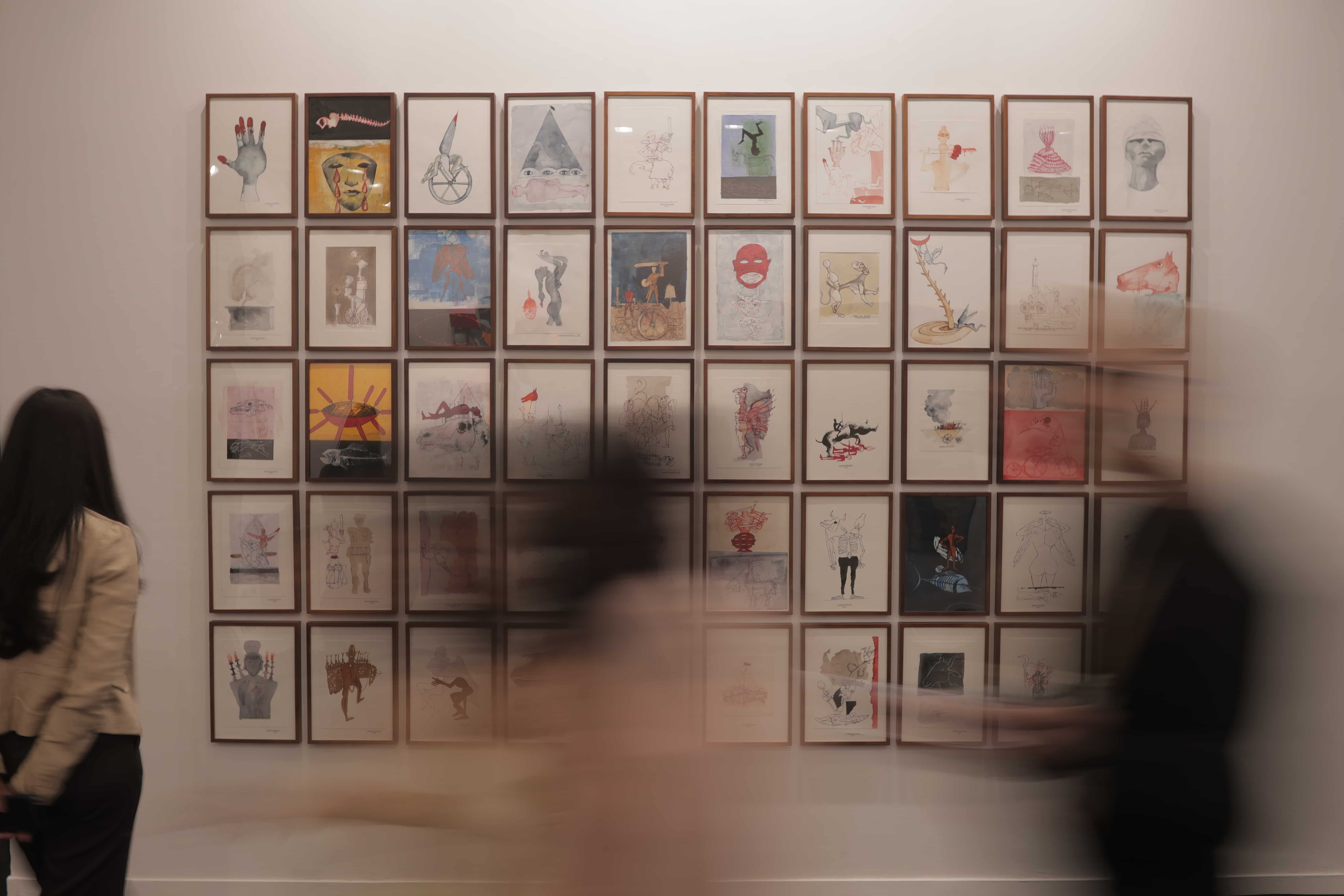
The weekend before the India Art Fair, I was stuck in traffic for more than an hour. Google Maps showed south and central Delhi as long, unbroken lines of red. Sitting in the back of an Uber with a creator friend, I said: ‘The madness has started.’ It felt accurate: the art world had arrived.
Unlike London, New York or Hong Kong, where people move between openings underground, the art crowd here moves by car. Taxis, private chauffeur-driven vehicles and, for fair VIPs, fleets of BMWs. Cabs aren’t prohibitively expensive, but they’re not cheap either. We commuted in a heated car, adding—collectively—to the congestion that already defines Delhi’s winter air.
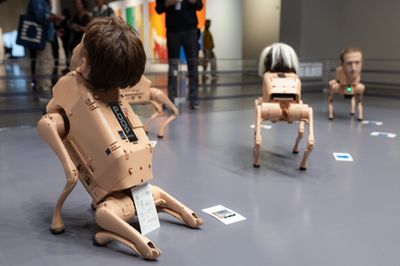
The first stop was Are You Human? at Khoj International Artists’ Association in Khirkee. The group exhibition addressed AI, technological overwhelm, forests, politics and slowing human creativity. ‘Very Khoj,’ someone said, cracking open a Lone Wolf beer. Inside, a generative VR work by Australia-based new media duo Ben Joseph Andrews and Emma Roberts depicted a slowly degenerating forest, referencing the Daintree rainforest. The VR wasn’t working. A sign of the times, perhaps.

Most visitors stayed in the central courtyard, smoking. ‘I’ll go in later,’ I heard more than once. I wondered, briefly, if our attention spans were gone for good. Inside, a programme manager told me she no longer has time to think or write. Her days are filled with grant proposals, curatorial texts, press notes. ‘The institution doesn’t want you thinking,’ she said. ‘Thinking slows things down.’ The comparison with AI, constant output without pause, was hard to ignore.
The next three days blurred into openings. More than 10 galleries in the Defence Colony neighbourhood staged a co-ordinated gallery night for the first time.
“The institution doesn’t want you thinking. Thinking slows things down”
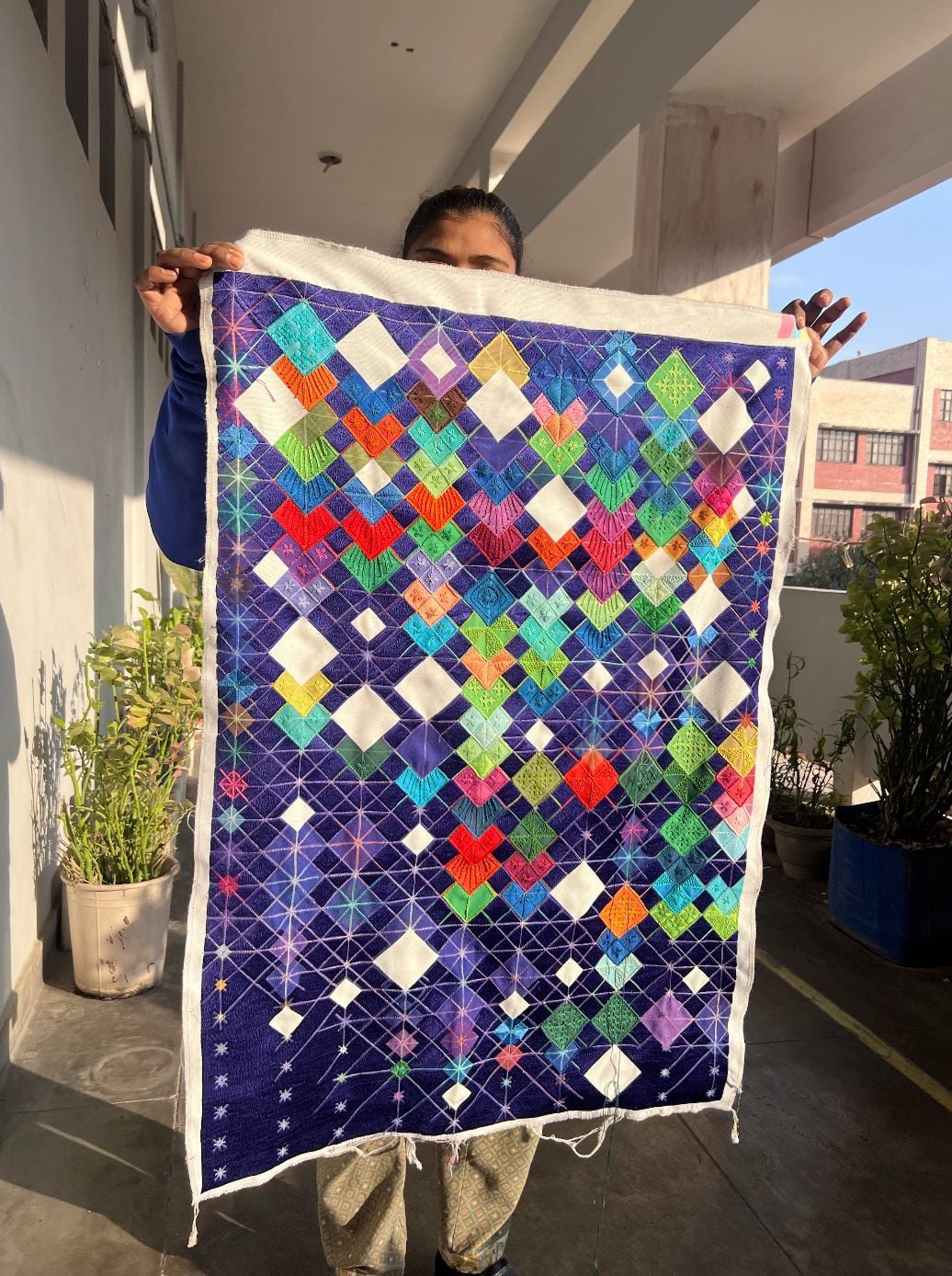
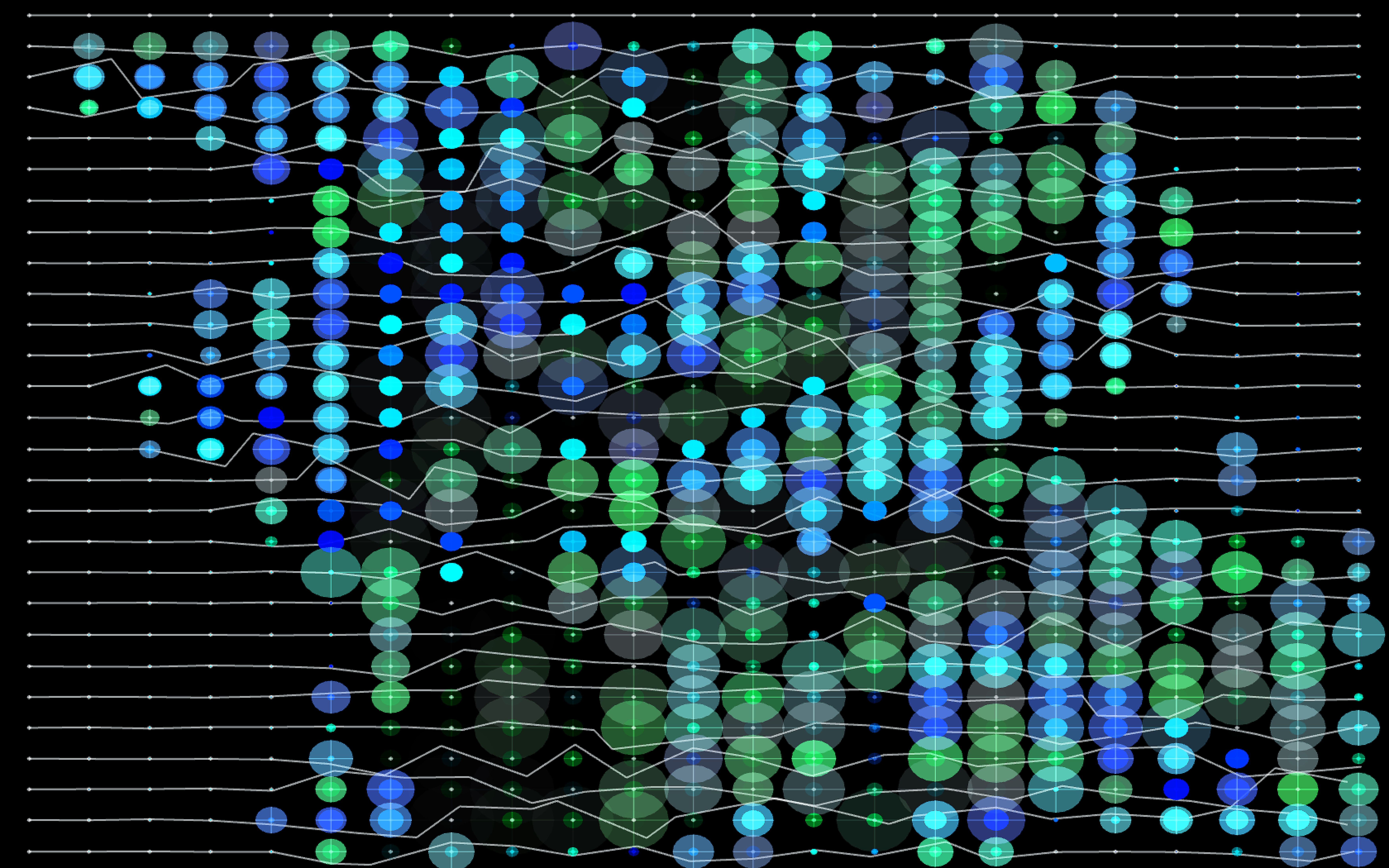
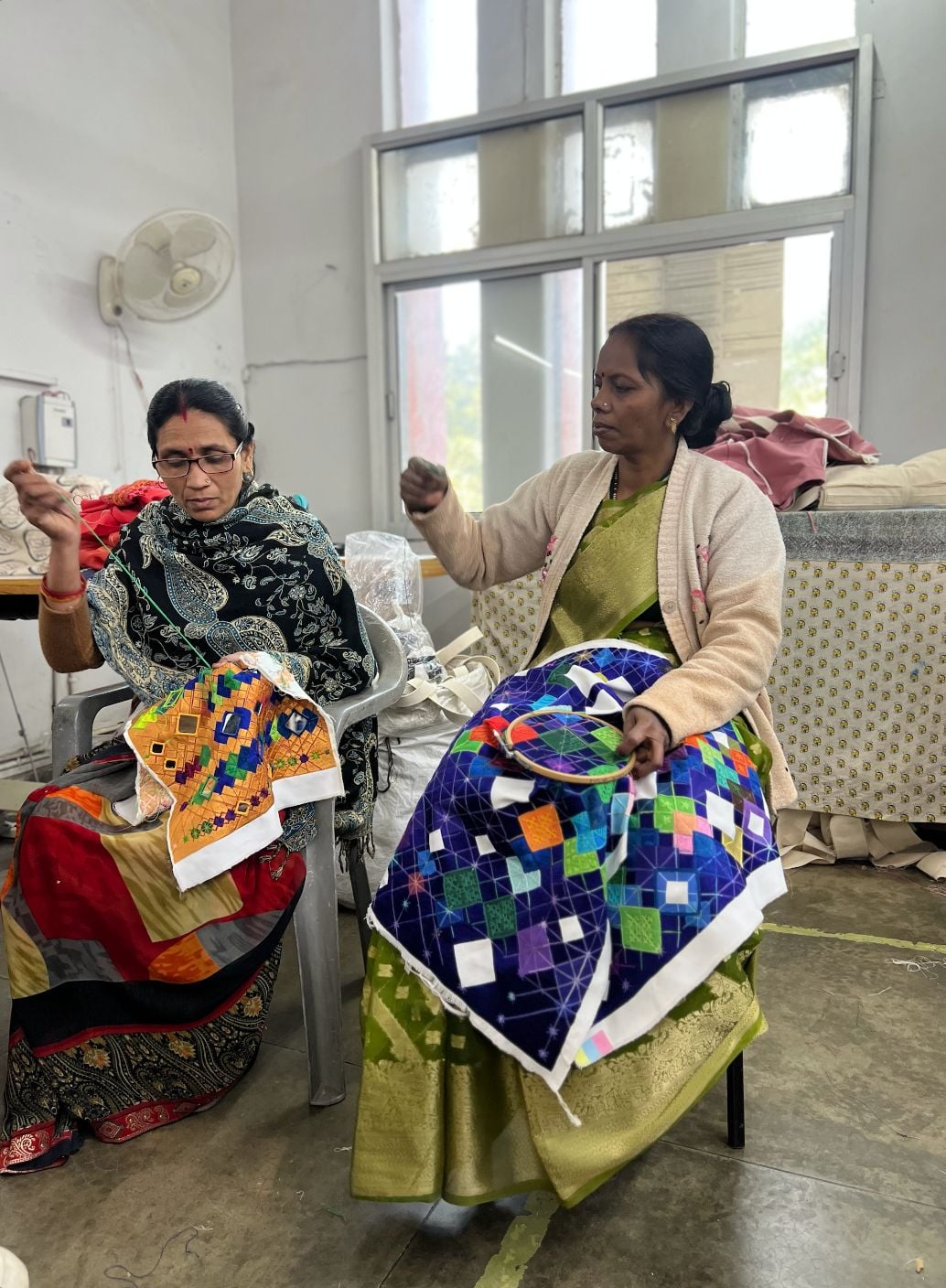
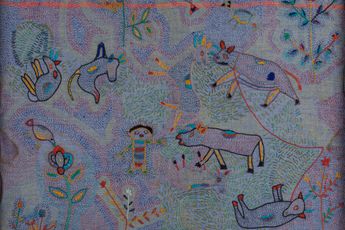
In Method’s basement, Alida Sun (a media artist based between New York and Berlin) was setting up a DJ console. Her Instagram animations looped across the walls: women were the first computers, curiousity + play are the highest form of research, resistance is an act of joy. They were installed alongside embroidered, mirrored works produced by women from the Swami Sivananda Memorial Institute of Fine Arts and Crafts in Delhi. Both the digital animations and textiles followed the same underlying code, claiming authorship for women in technology and craft—as if they were never separate to begin with. The seven women who embroidered the works were named on exhibition’s opening note. ‘We’re profit-sharing,’ said gallery director Anica Mann. ‘It felt important.’
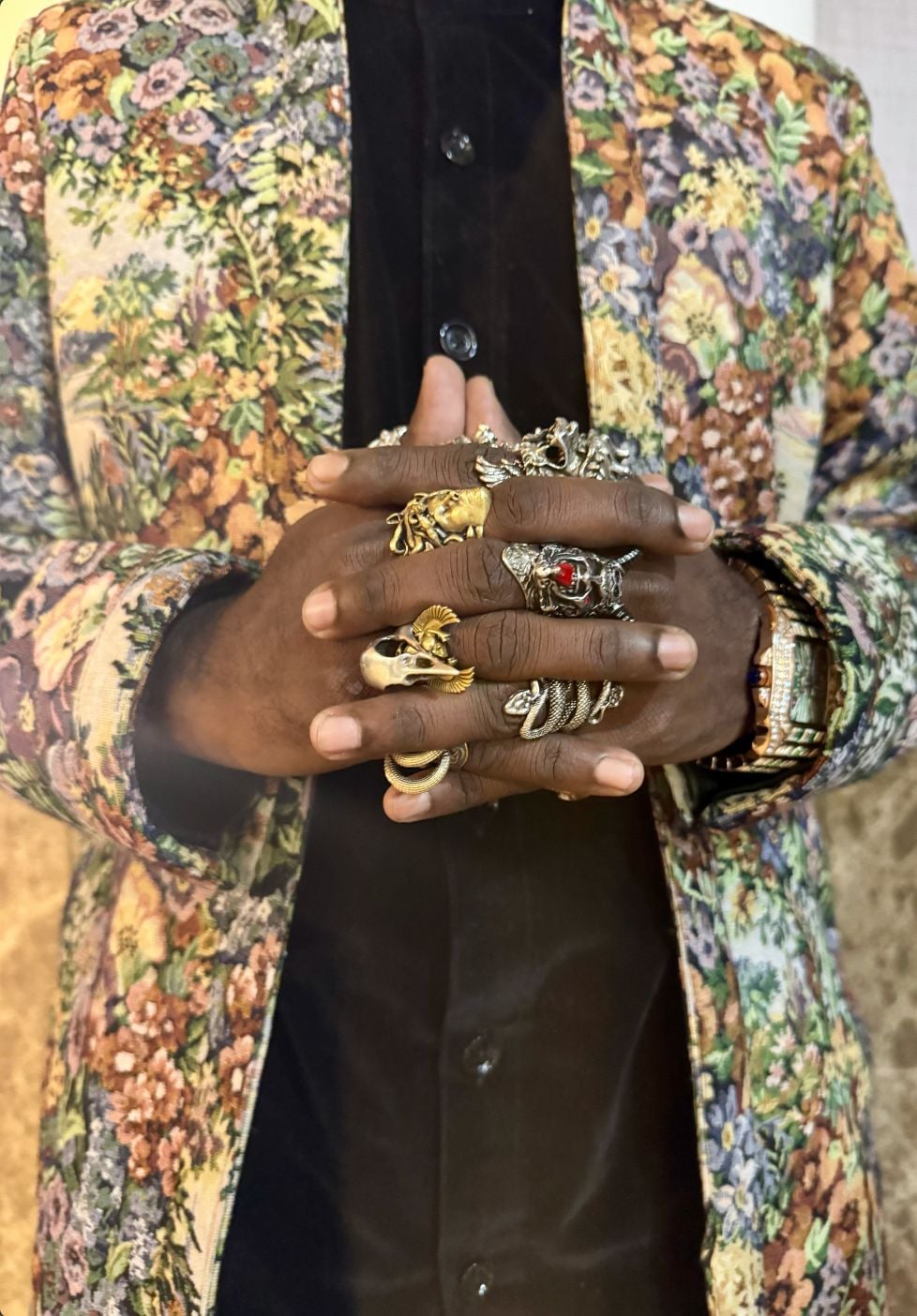
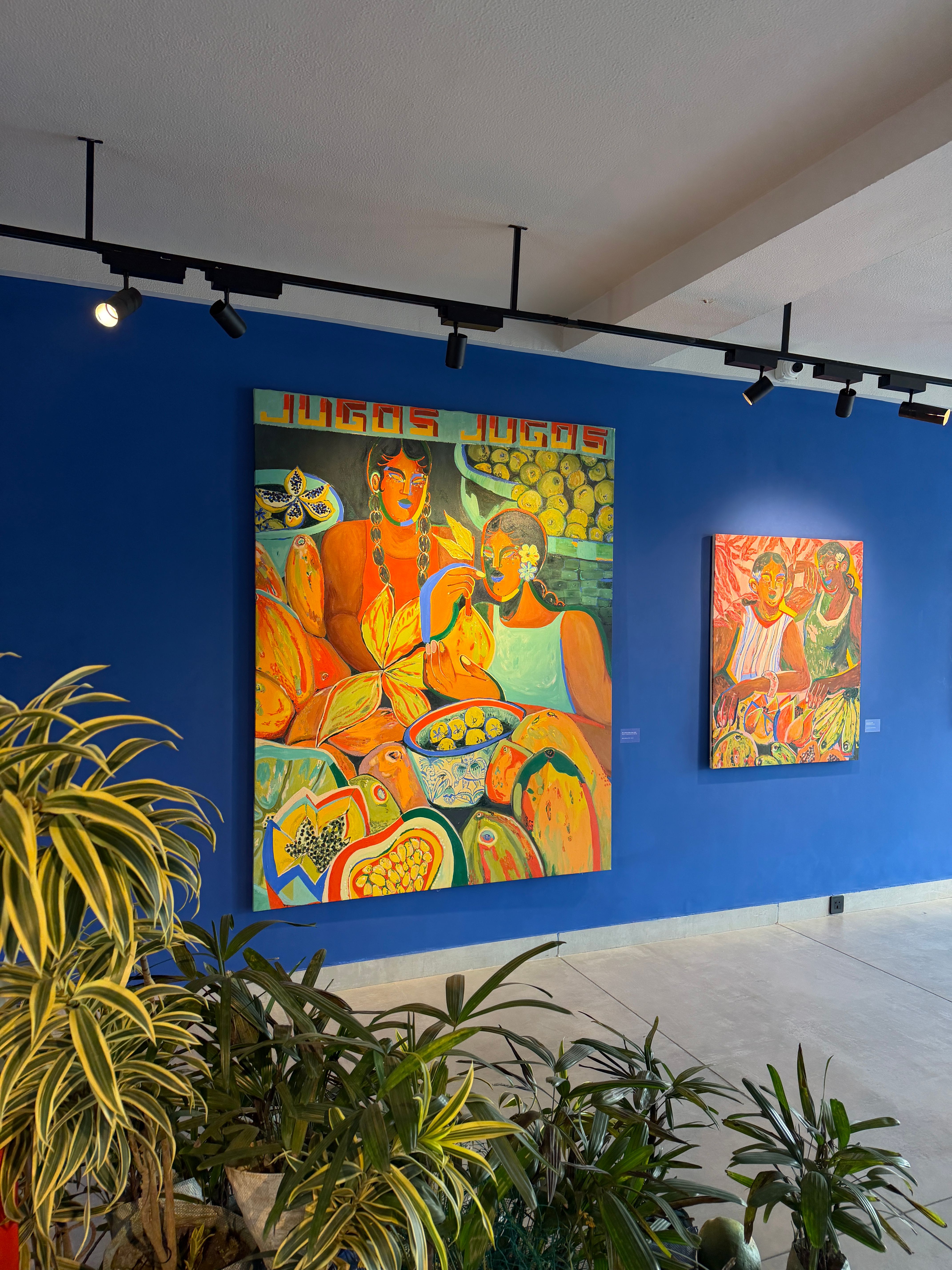
Women’s work was prominent. At XXL Gallery, crayon drawings by Berlin-based Latin American artist Jurena Muñoz Lagunas, who goes by Jumu, filled the space. Standing inside felt like being among women in a bazaar, chatting, selling fruit. Incense burned as a street vendor prepared shakarkandi (sweet potatoes roasted over coal with lemon and chaat masala) inside the gallery, filling the space with a smoky warmth.
We stopped by Sri Lankan artist Saskia Pintelon’s large-scale portraits at Pristine Contemporary. They stared back. At PHOTOINK, Ketaki Sheth’s analogue photographs of film sets in Madras and Mumbai showing actors waiting, scenes between scenes, felt especially tender amid the week’s velocity.
Another 22 turns and 55 minutes in an Uber brought us to The Radial, an abandoned bar turned exhibition space in Connaught Place, wedged between a chai shop and a women’s clothing store. The show was called Party Is Elsewhere. Mumbai-based Sudarshan Shetty’s neon sign set the tone: a hammer frozen mid-strike above a table of glasses. ‘I guess the party is elsewhere, since this is now an exhibition space?’ someone asked. ‘It’s so cool to see art outside a white cube,’ said Saurabh Wasson, director of exhibitor relations at the India Art Fair. I wondered whether the bar had always had this much character, or whether that had only materialised once it became legible to us as art.
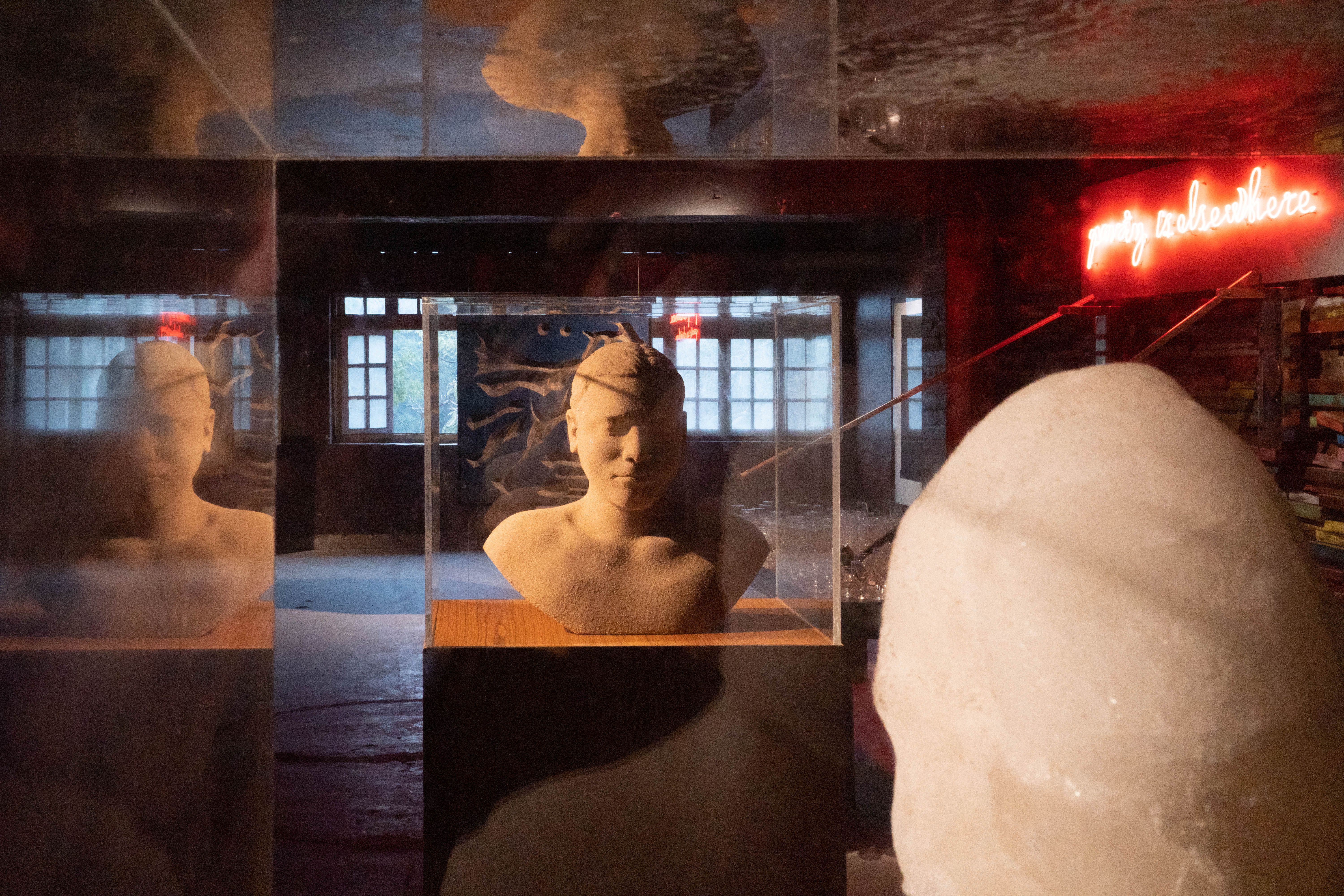
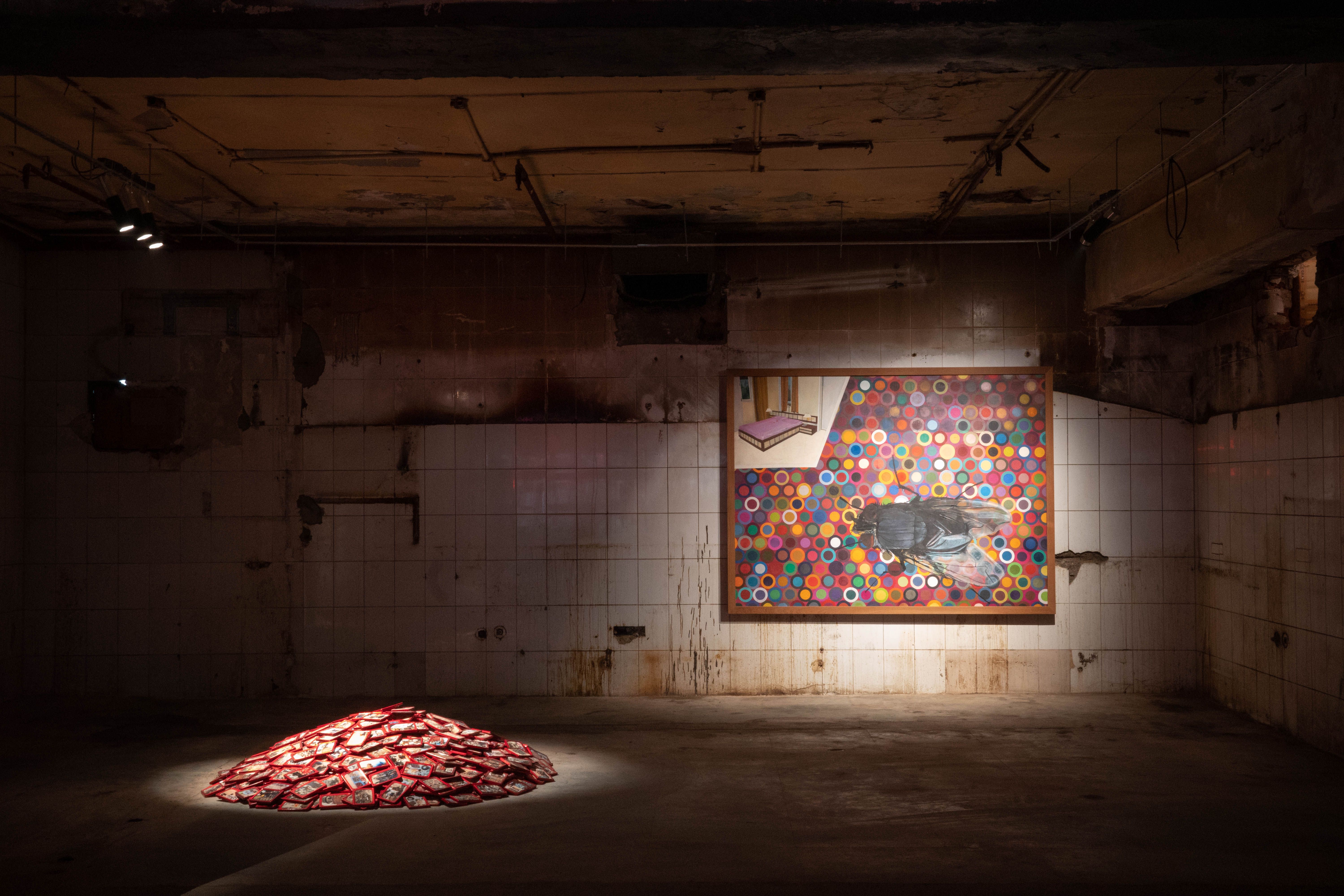
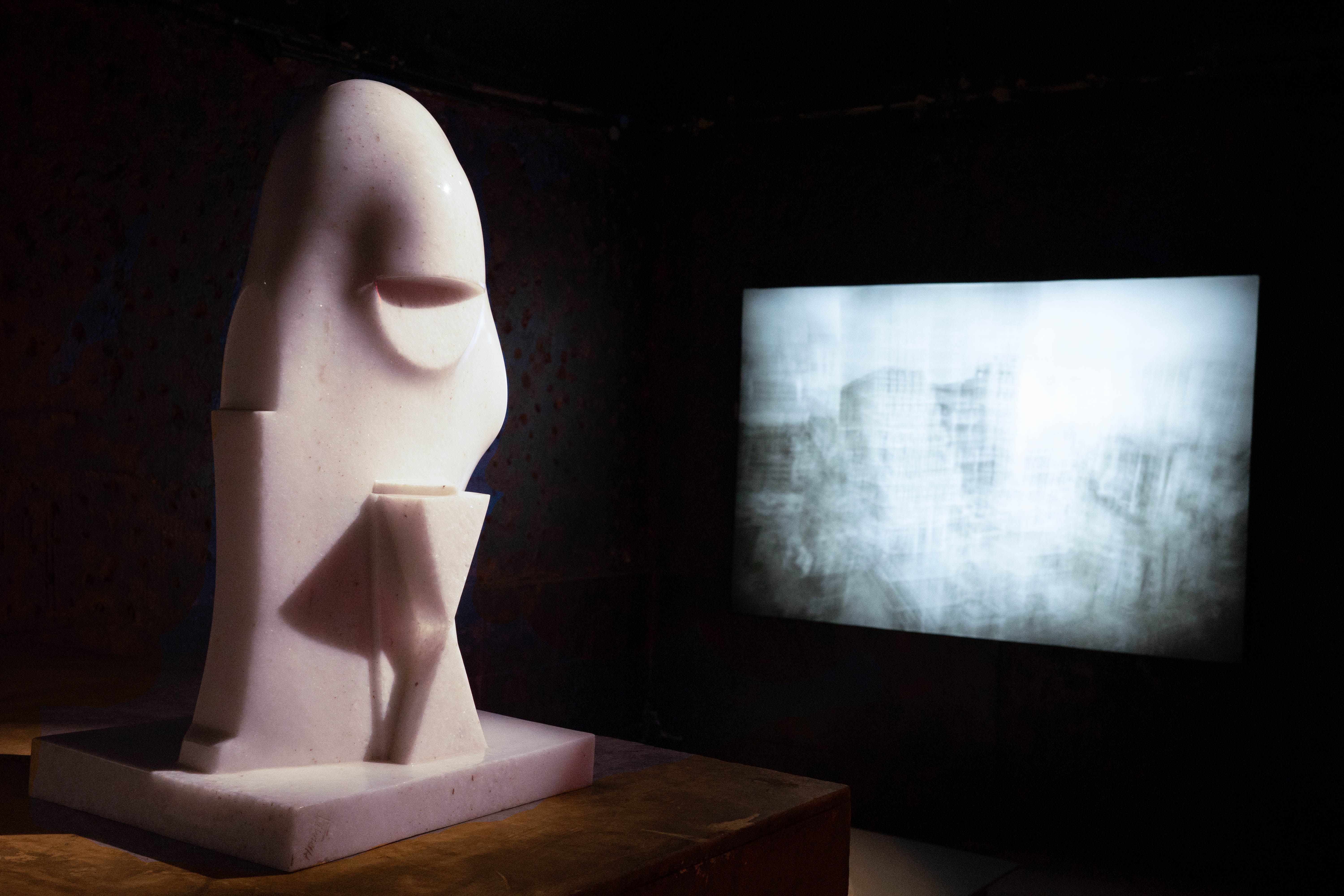
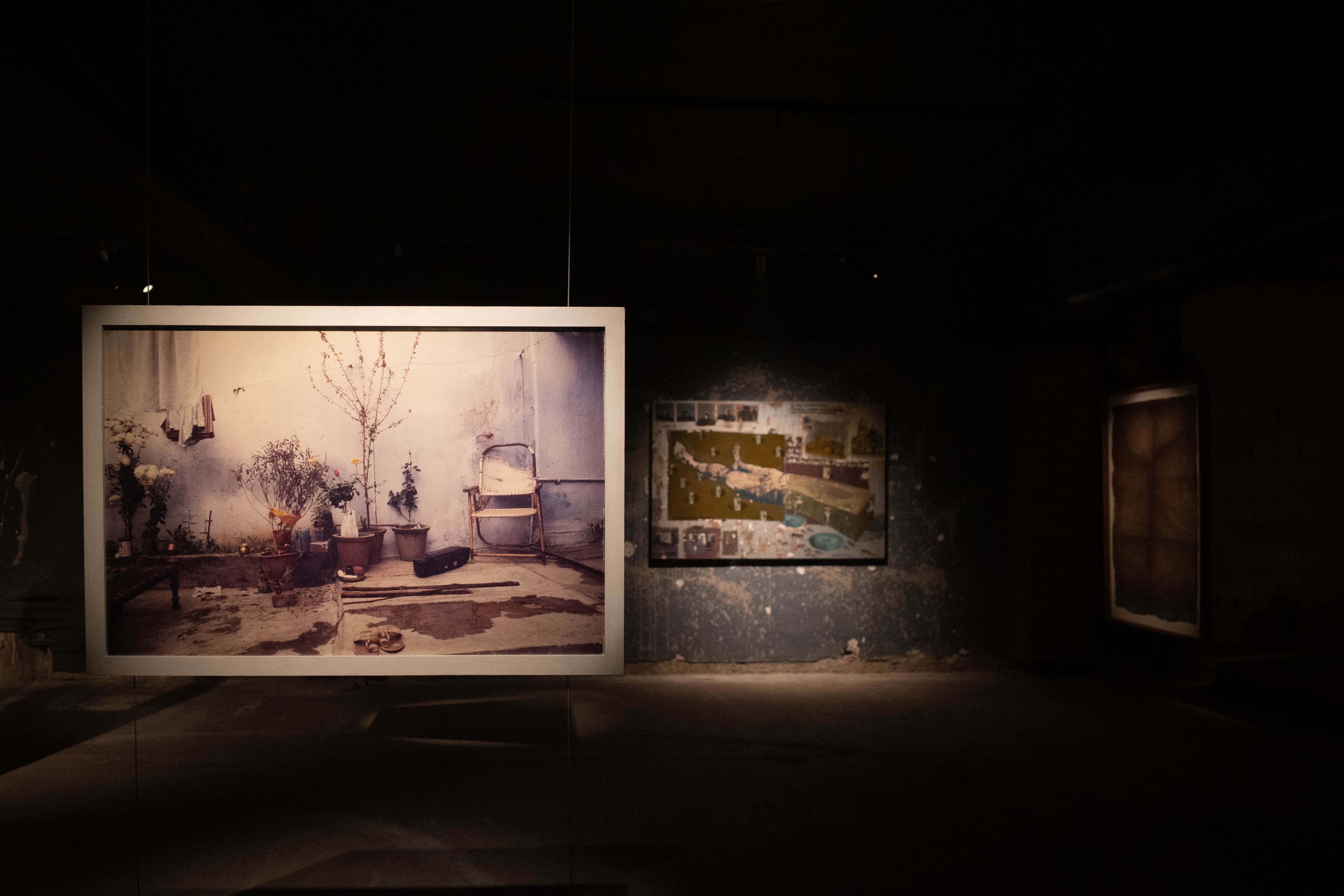
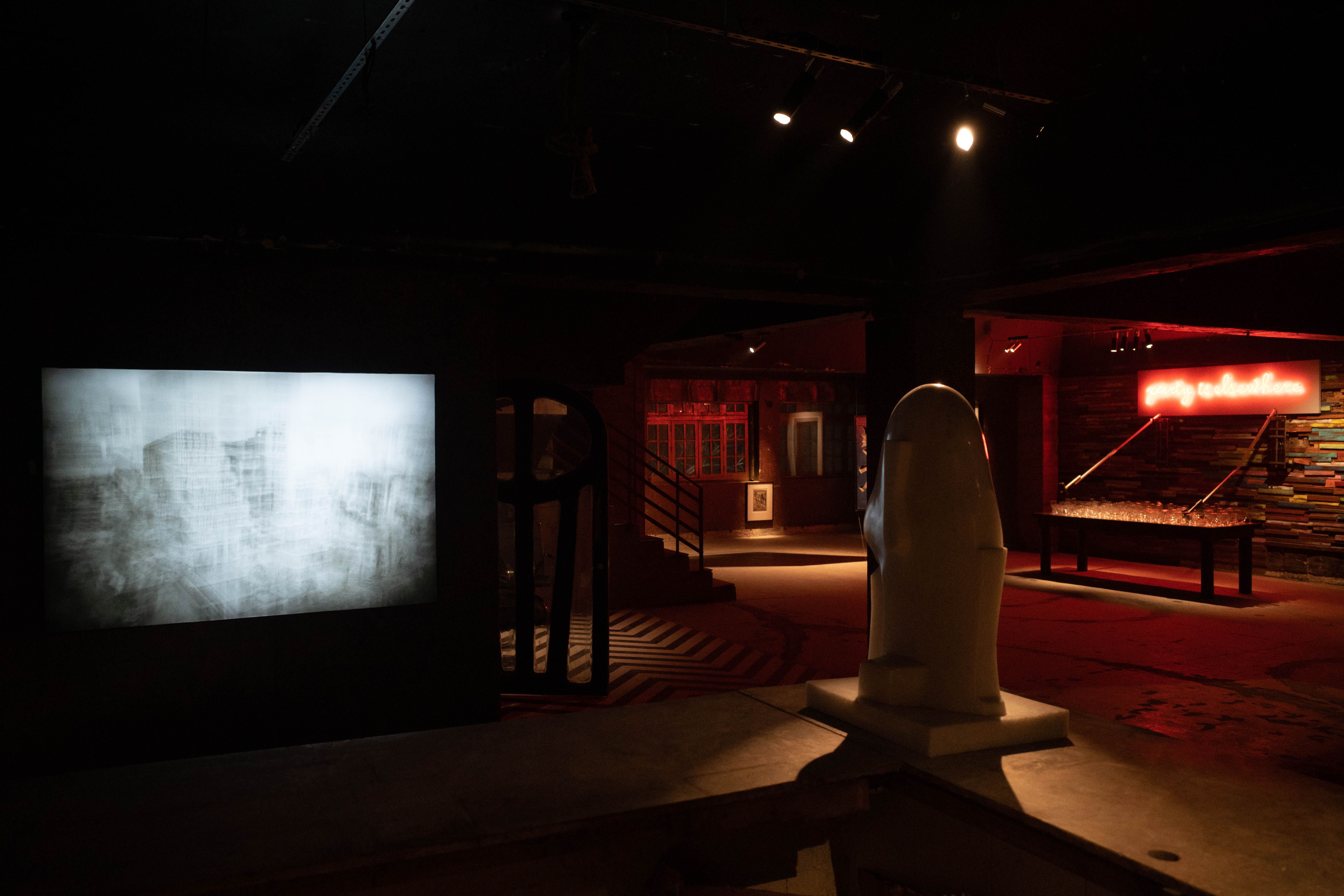
Works by some of India’s most recognisable contemporary artists appeared scattered throughout the space: Anju Dodiya, Gauri Gill, Jyoti Bhatt, Shilpa Gupta, T. Venkanna, Raqs Media Collective, Jitish Kallat. ‘I don’t recognise this crowd,’ artist Renuka Rajiv said, looking around the room. ‘I guess that’s a good thing?’
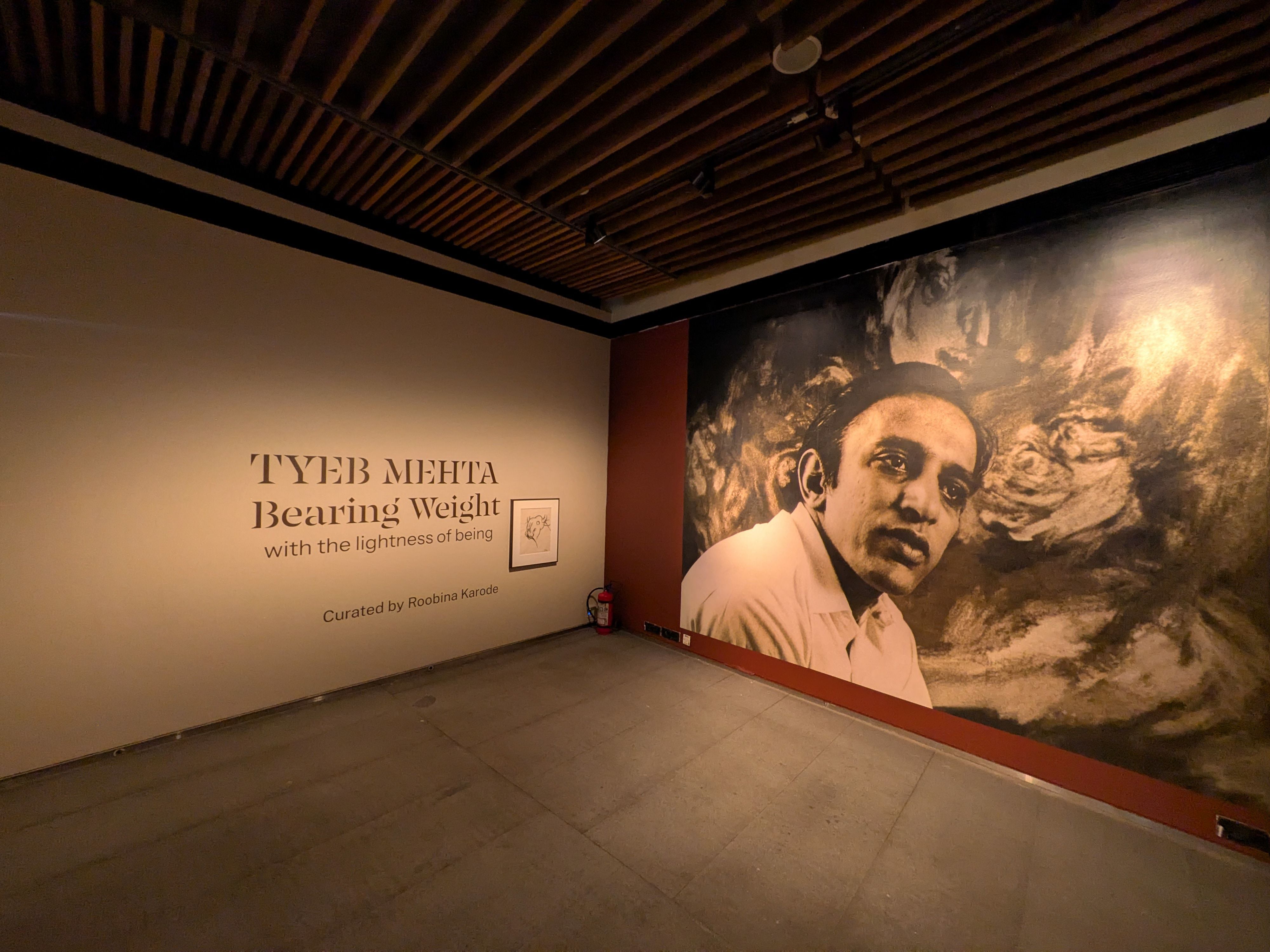
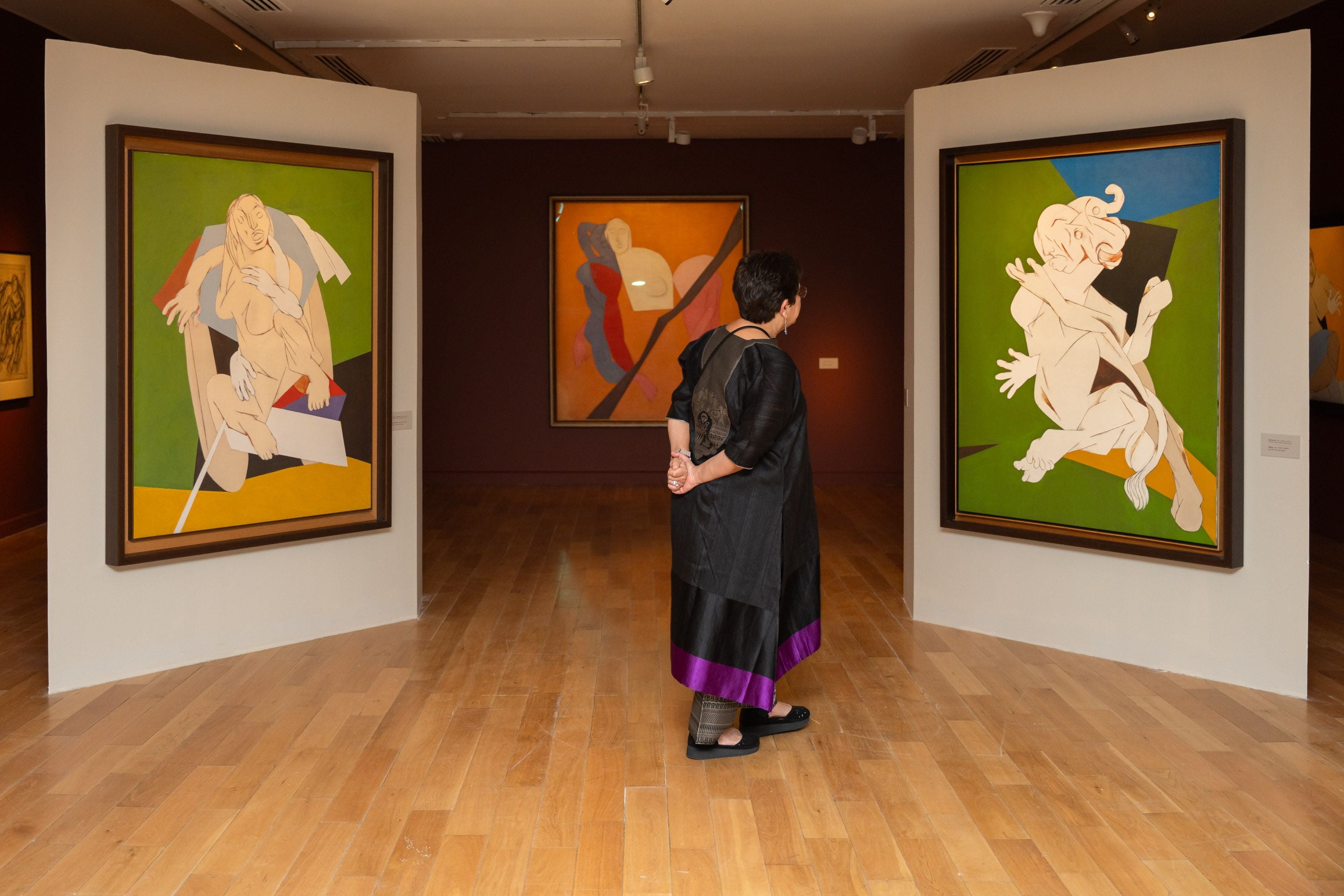
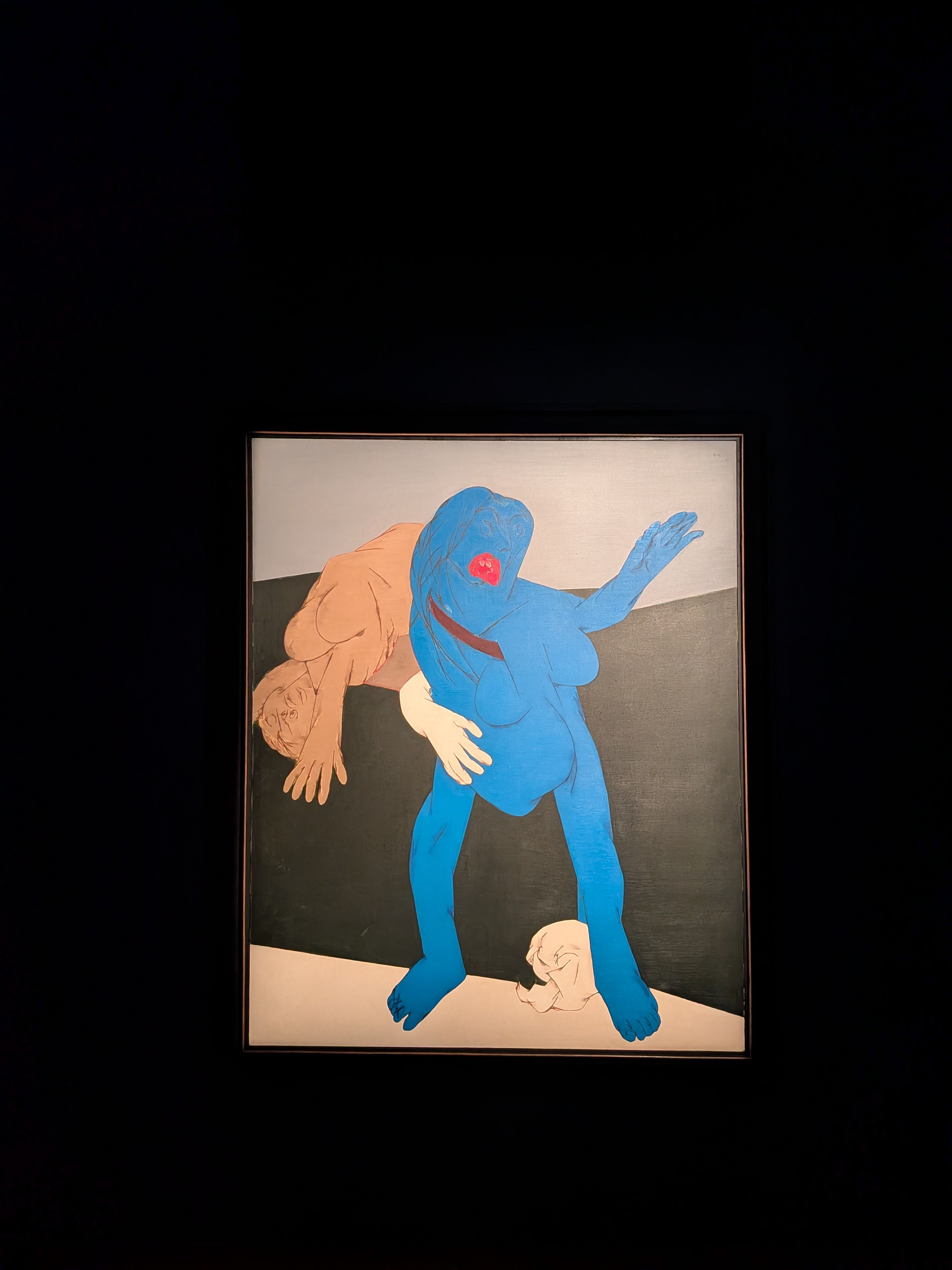
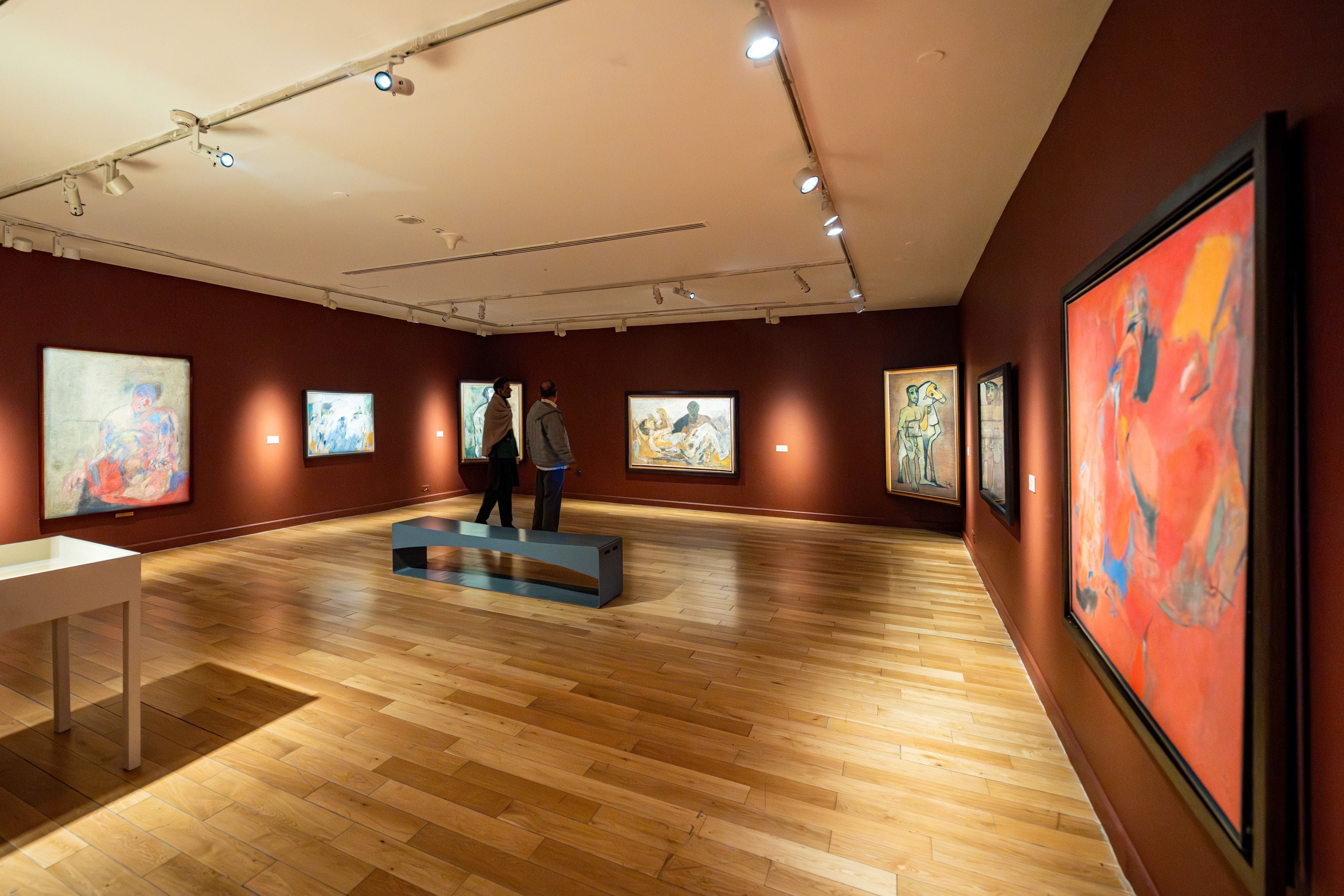
An opening at the Kiran Nadar Museum of Art (KNMA) felt more like a wedding reception, in typical institutional fashion. Catering trucks lined the outside of the mall where the museum is located. Inside, a retrospective of Tyeb Mehta—more than 60 paintings of broken faces, birds in flight and fall, diagonals slicing across canvas, shaped by the trauma of Partition—were lit like jewels in a dark room. ‘These still hit,’ someone whispered. Once a reserved, almost shy presence, Mehta now sits firmly in the blue-chip canon. His 1977 painting Gesture is headlining the Christie’s South Asia auction preview this year, estimated at $2–3 million.
That evening, at a gallery-hosted dinner at The Oberoi hotel, the rooftop view of Delhi disappeared into fog. Mrs Nadar sat animated in her wheelchair, surrounded, as always, by gallerists and her director of development. The same collectors, artists, their friends, a few newer journalists, and the PRs shepherding circulated between tables and the buffet, eating awkwardly and hugging on cue. ‘Art dinners are always like this,’ a gallerist said.
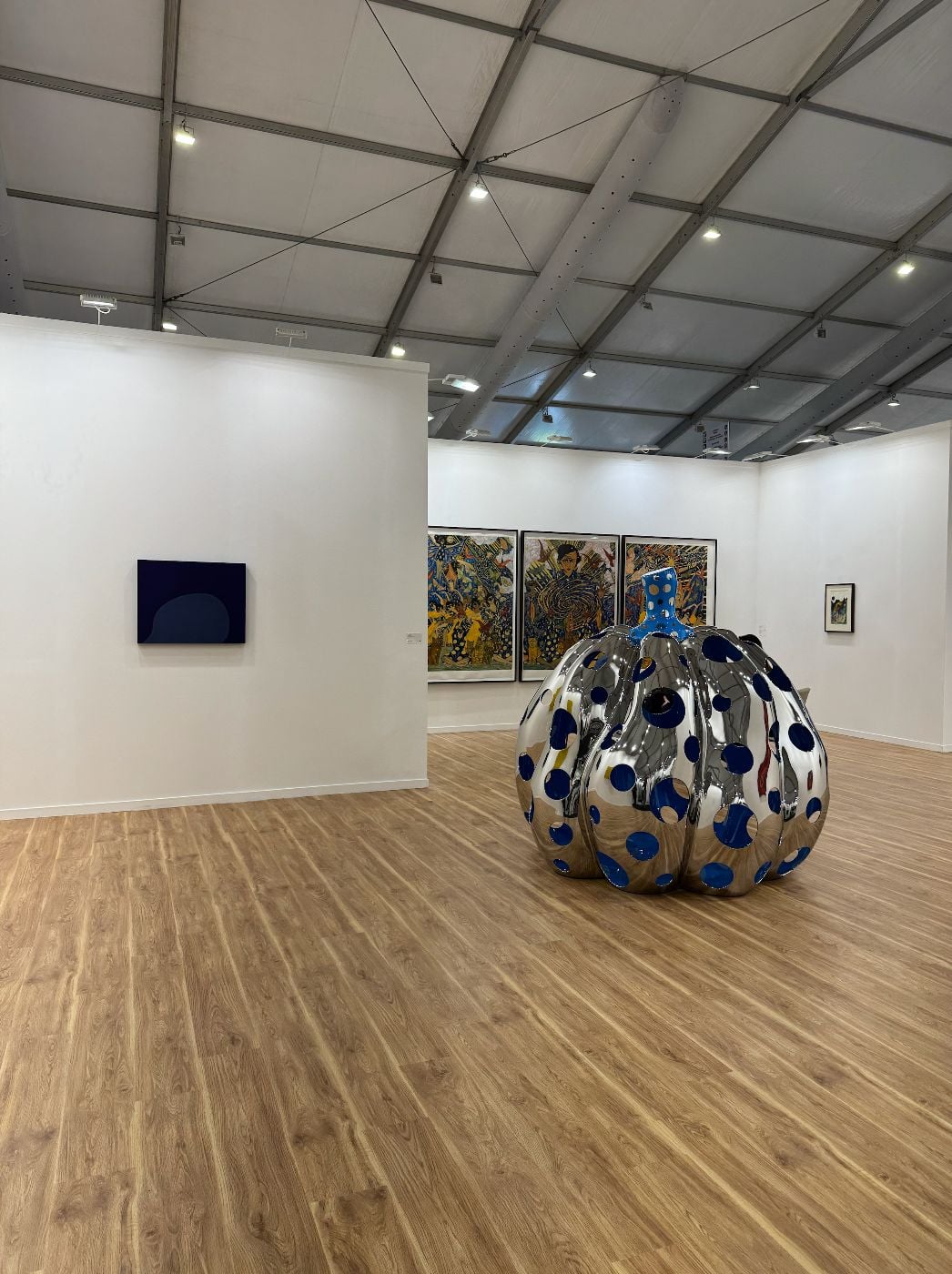
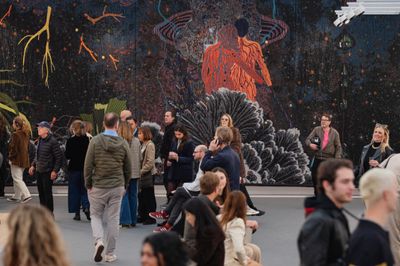
India Art Fair opened its doors at 11am on Thursday. Within an hour I heard a man announce: ‘Everything I like is sold. It’s so annoying.’ The energy was unmistakably high. Bigger fair. New names. A pronounced institutional presence. At the press preview, amid feedback and failing microphones, all I caught from fair director Jaya Asokan was that this was the largest edition yet: 94 galleries, with an expanded design section.
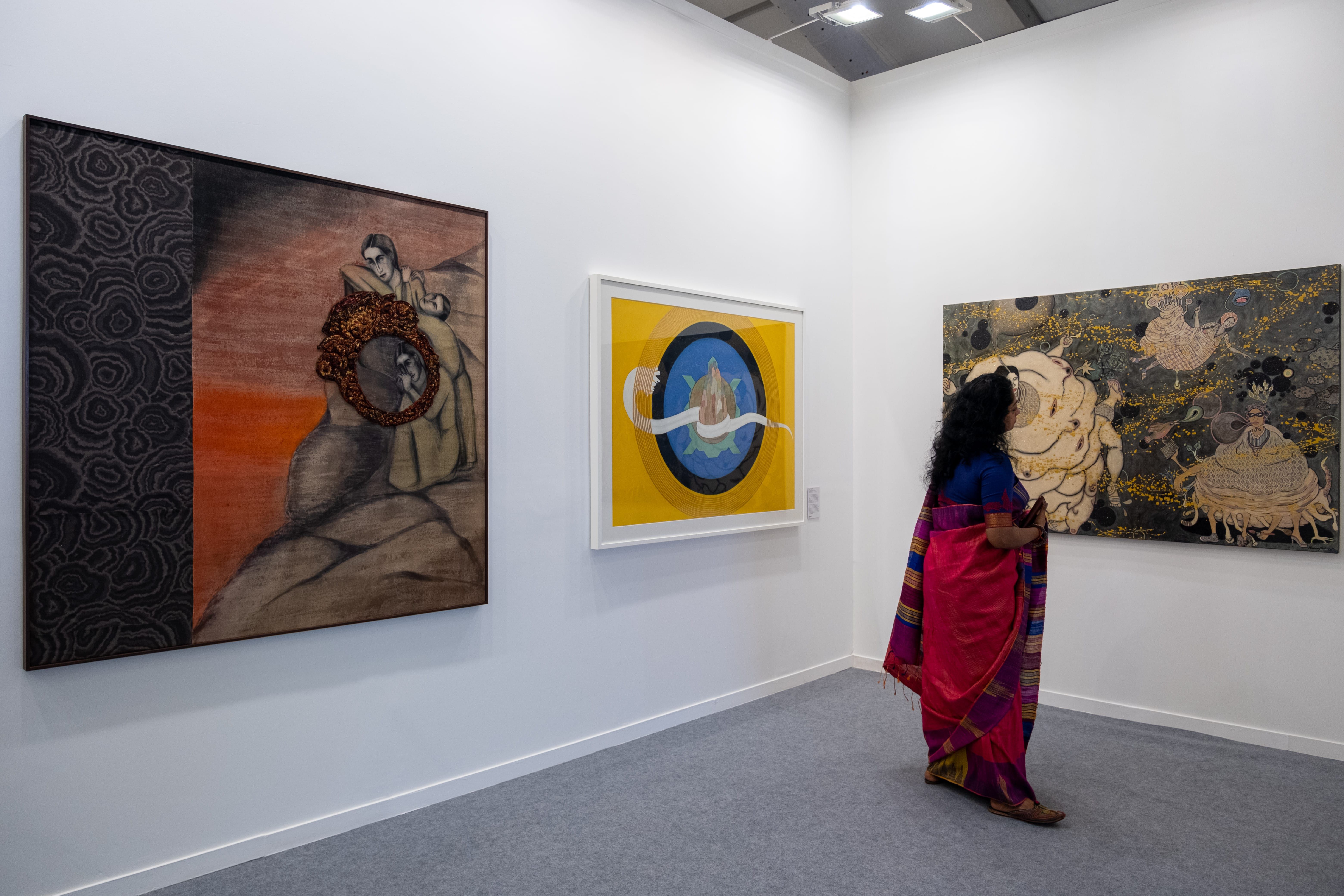
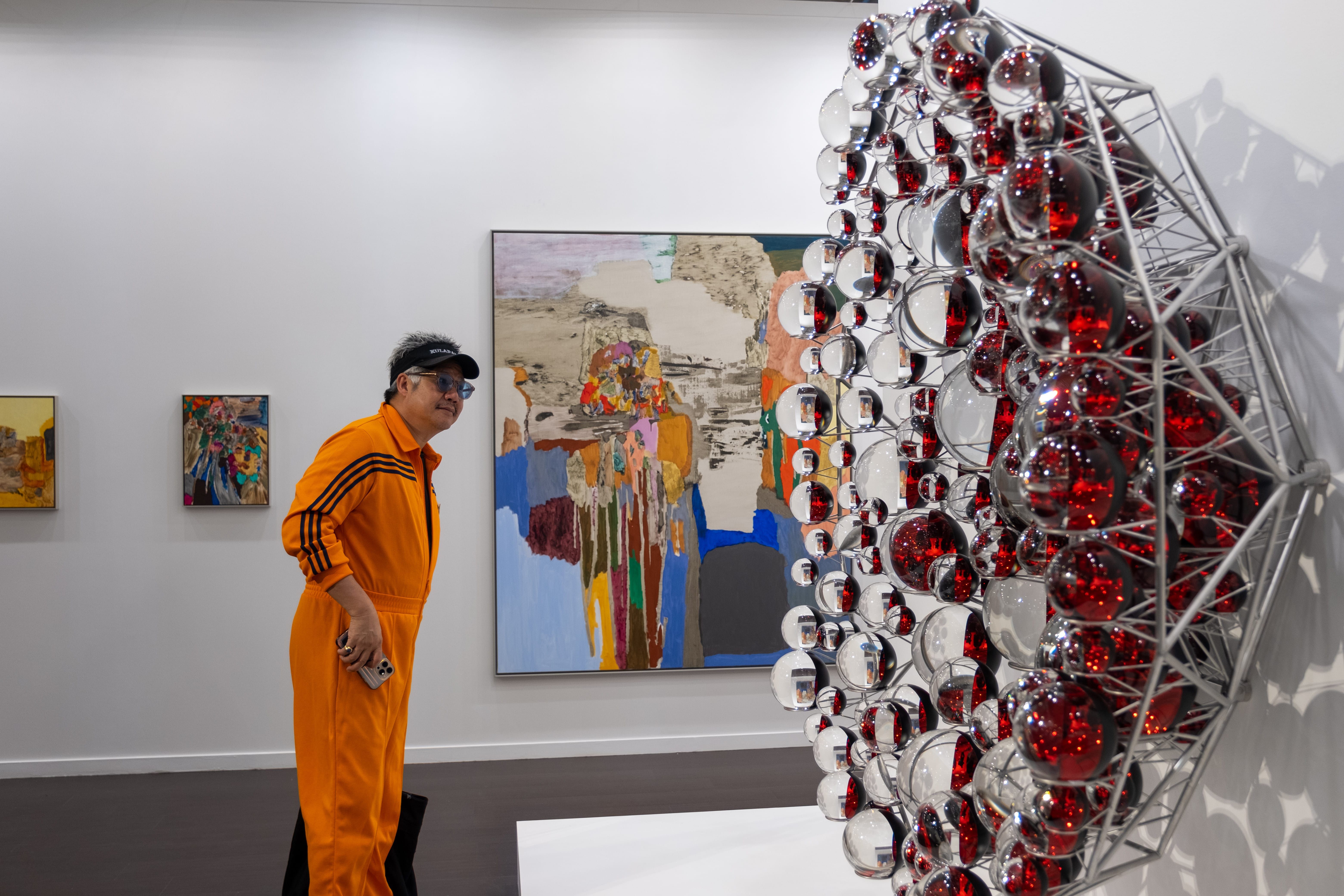
Art and design sharing the same platform was a recurring topic of conversation and an obvious source of discomfort. ‘It’s probably a money decision,’ someone said. The 10–14 design booths presented objects as ‘functional, collectible art’, led by individual designers and studios, while the labour belonged to artisans or ‘the makers’, as they are often called in a craft-rich country. ‘There’s something unsettling about selling this as art without naming the people, or even the traditions, whose knowledge actually made it,’ a curator admitted.
“There’s something unsettling about selling this as art without naming the people, or even the traditions, whose knowledge actually made it”
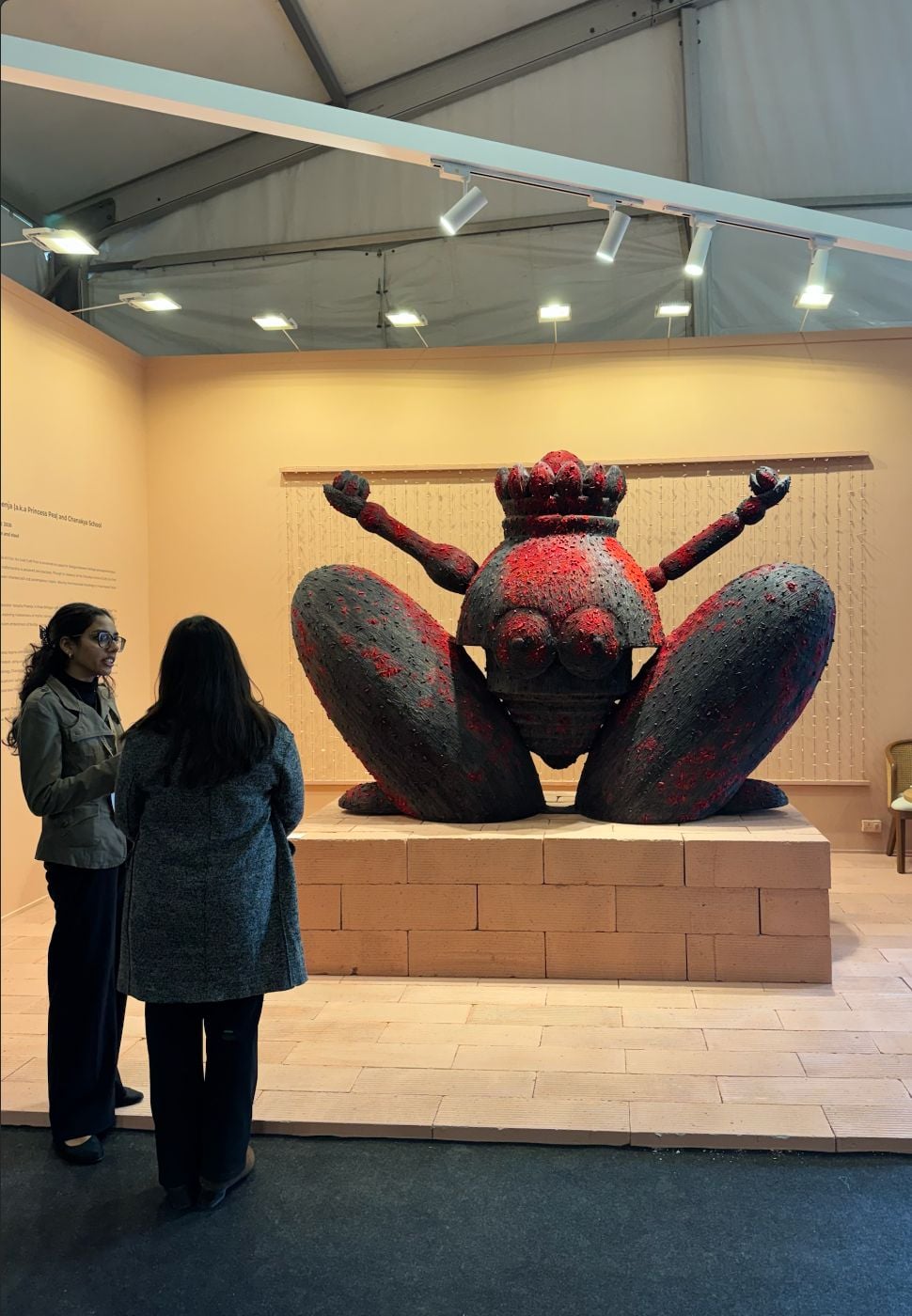
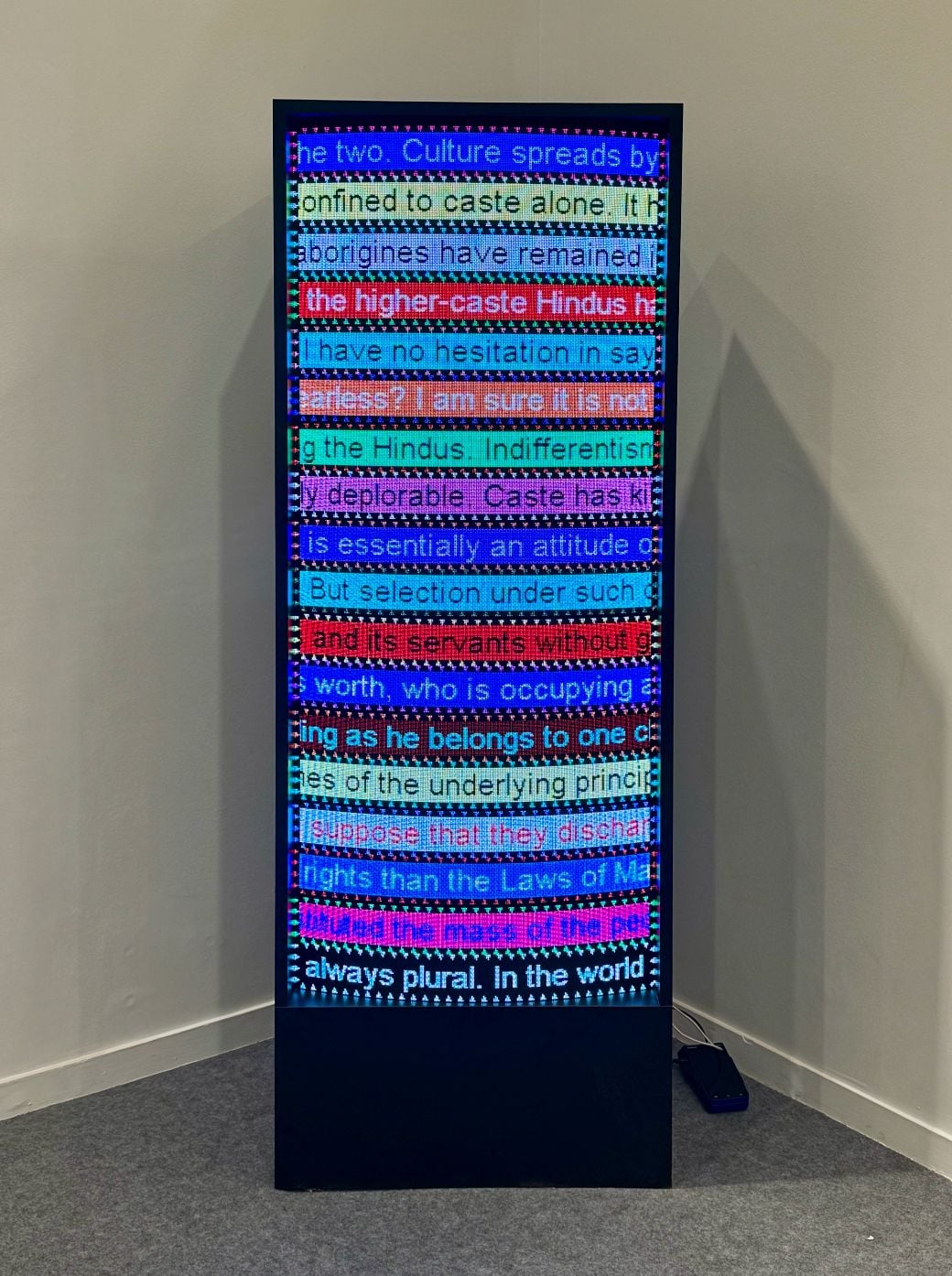
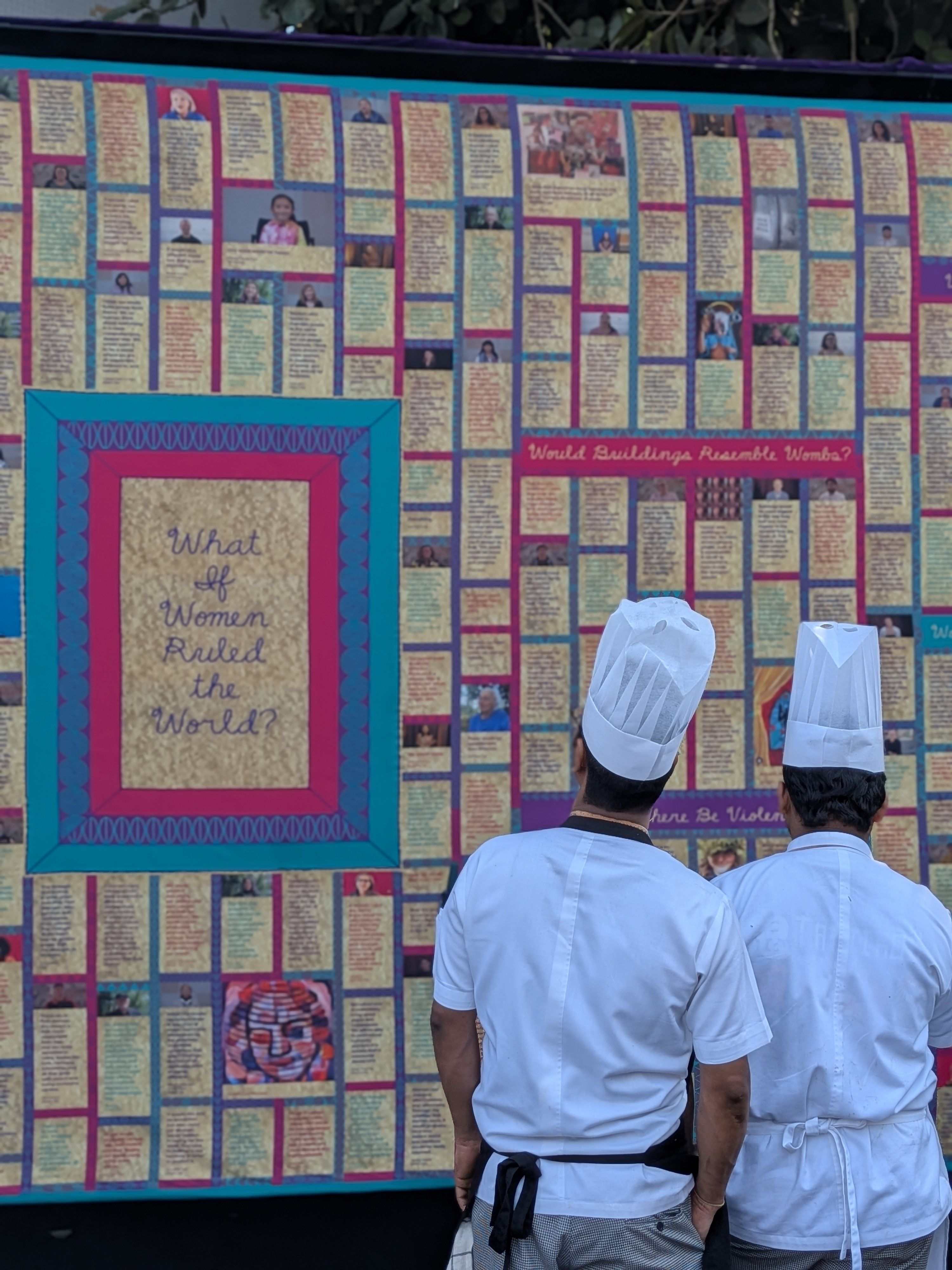
Still, the art—the very non-functional kind—held its ground. Paintings everywhere: large, small, layered, collaged. Tapestries. And again, women’s voices cut through: Judy Chicago’s What If Women Ruled the World? (in which the words were emblazoned on an enormous Medieval-esque tapestry in Herstory, her 2023 exhibition at the New Museum in New York) adapted into Hindi; a sculpture invoking a primal female deity by Natasha Preenja aka Princess Pea, made in collaboration with a team engaged in wood carving, stitching and embroidery at the Chanakya School (their labour acknowledged, if unevenly); Bhuri Bai’s cosmological paintings in Bhil style; and Dumiduni Illangasinghe’s installation of broken bangles, which read like an interior landscape of women’s lives.
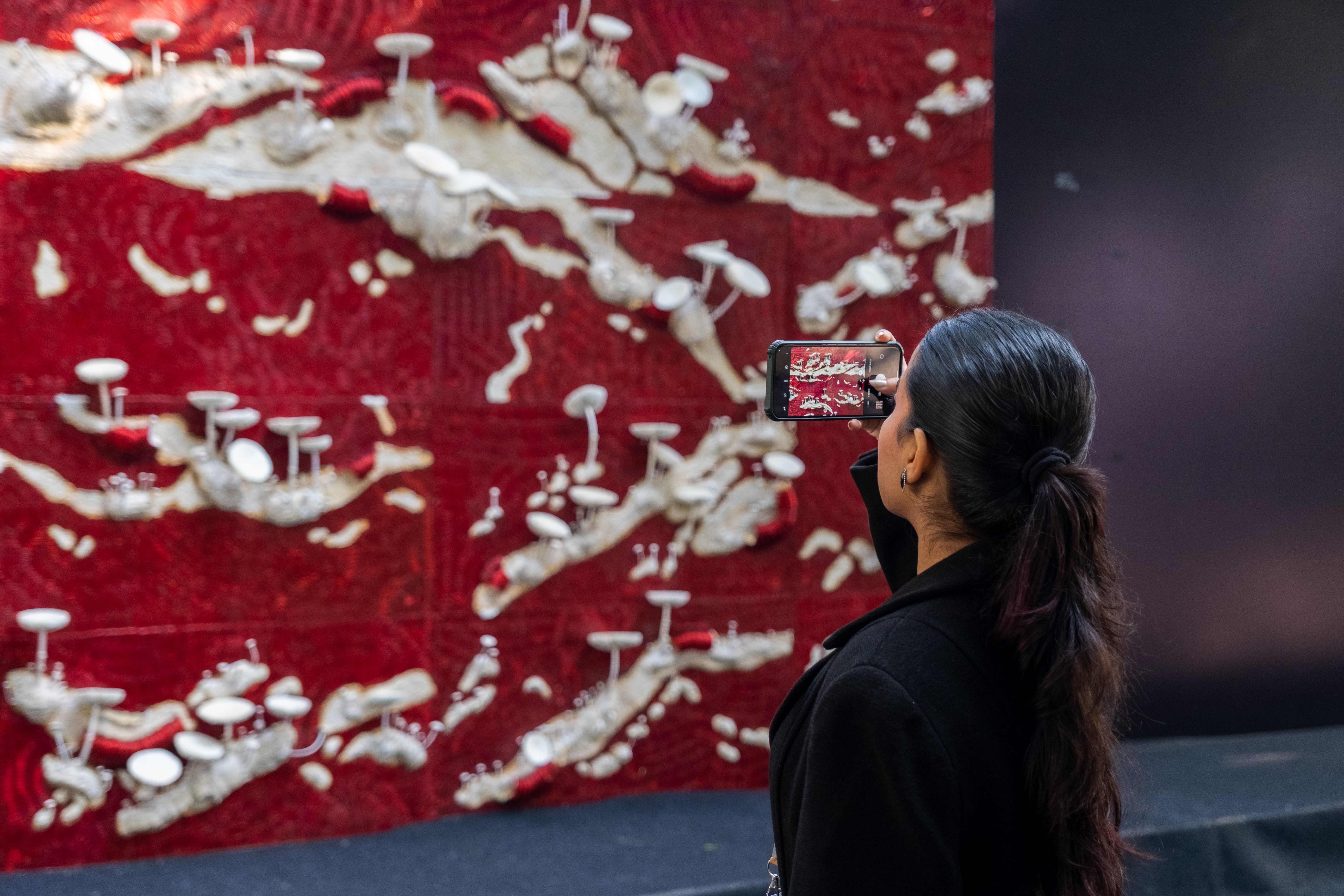
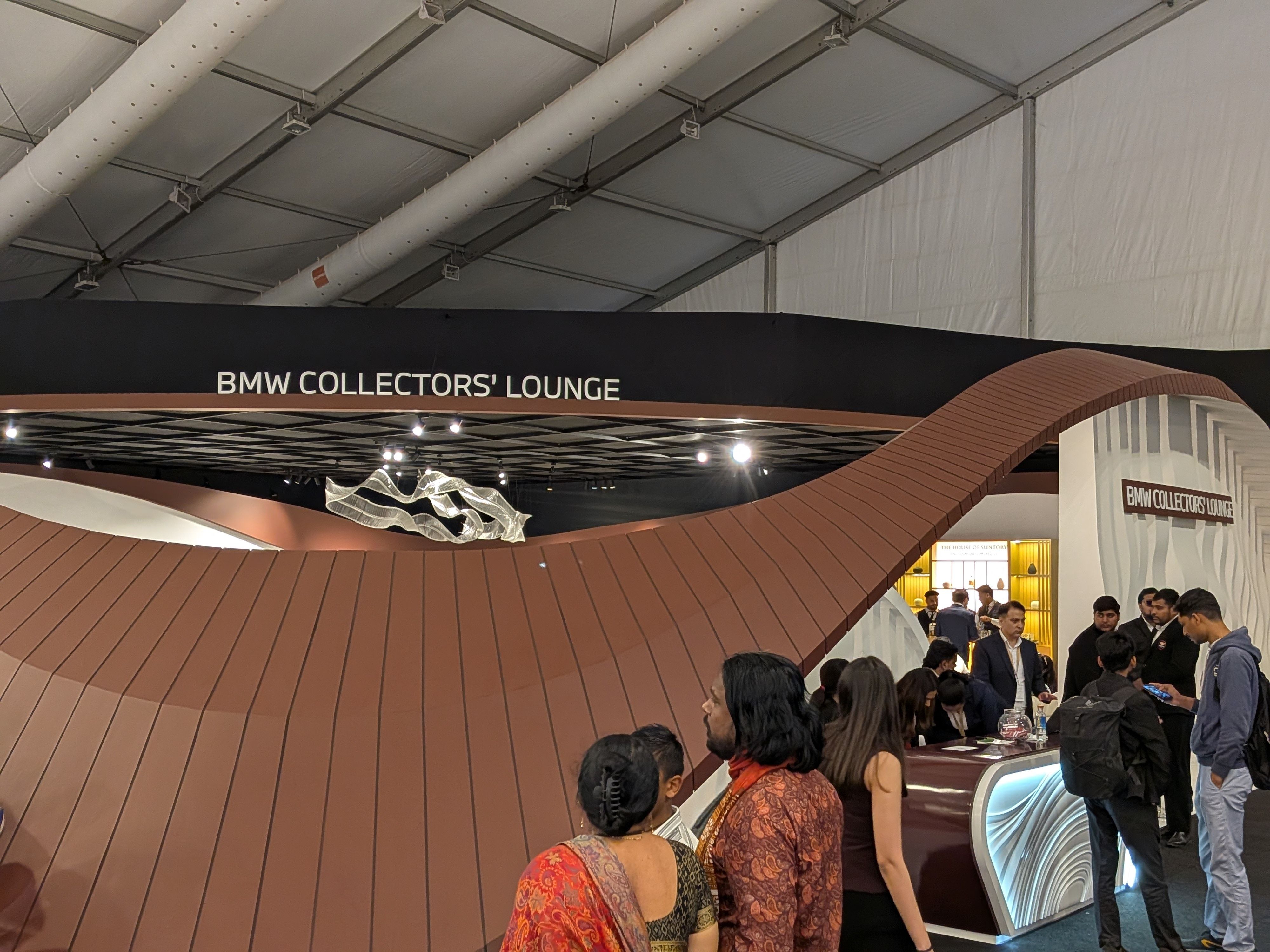
Sales were strong. Records were reportedly broken. An Olafur Eliasson work, The collective consequences of focus on focus (2022) was said to be in the $700,000–$850,000 range, and a bronze sculpture by modernist Meera Mukherjee sold higher: at around ₹12 crore, or $1.4 million. ‘Maybe it’s the new lounges,’ a VIP assistant joked, referring to the four lounges anchoring each hall, partnered with new brands and drawing deep-pocketed collectors from Surat, Ludhiana, Indore—cities beyond Delhi and Mumbai.
Indian and South Asian art is clearly having a moment. India has revealed details of its pavilion at the Venice Biennale for the first time in seven years. KNMA announced a new CEO over lunch, ahead of its forthcoming expansion into a 100,000-square-metre museum. Collectors were travelling to international fairs; gallerists were returning from Art Basel Qatar, despite overlapping dates. There was palpable excitement around Marina Abramovic’s upcoming ‘performance lecture’ at the Kochi-Muziris Biennale the following week.
‘But we don’t have spaces to talk to each other any more,’ a major artist said. ‘Even the critical spaces, including the biennale, are starting to feel gallery-owned. It’s all very commercial now.’ Or, as Indian artist Yogesh Barve put it a few weeks earlier at an opening at Art and Charlie in Mumbai, speaking about Dalit art and Indian art’s growing international visibility and the gaze it invites: ‘People confuse being invited with having power. But if your presence changes nothing, you are not a threat. You are a decoration.’
That evening, the art world decorated itself—cars pulling up at Sangita Jindal’s home to mark 30 years of Art India magazine, then moving on to Delhi-based art collector, artist and philanthropist Shalini Passi’s party, newly legitimised by Netflix visibility and preachings from her book The Art of Being Fabulous (2026). By the weekend, it spilled into the Raw Mango party: artists, collectors, and art workers in various stages of drunken proximity, dancing to Desi remixes.
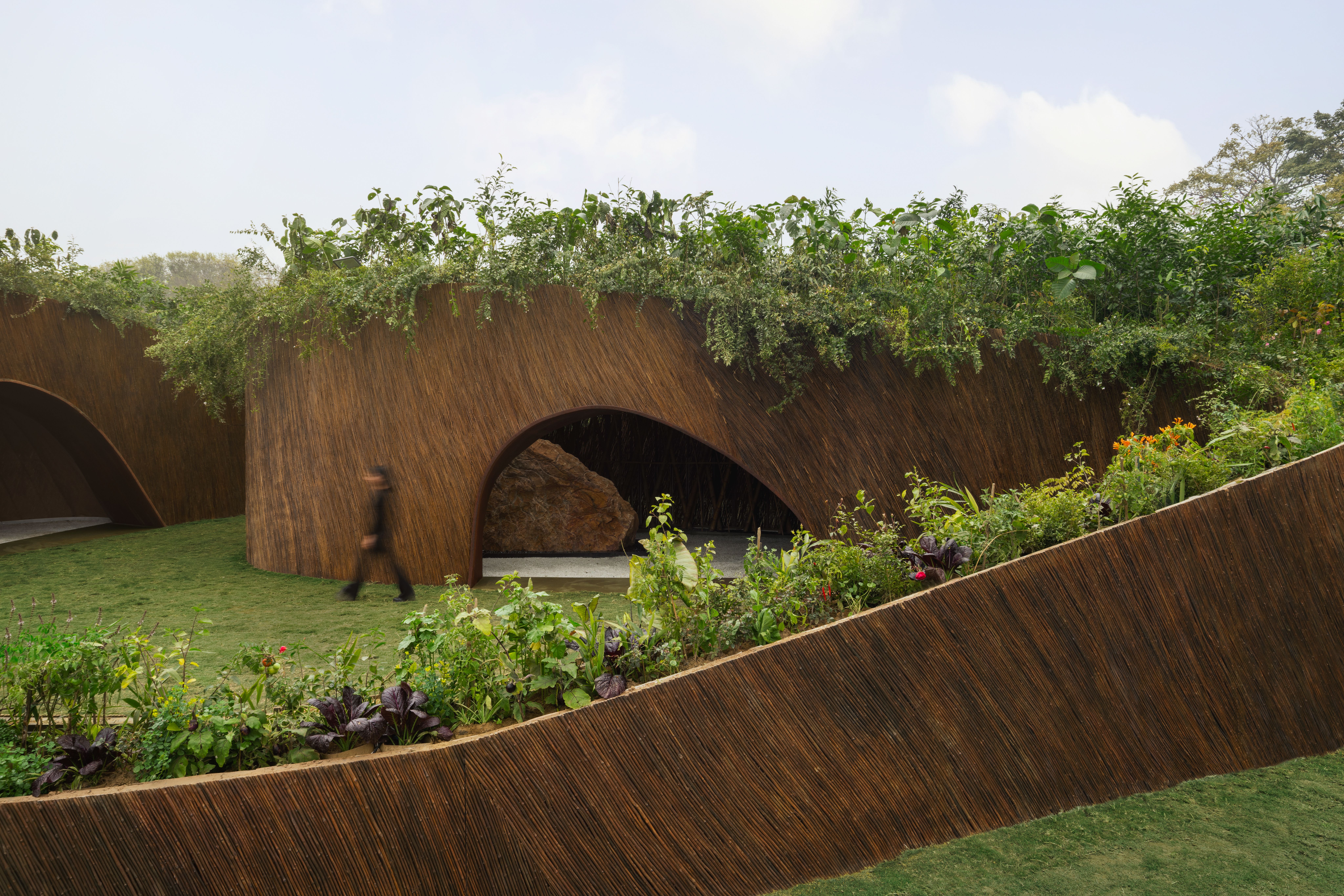
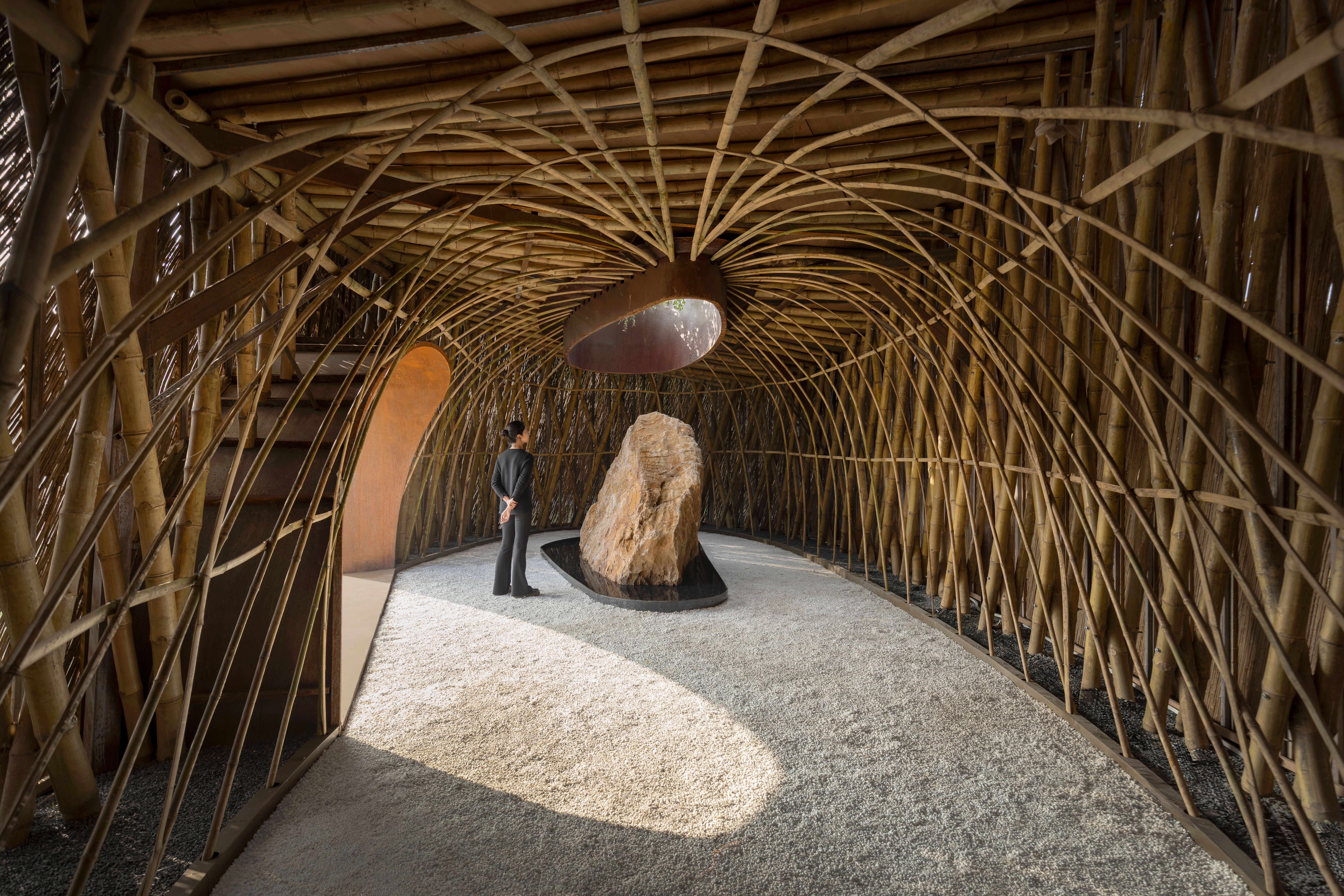
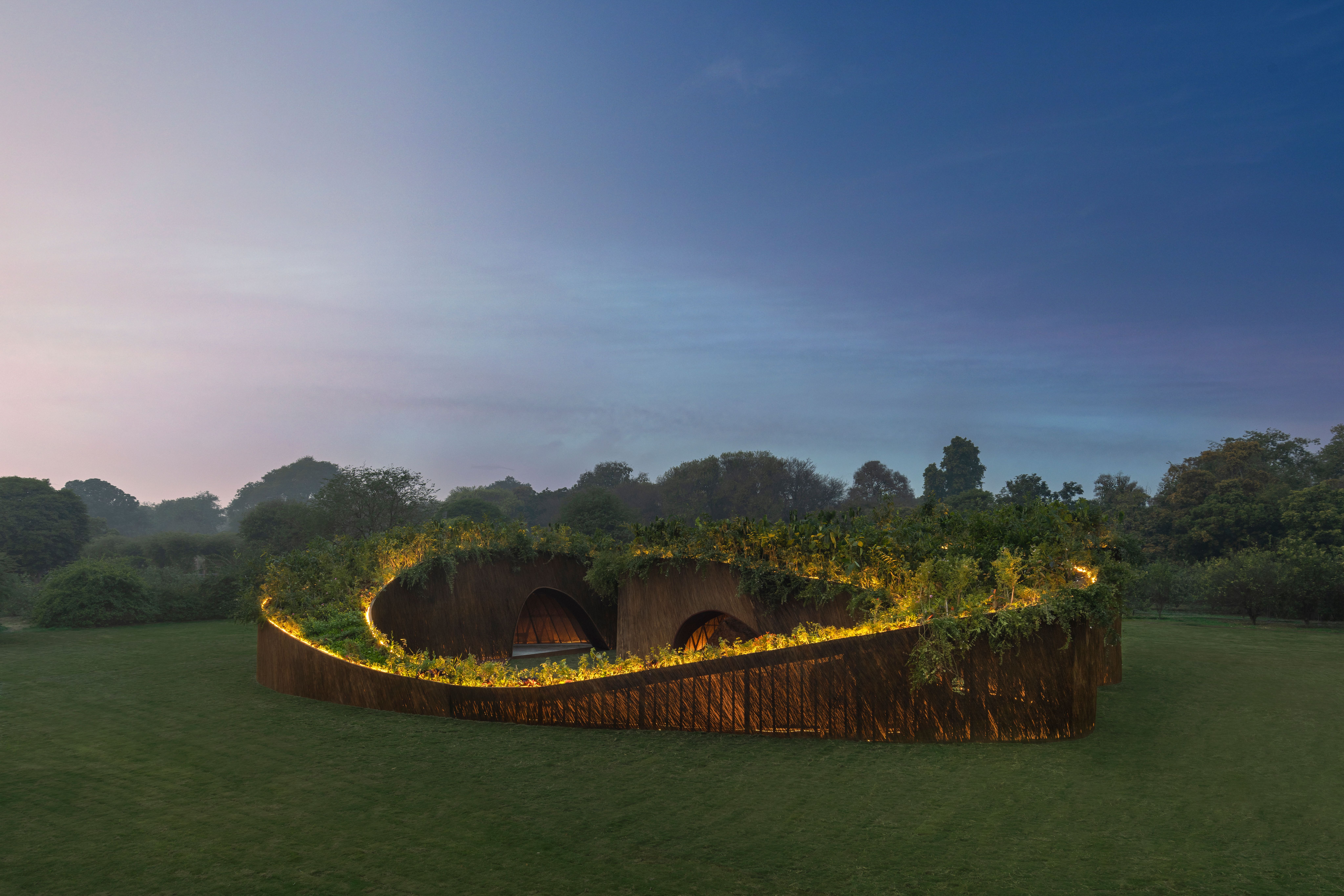
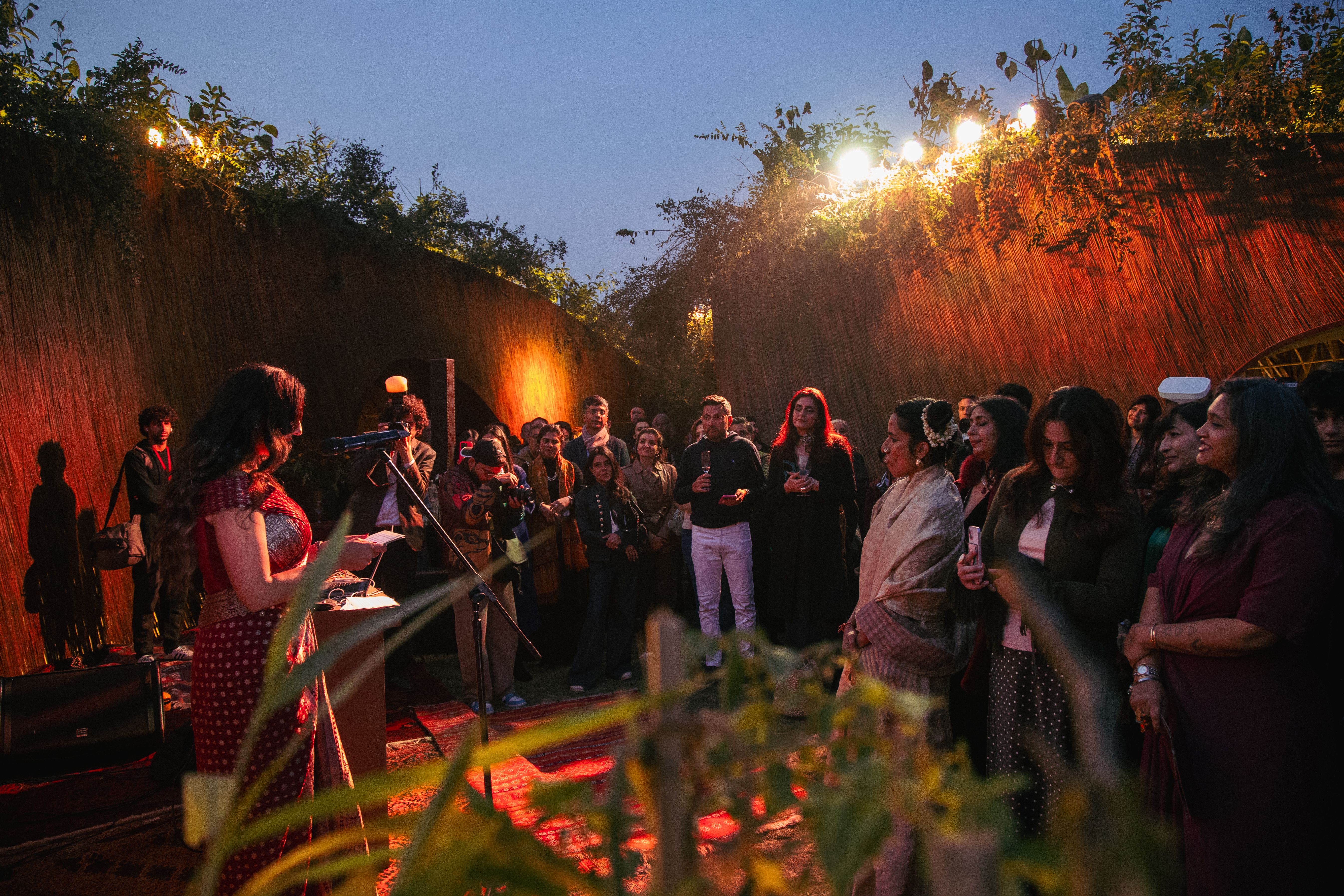

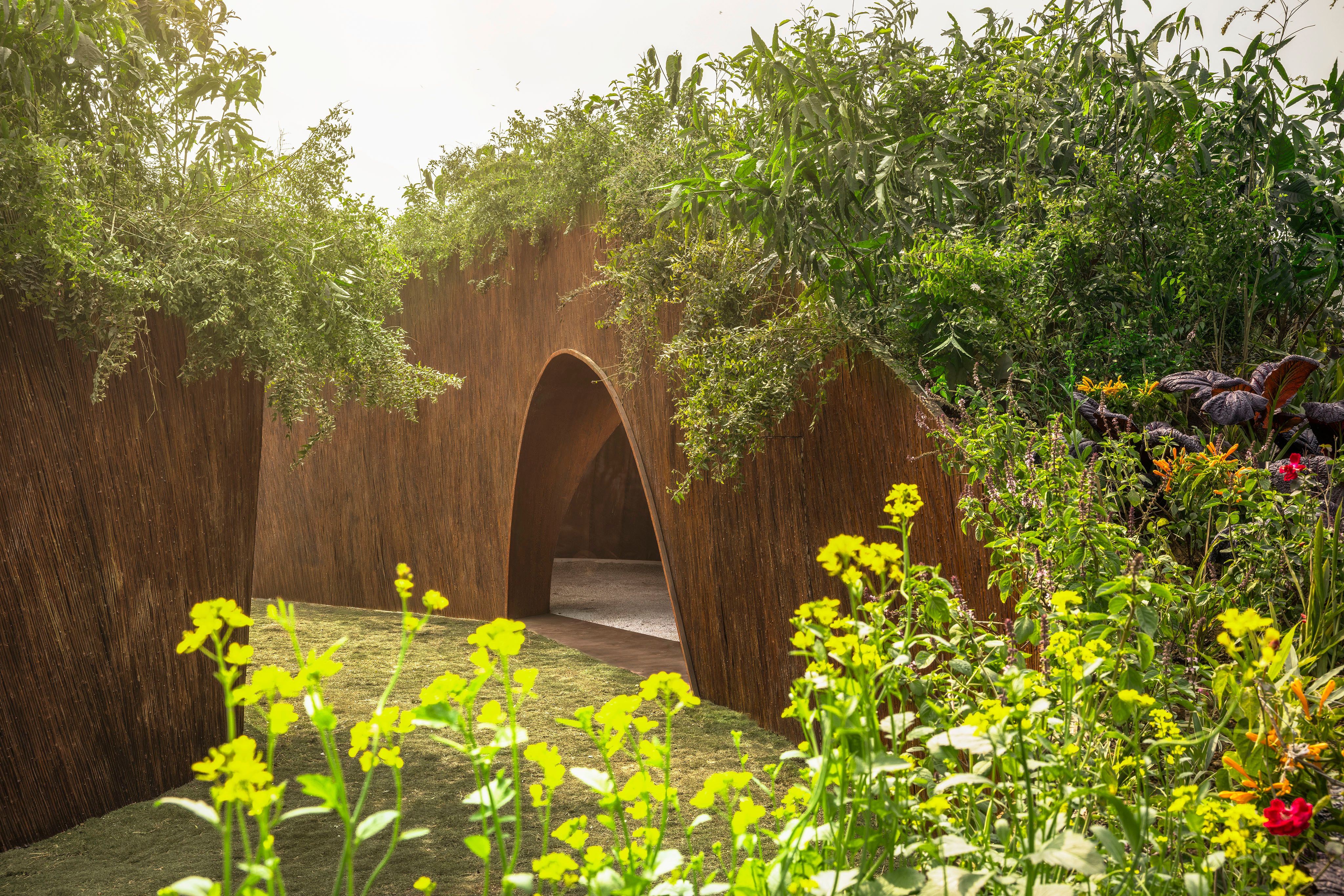
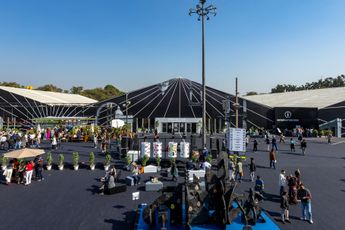
The next day, while I was at the monumental Aranyani Pavilion (the first ecological art and architectural commission of its kind for South Asia, inspired by India’s sacred groves) in Sunder Nursery, looking for some quiet away from the fair, I was told that Ai Weiwei had visited. ‘He said it’s a fair with a heart,’ a volunteer stationed at the Galleria Continua booth told me. Perhaps. But it’s a heart beating very fast, anxious with activity. One that might need to slow down and think. —[O]
Main image: Aranyani Pavilion, Sacred Nature (2026). Photo: Aranyani Life.























A respected voice in contemporary art discourse.
Focusing on ambitious storytelling and insightful art-world commentary. Ocula Magazine publishes in-depth interviews, critical essays and timely analysis on the artists, exhibitions and ideas driving the global art world.
Learn more about Ocula Magazine
Showcasing the best of the art world.
Ocula partners with galleries from around the world to highlight their artists, artworks and exhibitions. Gallery membership is by application and invitation, with each member vetted by an independent panel.
Learn more about Ocula Membership
Specialises in the sale of major artworks.
Led by a team with deep ties to the world’s leading auction houses, galleries and collectors. Ocula’s advisory team offers bespoke services to high-net-worth clients from around the world who are looking to acquire the best of contemporary and modern art.
Learn more about our team and services