






Human Resources
What is the most revolutionary moment of progress in human history? Four artists whose work is part of the monumental reopening of the New Museum in New York City share the ideas that influence their creative practice. Save to My OculaAs a child, my bedtime was strictly enforced, and the only time this rule was enthusiastically thrown out the window was when my family was going to watch something related to outer space: UFOs, aliens, or some other beyond-human paranormal phenomena. So I’m not going to suggest that my reaction to the New Museum’s inaugural reopening exhibition (after the lower Manhattan institution closed for two years for an $82 million USD expansion to twice its former size) is without bias.
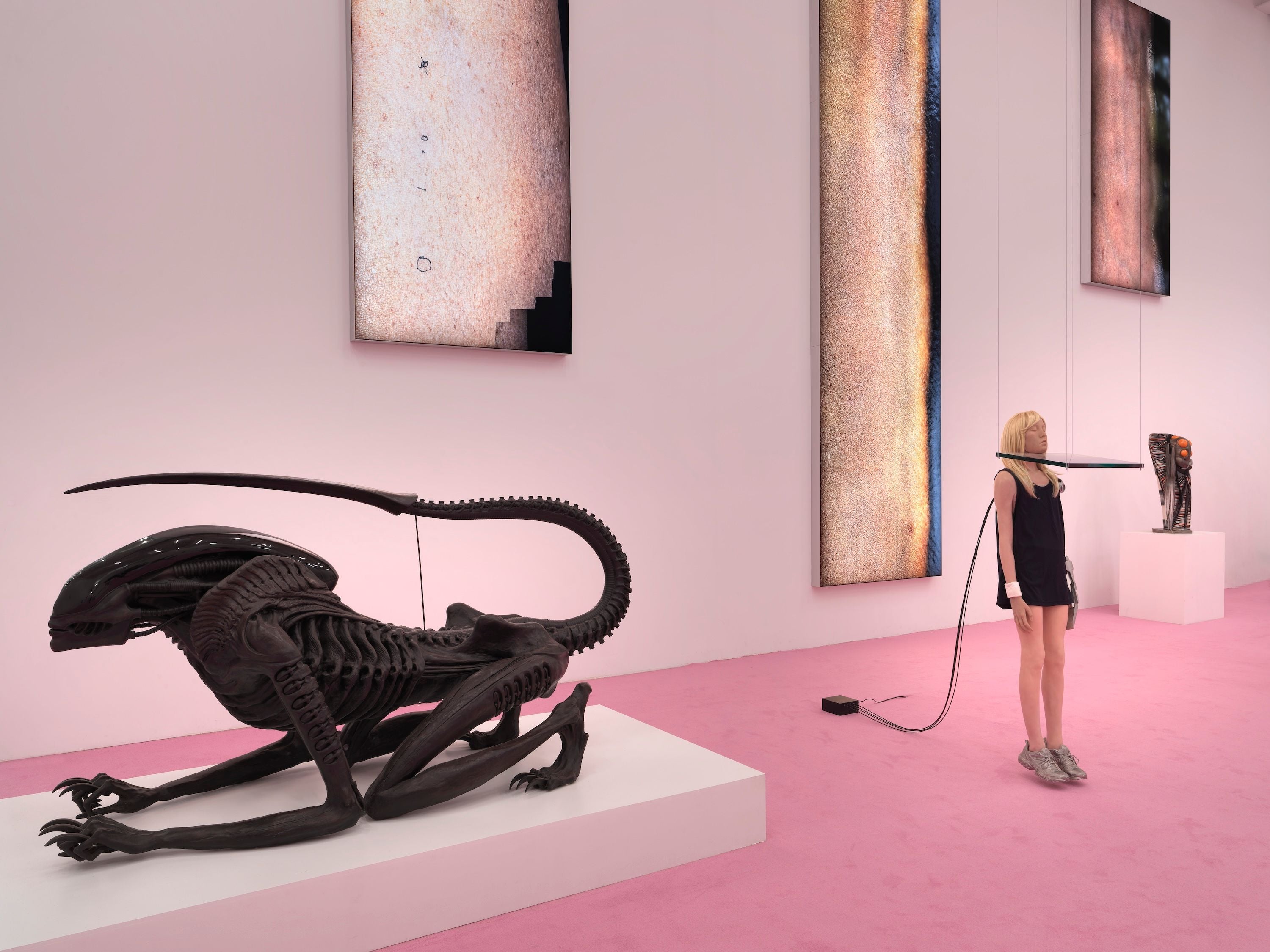
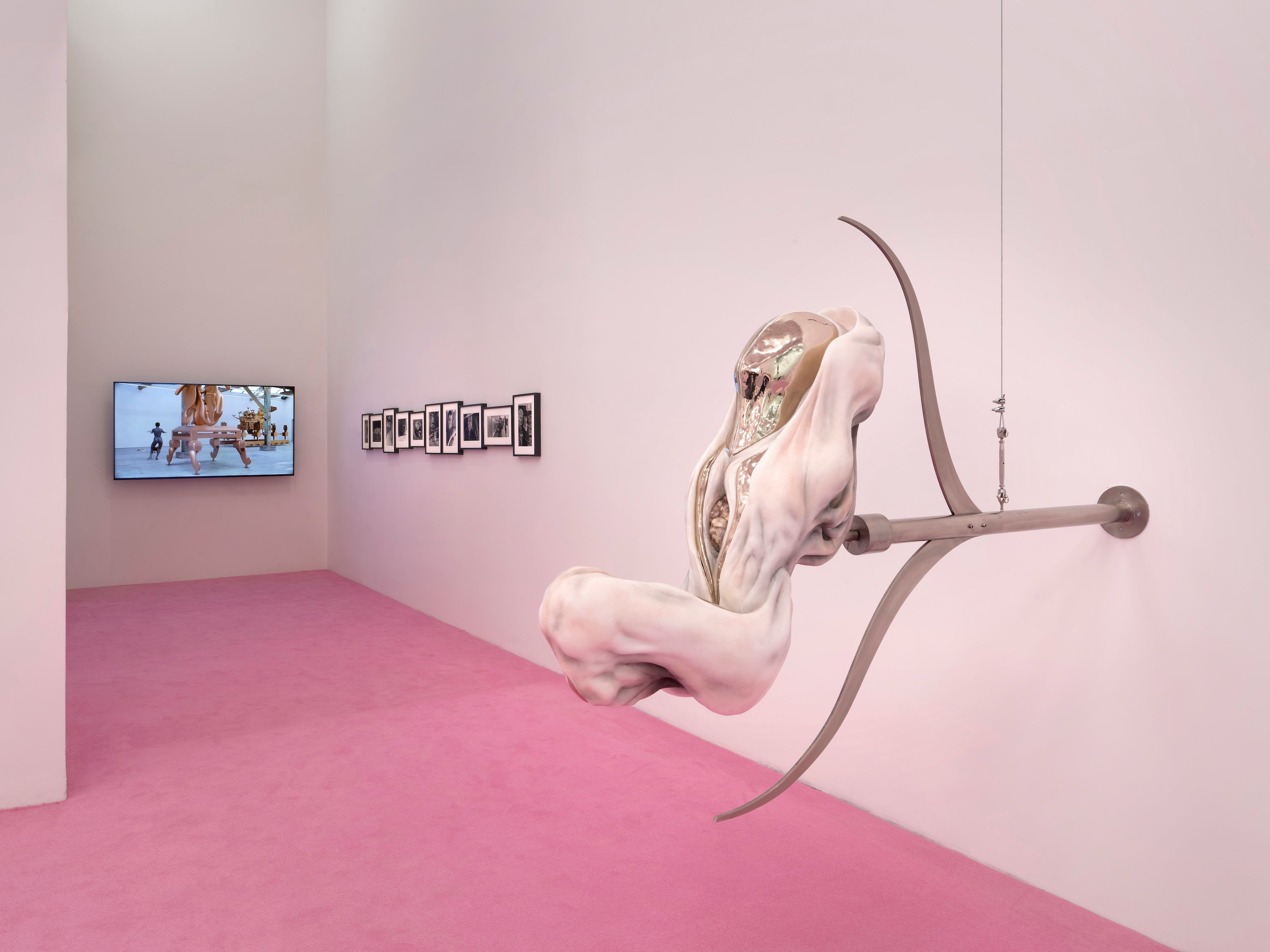
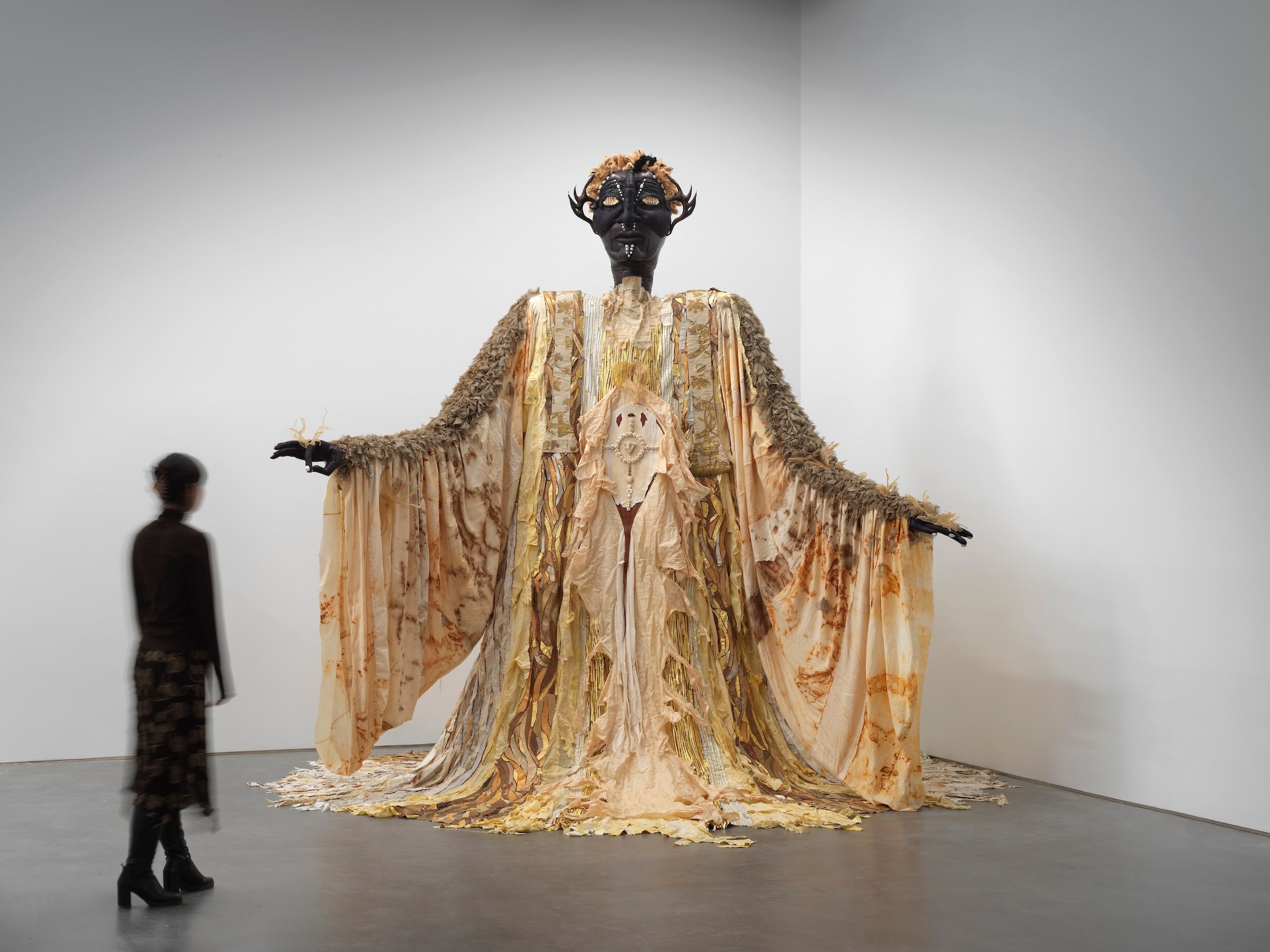
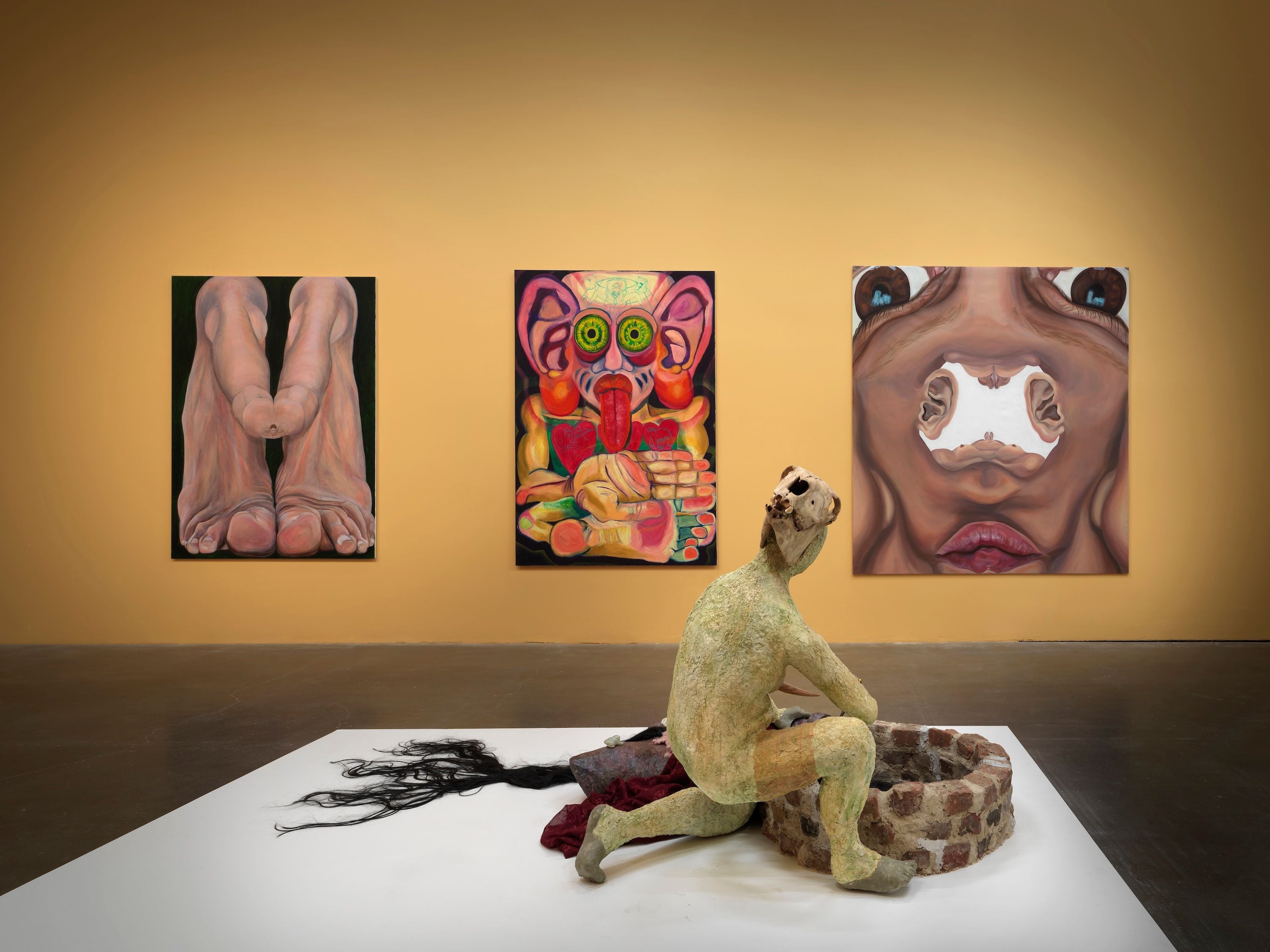
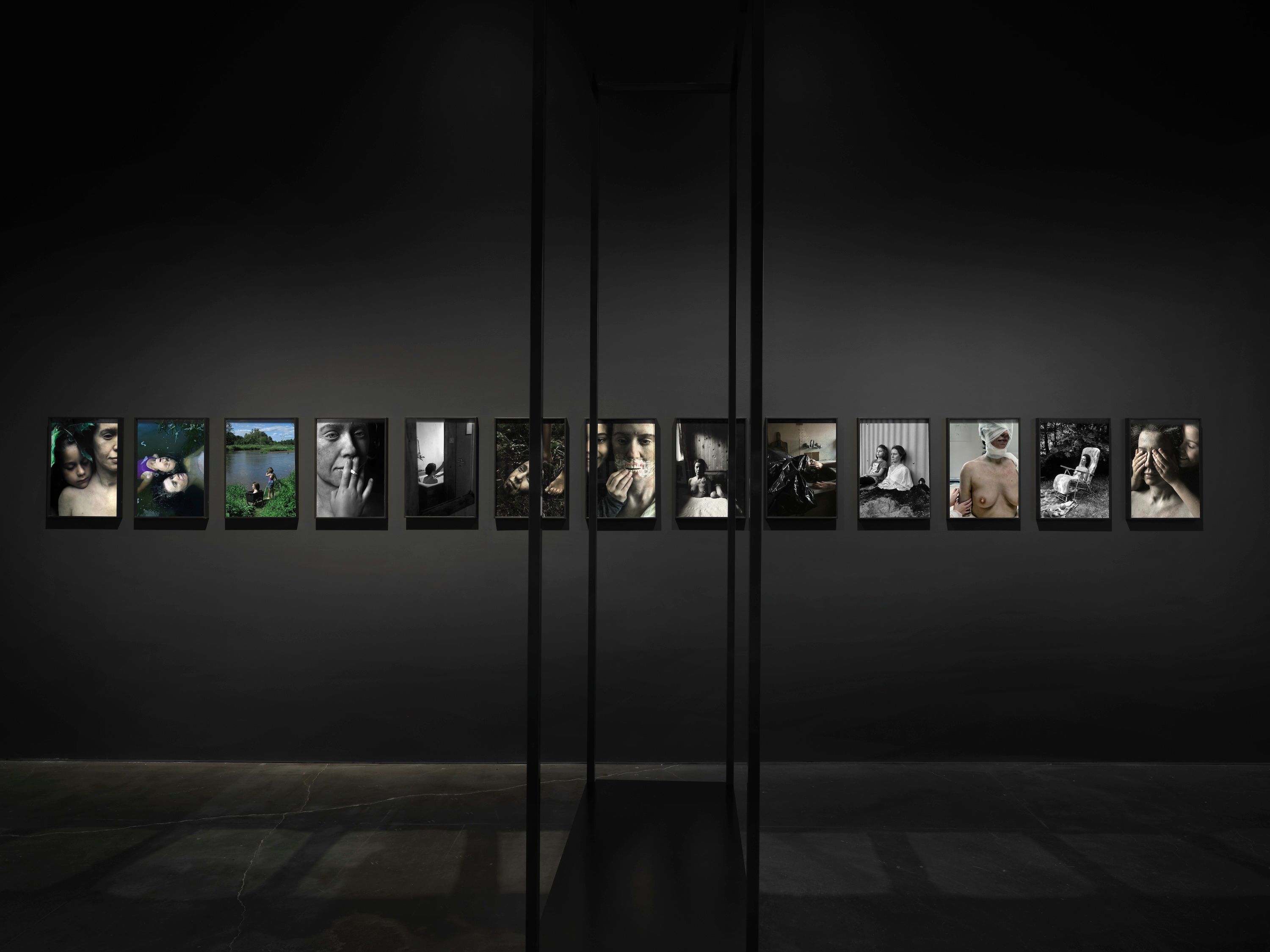
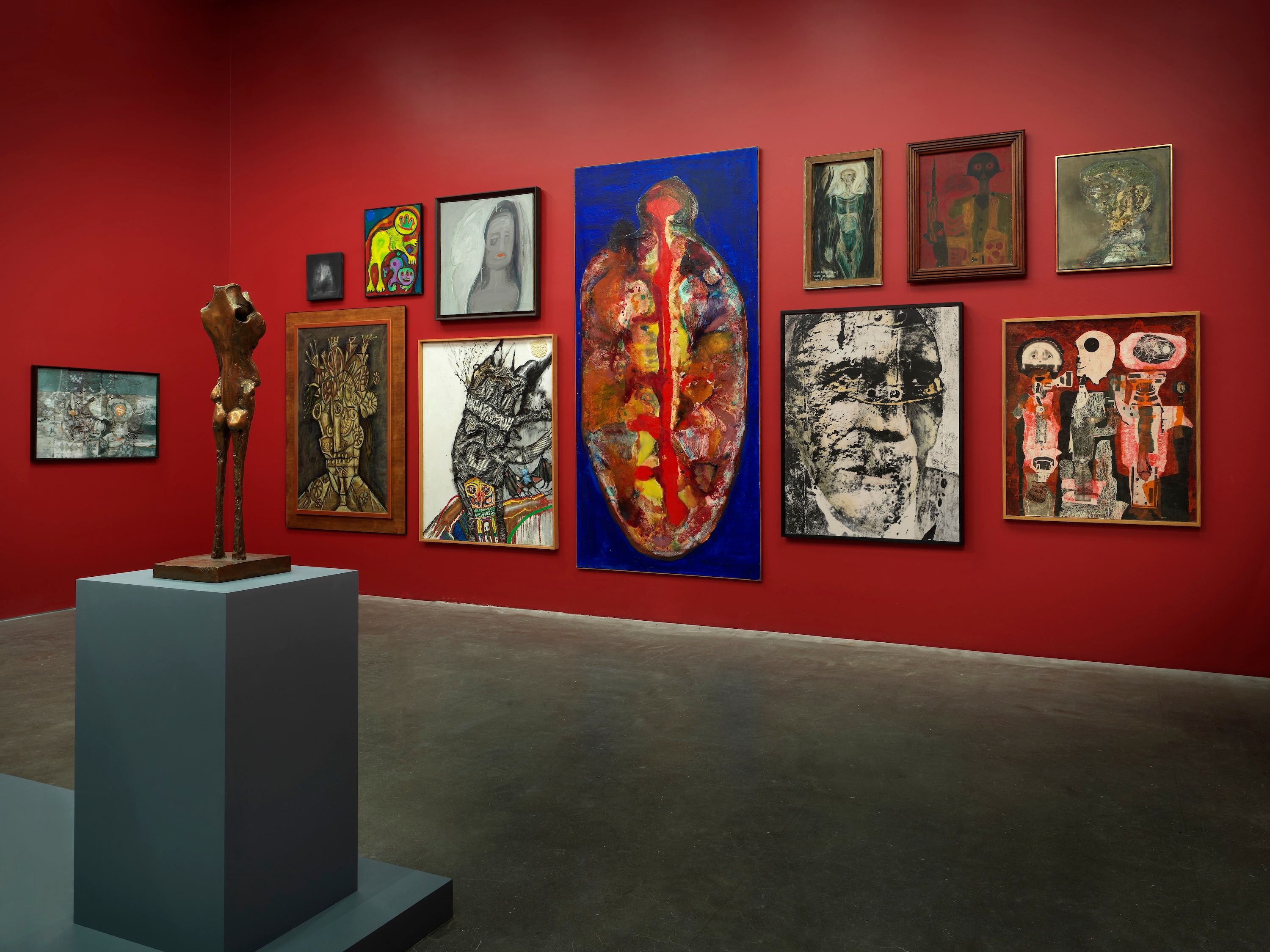
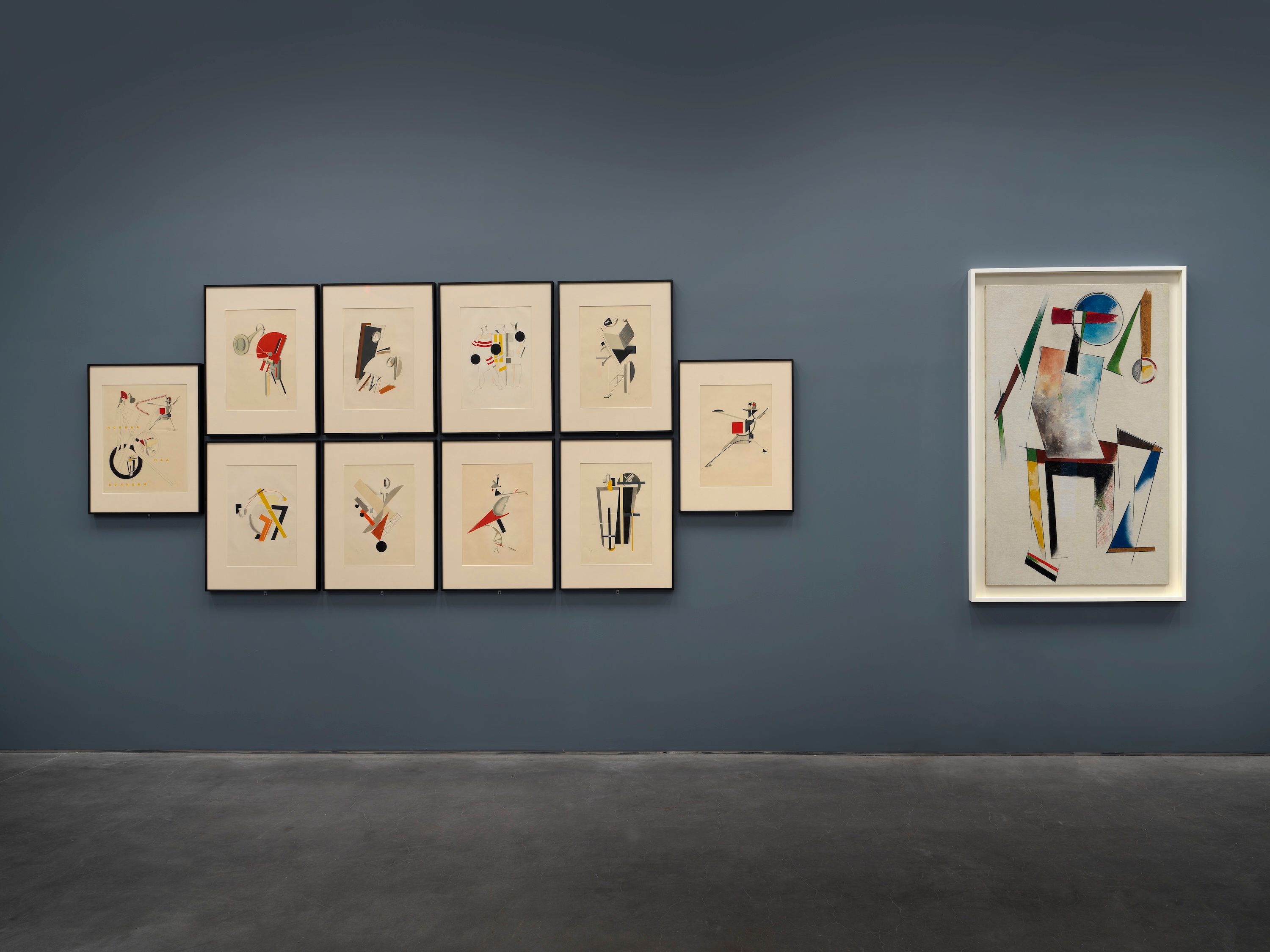
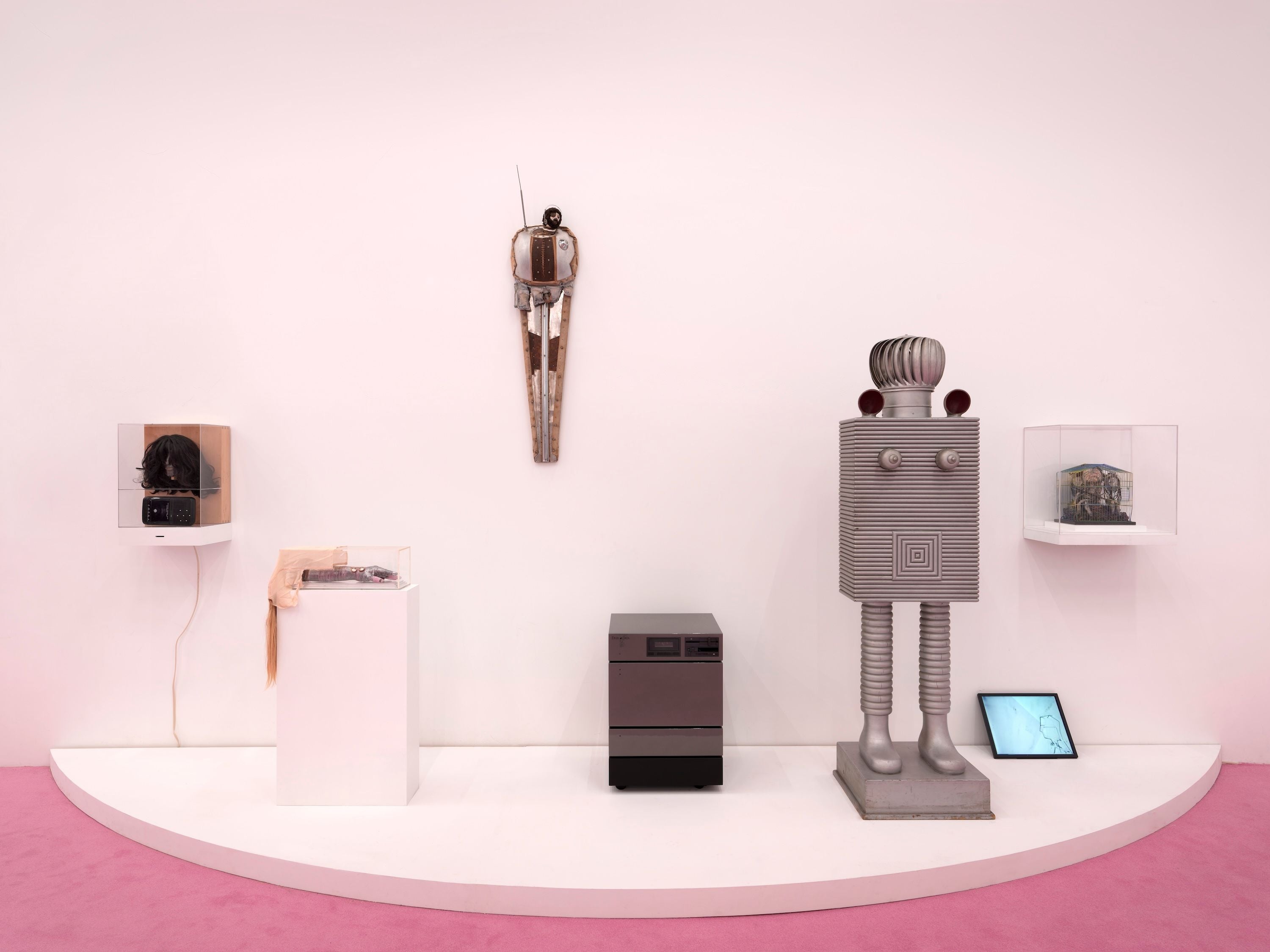
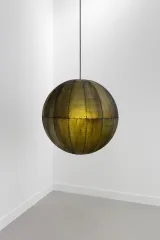
New Humans: Memories of the Future, curated by the museum’s artistic director Massimiliano Gioni, is stuffed with some 732 individual contemporary and historic works, brought together to ask what it means, phenomenologically and otherwise, to be human—including how we might imagine life beyond our own reality. What with the sight of Swiss sculptor HR Giger’s crouching life-sized Xenomorph (the fictional extraterrestrial species in the Alien film franchise), displayed opposite Italian special-effects artist Carlo Rambaldi’s skeletal model of E.T., all while Korean artist Anicka Yi’s UFO-like aerobes, In Love with the World (2021) float gracefully above—this presentation could conjure nothing less than a drooling Pavlovian response from my inner child.
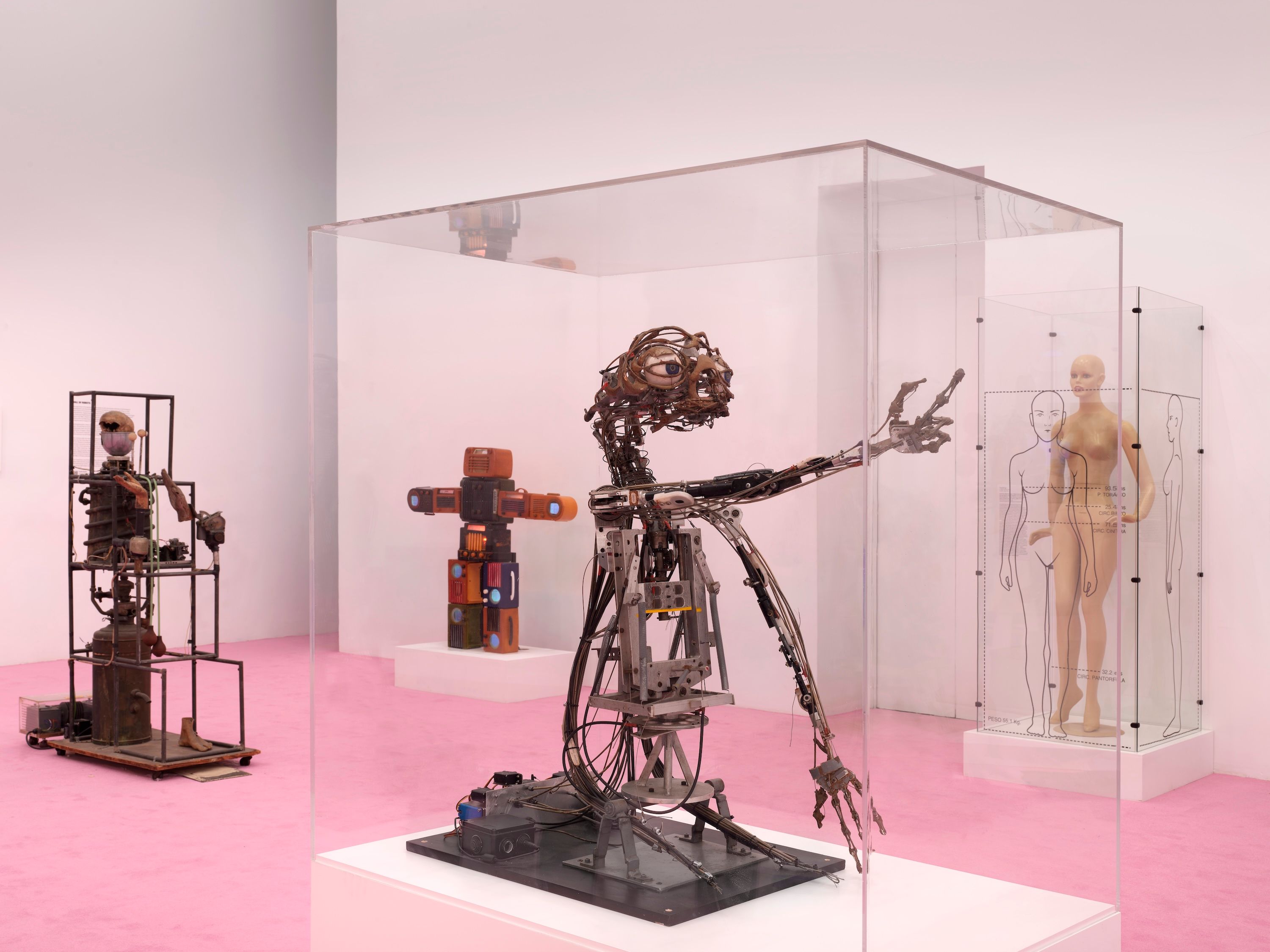
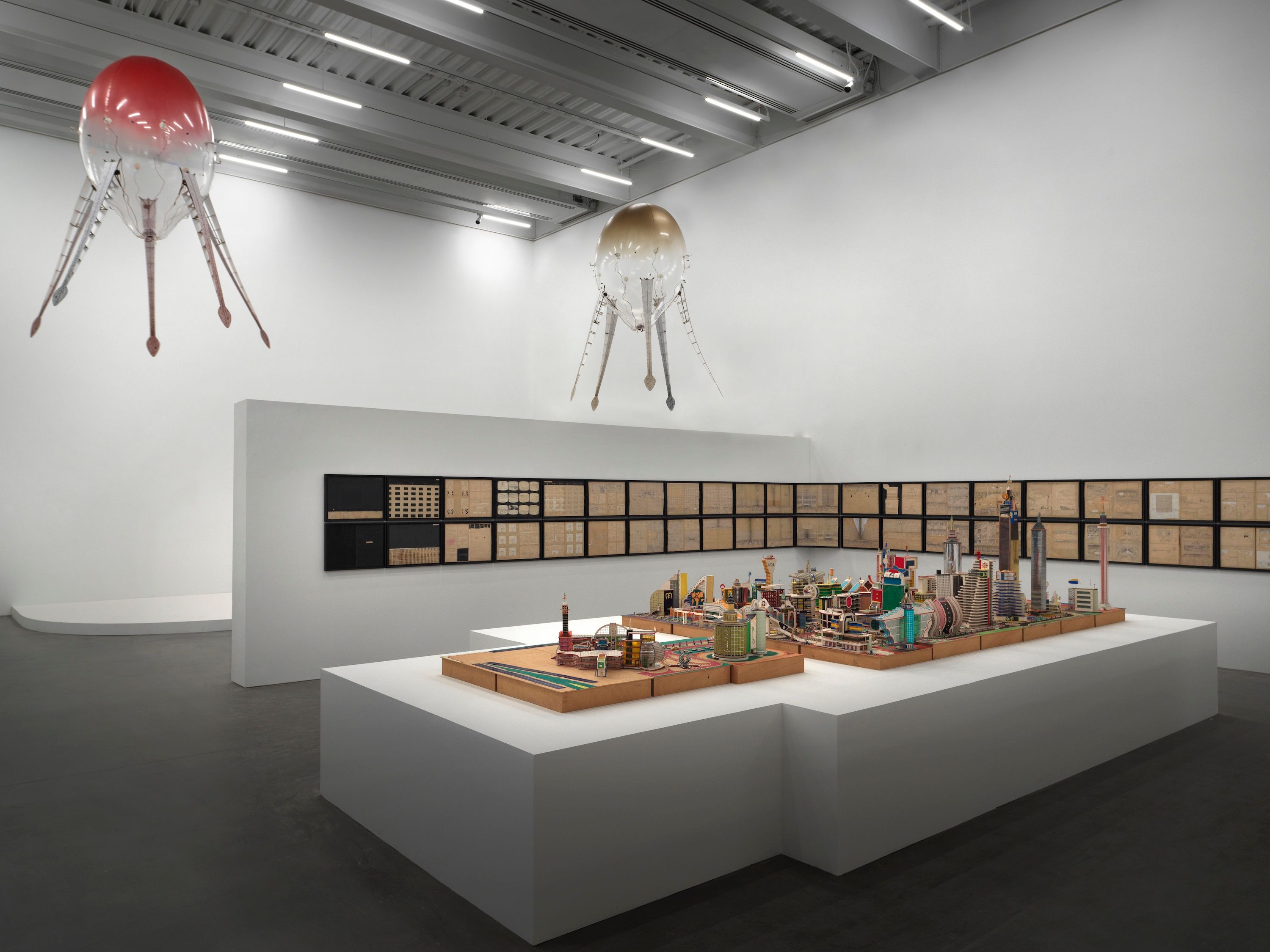
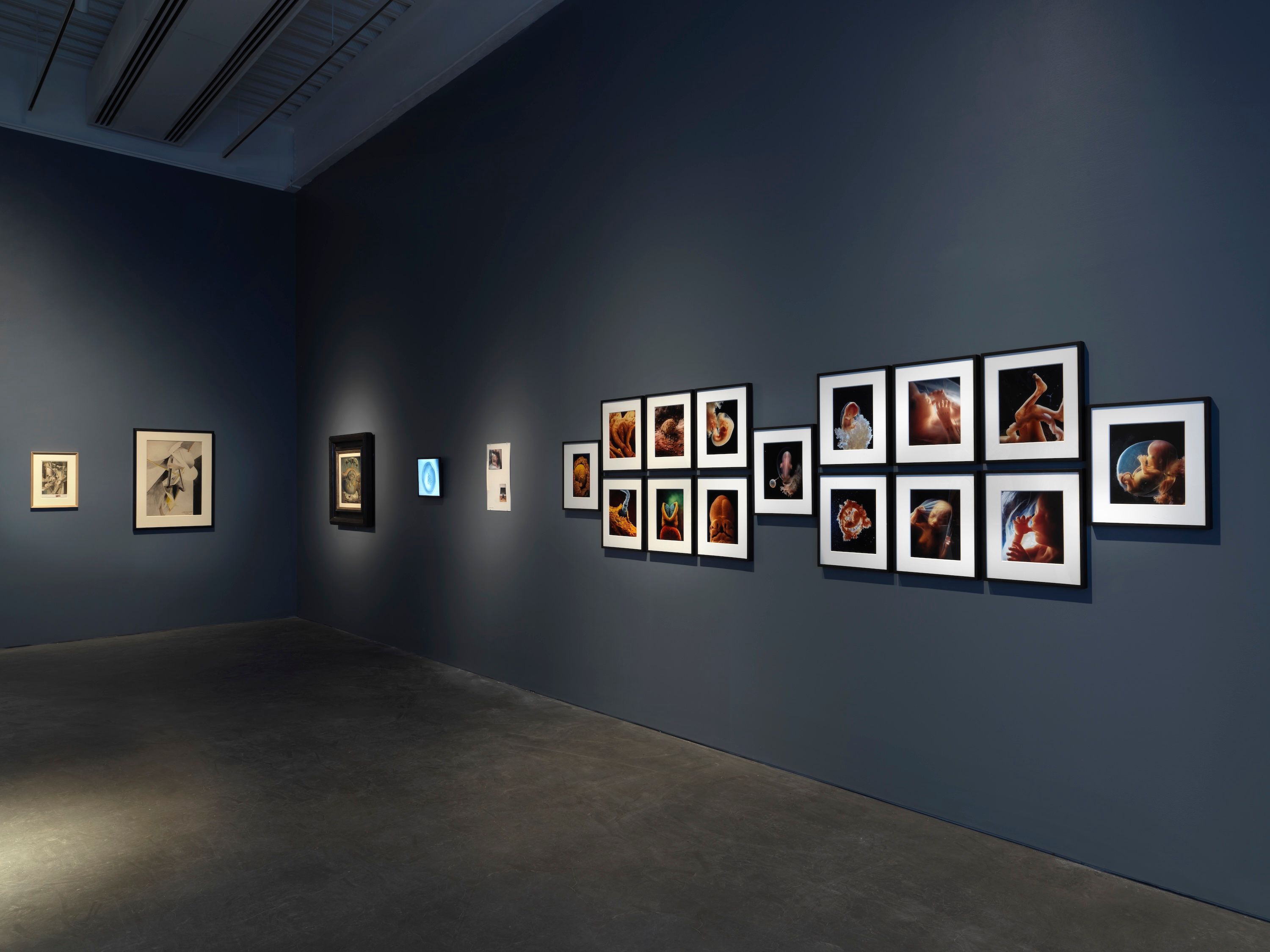
The more than 150 assembled artists reflect what it is like to have, and live within, a body composed of thoughts, skin, bones, secretions, hormones, desires, antibodies, and all the rest. It is a massive science fair-slash-magic show—and this is not a slight. Works on show include Swedish science photographer Lennart Nilsson’s groundbreaking macrographs of proverbial “new humans” in the womb, captured in 1965 for LIFE magazine. And then there are a significant number of new commissions, including German artist Hito Steyerl’s brilliant film Mechanical Kurds (2025), wherein the artist positions a group of Kurdish refugees employed as “microworkers” by Amazon as contemporary analogues to Hungarian inventor Wolfgang von Kempelen’s Mechanical Turk, a chess-playing automaton that turned out to be a hoax. The two shouldn’t necessarily make sense side-by-side, and yet throughout the show it is these unexpected combinations, across time period, genre and thematic concern, that coalesce.
“It is a massive science fair-slash-magic show—and this is not a slight”
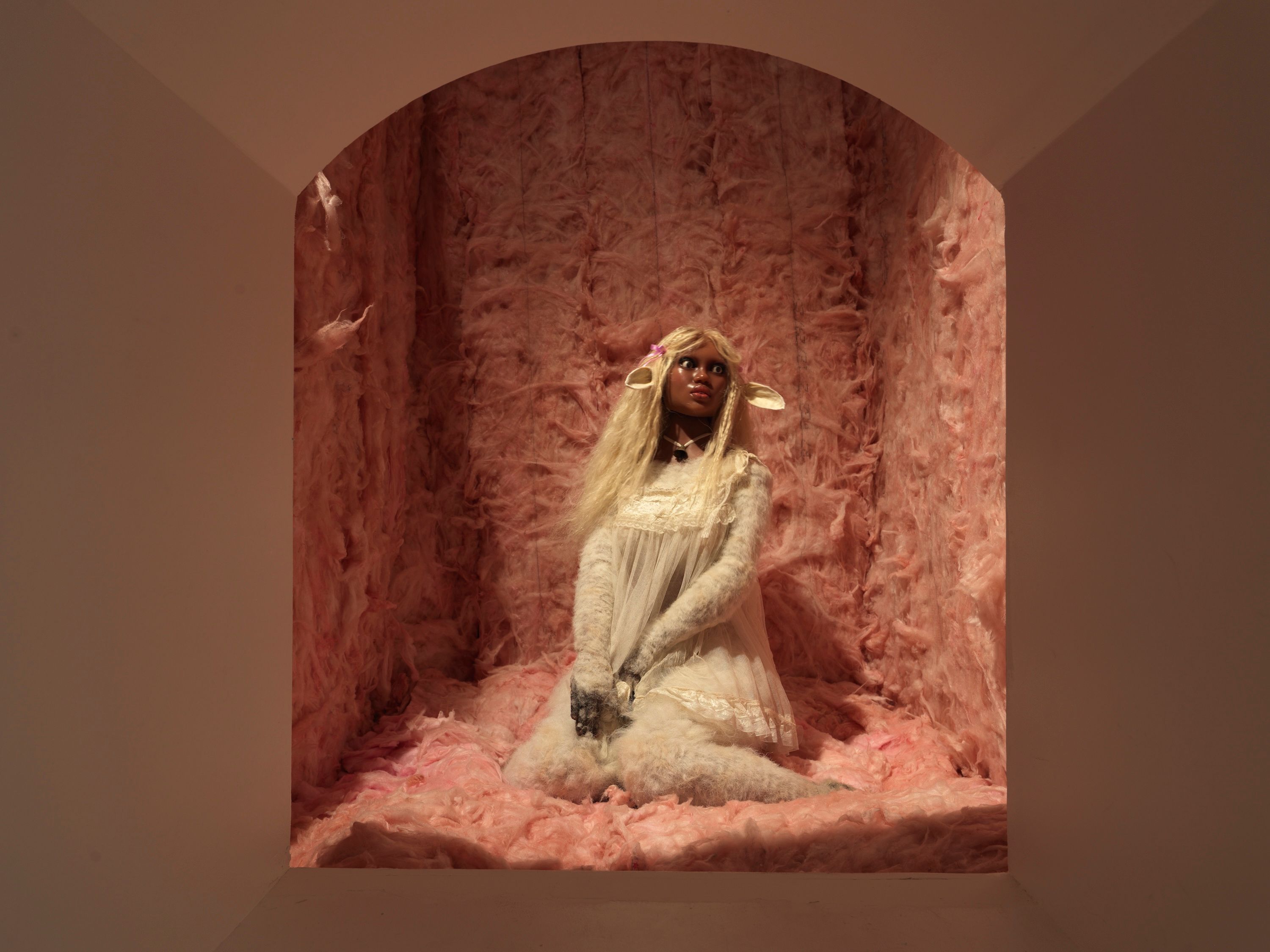
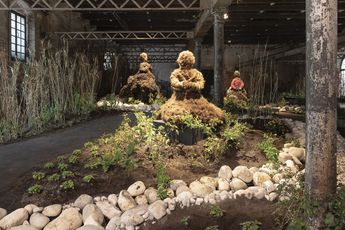
Dispersed over three floors, the works are grouped by theme (“Prosthetic Gods”, “Mechanical Ballets”, and “Hall of Robots”, to name a few) with pieces additionally nestled in elevators and stairwells—including Nigerian-American artist Precious Okoyomon’s When the Lambs Rise Up Against the Bird of Prey (2024), a beguiling animatronic lamb-girl peering out from a nest of pink candyfloss-like insulation. The exhibition’s presentation is objectively audacious—a fellow critic muttered the military phrase “shock and awe” (a strategy of rapid dominance used in war) to me derisively. Taking that phrase literally, I would say that, yes, it’s about time that New York—which has limped along with half-baked, listless museum shows for a good decade now—produced an exhibition that conquers the viewer with overwhelming power and spectacular displays of force.
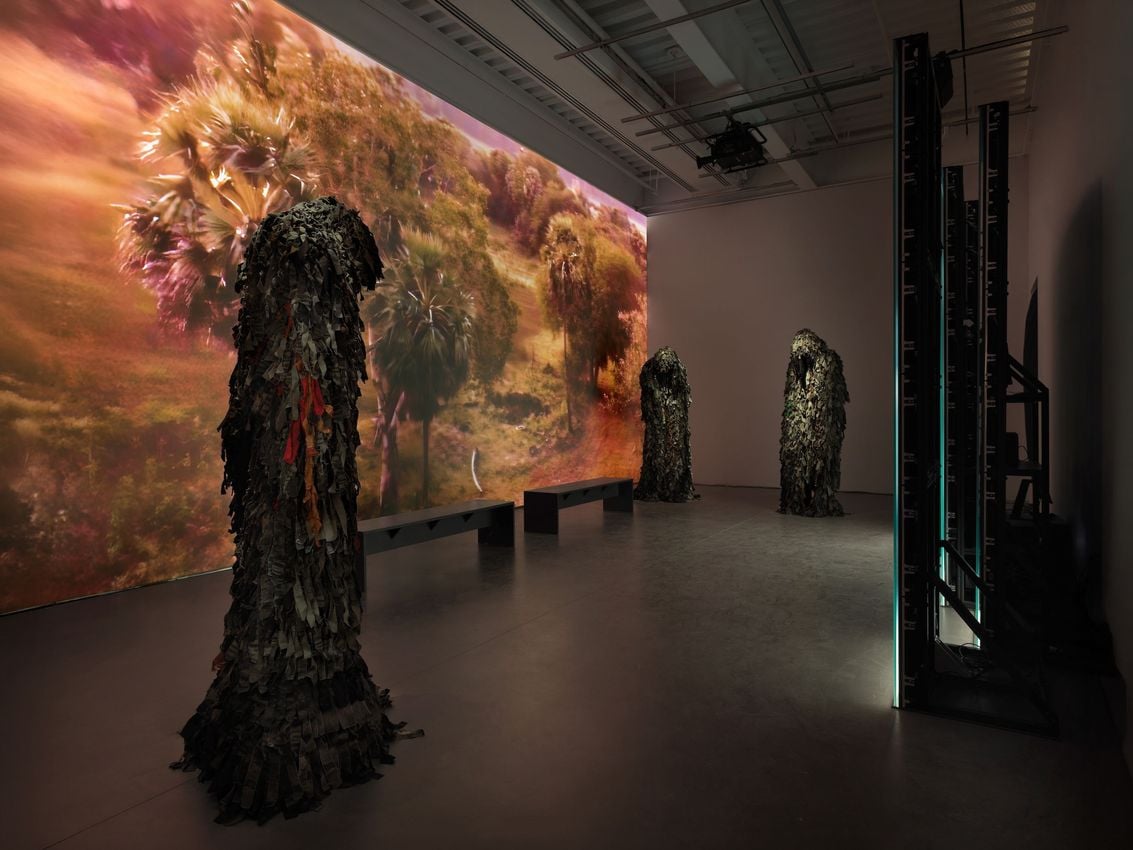
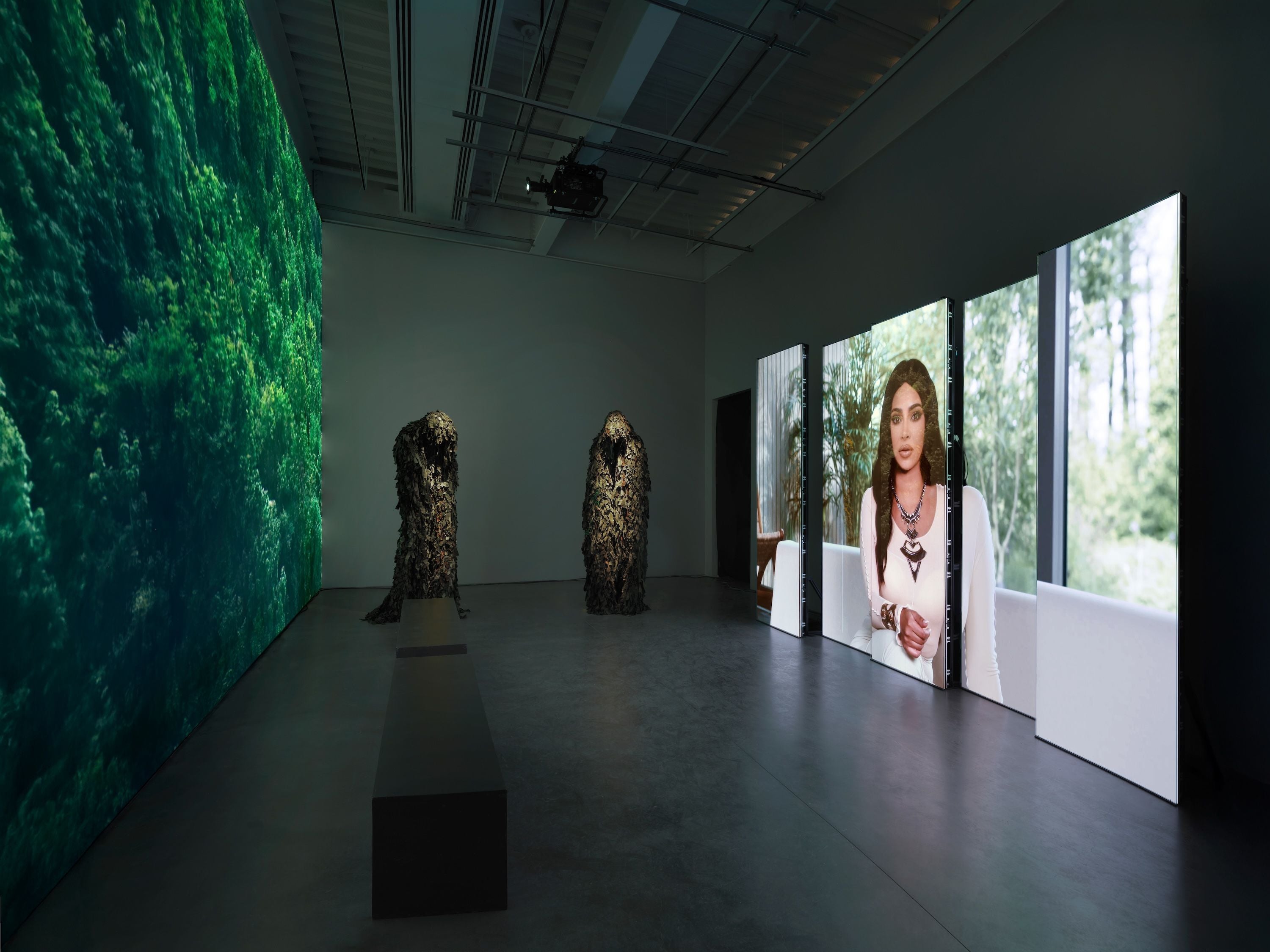
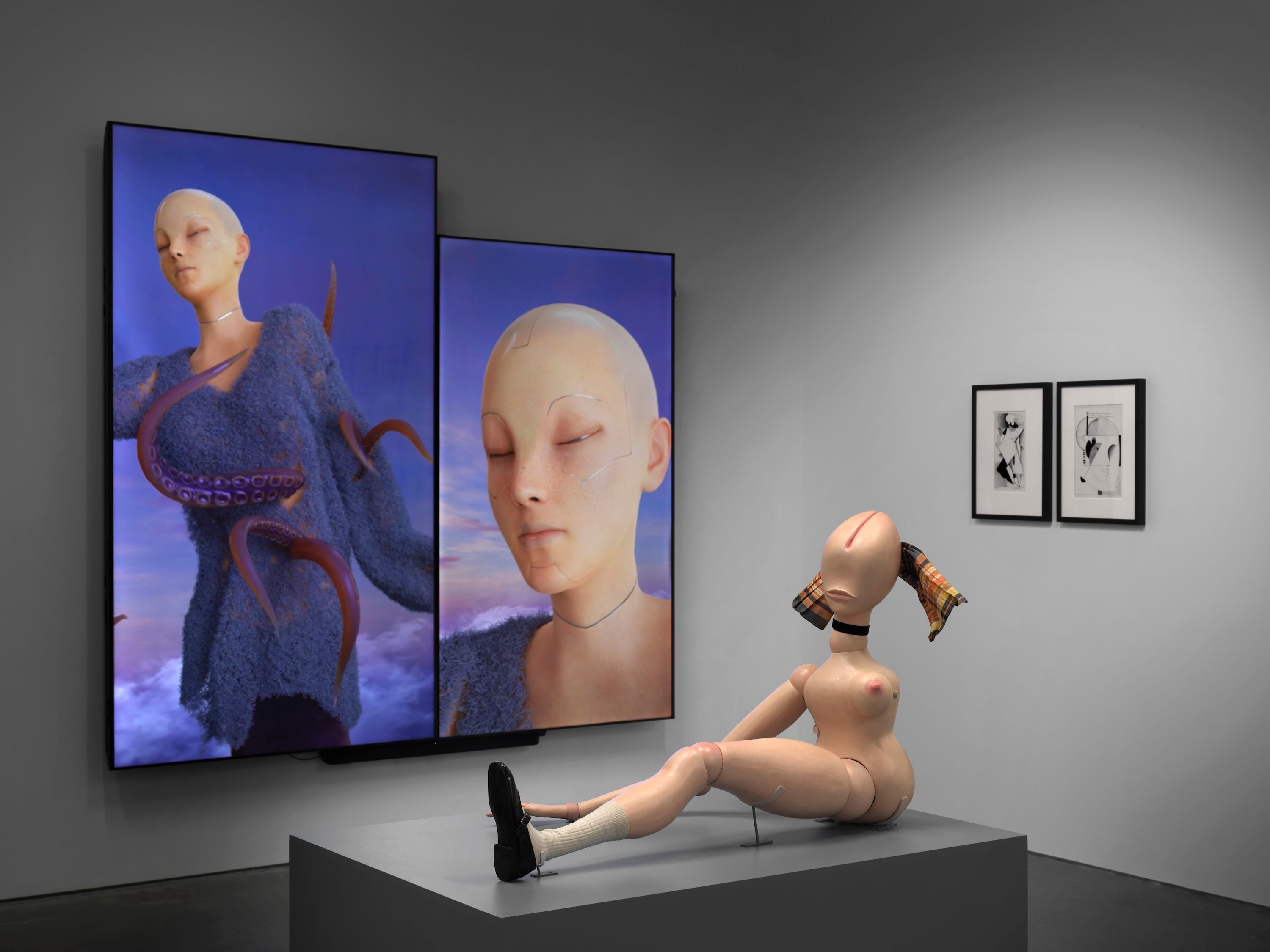
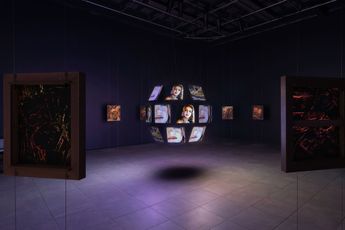
Tamil artist Christopher Kulendran Thomas’s film The Finesse (2022) includes a mirrored wall and ghillie suits (specialised camouflage clothing designed to break up a wearer’s outline original). These surround a film composed of a complex web of original, archival and AI-generated footage designed to tease out the inadequacies of the nation-state. It includes a deepfake of Kim Kardashian that Kulendran has specially trained with enormous amounts of Kardashian’s speech and speaking style; the only telltale sign of identity deception is a slightly thickened neck. It joins Steyerl’s film in my estimation as the two powerhouse inclusions in the exhibition.
In this context, surrounded by feats of engineering and fantasy, I wondered what the artists on show might consider the most significant development in the evolution of humanity. I asked four artists in the exhibition—Christopher Kulendran Thomas, LuYang, Jenna Sutela and Berenice Olmedo—for their one most revolutionary moment of human progress in history.
Christopher Kulendran Thomas (born 1979)
When I pose the question to Kulendran Thomas, his choice is surprisingly analogue for an artist who is prolific in his use of self-trained generative AI technologies in his work. “The printing press,” he tells me. “I think that particular technological platform shift is a very useful way of thinking about the scale of transformation that we could be at the very beginning of with AI.”
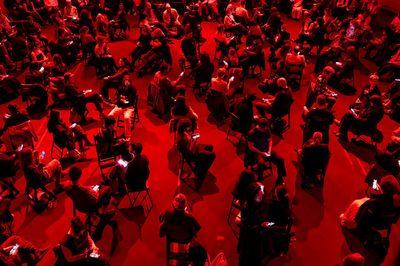
Of the hundreds of museum wall texts that accompany the works on show in New Humans, just one was written by AI. During an opening presentation, the exhibition’s curator Gioni claimed that this text really isn’t that different from its human-generated counterparts—perhaps foreshadowing what is to come. Many in the audience were visibly annoyed by this statement. But for Kulendran Thomas, their irritation is likely an already bygone virtue, one that belongs to the economics of the printing press, which “reduced the marginal cost of broadcasting information” while also reducing the number of humans who needed to be trained to do specialised work.
The 15th-century invention of the printing press aligns with the march toward capitalism that began in earnest in the 16th century, with the shift from feudalism to mercantilism. Thomas sees AI as the new turn in this system: rather than bringing down the cost of distributing information, it will “bring down the cost of intelligence, which is likely to be a bigger deal”. Thomas optimistically envisions a post-capitalist world wherein machines are trained to do the chores of intelligence, leaving humans free to pursue their desires in a post-scarcity economy.
LuYang (born 1984)
Shown in the museum’s elevators, Chinese digital artist LuYang’s paired video works DOKU Heaven and DOKU Hell (2024 and 2025) feature an animated, gender-fluid, asexual projection of the artist named Doku (short for “Dokusho Dokushi”, meaning “We are born alone, and we die alone”). According to the exhibition’s catalogue, “The phrase derives from a Buddhist sutra, which stresses both the solitary nature of existence and the manifold embodiments or reincarnations possible within Buddhist cosmology.”
For LuYang, the most significant breakthrough in the evolution of humanity is not a tool or technology but the Buddha’s awakening, looking beyond technology to other notions of progress. As they reveal to me when we speak: “Scientific discoveries and technological inventions have transformed the conditions of life but they do not resolve the core problem of suffering—how the mind constructs a self, clings to it, and turns the world into a cycle of craving and fear. The Buddha’s enlightenment represents an evolution of consciousness: an insight into dependent origination and the emptiness of fixed identity.” It is a perspective that directly informs the artist’s work. “Awakening, to me, is the most radical human upgrade.”
Jenna Sutela (born 1983)
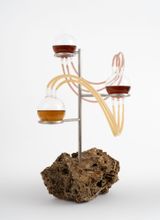
Finnish-born artist Jenna Sutela’s sculptural contribution to the exhibition, HMO Nutrix (2022) is a “live milk feed” in the form of a fountain offering synthetic human milk powered by breast pumps. Like LuYang, she is interested in the evolution of humanity beyond the material, and into planetary dimensions beyond our own. Earlier work by Sutela explored the fallibility of early low-resolution telescopes, which led astronomers to believe—mistakenly—that they had discovered canals on Mars which might make the planet habitable. “I’m interested in such moments when our tools of observation shape what we think we see—and how we need to approach them with this in mind,” she says.
Yet it remains important to leave room for the unexplainable in human thought. In response to my question, Sutela points to the late 19th-century spirit medium Hélène Smith, who claimed she could communicate with Martians during séances. “Her Martian language is considered one of the first documented forms of glossolalia: speaking in tongues, or vocalising speech-like syllables that lack any readily comprehensible meaning,” she says. “The séance and the observatory are not so different: both are instruments for reaching towards something just beyond comprehension. And language, like a telescope, is another tool capable of conjuring entire worlds.”
Berenice Olmedo (born 1987)
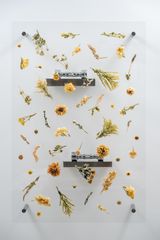
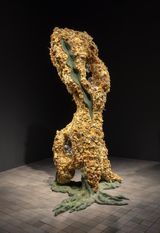
In the work of Mexican sculptor and performer Berenice Olmedo, the mysteries and frailties of the human body are made evident. Olga (2018), on show in New Humans, is part of a body of work that features medical devices originally custom-made for children. As discarded byproducts likely outgrown by their original owners, Olmedo names and reimagines these devices as anthropomorphic entities. When I ask her, Olmedo’s reflection on the most notable technological innovation in human history follows her interest in innovative techniques implemented to help humans in need. Ex vivo perfusion is a cutting-edge process being used in biomedical engineering for organ transplants, whereby organs can live longer outside the body thanks to machines that supply and mimic the body’s vital functions, offering the possibility of rehabilitating organs that would not have been considered for transplantation.
“At a physiological level, the relationship between the self and otherness, or social interdependence, finds its extreme case in organ transplants,” she tells me, pointing to life support machines such as ECMO (Extracorporeal Membrane Oxygenation), Cardiopulmonary Bypass (Heart-Lung Machine), artificial hearts and artificial kidneys. “These are part of a continuum that redefines corporeality and blurs the line between the biological and the artificial. Machines become artificial organs; they are not only prostheses that extend bodily capacities but devices that replace the vital functions of the organism outside the body,” she concludes. “In this way, they become part of the very definition of what we call ‘life’.” —[O]
Main image: Exhibition view: New Humans: Memories of the Future (2026). New Museum, New York. Courtesy New Museum. Photo: Dario Lasagni.
























A respected voice in contemporary art discourse.
Focusing on ambitious storytelling and insightful art-world commentary. Ocula Magazine publishes in-depth interviews, critical essays and timely analysis on the artists, exhibitions and ideas driving the global art world.
Learn more about Ocula Magazine
Showcasing the best of the art world.
Ocula partners with galleries from around the world to highlight their artists, artworks and exhibitions. Gallery membership is by application and invitation, with each member vetted by an independent panel.
Learn more about Ocula Membership
Specialises in the sale of major artworks.
Led by a team with deep ties to the world’s leading auction houses, galleries and collectors. Ocula’s advisory team offers bespoke services to high-net-worth clients from around the world who are looking to acquire the best of contemporary and modern art.
Learn more about our team and services