The art world in focus
Subscribe to our newsletter for news and insights on artists, galleries and exhibitions.

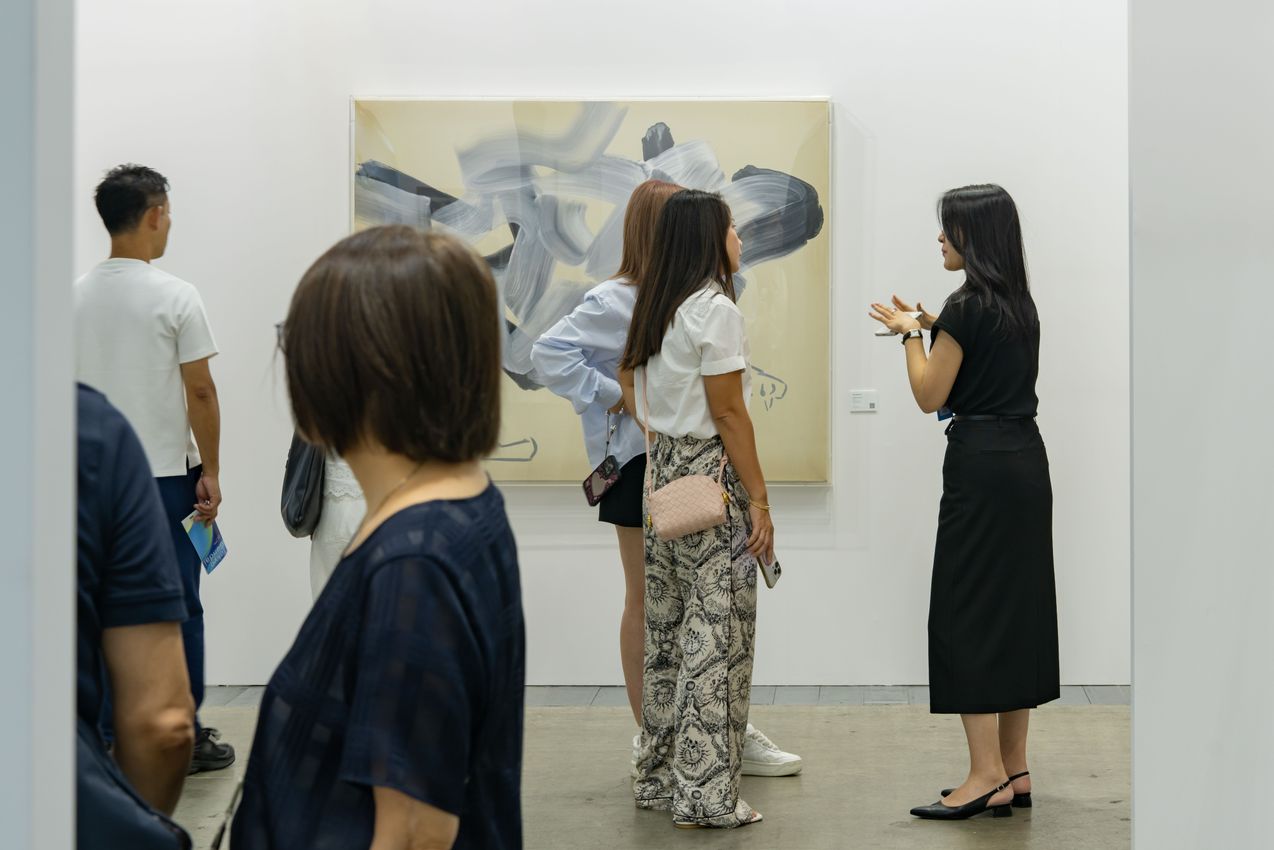
As the autumn art season gains momentum across East Asia, a new constellation has emerged on the map with the linking of two important events on the art world calendar.
A joint curatorial initiative between Art Busan and Tokyo Gendai sees 11 galleries from Korea and China participating in Tokyo Gendai, Pacifico Yokohama (11–14 September 2025), alongside a satellite exhibition that took place within Tennoz Contemporary at Tokyo’s Terrada Art Complex (10–15 September), forming a platform for cultural dialogue, institutional partnerships, and artist visibility between Korea, Japan, and beyond.
Tokyo Gendai director Eri Takane said the partnership represents an ‘important milestone in fostering cross-cultural exchange between two exceptionally dynamic contemporary art scenes’.
‘We are proud to be creating a platform for meaningful discourse about the future of art in the wider region,’ she said.
Seokho Jeong, director of Art Busan, echoed that sentiment, saying the initiative ‘celebrates both shared traditions and contemporary innovation’, along with offering a sustainable model for visibility and collaboration—not just for individual artists or galleries, but for the region’s artistic infrastructure as a whole.
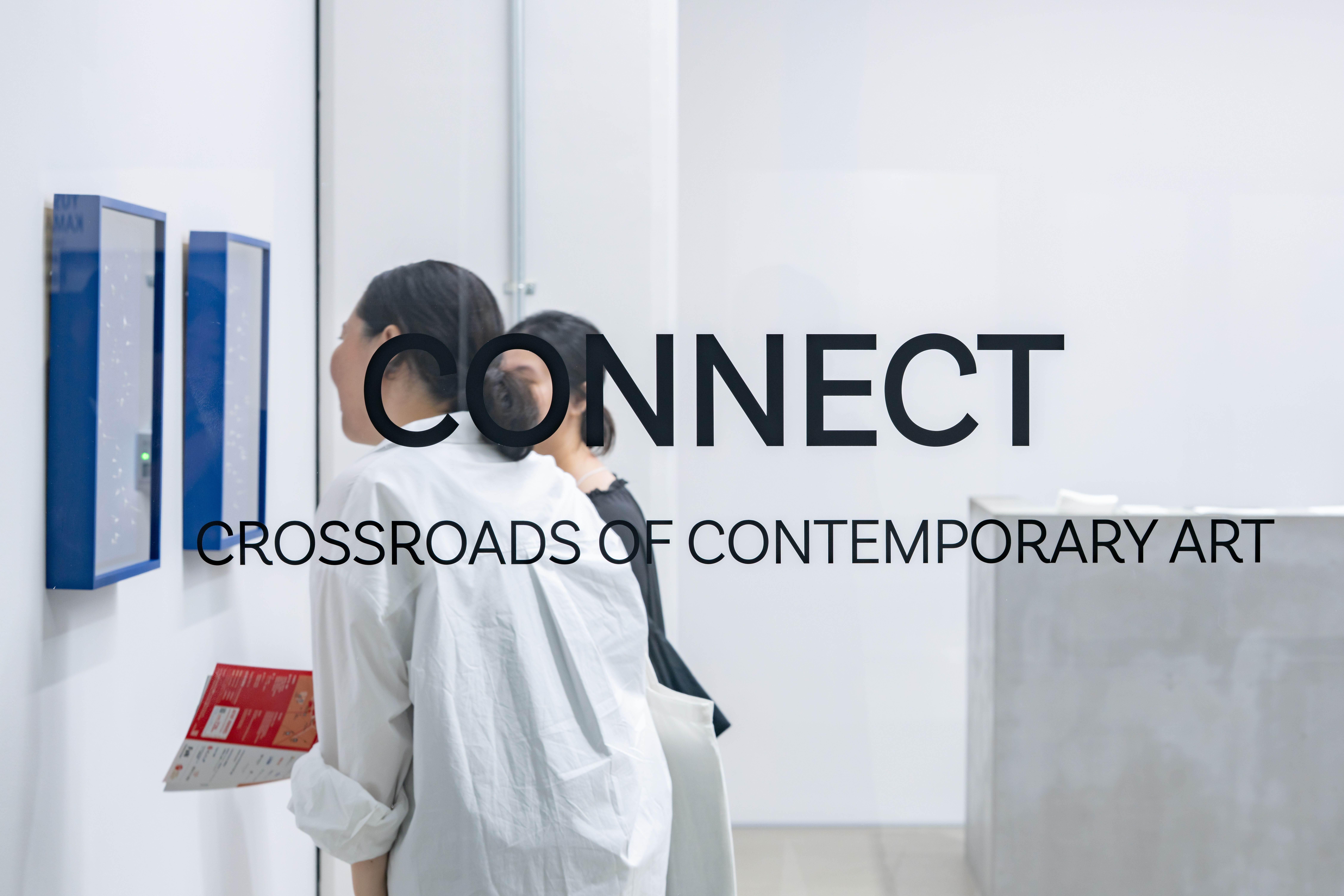
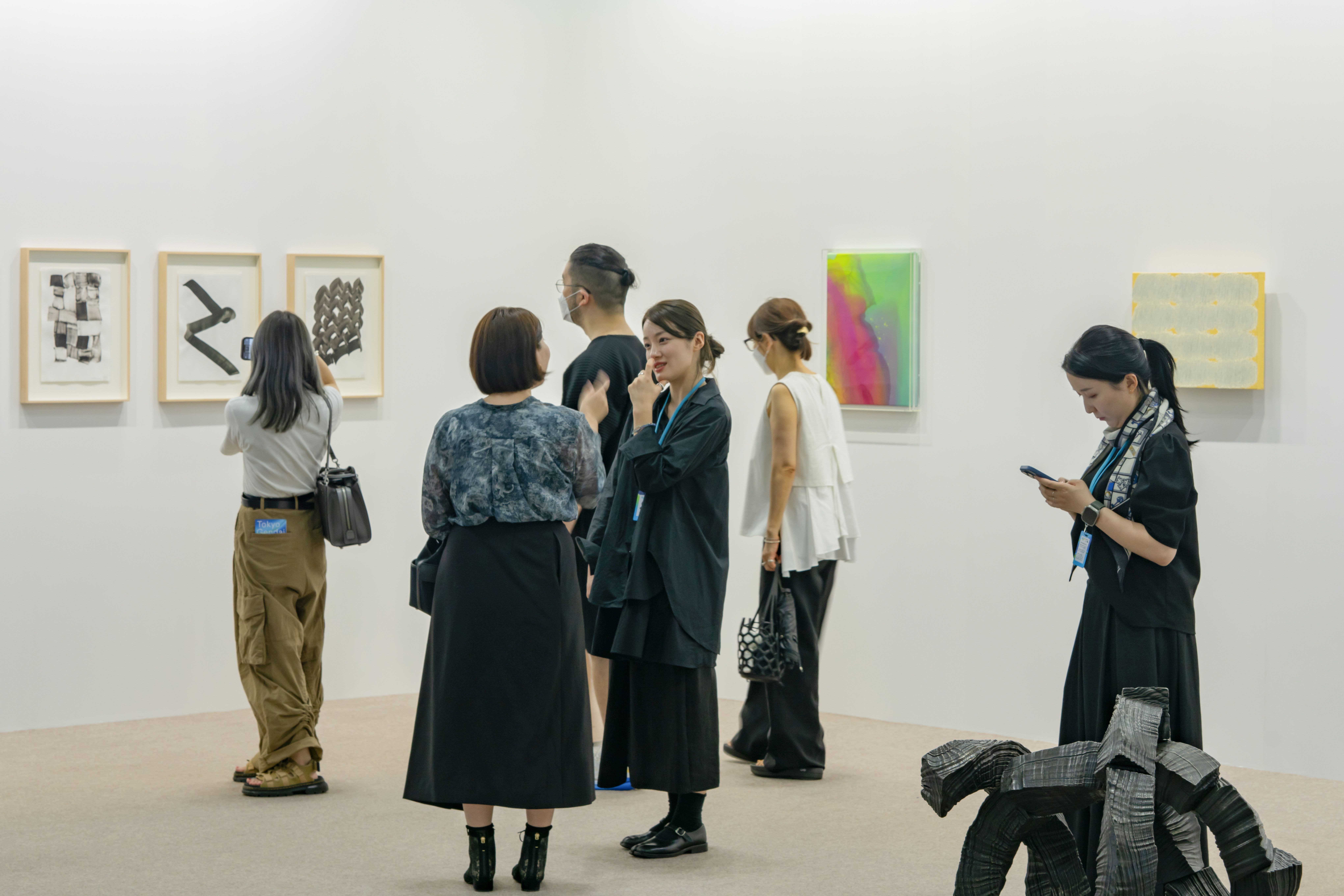
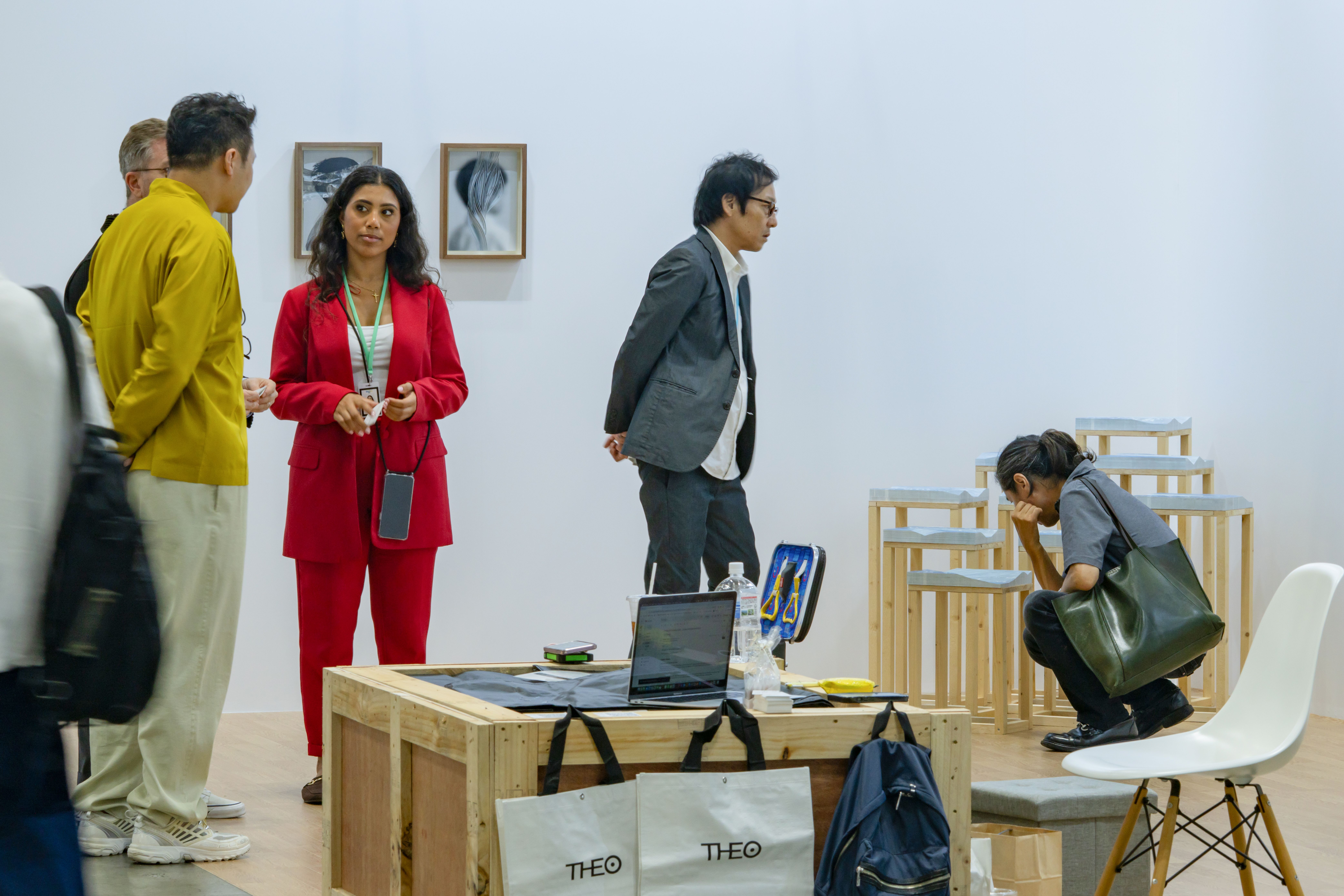
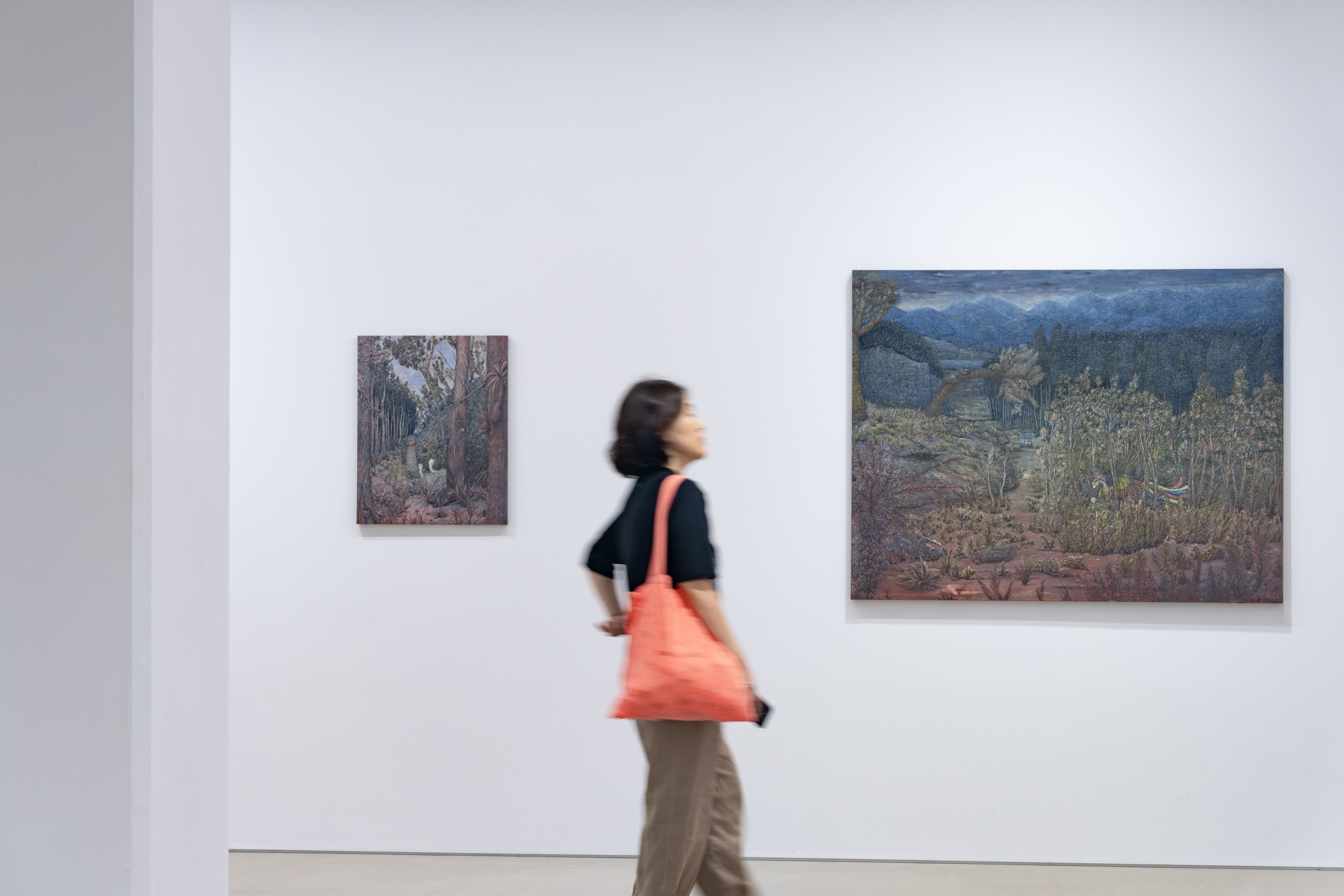
The decision to align the partnership with Tennoz Art Week, the Aichi Triennale, and the wider Japanese cultural season referred to as geijutsu no aki (translating to ‘autumn is for the arts’), amplifies the integration of Korean galleries into Japan’s institutional and collector ecosystems.
In total, 66 galleries exhibited at Tokyo Gendai 2025, with 11 participating in Connect. These galleries presented across all four fair sections—Galleries, Eda Branch, Hana Flowers, and Sato—providing a multi-generational and cross-disciplinary survey of Asian contemporary practices.
The main presentation at Pacifico Yokohama included a particularly compelling contribution from Gallery Baton, whose presentation Contemporary Abstract Art conceptual works by Koh San Keum, the subtle, minimalist geometries of Suzanne Song, and paintings by Jimok Choi exploring the perceptual experience of colour. Together, the works navigated questions of vulnerability, transformation, and visual perception.
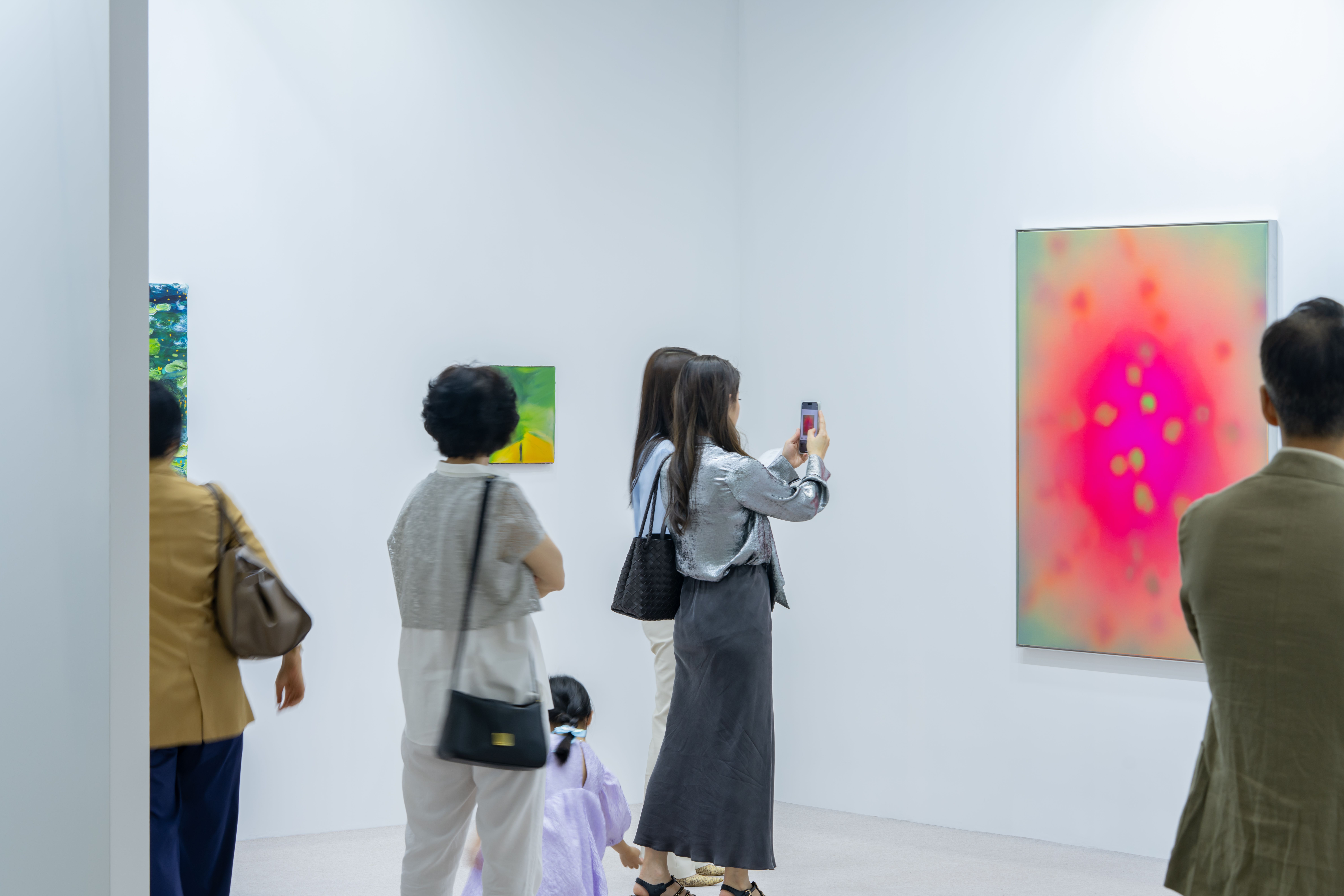
Meanwhile, Gana Art staged Six Ways of Seeing, a cross-generational project uniting Korean artists like Shim Moon Seup, Huh Myoung Wook, and Song Sumin with international contemporaries including Adam Himebauch and Andrew Moncrief. The works, ranging from layered landscape abstractions to meditative mixed-media pieces, placed time and memory at the heart of artistic inquiry.
Johyun Gallery, long a champion of postwar and contemporary Korean artists, presented artworks by Lee Bae, Lee So Yeun, and Park Seo-Bo. In the Sato ‘Meadow’ section, which brought together a selection of site-specific installations, Johyun Gallery spotlighted Kim Taek Sang with new works from his ‘Flows’ series (2024–25). Kim’s ethereal paintings are made by pouring plain water onto the canvas and layering it with pigment particles, a method that ‘reveals the materiality of water—such as vortex phenomena—more vividly, resulting in far less predictable landscapes than before’ as the artist said.
The Eda Branch Section, with a focus on to historically significant practices, delivered some of the fair’s more contemplative moments—Pyo Gallery’s six-artist presentation placed Kim Tschang-Yeul’s signature waterdrops in dialogue with Lee Kang So’s gestural paintings. The Columns Gallery reinterpreted traditional Korean poetics through works by Jung Jong-Mee, Lee Dong Youb, and Kwak Duck Jun, while The Page Gallery devoted its booth solely to Vio Choe, whose paintings conjure up unseen forces through the abstract symbols dispersed across their surfaces.
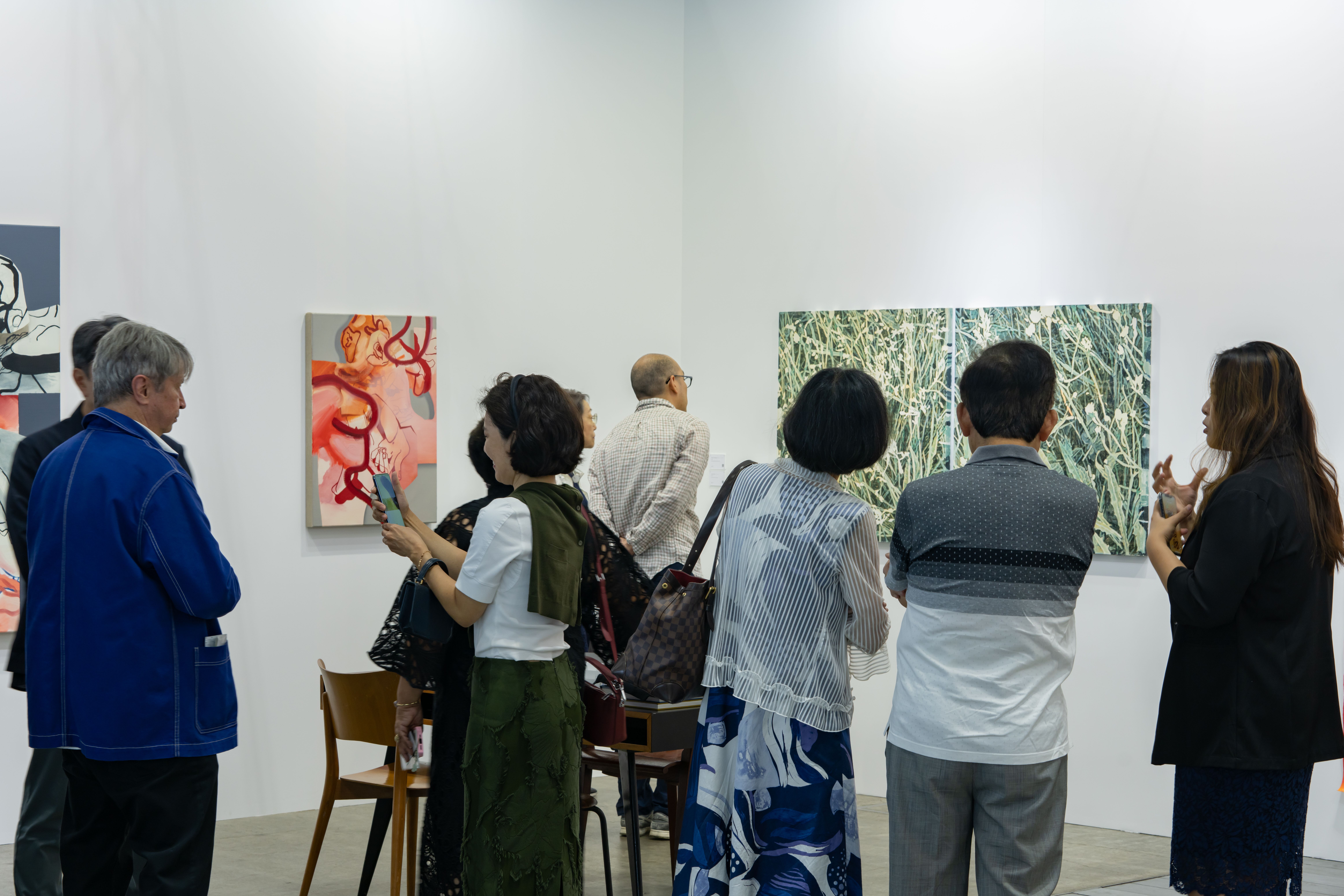
Within the Hana Flowers section, which champions emerging galleries, EM Gallery showcased contemporary artists Moonassi and Cho Hwaran. Moonassi’s black-and-white ink drawings of figures on hanji paper render fragile, intimate emotional states. Cho Hwaran’s ‘Alveolus’ series transforms organic breath patterns into subtle abstract monochromatic paintings in oil. Meanwhile, THEO presented digital prints by Choi Wonkyo that question how we inhabit physical space in the post-digital era.
The Connect project is majorly supported by the Korean Ministry of Culture, Sports, and Tourism and Korea Arts Management Service (KAMS). ‘Leveraging its long-standing expertise and know-how, Art Busan ensured balanced participation from both emerging and mid-sized Korean galleries,’ according to KAMS.
From China, ShanghART presented animations by Sun Xun, films by Liu Yi referencing traditional ink painting, and abstract paintings by Hu Xiangcheng whose work combines Chinese folk culture with snippets gleaned from his experiences travelling around the world. BANK, founded in 2013 in Shanghai by Mathieu Borysevicz, brought works by Bony Ramirez, DOKU (Lu Yang), Michael Lin, Liang Hao, and Wang Rui—a grouping that addressed the body as both subject and metaphor, oscillating between tension and tenderness.
Over at Tennoz Contemporary in a part of Tennoz Art Week, six galleries participated in the second part of the project at Terrada Art Complex, one of Tokyo’s key contemporary art venues.
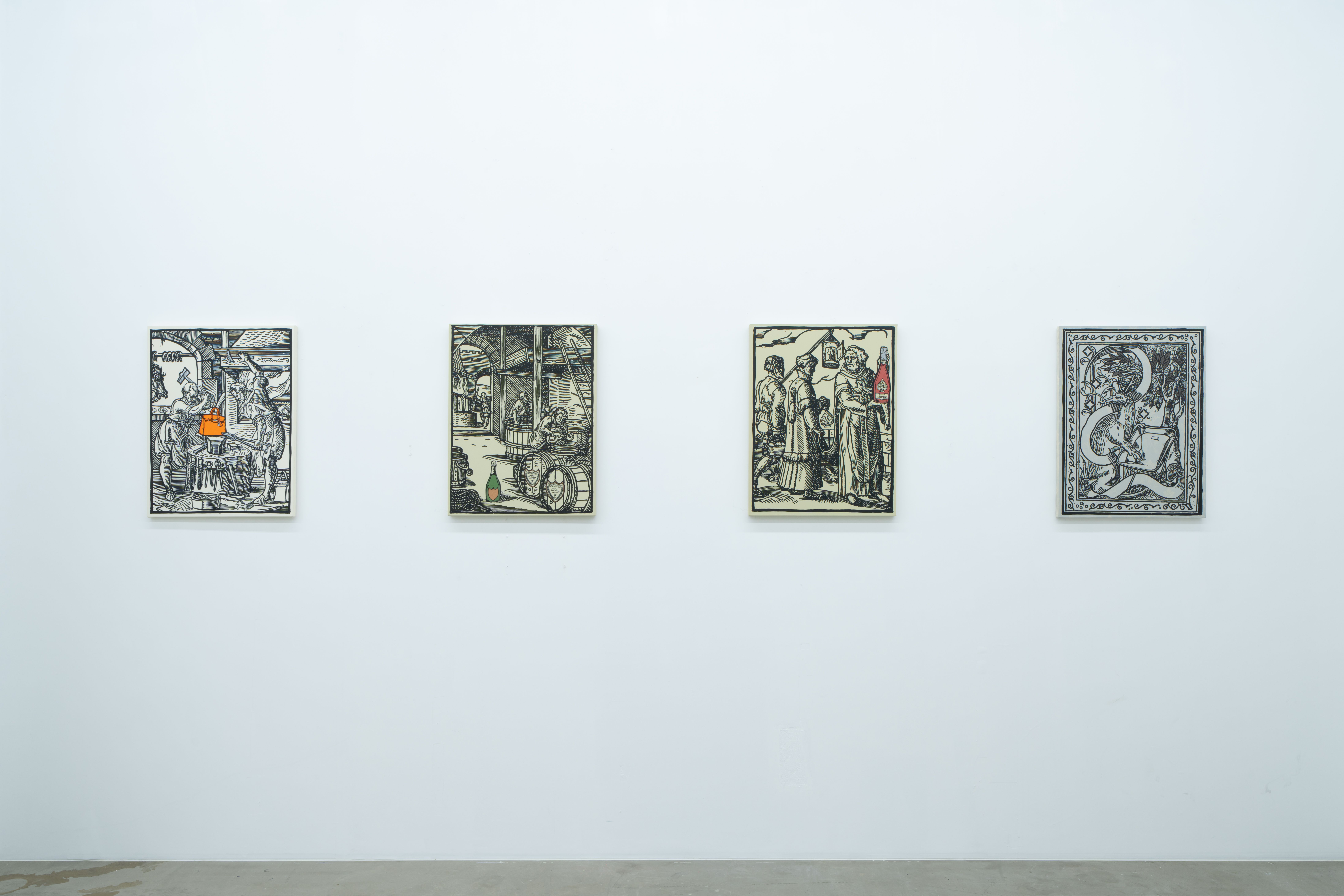
THEO showed irreverent works by JEJn, who overlays medieval visual culture with luxury logos, interrogating themes of consumerism, craft, and power, and EM Gallery brought works by Moonassi and Cho Hawaran. Meanwhile, Arario Gallery introduced Yuki Saegusa, a Japanese artist working in Korea, whose dreamlike landscapes in oil and tempera depict ‘fragmented memories and unspoken sensations.’
‘When viewers overlay their own experiences onto these landscapes,’ the artist explains, ‘they can transform into any place—or anything at all.’
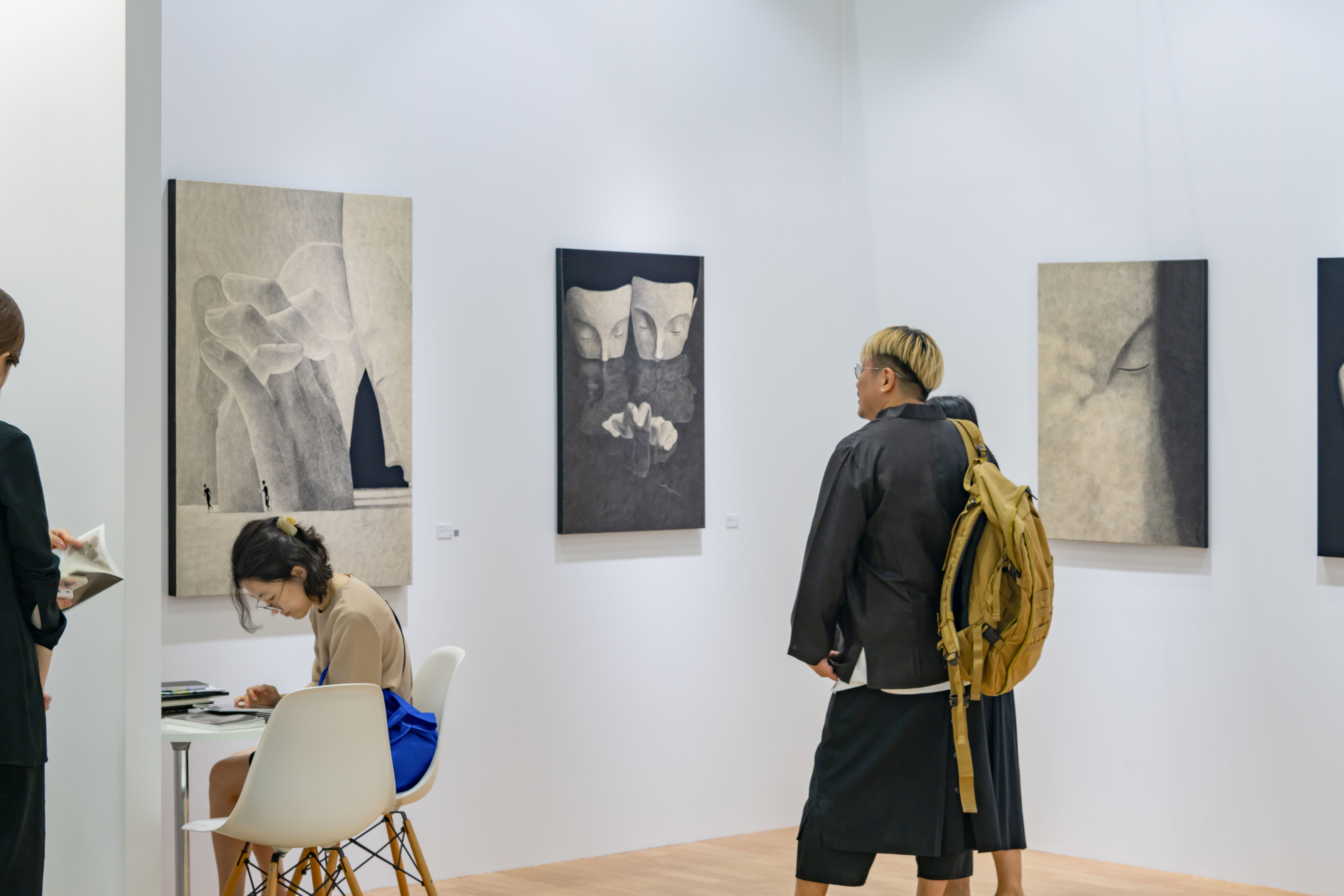
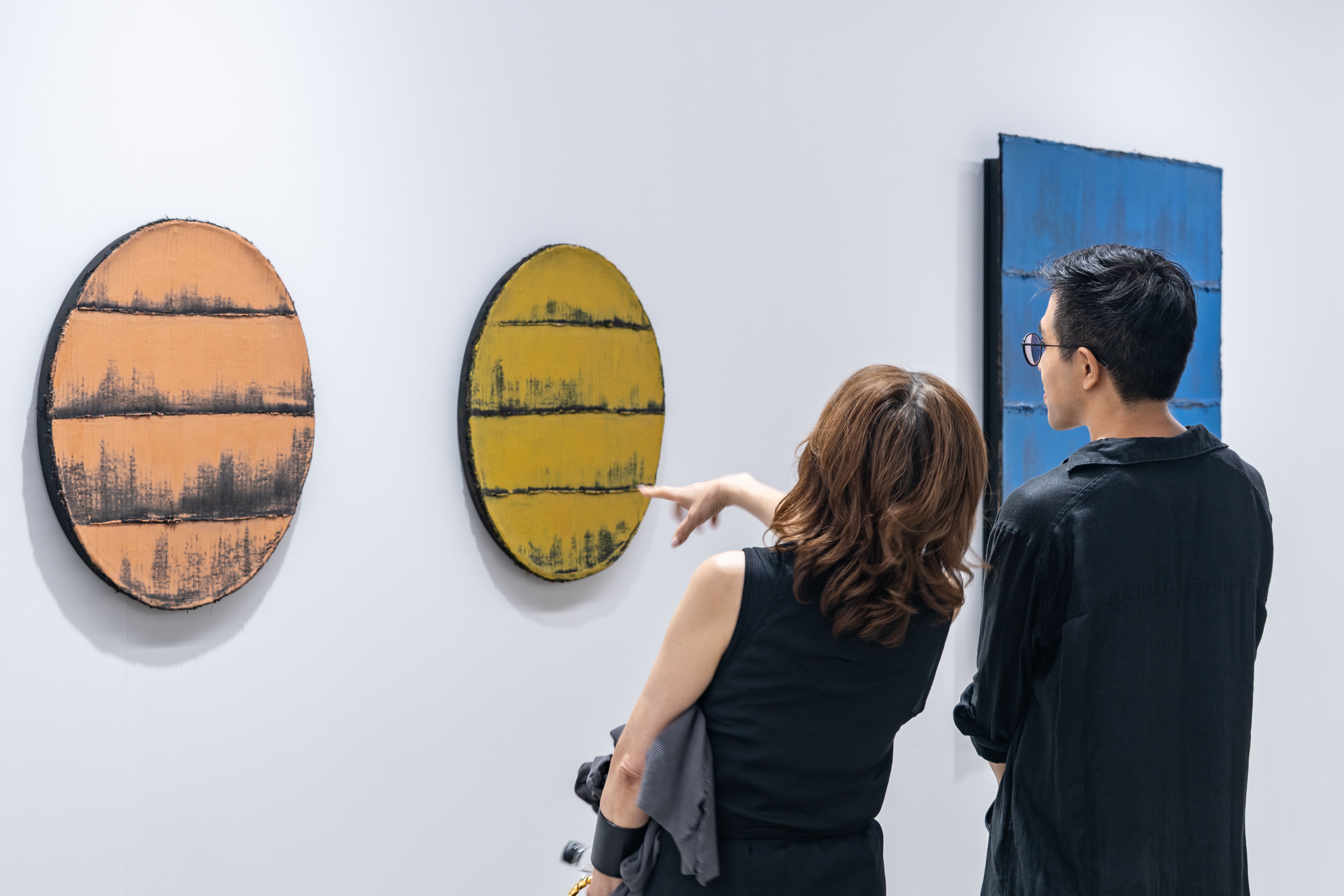
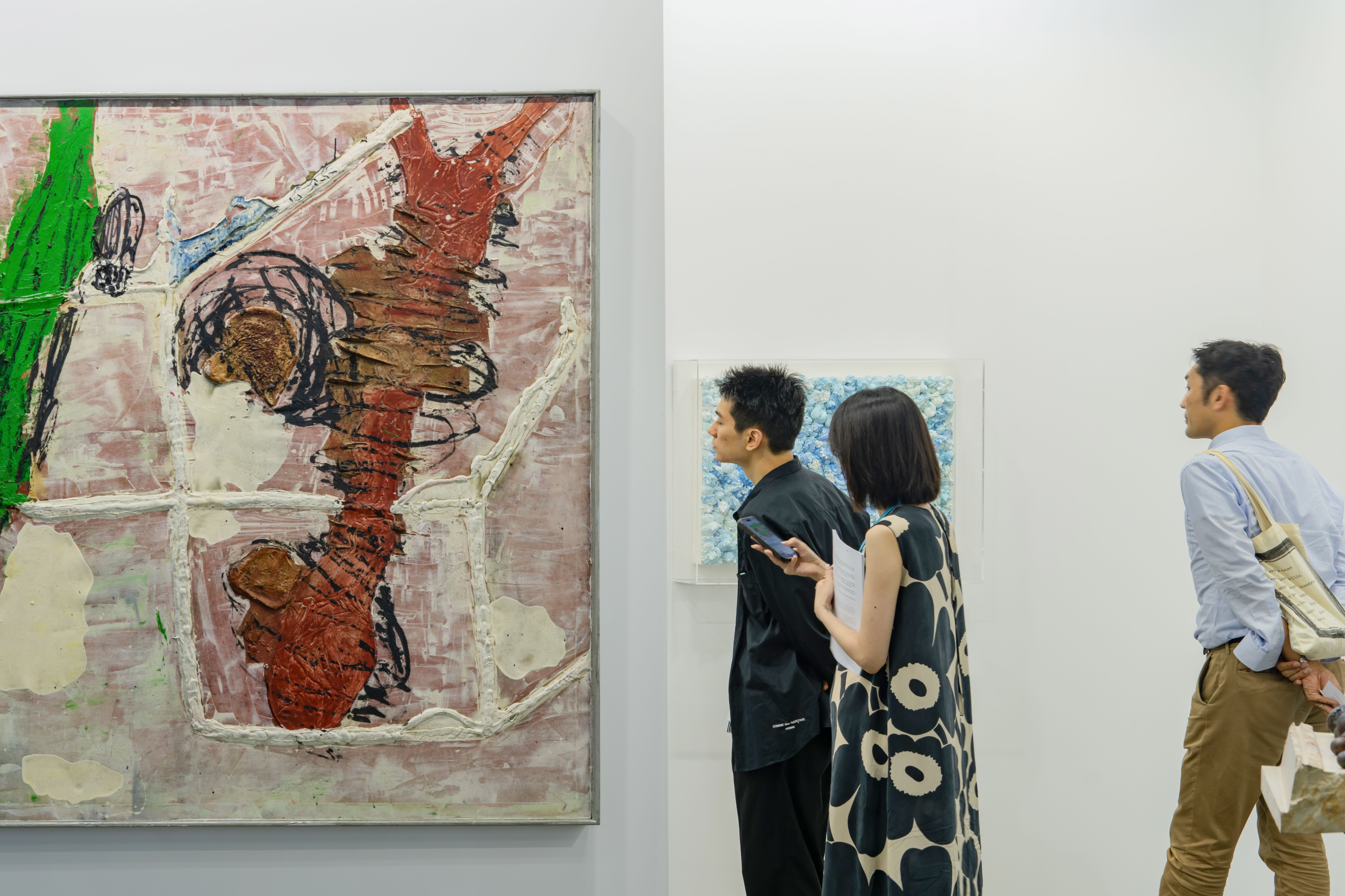
Gallery Baton brought a historicised perspective through the paintings of Song Burnsoo, a leader of the Korean avantgarde movement, while Gana Art presented new works by Huh Myoung Wook, whose minimalist paintings employ a traditional Korean lacquer technique known as ottchil.
The aesthetic diversity present across the satellite exhibition and main fair ground has been key in fostering ‘a richer and more multilayered dialogue in contemporary art,’ as Jaewee Choi, director of Johyun Gallery, underlined. Choi hopes that the initiative will contribute ‘to shaping international perspectives from within the Asian discourse itself.’ The gallery showed works by Kim Hong Joo, Lee Bae, and Kim Taek Sang.
Tokyo Gendai’s broader programming this year reflected this shift towards a greater focus on partnerships, with symposiums at Spark Shiseido, talks co-hosted with institutions such as the National Art Center, Tokyo, and a new partnership with M+ in Hong Kong signal a wider institutional ambition. A joint curatorial fund on the horizon is aimed at supporting emerging artists in the Asia-Pacific region.
‘Through Connect, we aim to deepen the dialogue between Korea and Japan,’ said Jeong. ‘But more than that, we want to model how regional fairs can act as platforms for cultural sustainability—not just visibility.’
As large-scale fairs increasingly lean toward short-term visibility, Art Busan and Tokyo Gendai are proposing a different model: one rooted in reciprocity and sustained collaboration.
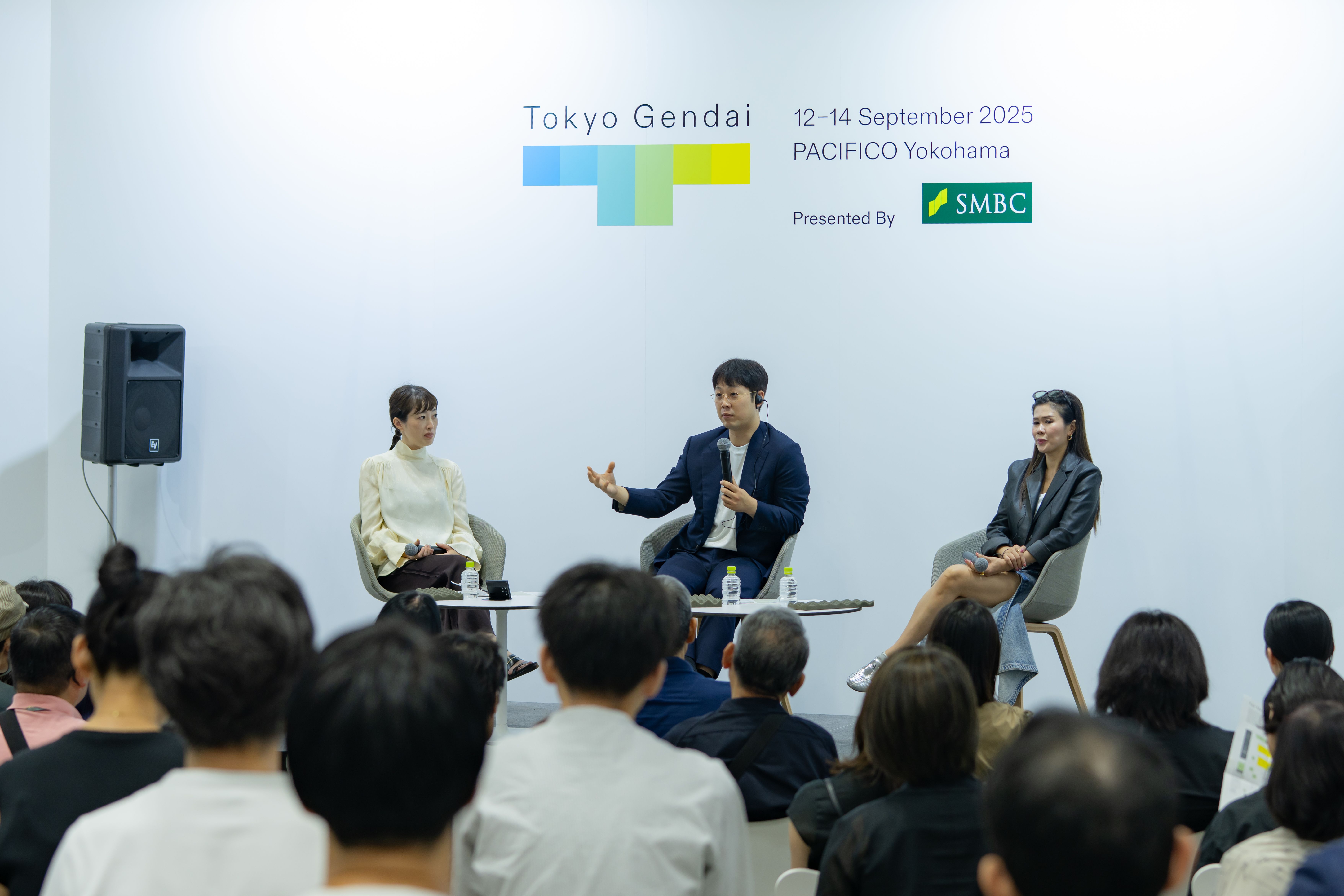
For the participating galleries—especially emerging spaces—Connect offers more than booth space. It provides visibility in a saturated calendar, opportunities for institutional engagement, and the chance to contribute to shaping the future architecture of the Asian art world.
‘Ultimately, what we’re building here isn’t just an exhibition programme,’ said Takane. ‘It’s a new way of thinking about how fairs, cities, and regions can collaborate toward a shared cultural future.’ —[O]
A respected voice in contemporary art discourse.
Focusing on ambitious storytelling and insightful art-world commentary. Ocula Magazine publishes in-depth interviews, critical essays and timely analysis on the artists, exhibitions and ideas driving the global art world.
Learn more about Ocula Magazine
Showcasing the best of the art world.
Ocula partners with galleries from around the world to highlight their artists, artworks and exhibitions. Gallery membership is by application and invitation, with each member vetted by an independent panel.
Learn more about Ocula Membership
Specialises in the sale of major artworks.
Led by a team with deep ties to the world’s leading auction houses, galleries and collectors. Ocula’s advisory team offers bespoke services to high-net-worth clients from around the world who are looking to acquire the best of contemporary and modern art.
Learn more about our team and services