





The Top 10 Exhibitions to See Around the World This February
Save to My OculaOur editors select the shows not to miss this month, including late conceptual artist Rutherford Chang in Beijing, Ali Cherri addressing life in Lebanon after the civil war, and Shubigi Rao continuing her project documenting banned books and destroyed libraries.
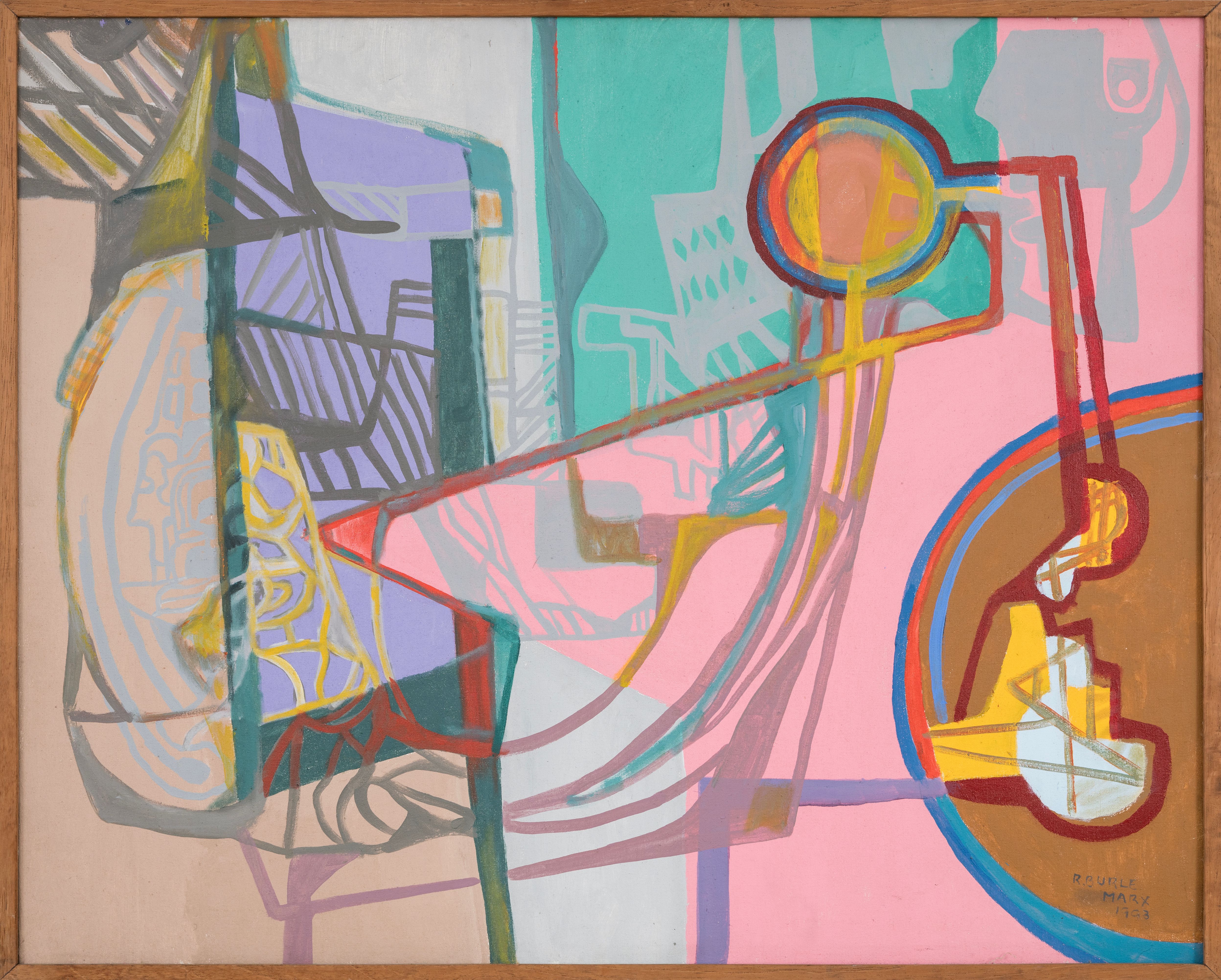

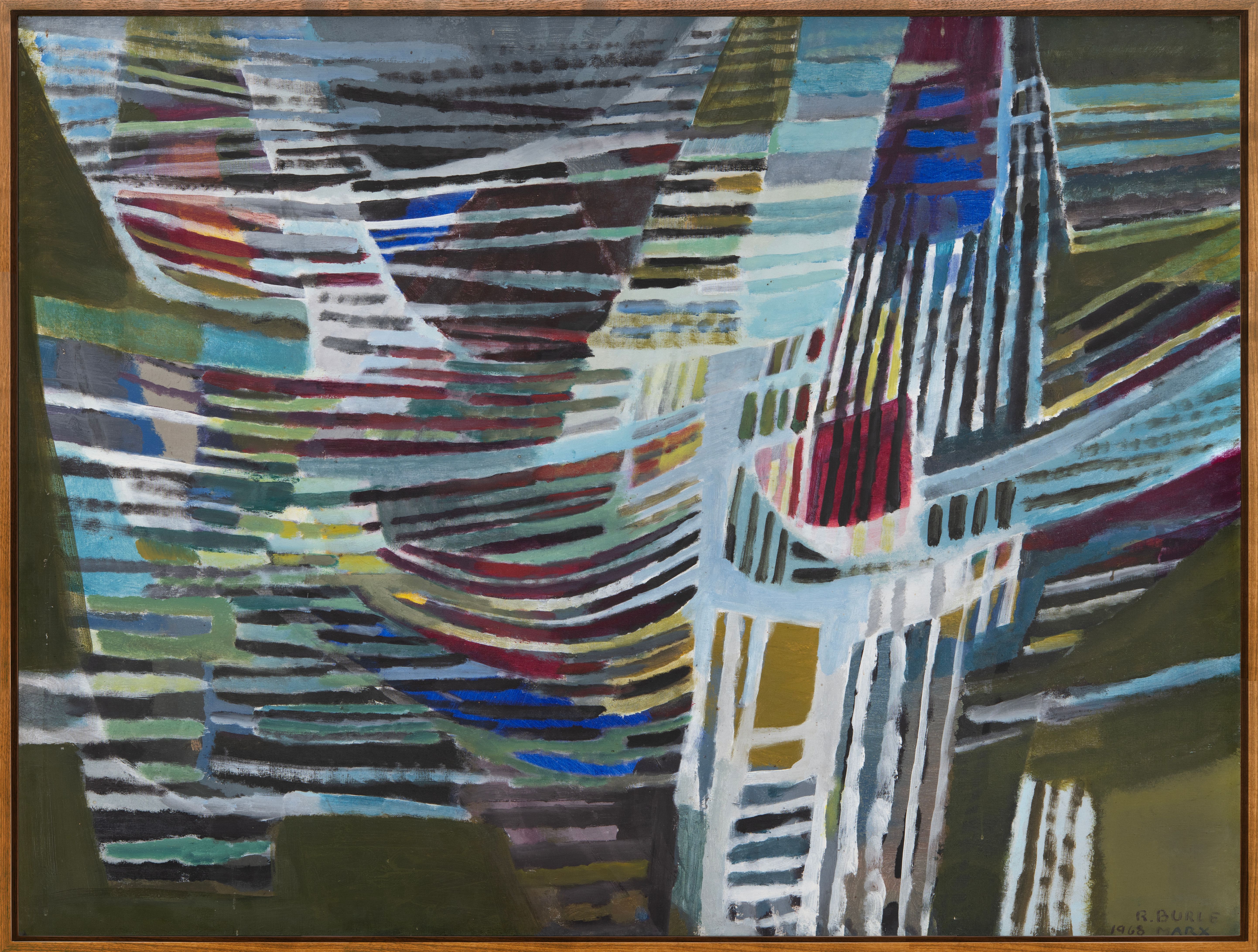
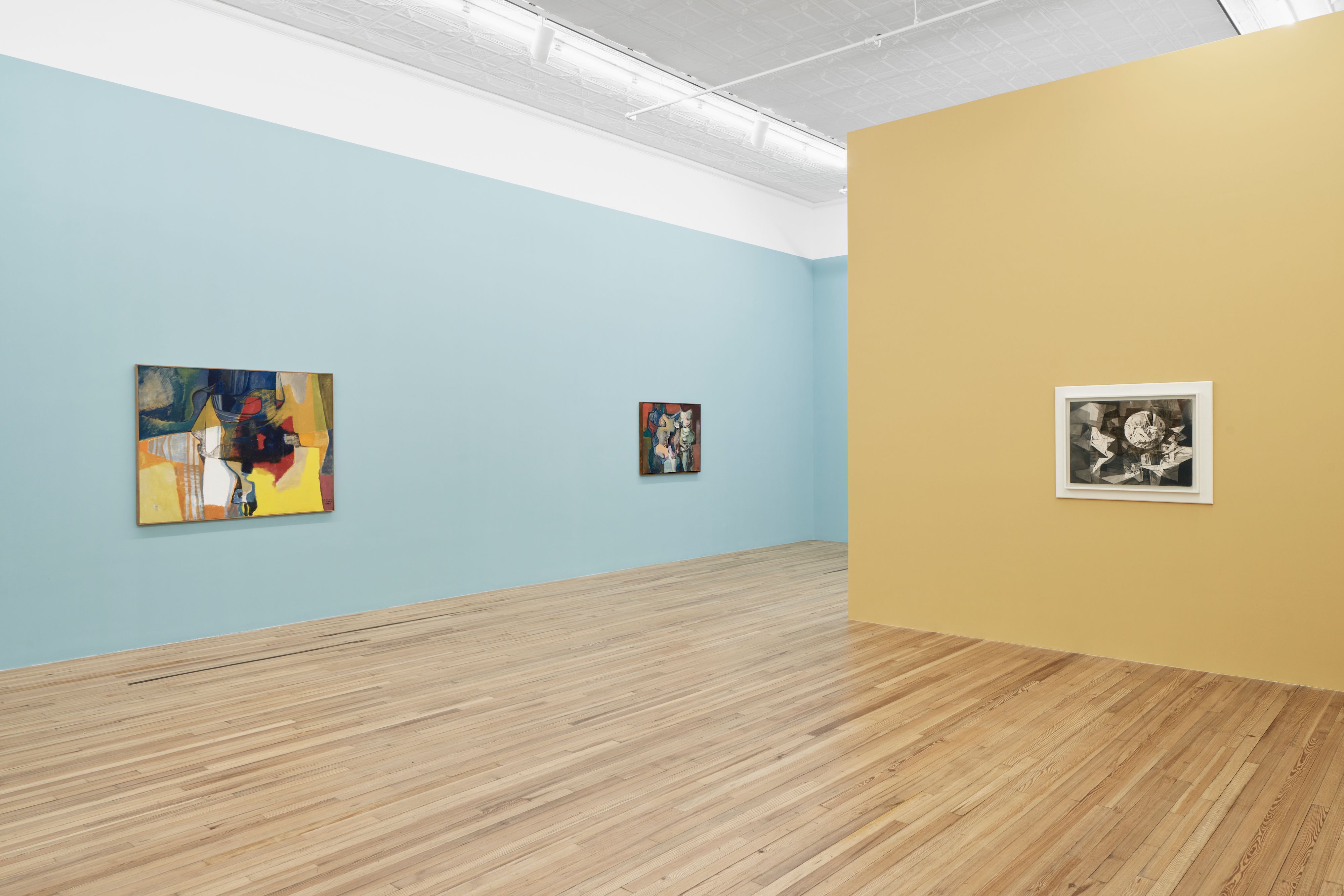
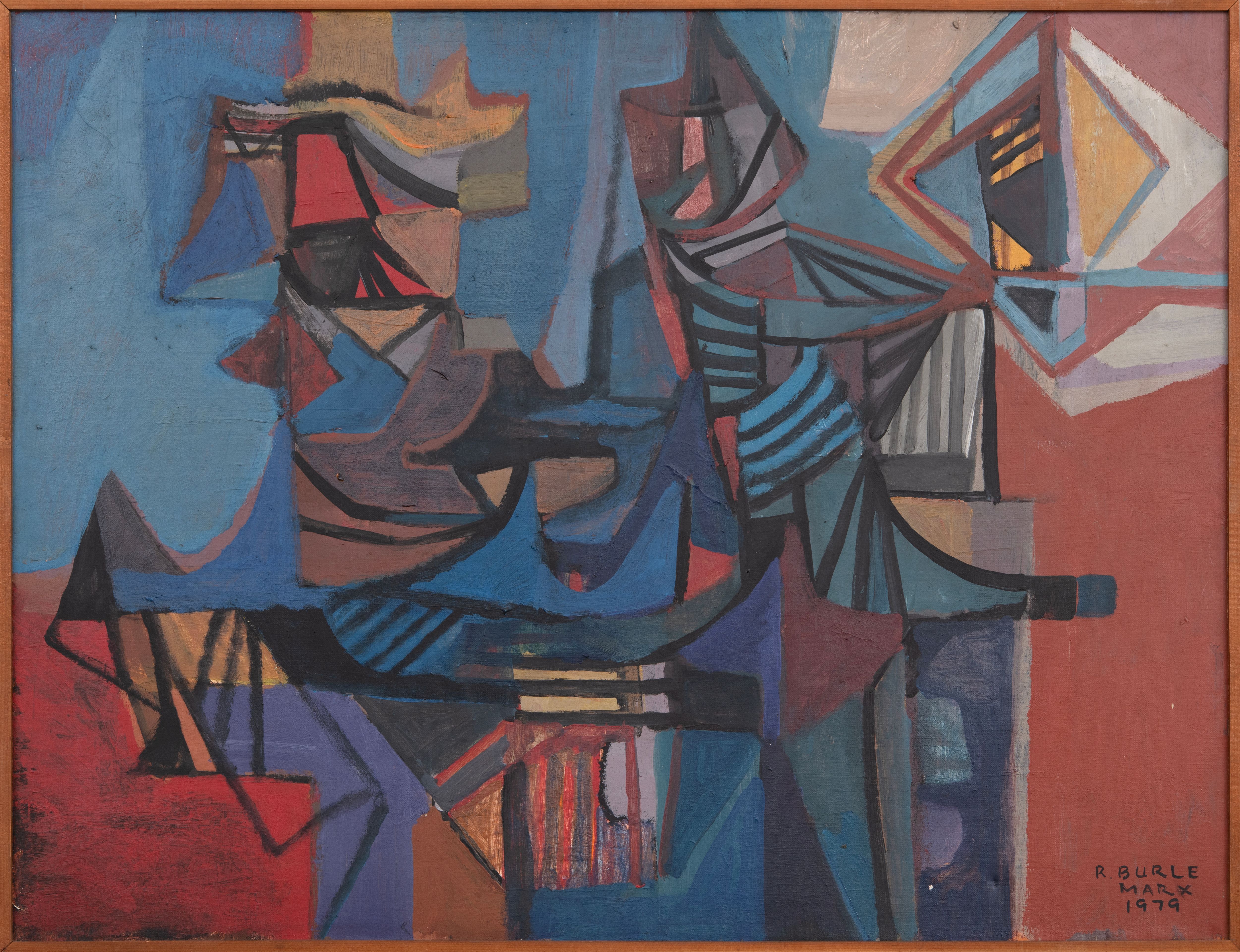
Roberto Burle Marx, Works: 1940–1993 (9 January–28 February 2026) at Andrew Kreps Gallery, New York
From the jazzy, free-form patterns that bop and sway along the sidewalks of Biscayne Boulevard in Miami to the undulating calçadas of Copacabana Promenade in Rio de Janeiro, Brazilian artist and landscape designer Roberto Burle Marx’s urban markings are masterpieces of tropical lifestyle Modernism. One of the ‘four poets’ (alongside Lúcio Costa, Oscar Niemeyer and Joaquim Cardozo) responsible for the creation of Brasilia (famous for being laid out in the shape of an aeroplane), Burle Marx crafted a signature aesthetic that was deeply influenced by the natural world of his home country. Organised in collaboration with São Paulo’s Almeida & Dale gallery and spanning both of Andrew Kreps’ spaces in NYC, Works: 1940–1993 presents a slurry of dynamic abstract paintings by Burle Marx (whose grandfather, for those wondering, was a cousin of Karl Marx)—including Untitled (1993), a vibrant pink acrylic-on-canvas painted the year before his death. – Aimee Walleston
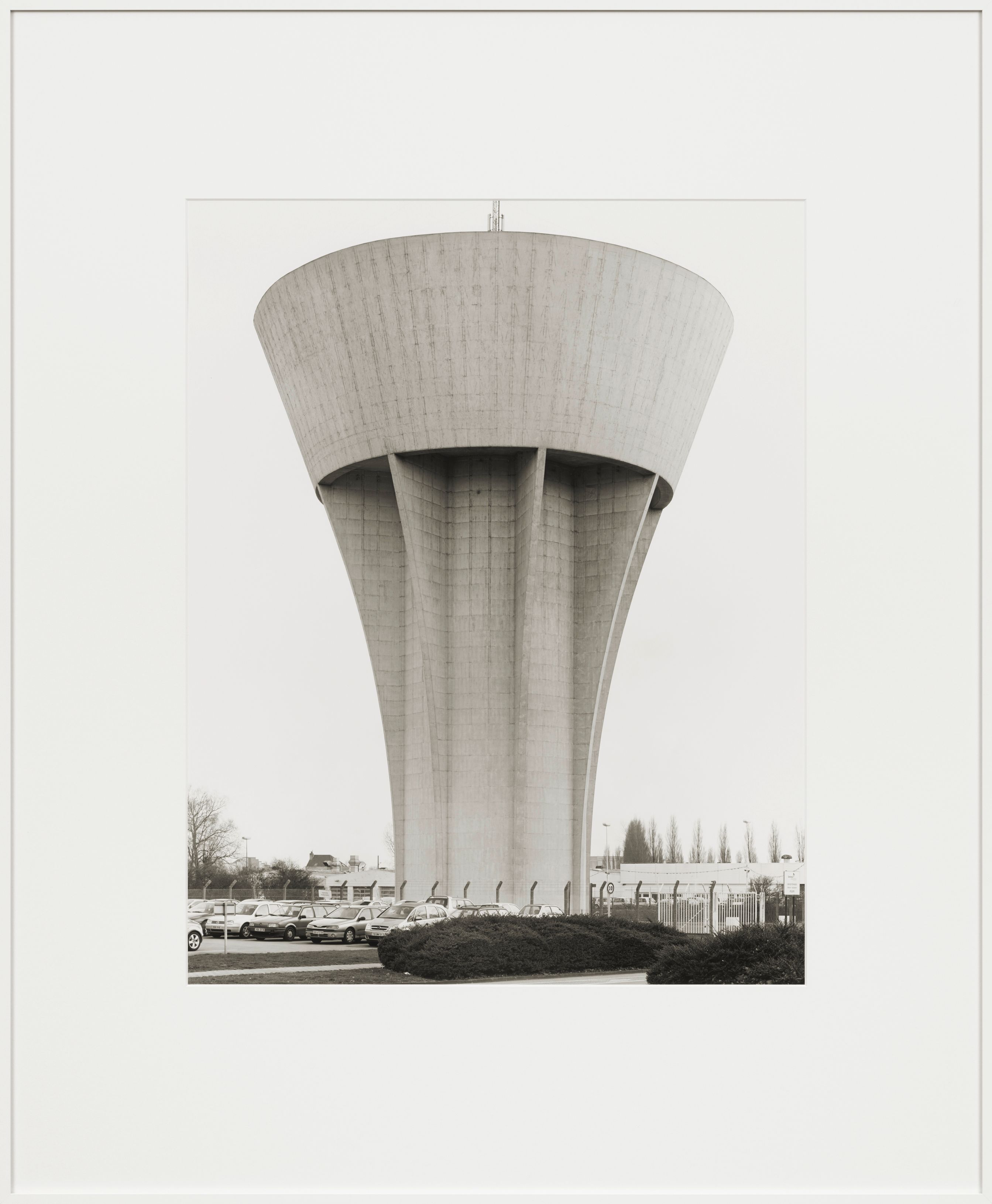
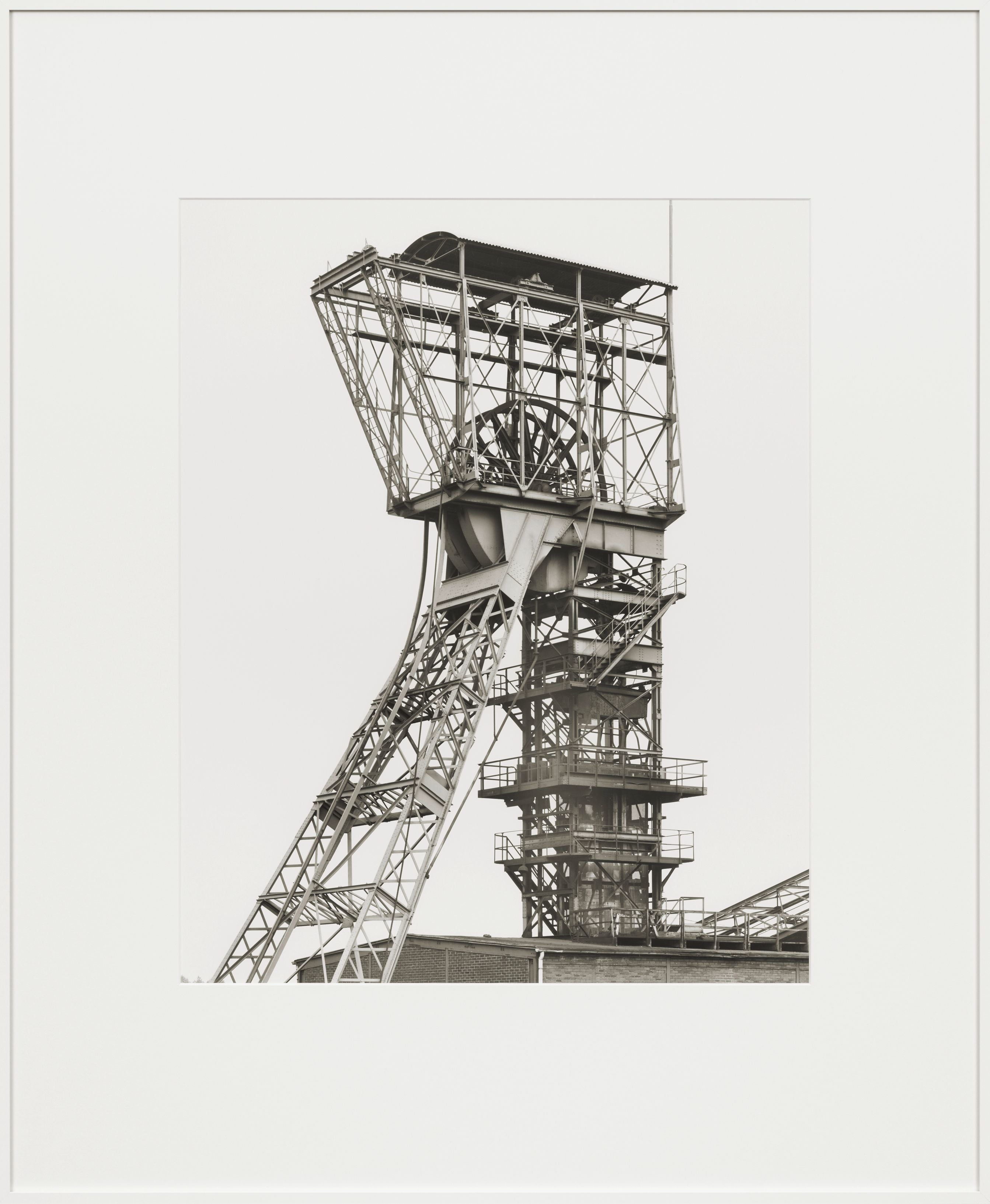
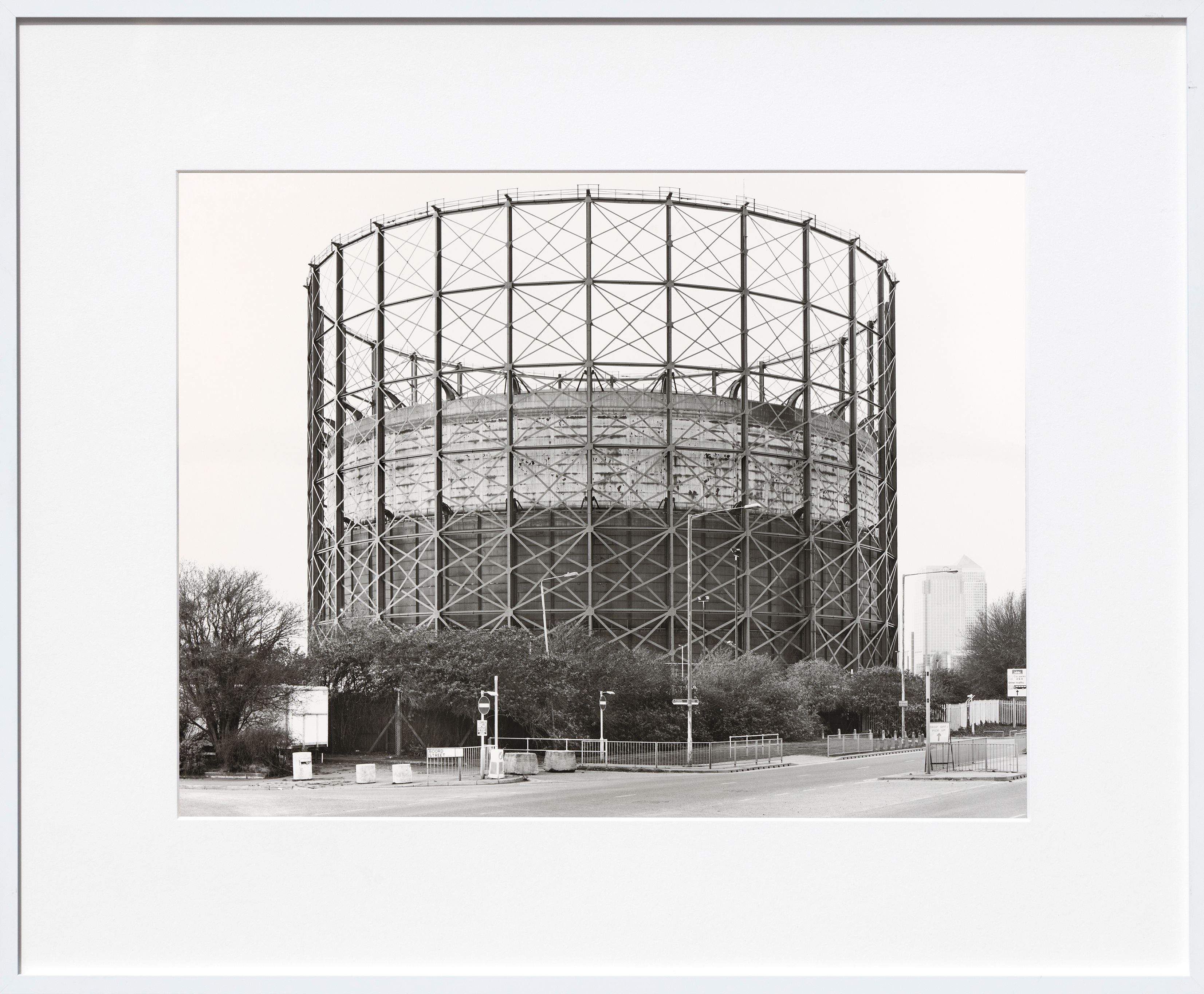
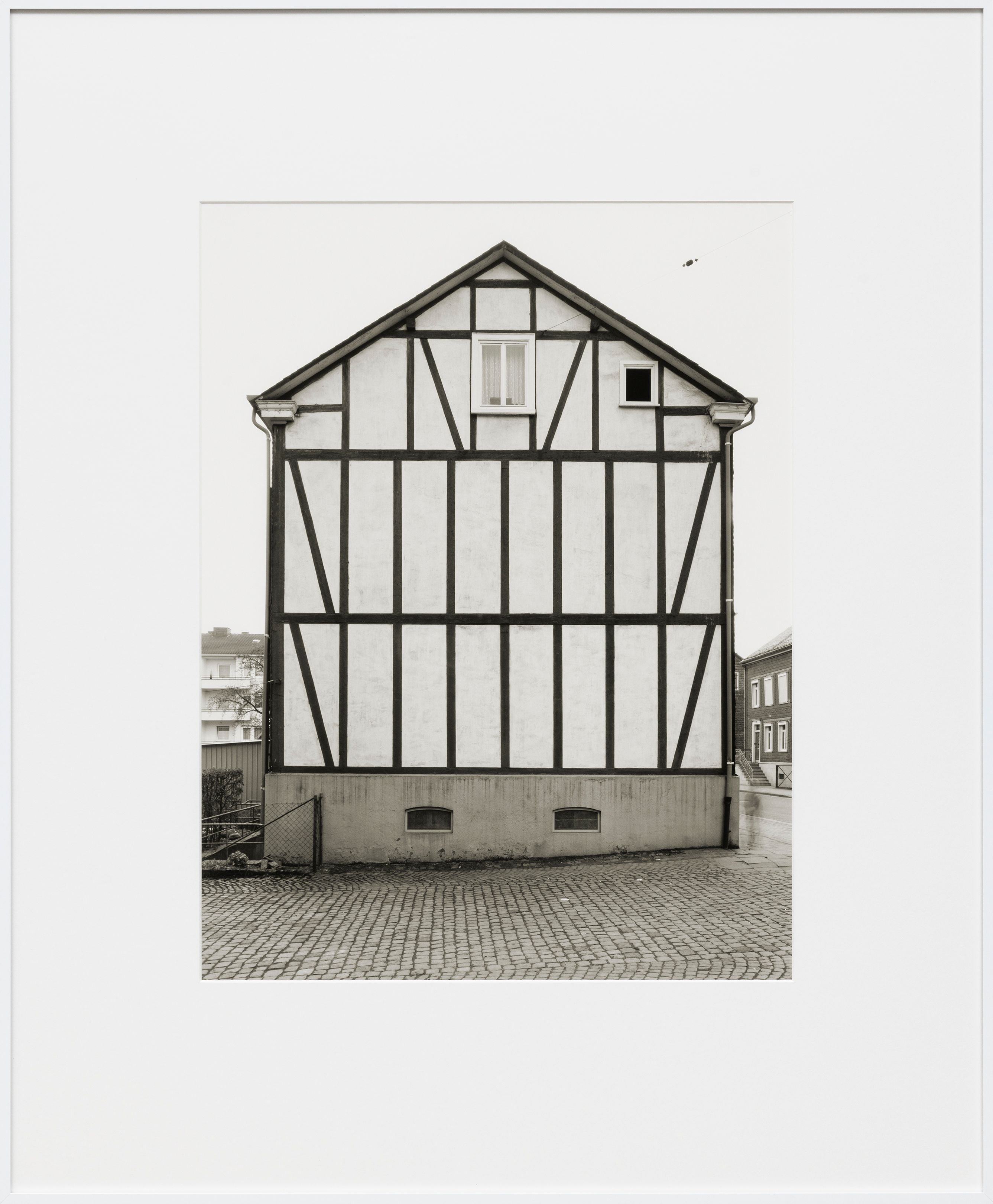
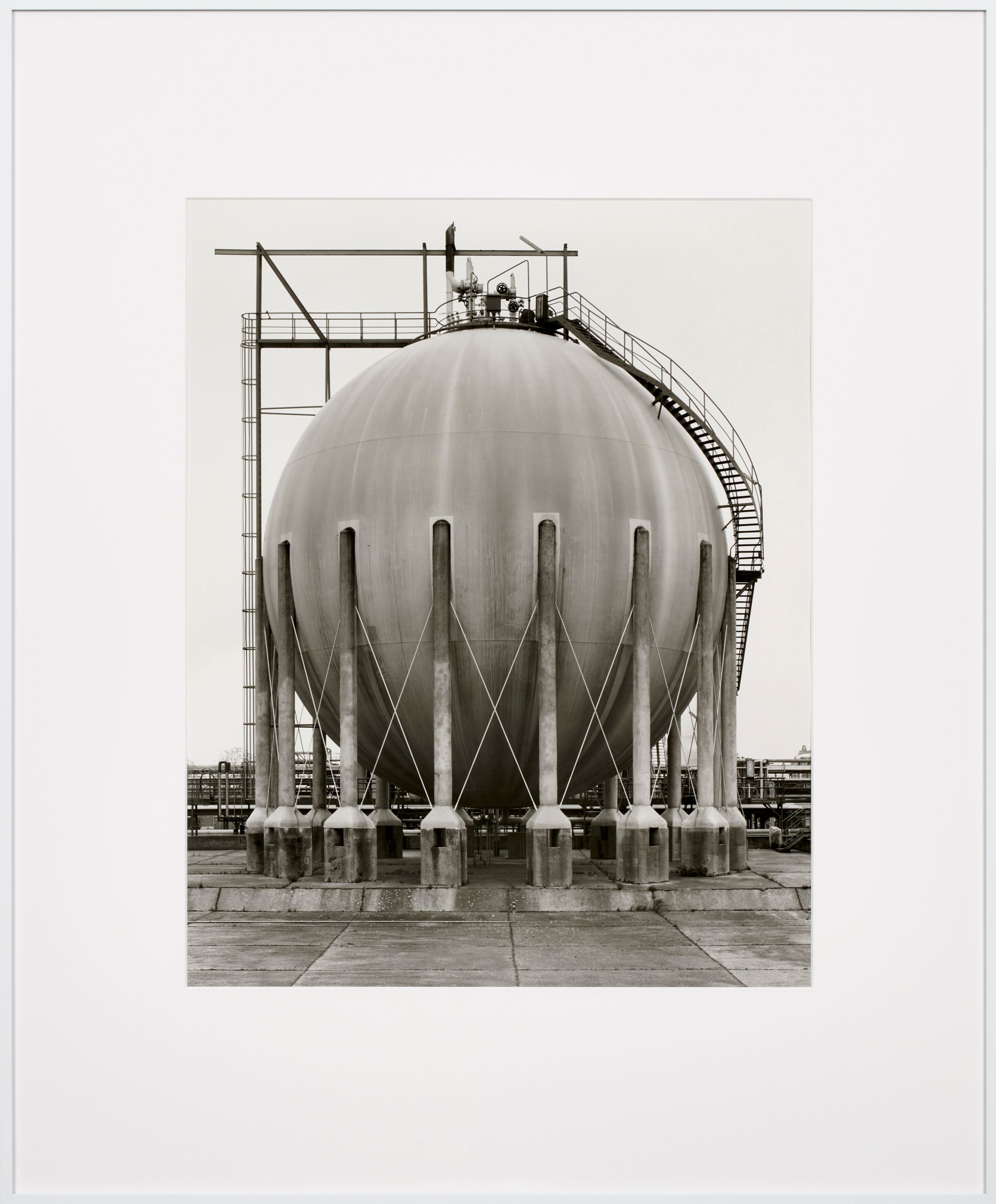
Bernd & Hilla Becher (20 February–28 March 2026) at Sprüth Magers, London
There’s a surprising elegance to the architectural forms of the gas tanks that populate the skylines of former industrial areas of England and Scotland. You could almost call them beautiful—but maybe I’m just nostalgic for a time that I never knew. These distinctive circular frames are now in the process of being dismantled, or (in more than one case in London) repurposed as ‘gritty’ settings for new luxury housing developments. Five black-and-white photographs of gas tanks sited across the U.K.—including several in London—open Bernd and Hilla Becher’s eponymous exhibition at Sprüth Magers, which continues the couple’s decades-long examination of the formal typologies of post-war industrial and vernacular architecture across Europe and North America. The gridded photographic works on display span from the 1970s to the early aughts, and capture the strangeness of industrial forms as they slowly become obsolete. Under the Bechers’ cool gaze, these manmade constructions, from water towers to the structures built above underground mines, are isolated and placed side-by-side until they appear almost alien. In 2026, they read as contested relics of a modernity that no longer exists. – Louise Benson
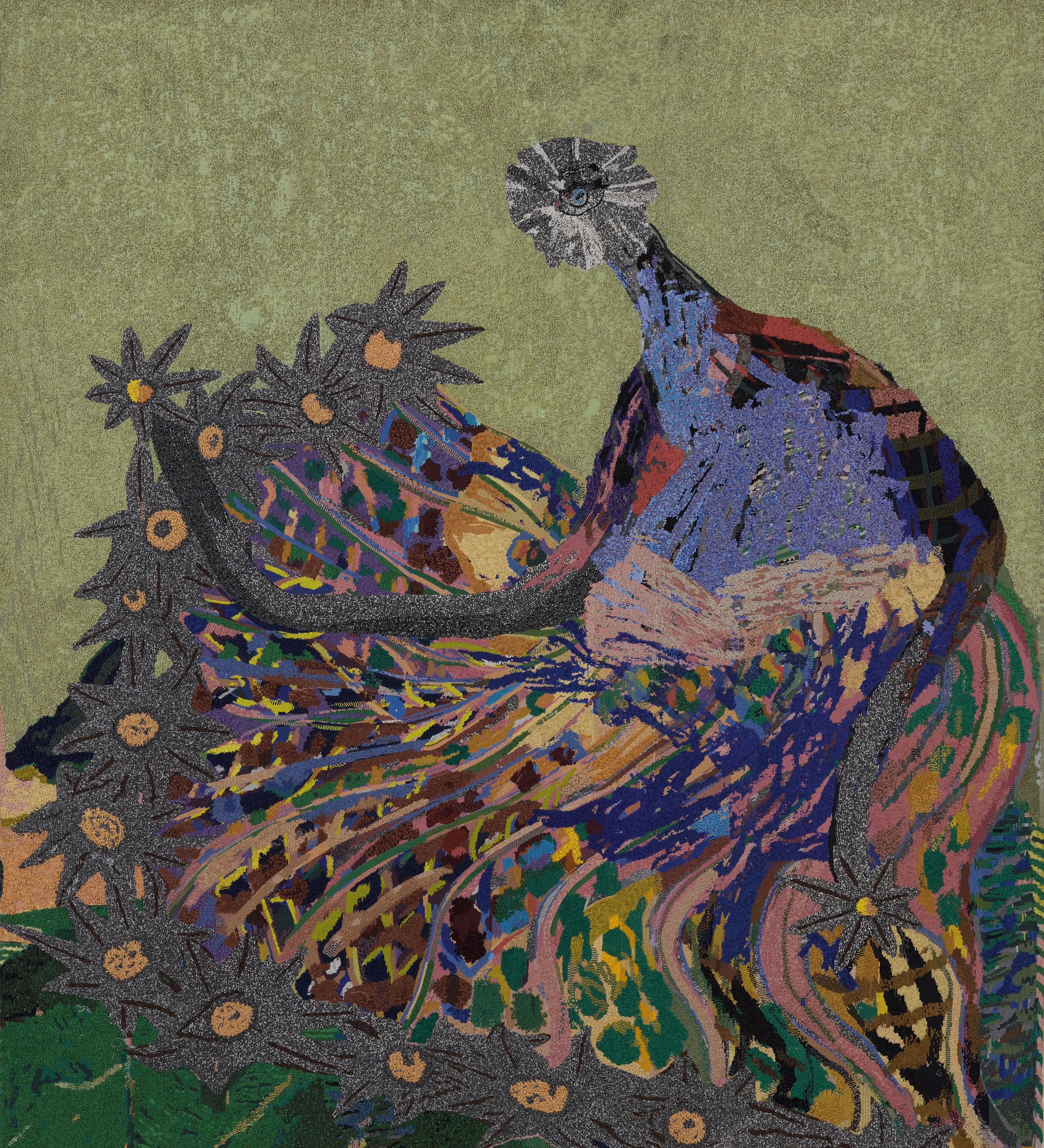
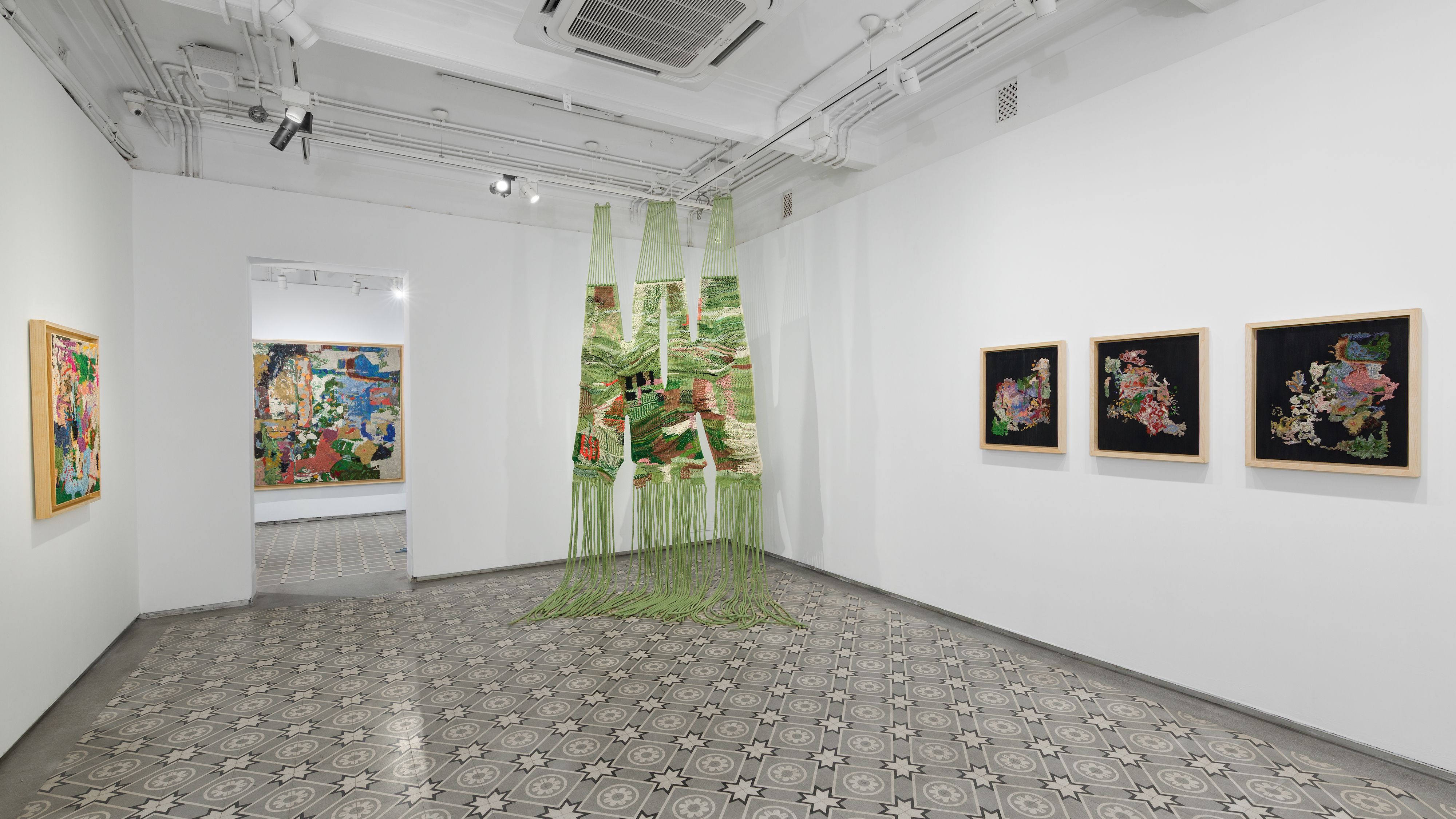
Chanakya School, Trace (13 February–21 March 2026) at Experimenter, Ballygunge Place, Kolkata
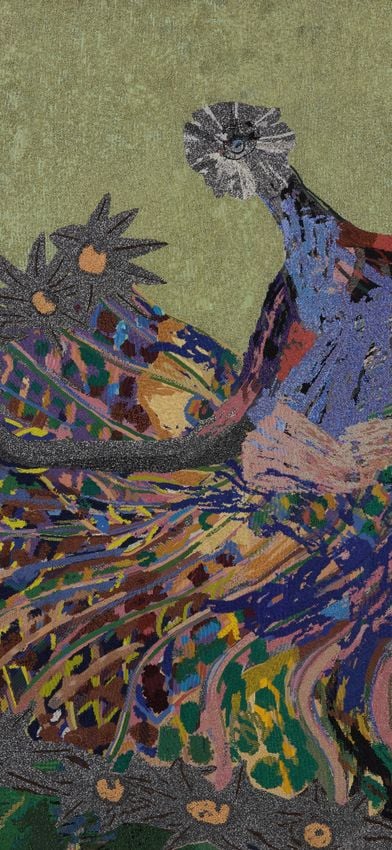
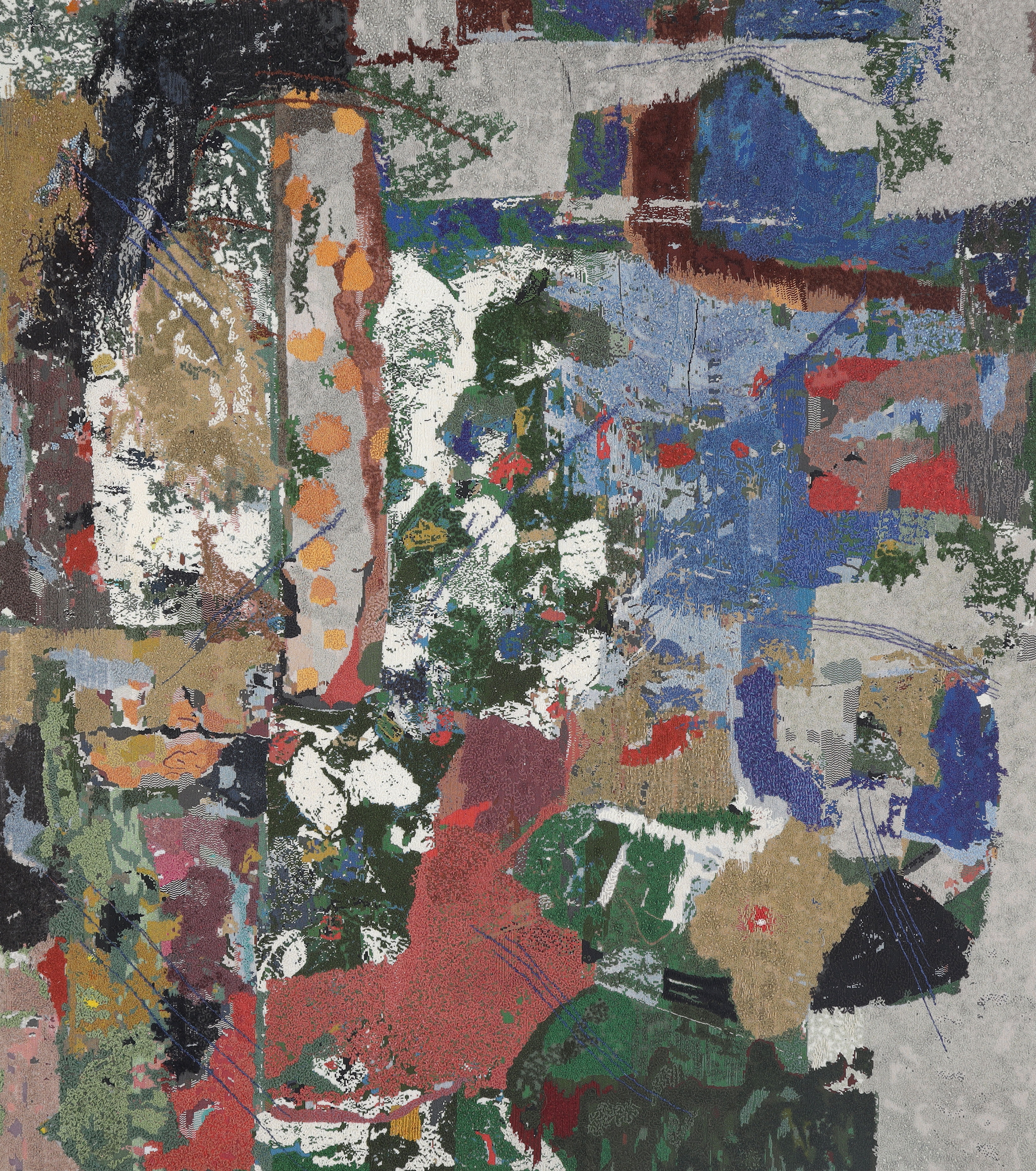
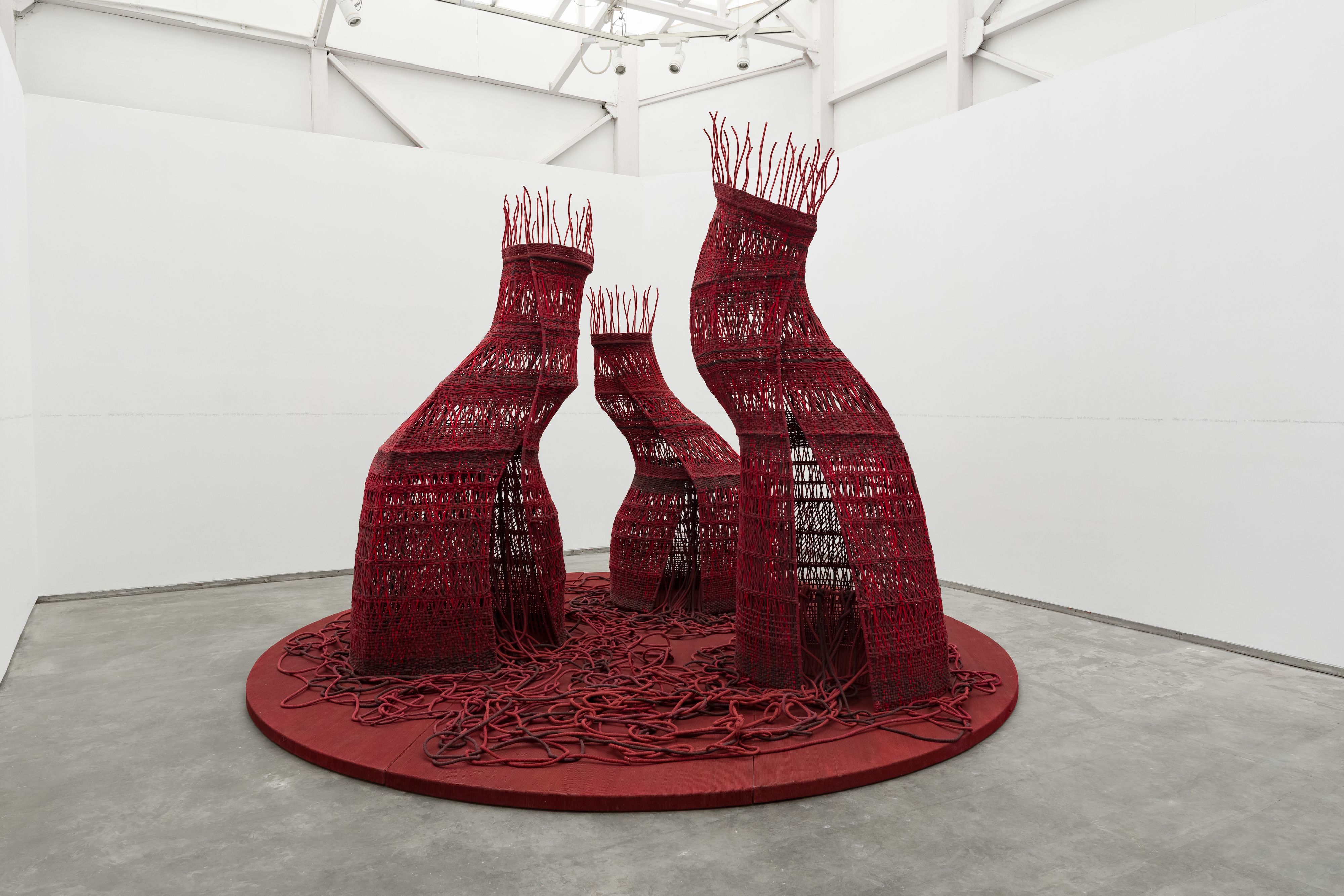
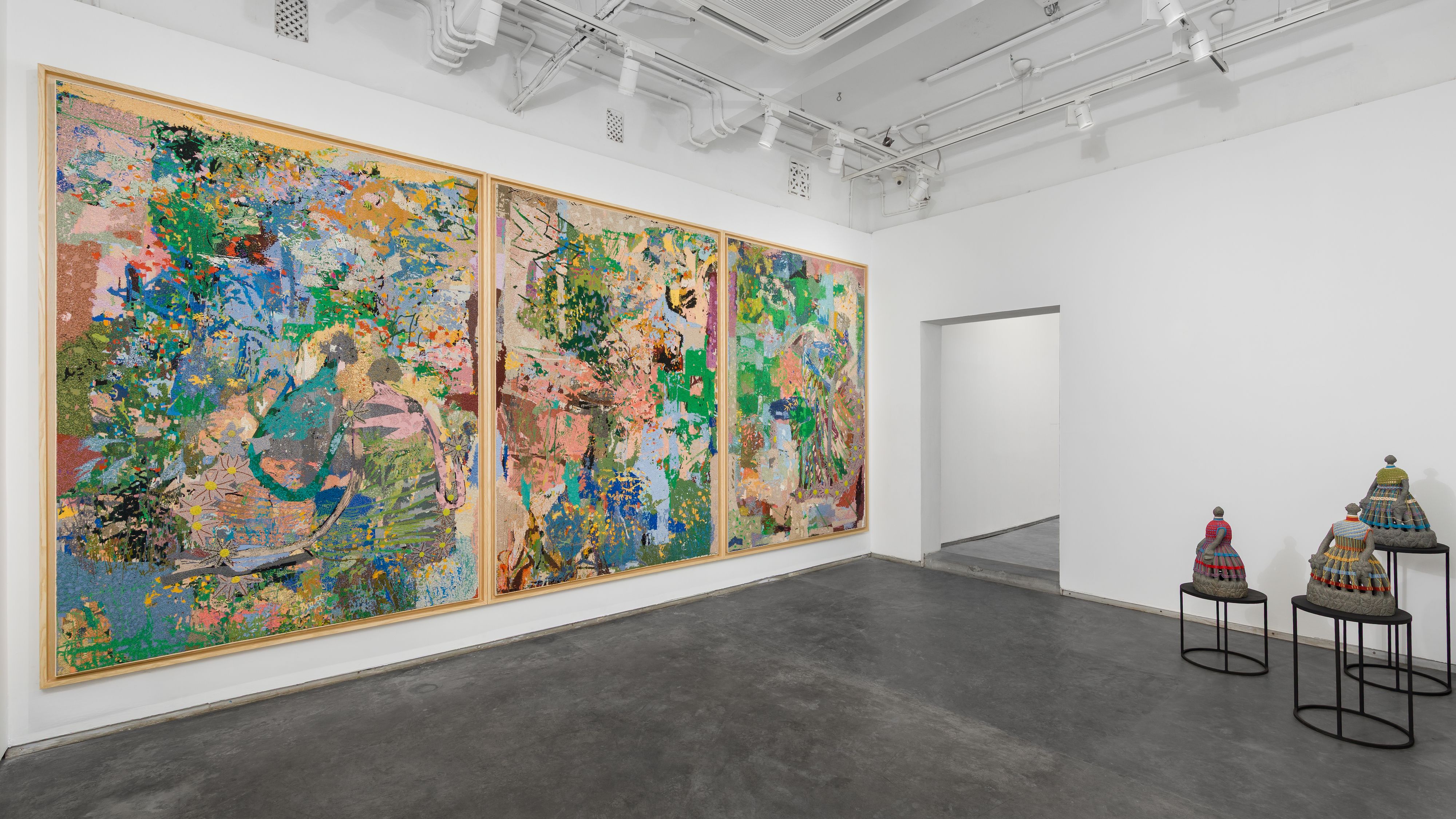
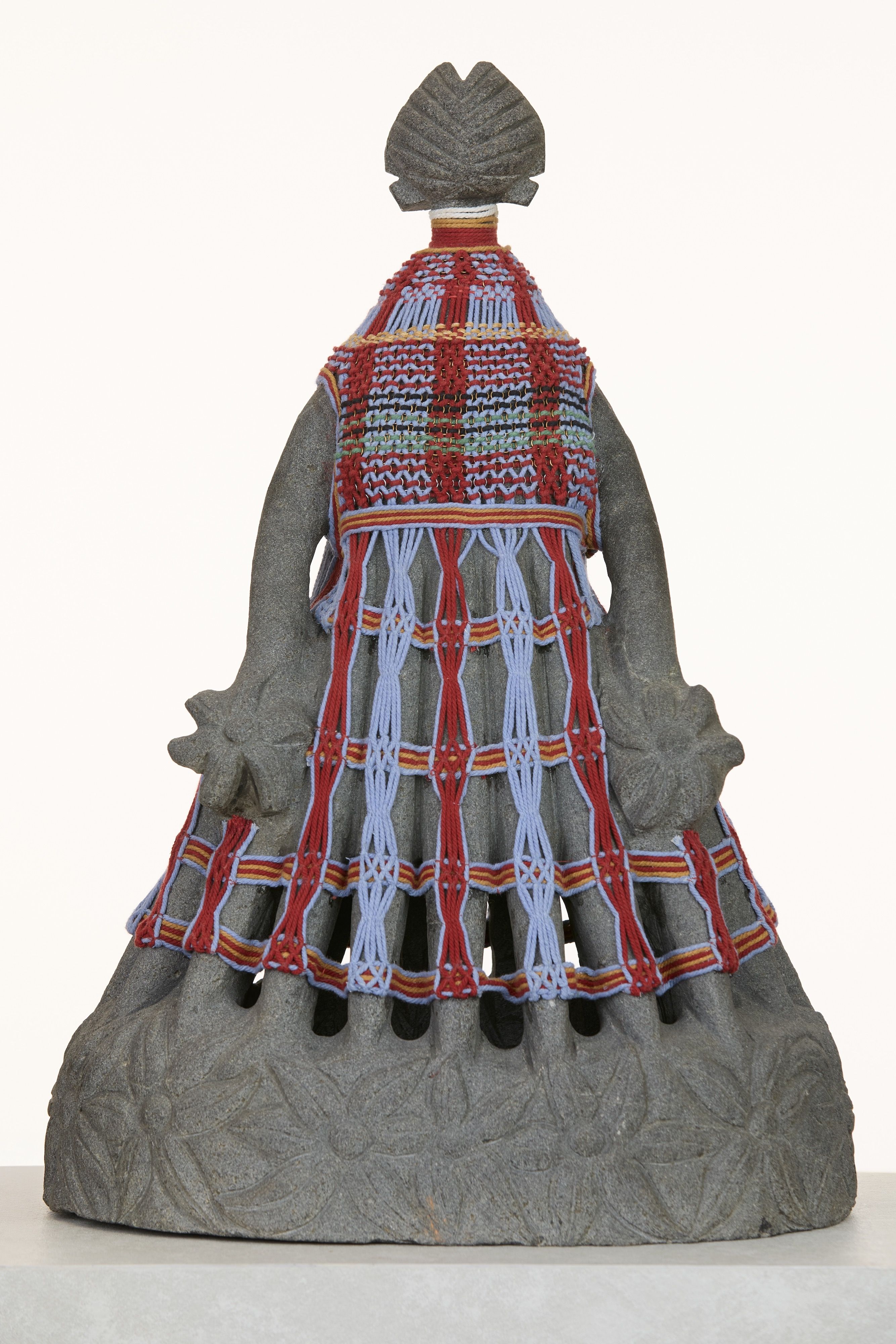
Craftsmanship and the generational transmission of its knowledge have been insufficiently recognised, and are even less visible within the art world. This is precisely why the Chanakya School’s effort to institutionalise and sustain women’s weaving heritage (in a country with more 700 million women) feels rare and deeply valuable. Founded in 2016 by Chanakya International, the school operates at the intersection of pedagogy and collective making, where traditional embroidery techniques are preserved through slow and labour-intensive processes. Following interdisciplinary collaborations with artists such as Judy Chicago, partnerships with luxury houses including Dior, and commissions from major museums, the collective now presents its debut solo exhibition in Kolkata. The show brings together wall-based works and freestanding sculptures: the ‘Traces’ series (2025) comprises rectangular textiles made from second-hand glass beads, cotton and silk embroidery, accumulating layers of verdant green, pale pink, baby blue and interspersed ‘stains’. In Sun Within (2025), a three-metre-tall woven form with tassels pooling on to the floor, an enigmatic landscape emerges—suggesting a goddess or a female, organ-like figure in the centre. Almost symmetrical in composition yet subtly irregular, the work foregrounds weaving’s material intelligence and quiet resistance to perfection. – Shanyu Zhong

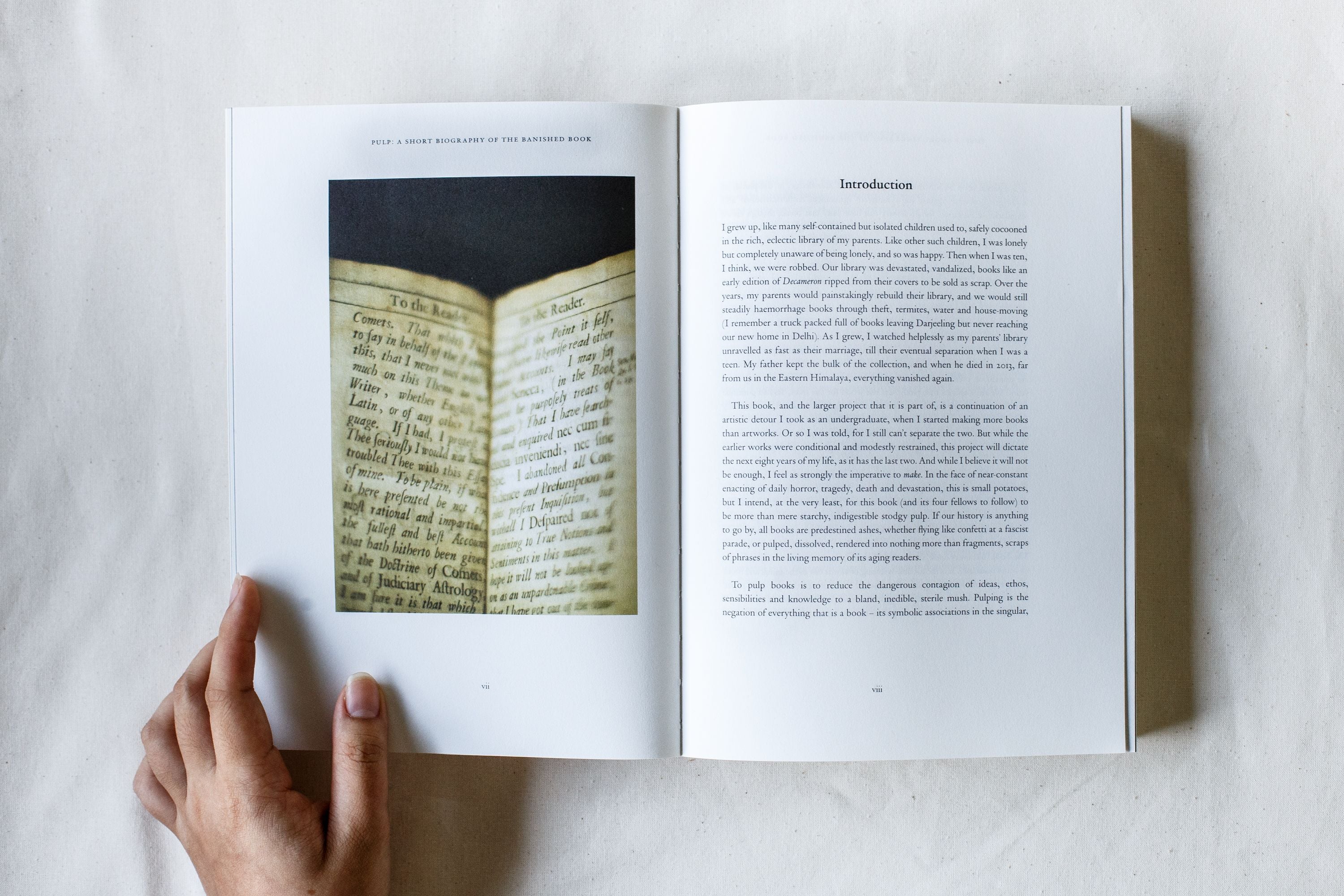
Shubigi Rao, Pulp I–IV (opens on 12 February 2026) at Tensta konsthall, Stockholm
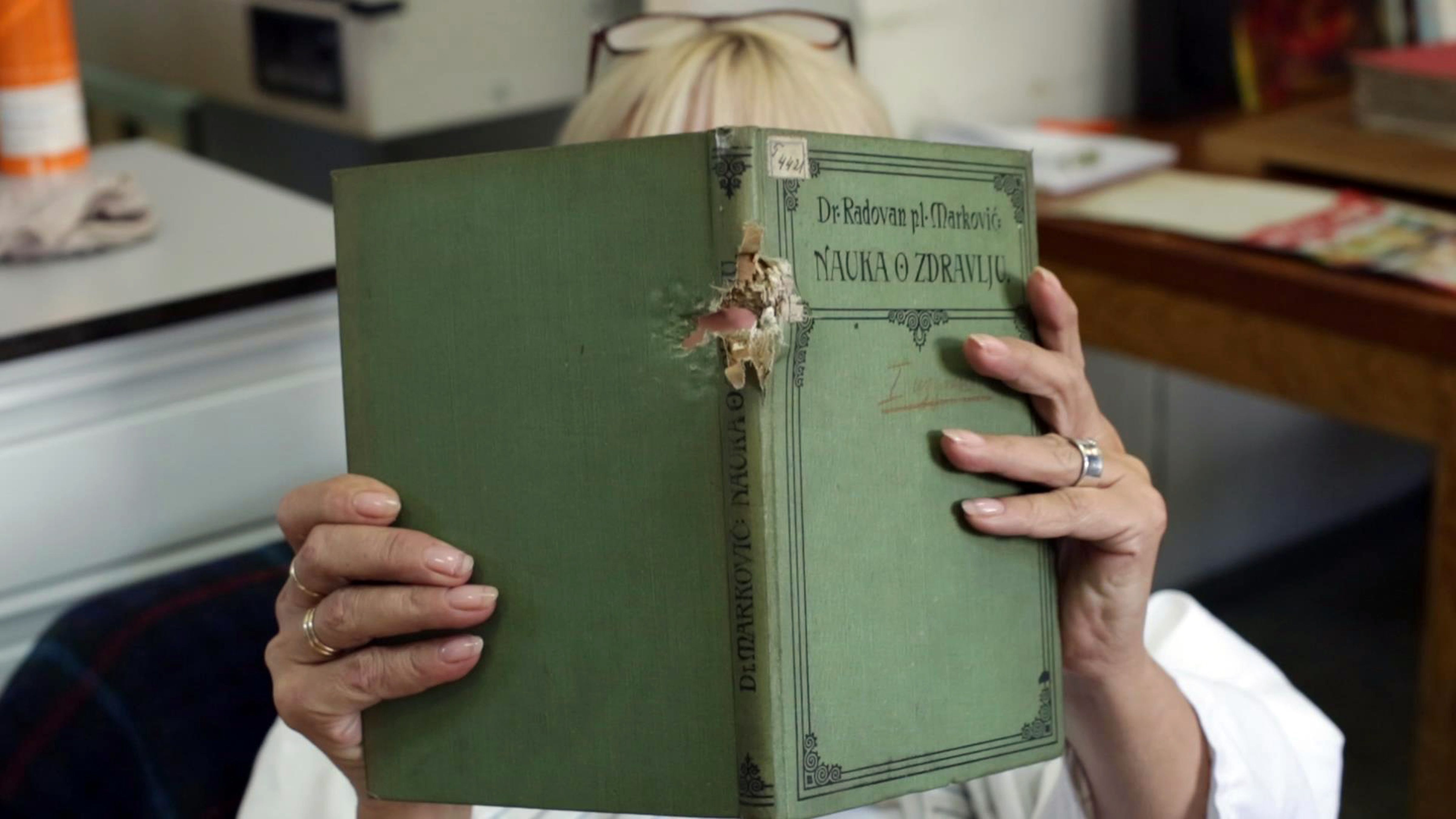
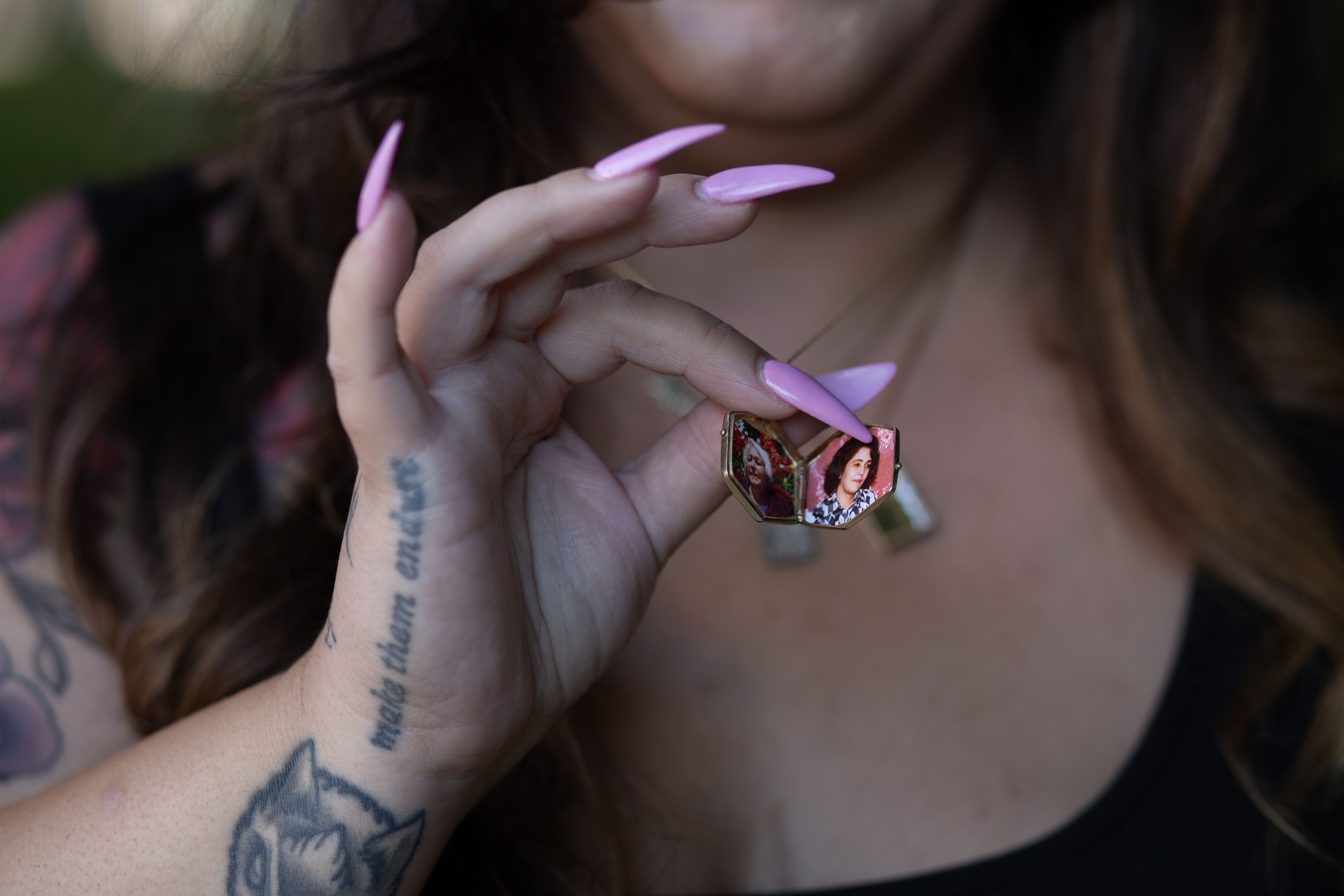
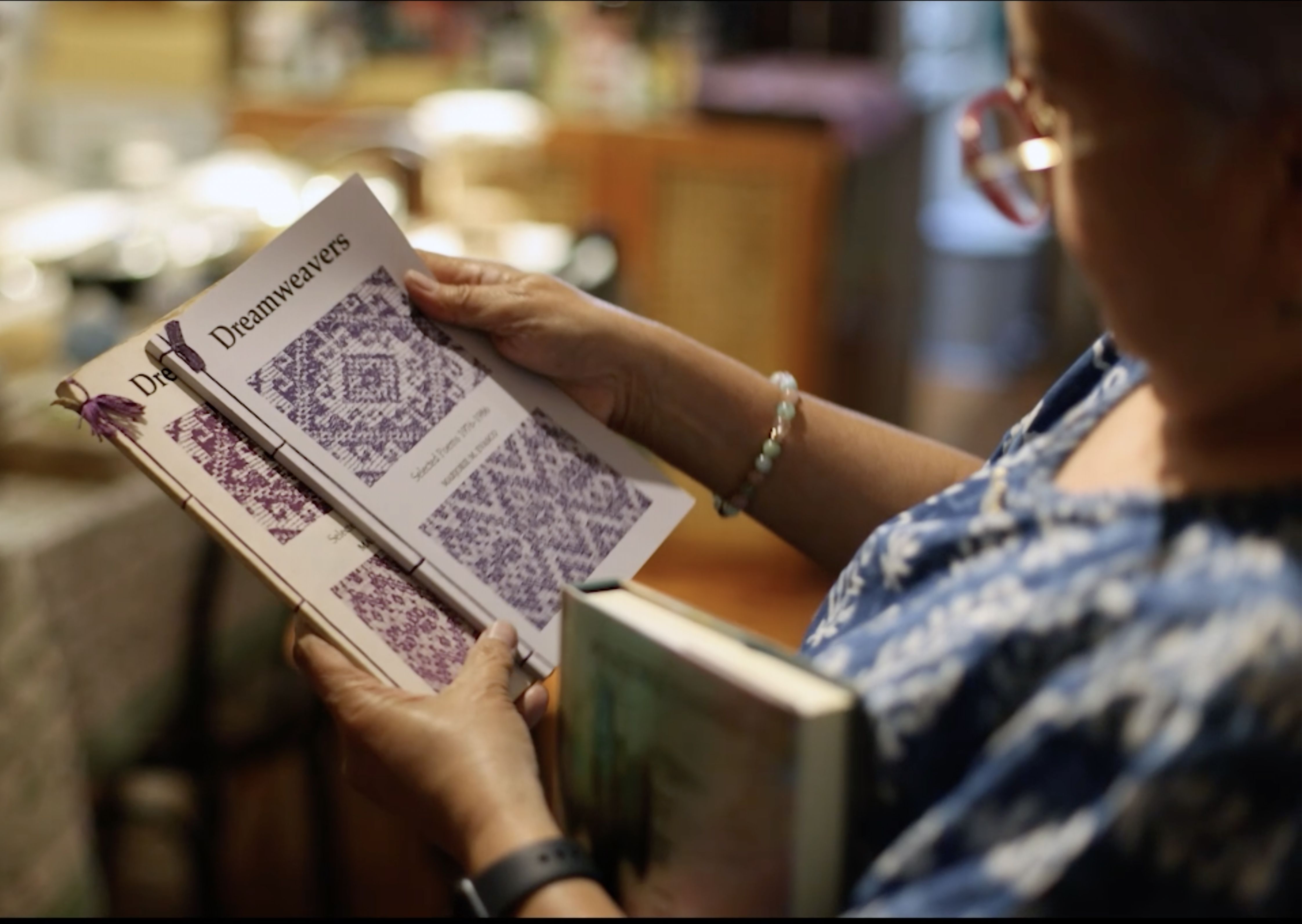
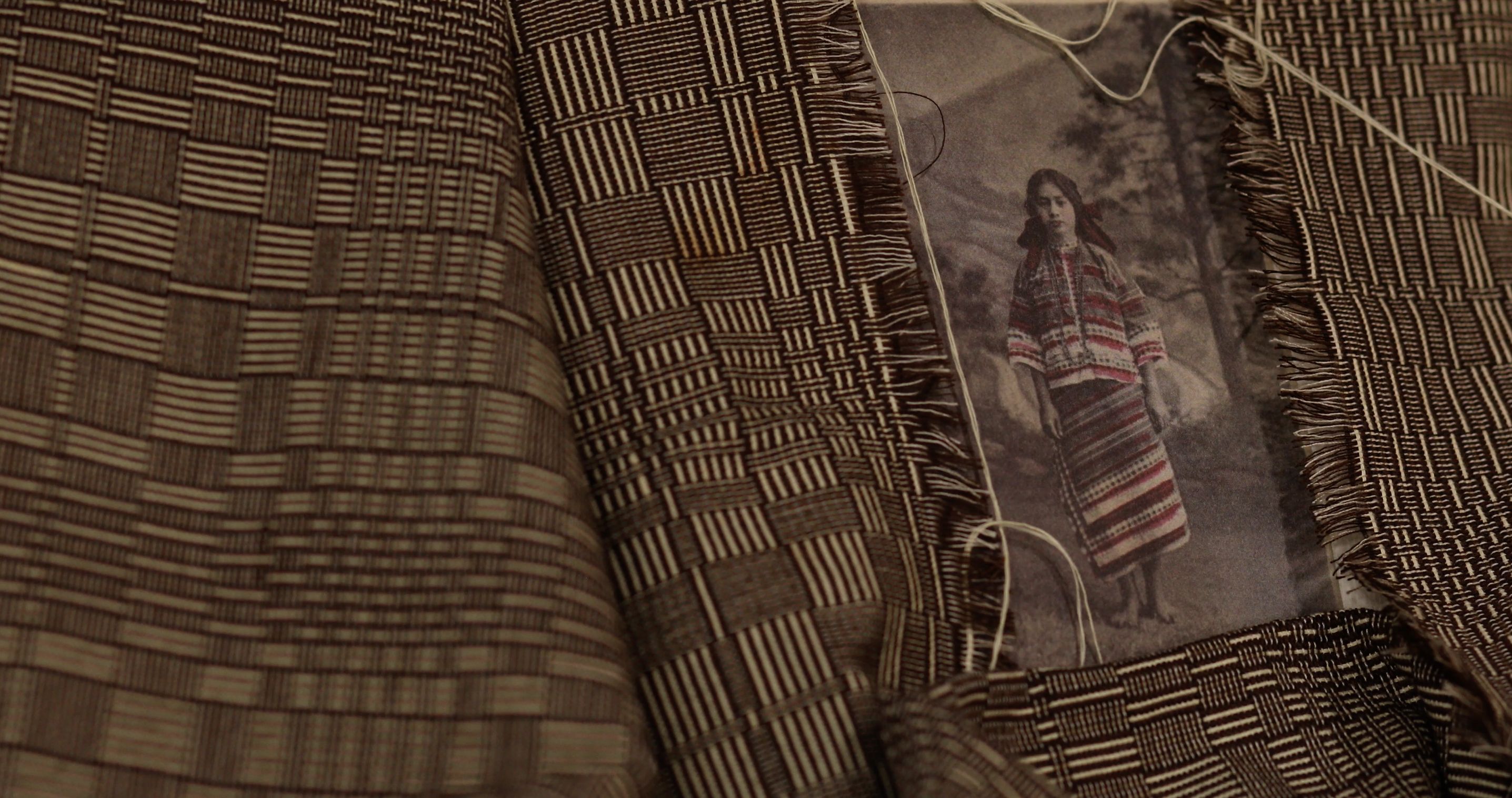
2026 stands as the anticipated denouement of what Shubigi Rao describes as her 10-year project on banished books—a worldly ethnography and partly auto-theoretical quest that began with her first non-fiction book, Pulp I (2016). Over the past decade, Rao has travelled, listened, filmed, drawn and written about secret libraries, banned texts and their custodians, tracing micro-histories from Sarajevo’s shelled National Library to flood-damaged collections in Kerala. The latest iteration of this ever-expanding archive, exhibited at Tensta konsthall, brings together the four volumes of Pulp (with a fifth forthcoming), alongside films such as These Petrified Paths (2023), addressing cultural erasure including the Armenian genocide, and Shadowstitch (2025), looking at how women show resistance to authoritarianism. Encompassing a remarkable variety of media—film, photography, text and calligraphy—the show feels like a biennial created by a single mind, with each work united by the intimate attention and deeply personal lens through which it is rendered. Its structure is anchored by Rao’s idiosyncratic ink drawings of family trees, guiding viewers through this decolonial encyclopaedia. – Zian Chen
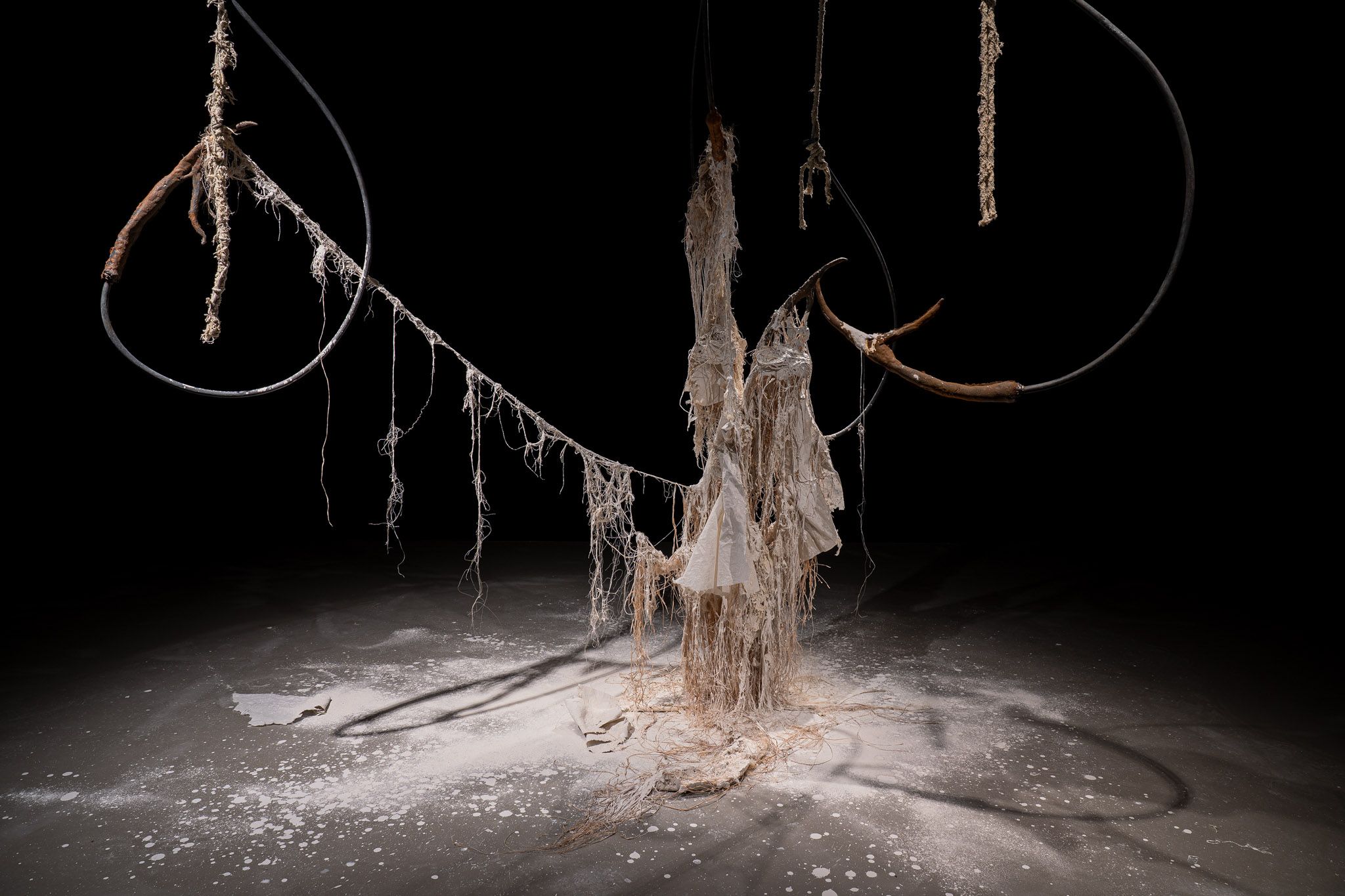
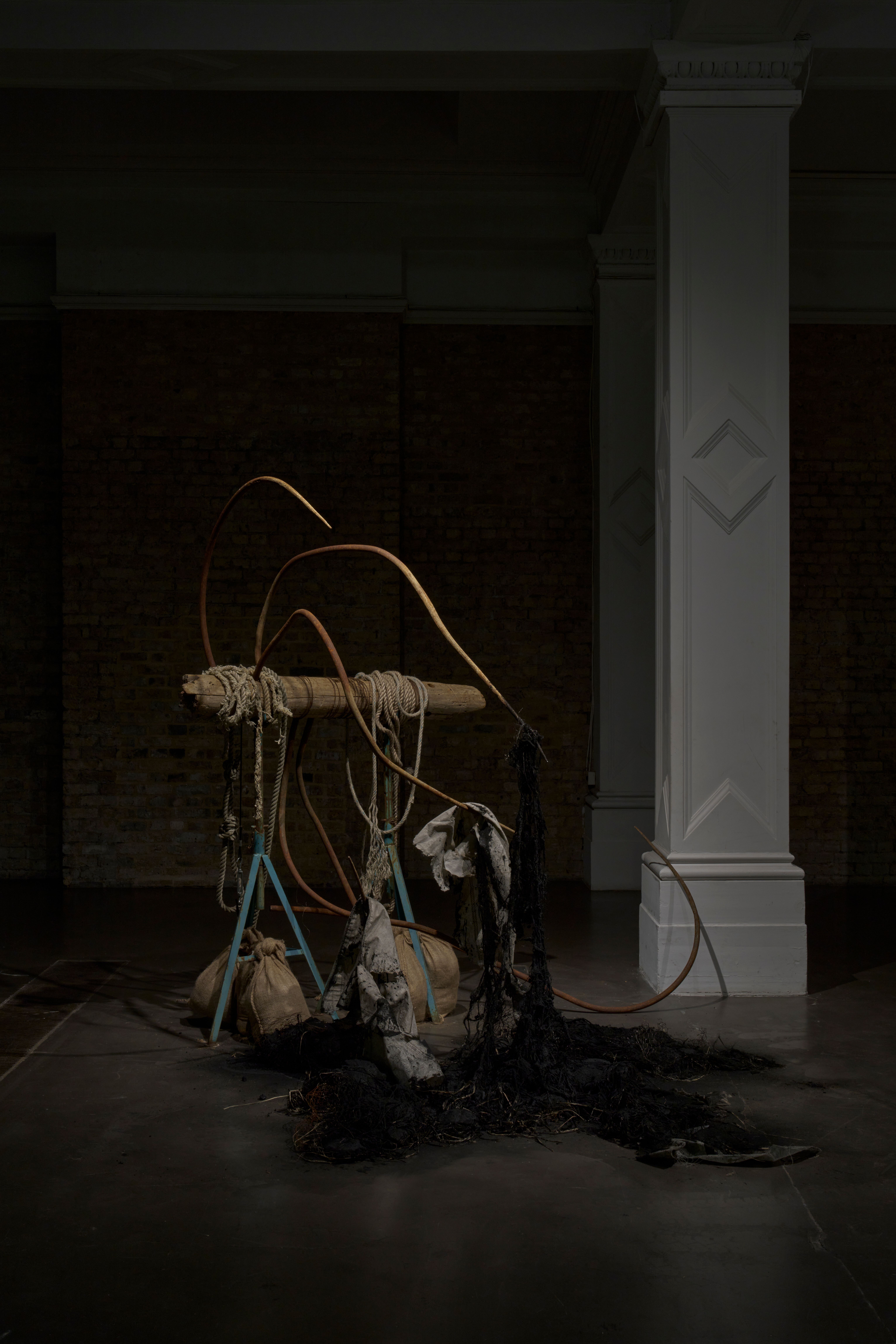
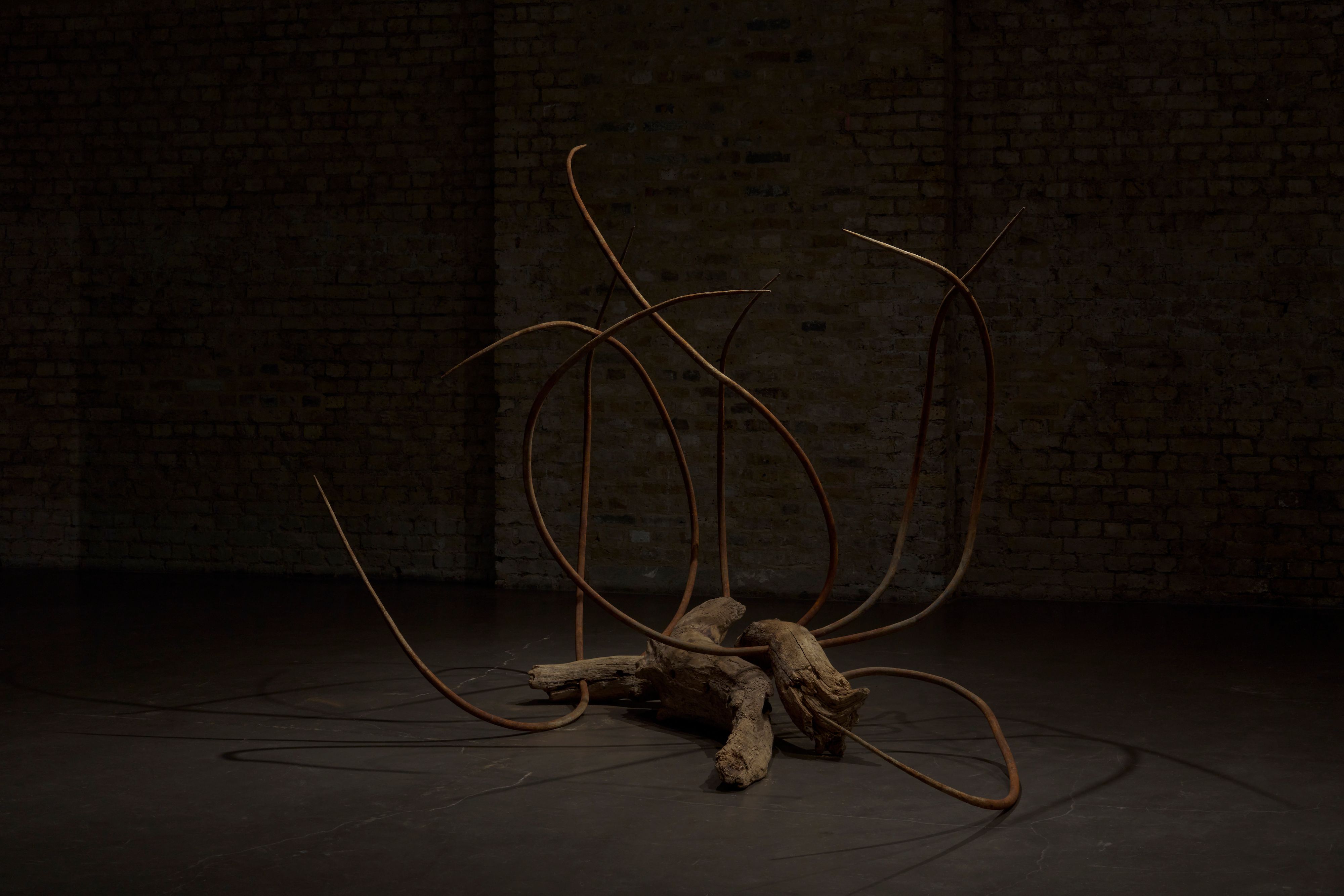
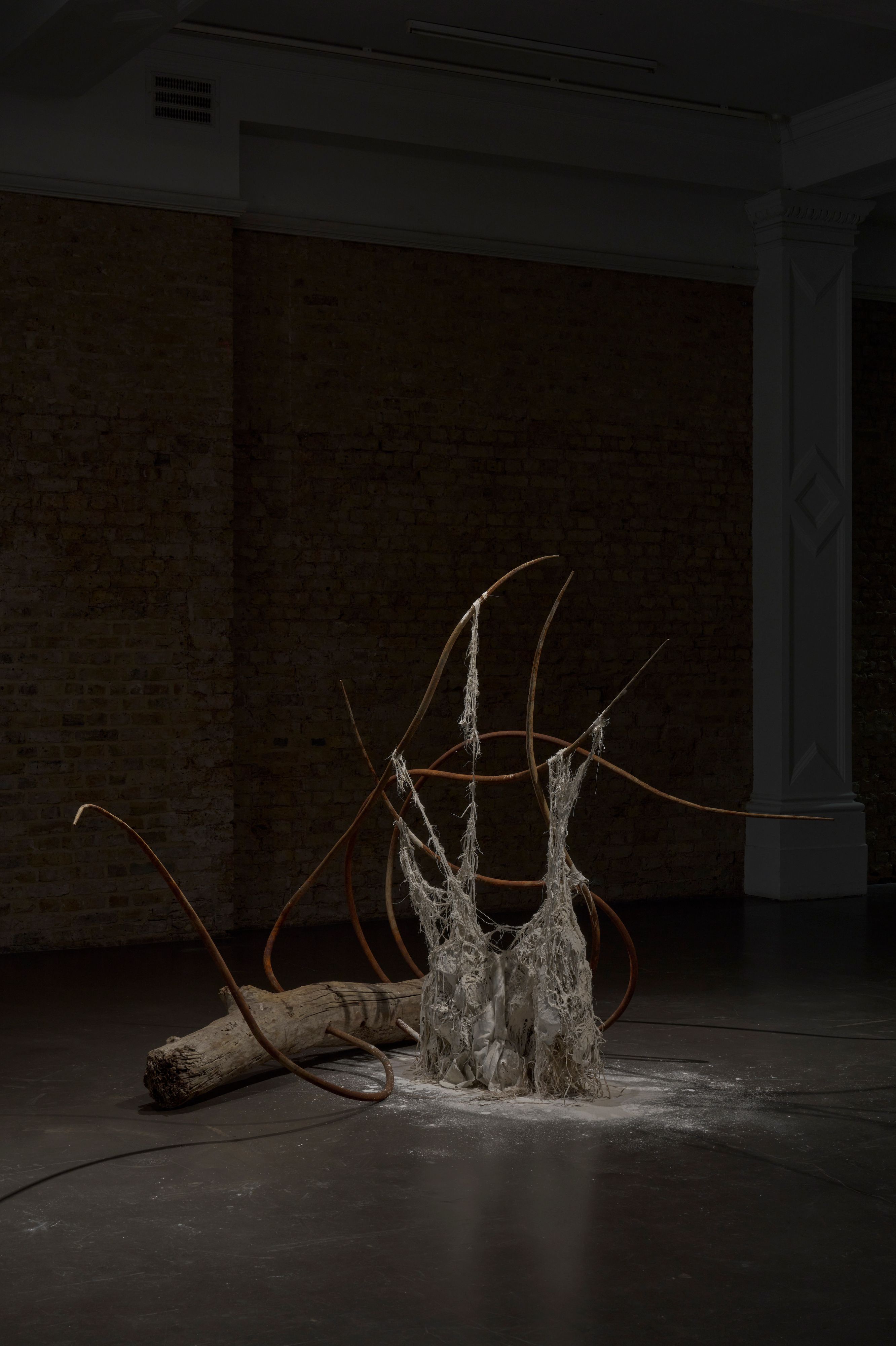
Dominique White, All Great Powers Collapse from the Centre (12 February–16 May 2026) at Kunsthalle Basel
Looking at the work of Dominique White, I am reminded of Detroit Afrofuturist electronic band Drexciya. Both Drexciya and White take the slave ship as their mythological starting point. Drexciya made music based upon a mythical underwater utopia, encapsulated by a self-constructed, nautical Afrofuturist myth of an underwater kingdom populated by the unborn children of pregnant African women, thrown from the boat. White, whose work is described as both Afrofuturist and Afropessimist, departs from the utopic: it is the shipwreck’s decaying carcass that forms her visualisation of futurity. The aesthetic, or form, of her worlds is ruinous. White’s works, constructed from organic elements, trace the thaumaturgy of (sea) water on sisal, raffia and driftwood. The show’s title, All Great Powers Collapse from the Centre, hints at the intrinsically anarchic element of White’s practice. As with her previous show Deadweight (2025)—which drew on Peter Lindeaugh’s The Many-Headed Hydra: Sailors, Slaves, Commoners, and the Hidden History of the Revolutionary Atlantic (2000)—White will re-orientate history via the shipwreck(ed). Between loss and renewal, wreckage and re-construction, White sees that new forms of thought and being can emerge beyond the norms of a world shaped by colonialism. – Lydia Eliza Trail
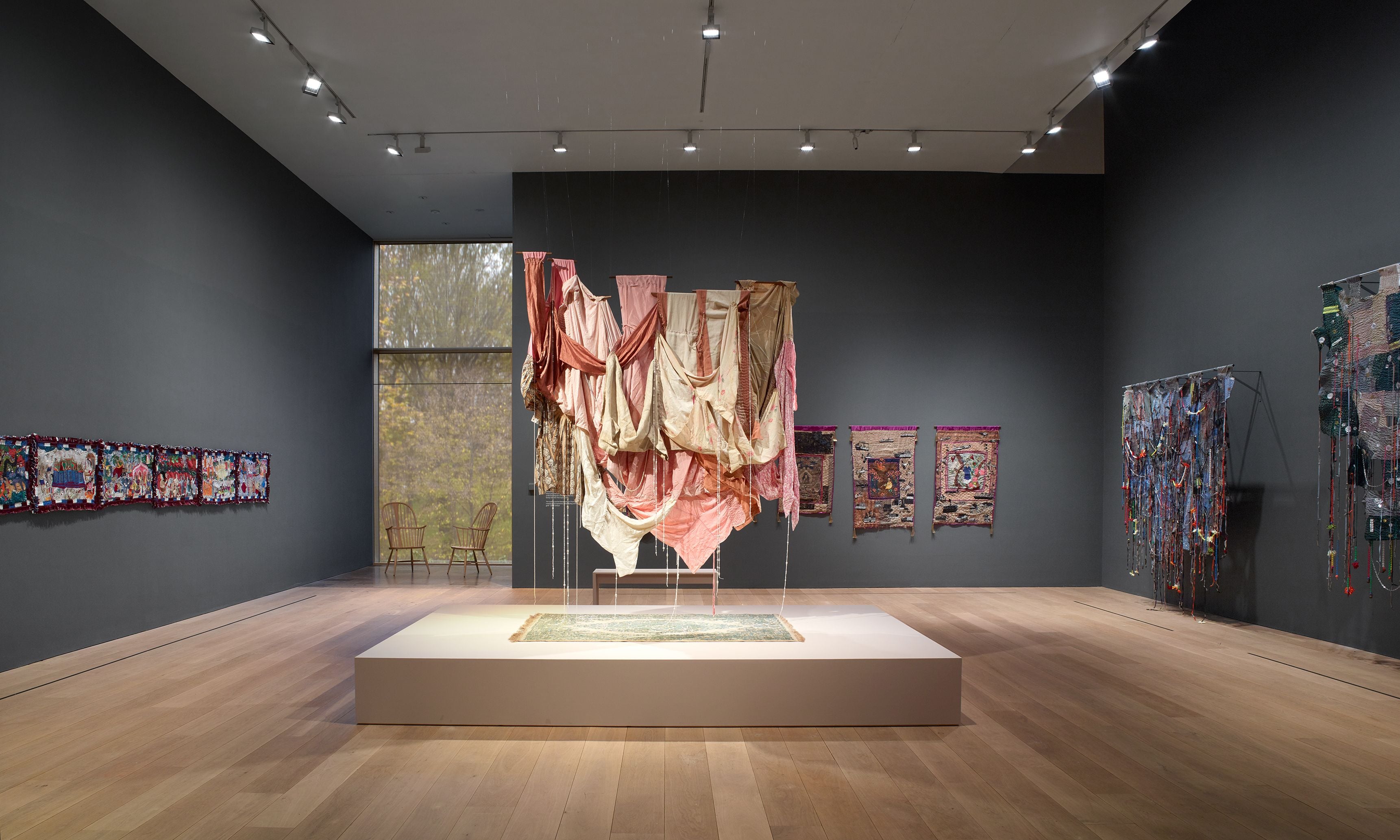
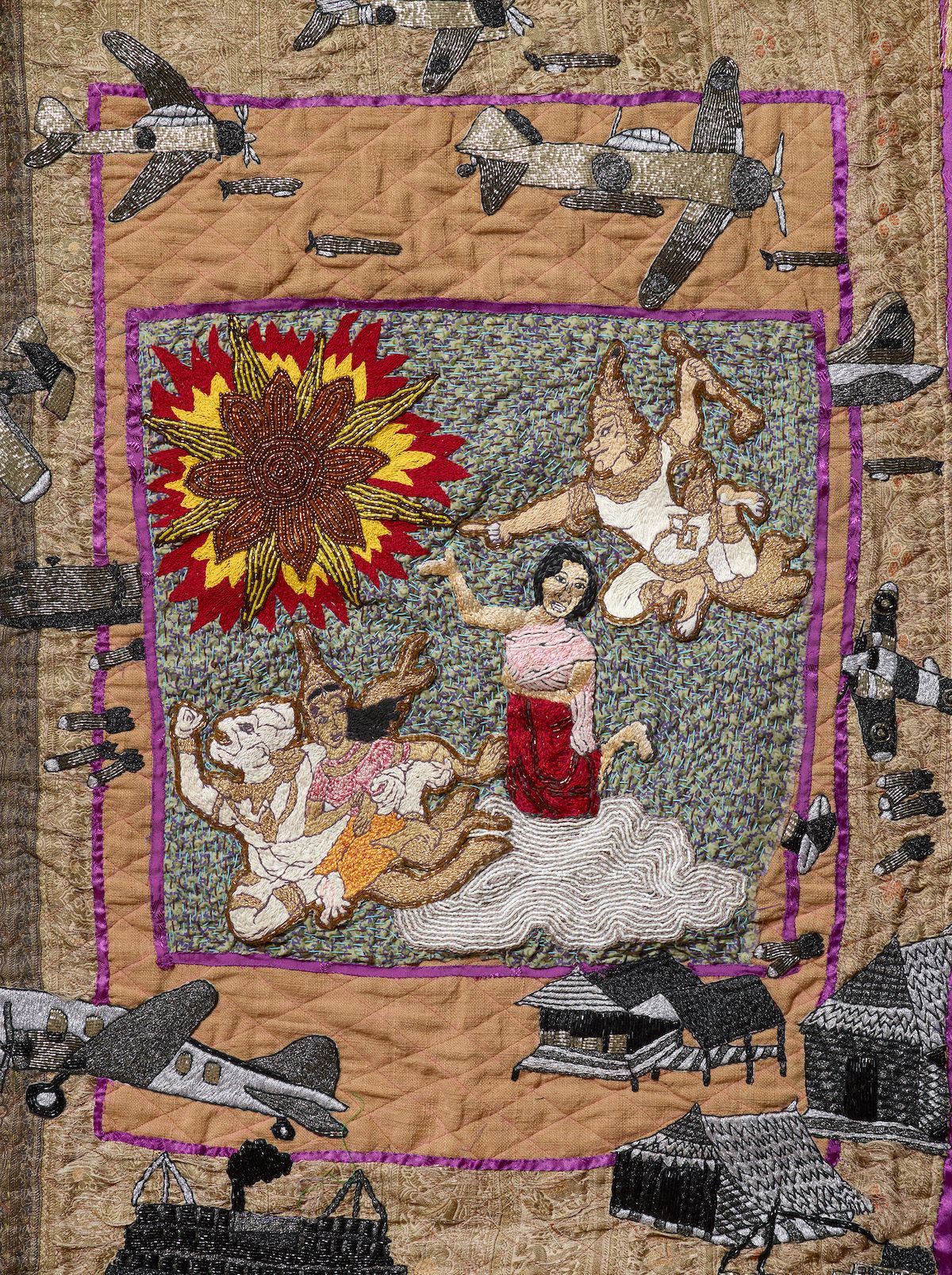
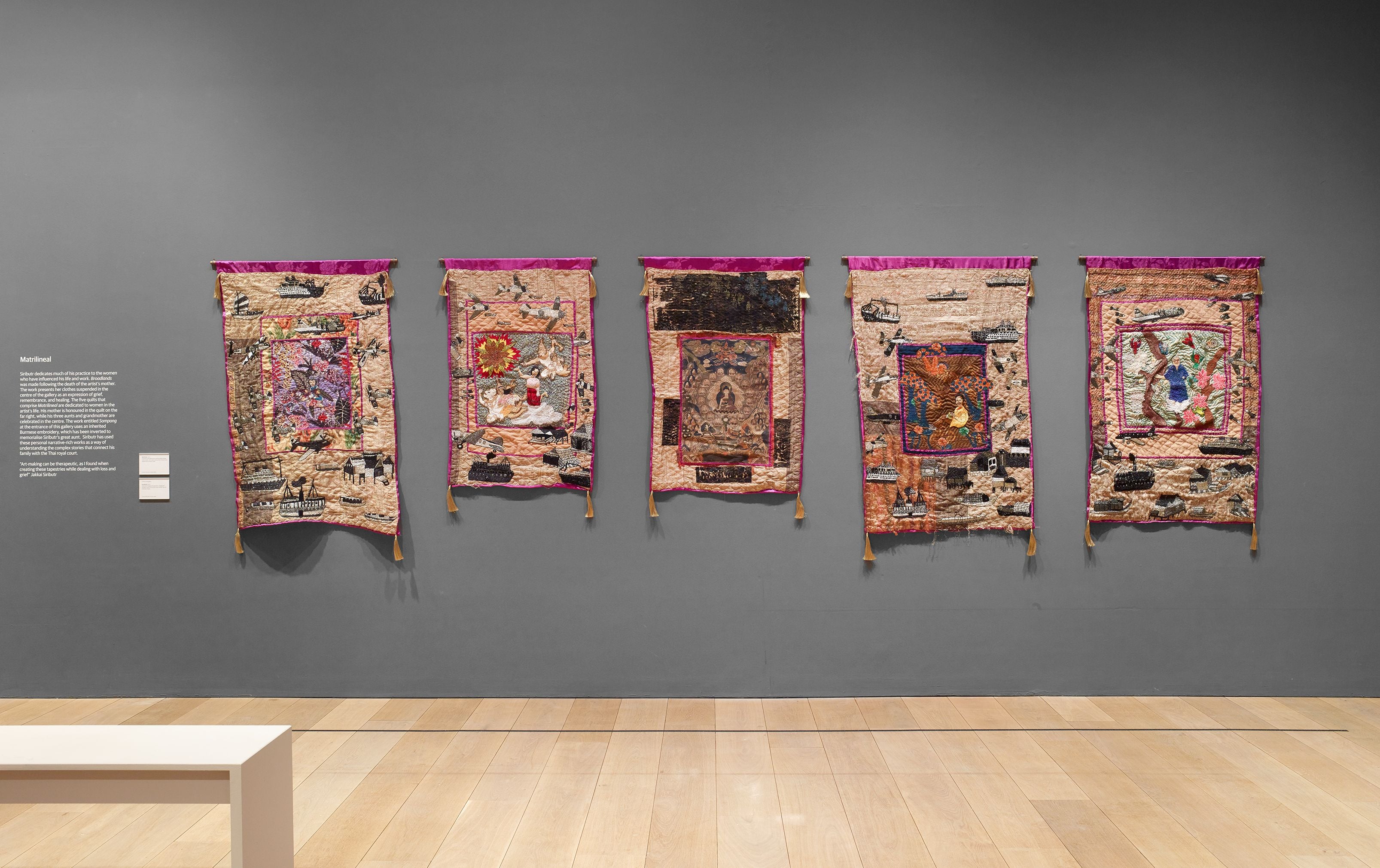
Jakkai Siributr, There’s no Place (30 January–23 May 2026) at Canal Projects, New York
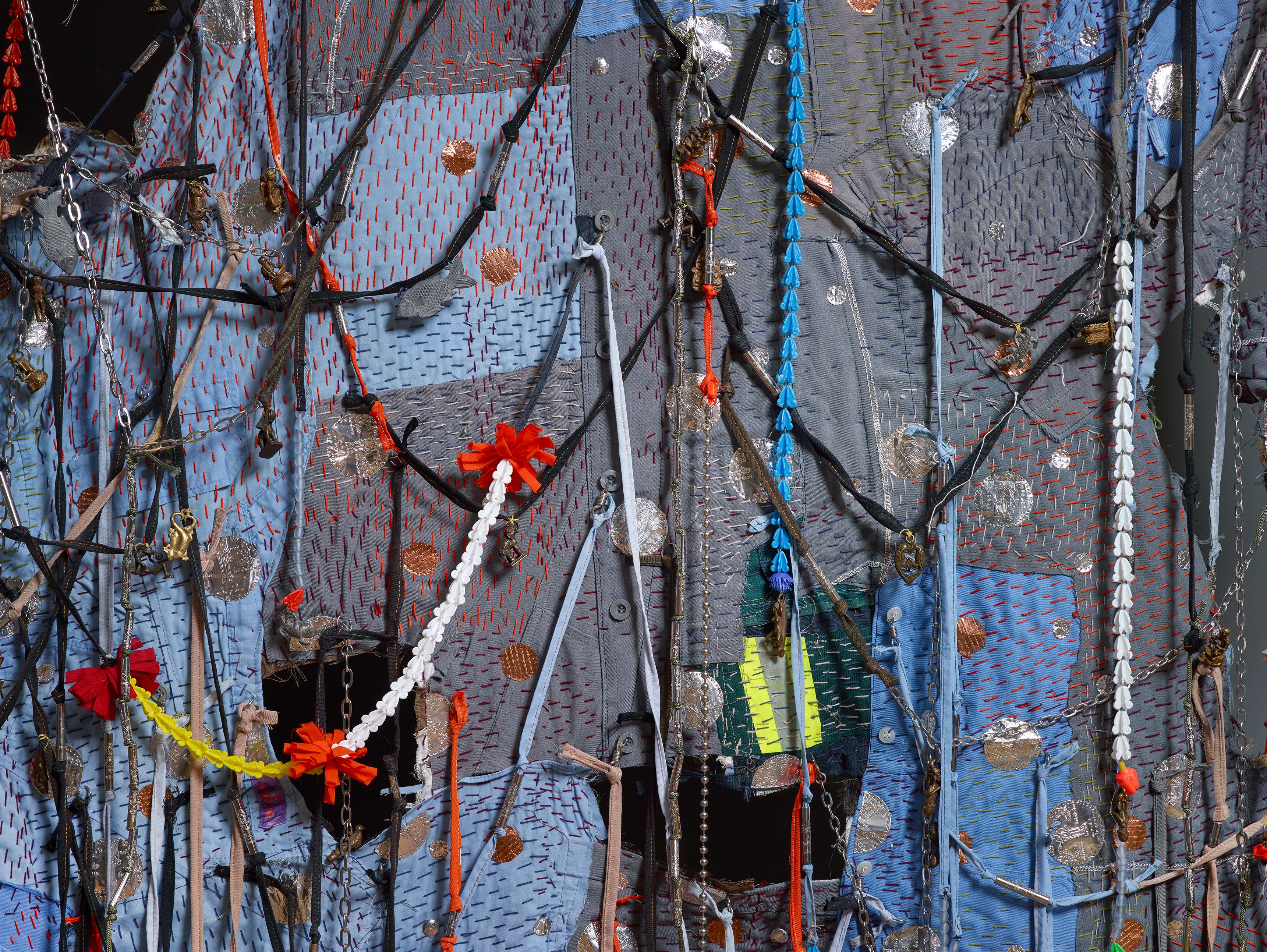
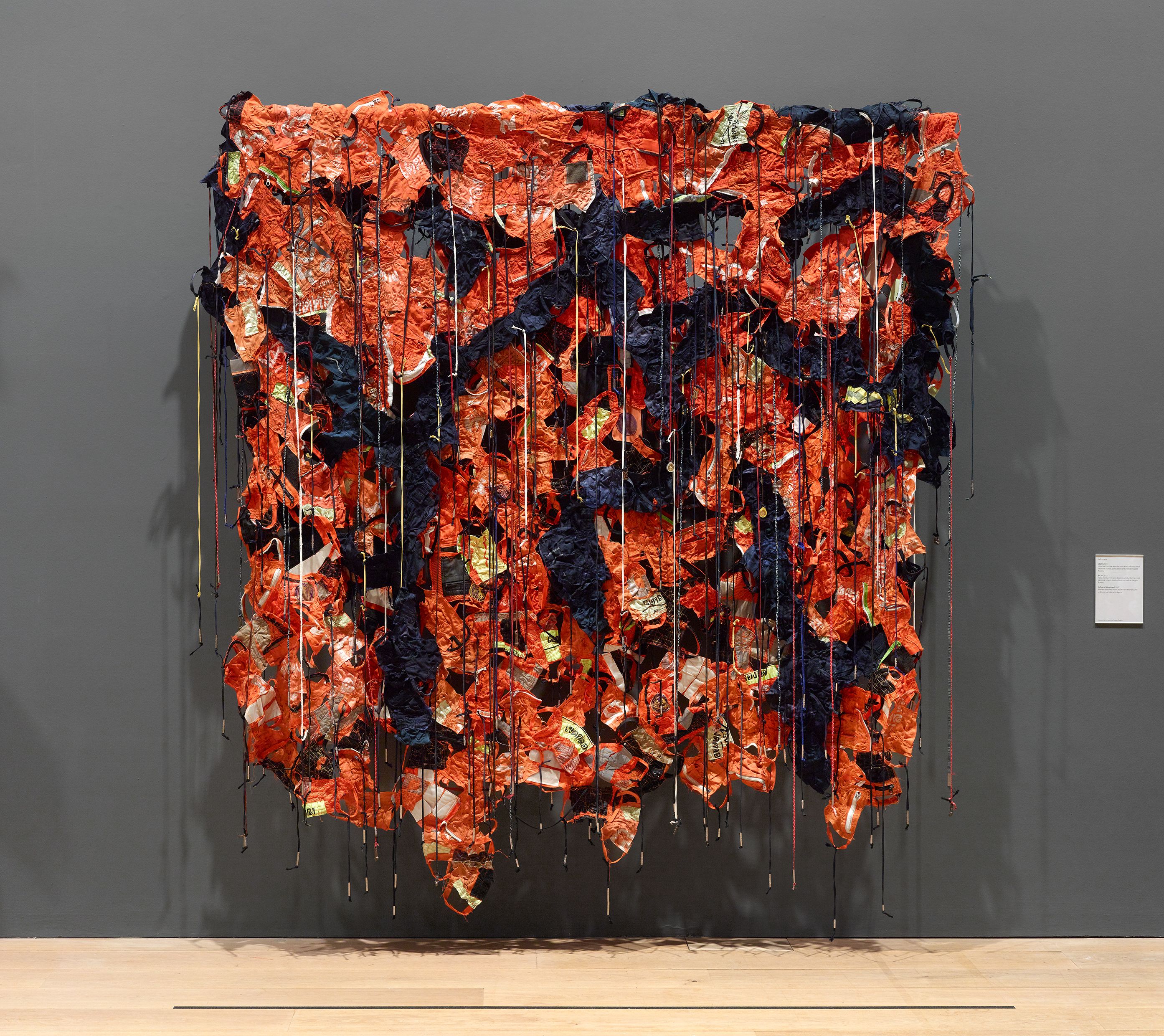
Sited 500 metres from the Thailand–Myanmar border is the Koung Jor Shan Refugee Camp. Translating to ‘Happy Hill’, Koung Jor is one of several unofficial camps in the area housing displaced Shan people, the largest ethnic minority group in Myanmar. It was here that Thai artist Jakkai Siributr, whose home in Chiang Mai was a three-and-a-half hour drive away, began his ongoing collaborative work There’s No Place (2020–present) with 20 resident girls and women, with the resulting iterative, shapeshifting installation of brightly coloured embroidered sheets going on to be shown at the 2024 Venice and Bangkok Art Biennales. ‘My works are about bringing unheard voices to the forefront, or issues that are not often spoken about,’ the artist has said. For Canal Projects’ swansong exhibition—with the New York non-profit shuttering its doors at the end of the show after four years of operations—Siributr expands upon his approach to collective storytelling in a solo presentation of large-scale textile installations, hand- and machine-sewn quilts, and modified uniforms, predicated on the underlying question: who is and isn’t afforded the privilege of a home, of stability and a documented place in history? – Misong Kim
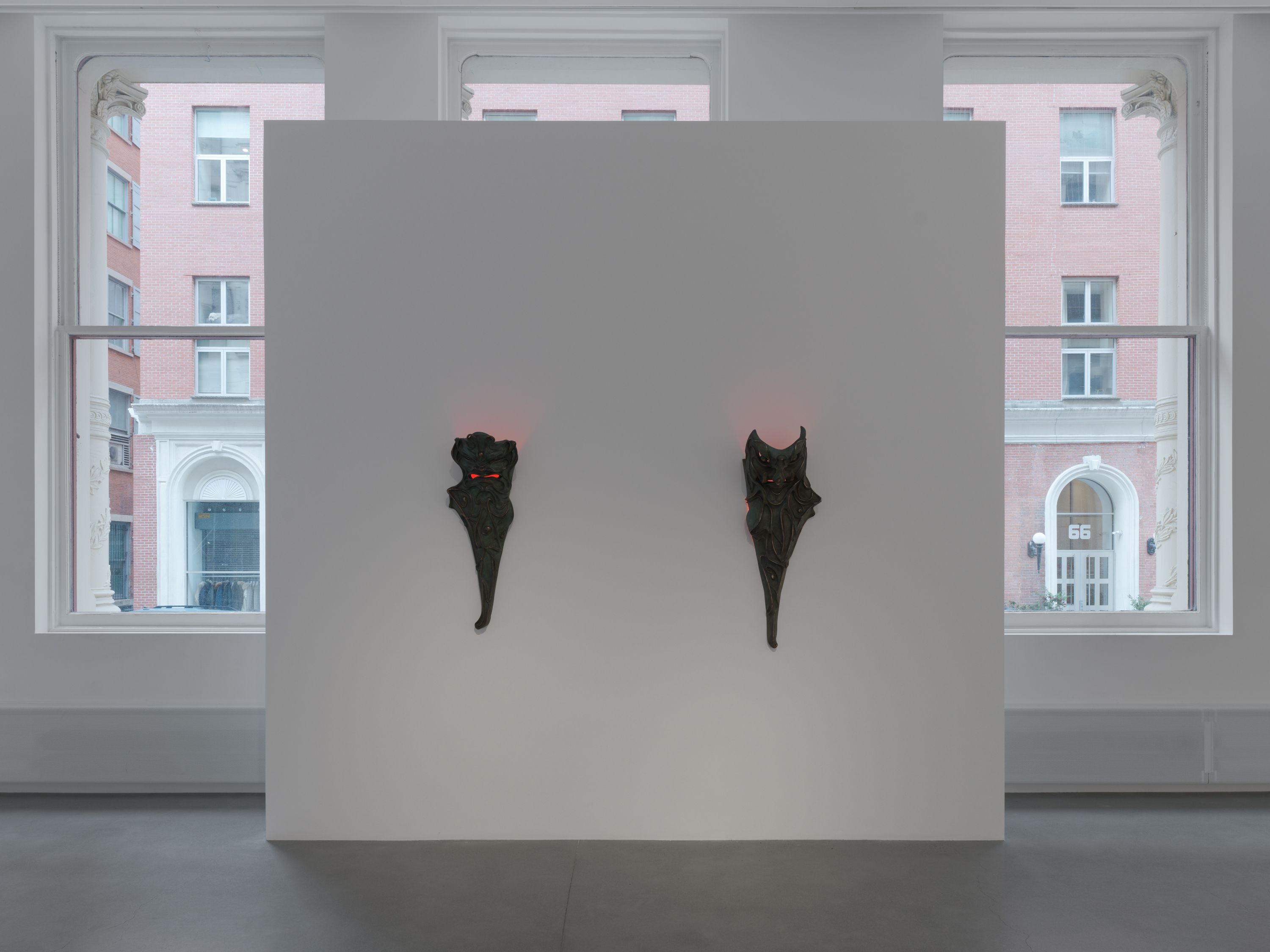
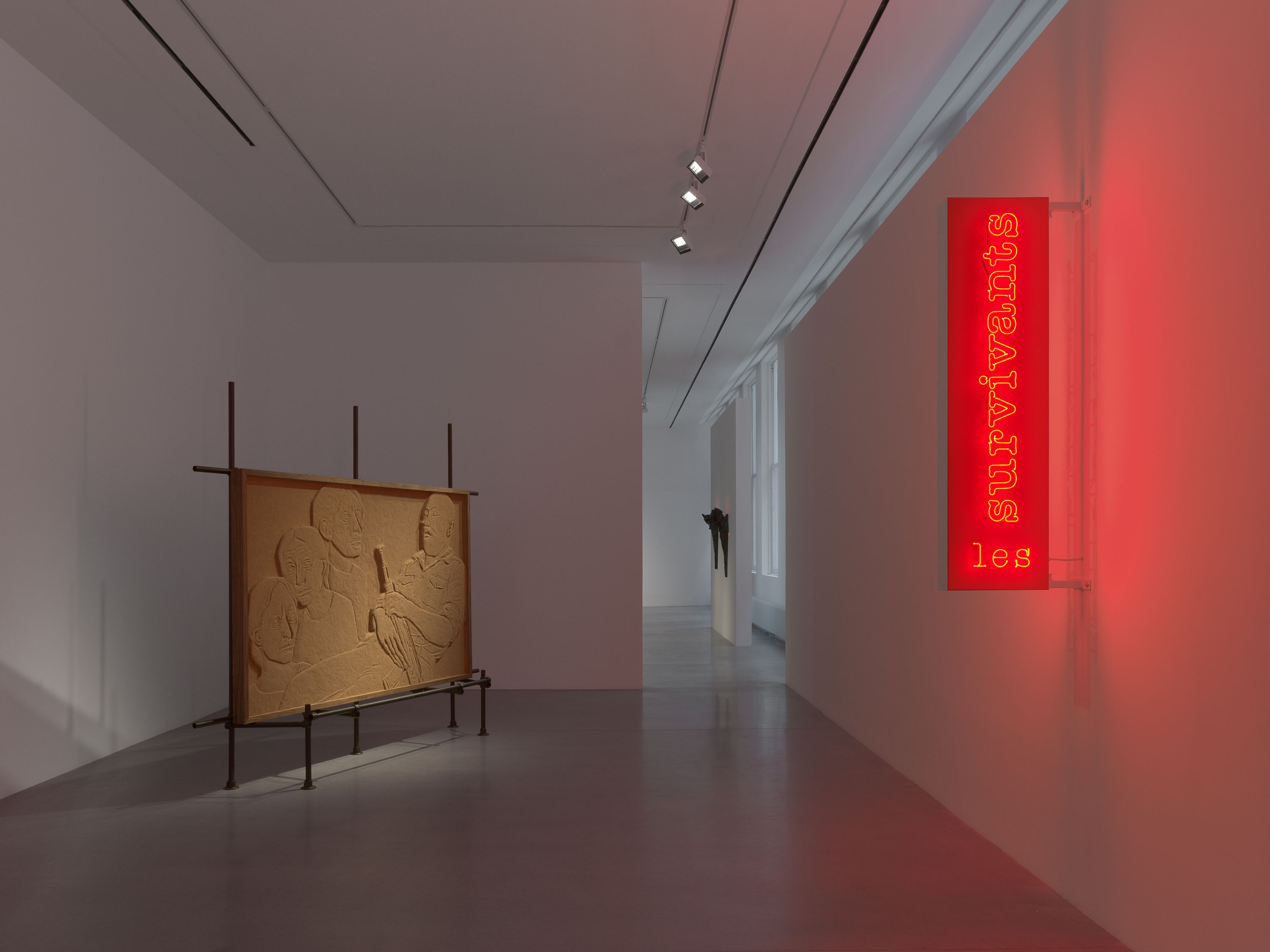


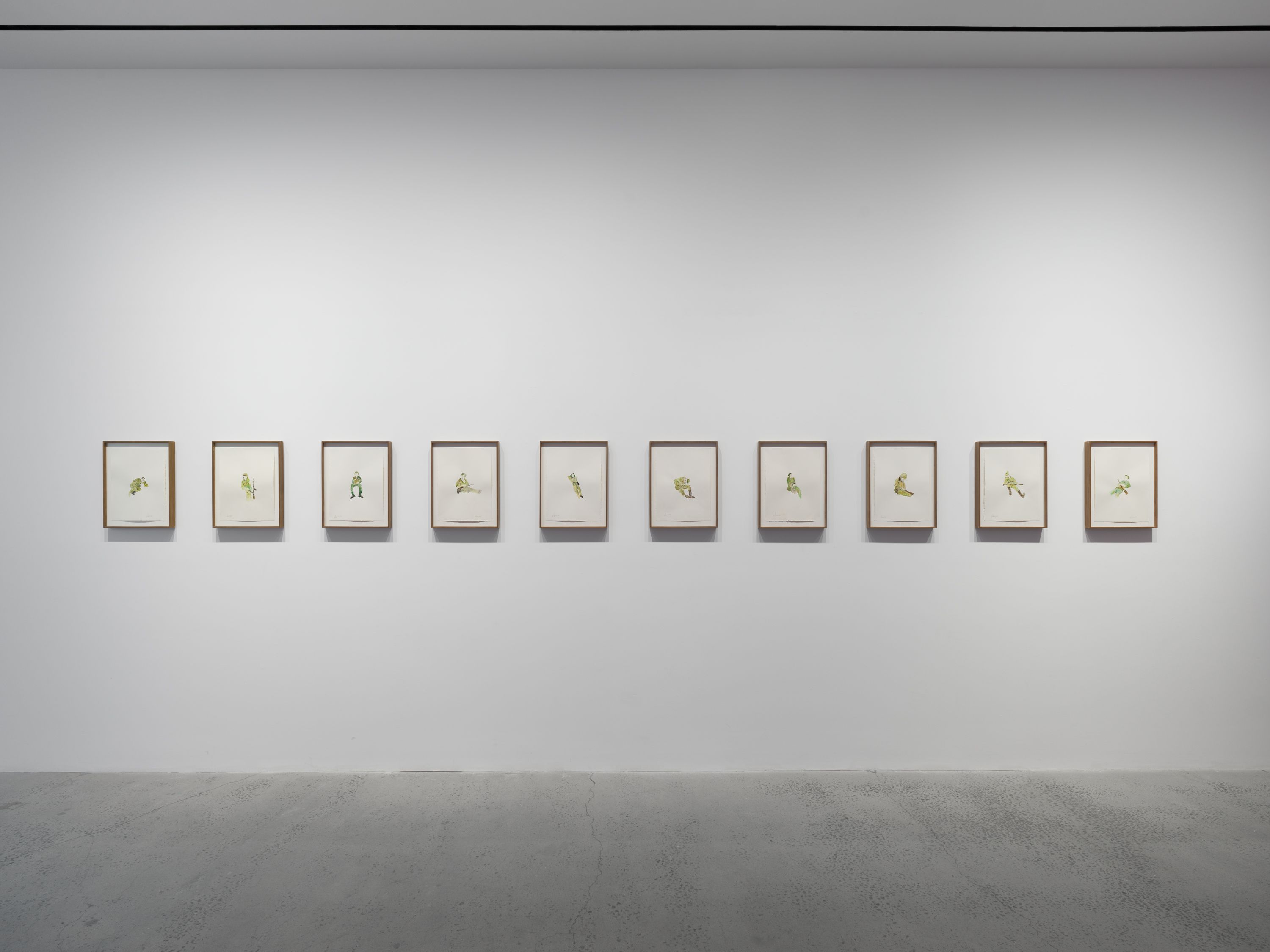
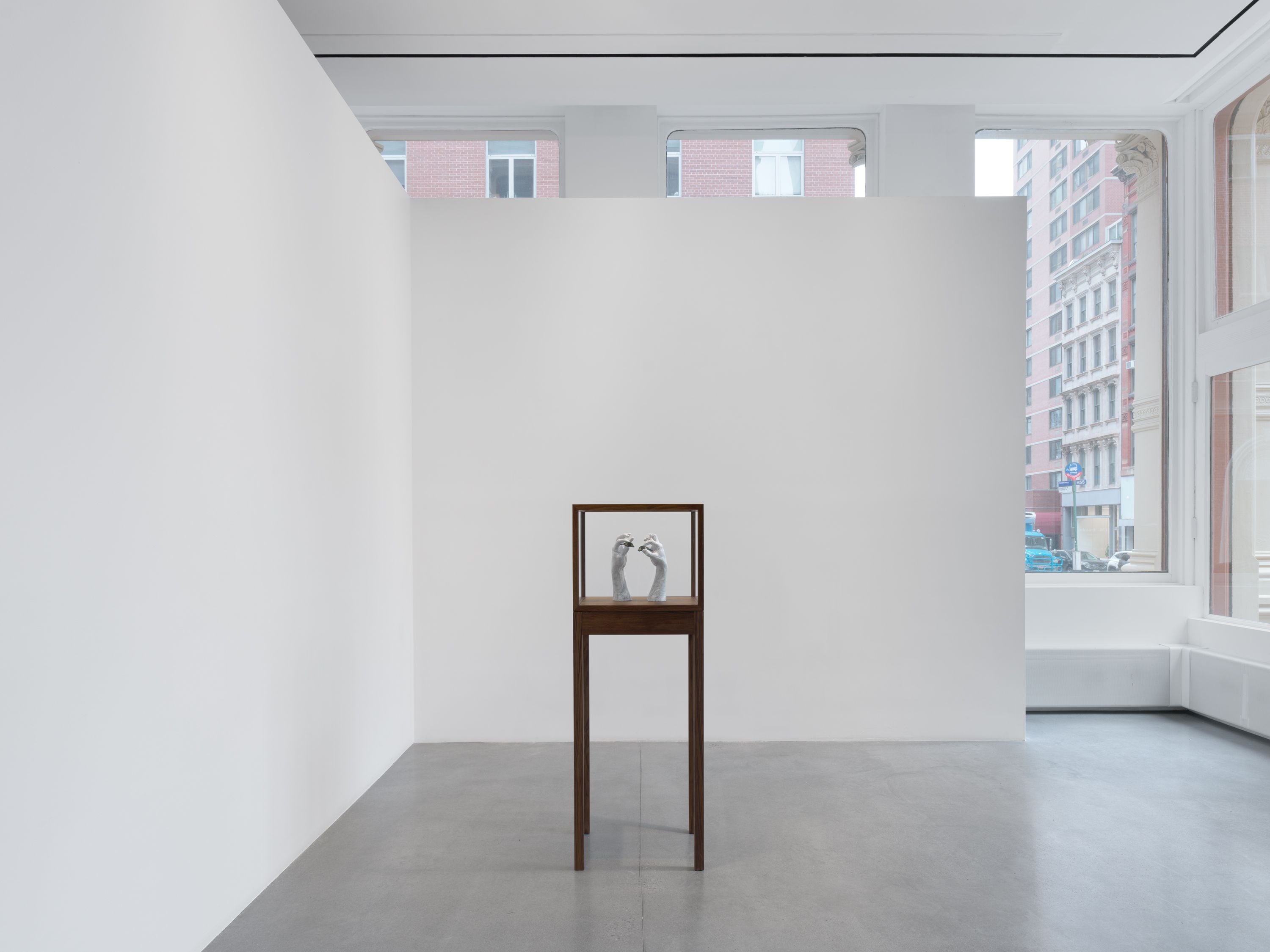
Ali Cherri, Last Watch Before Dawn (16 January–28 February 2026) at Almine Rech, Tribeca, New York
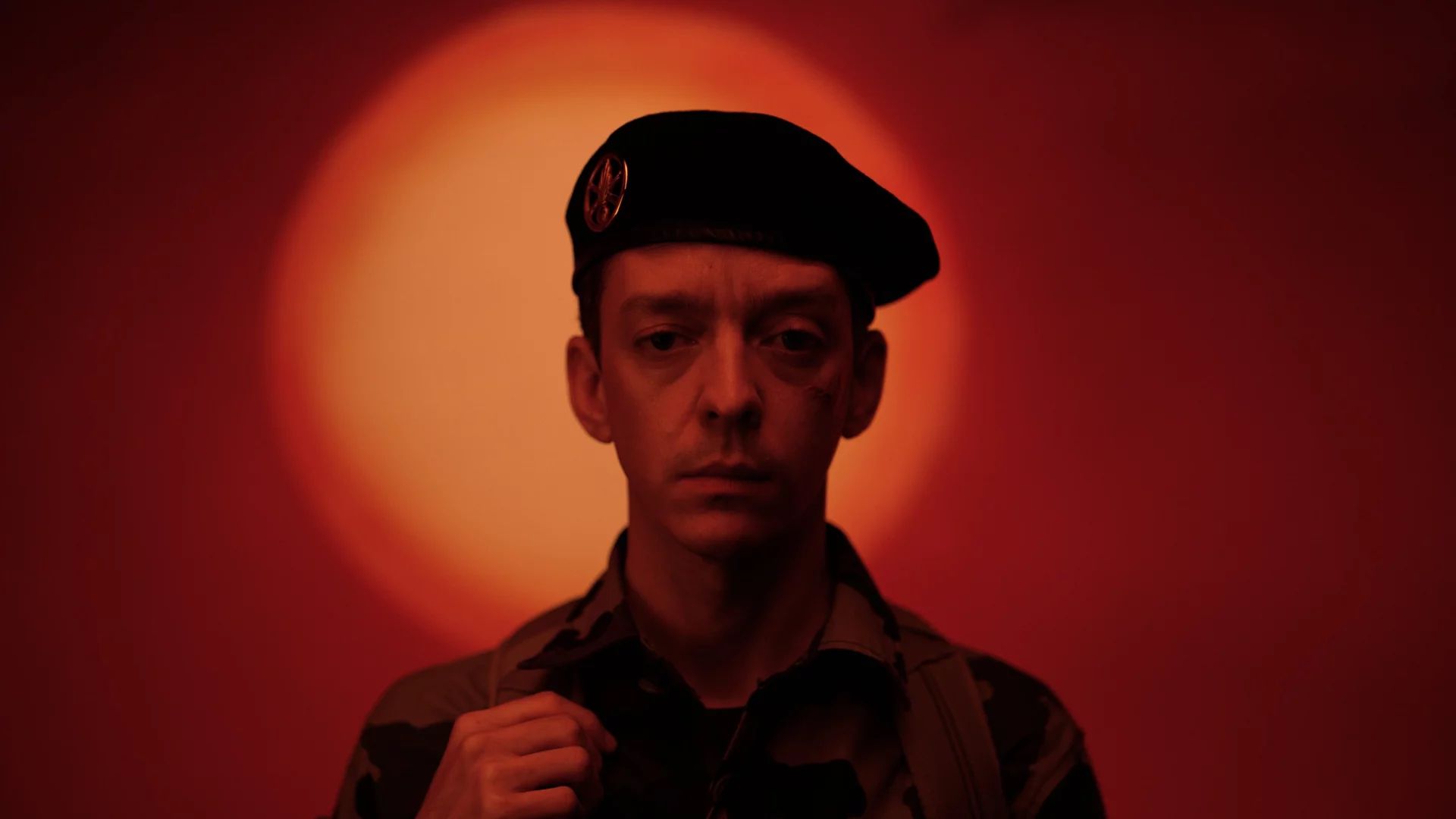
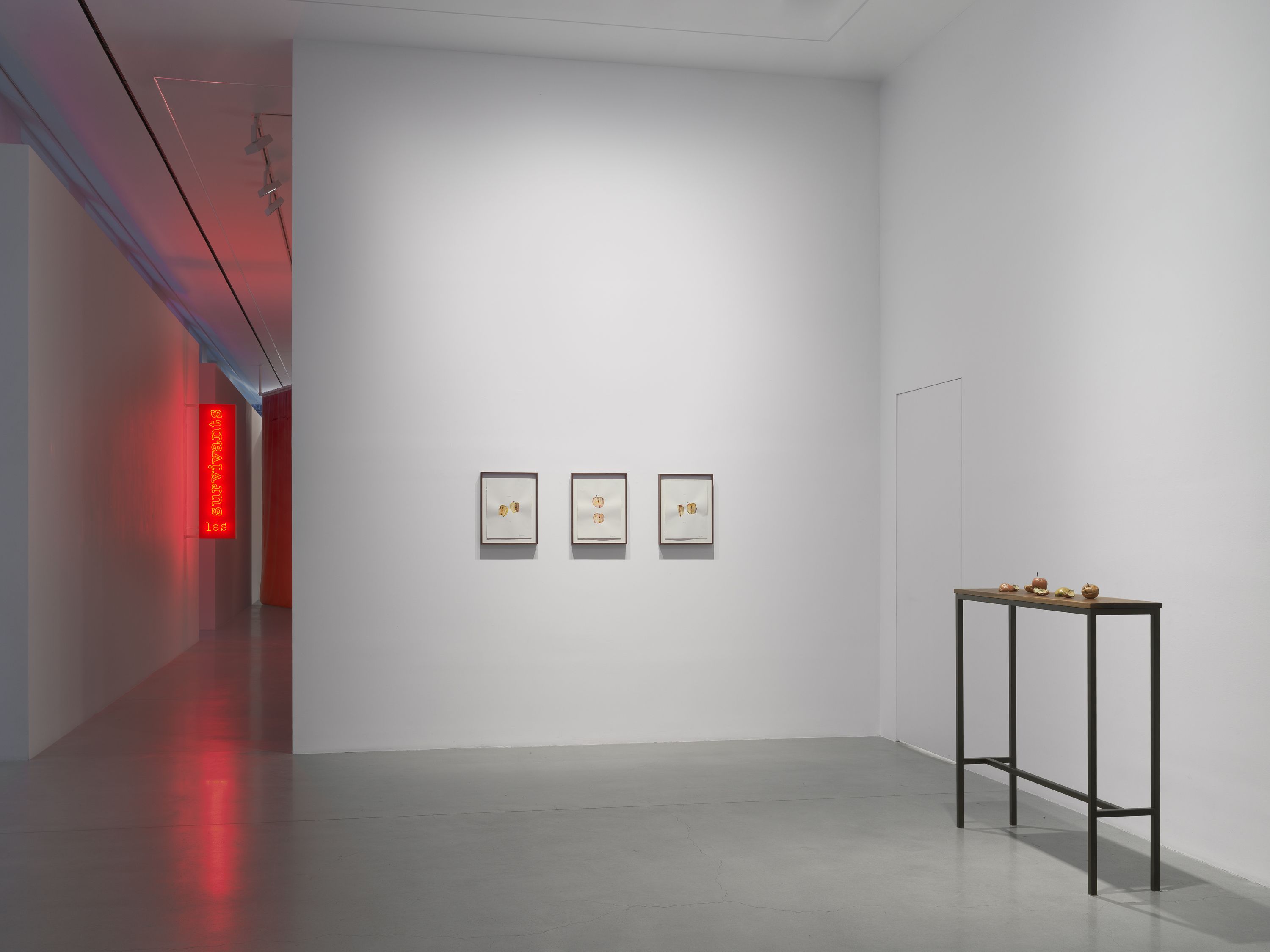
If the past decade in art has seen the stifling of formal experimentation in favour of obvious political messaging, as critic Dean Kissick suggests in his 2024 Harper’s essay ‘The Painted Protest’, Ali Cherri did not get that memo. In his first solo exhibition at Almine Rech in NYC, the Paris-based Lebanese artist cycles through a dizzying array of media—here, large-scale sculptures that appear to be made from mud sit next to a bas-relief wood-and-polystyrene work, which cosies up to illuminated cast bronze wall lanterns, a neon sign, and a series of diminutive watercolours. Having grown up during the Lebanese Civil War, Cherri uses formal inquiry to articulate the materiality of living within a country in ruins. Adding to the mix, ‘Last Watch Before Dawn’ debuts a digital film, The Sentinel (2026), the second work in a trilogy the artist began in 2023. The film documents the attempted suicide and descent into the underworld of a fictitious soldier, Sergeant Lafleur. It is through his exploits that we see many of the sculptural works on display serving double duty as props in the film, creating a mise-en-scène that deftly articulates both the internal and external trauma of a post-war landscape. – Aimee Walleston
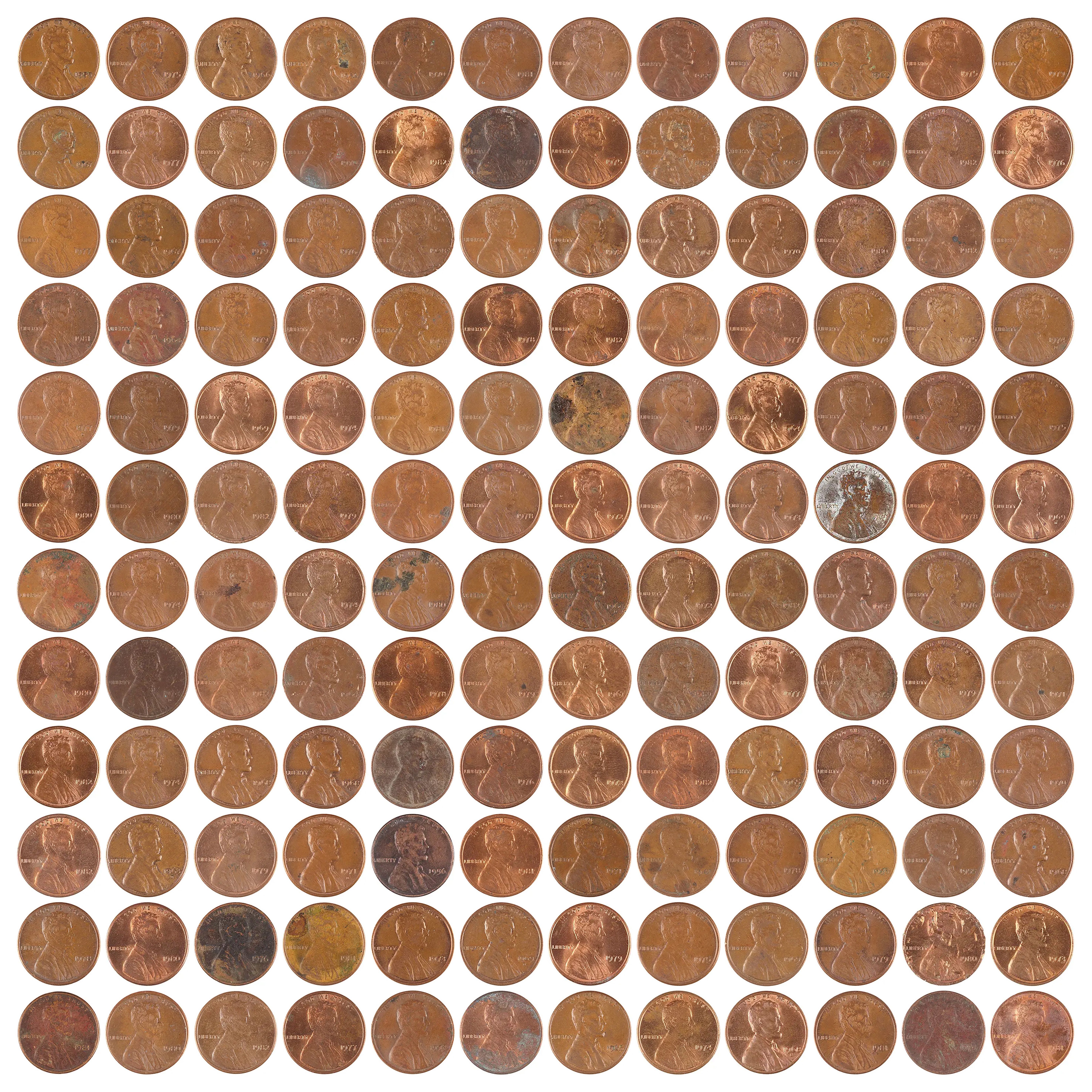
Rutherford Chang, Hundreds and Thousands (17 January–12 April 2026) at UCCA Beijing
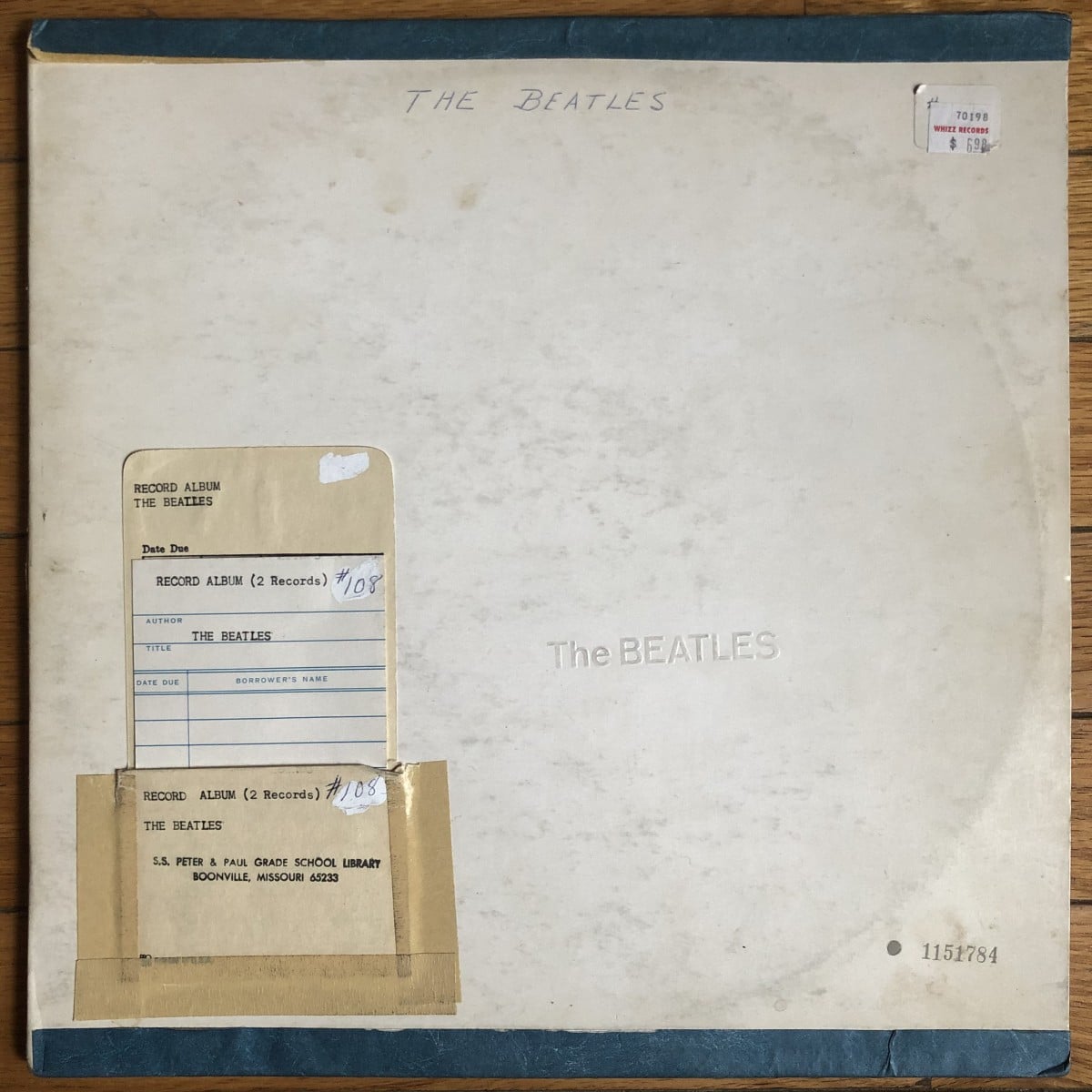
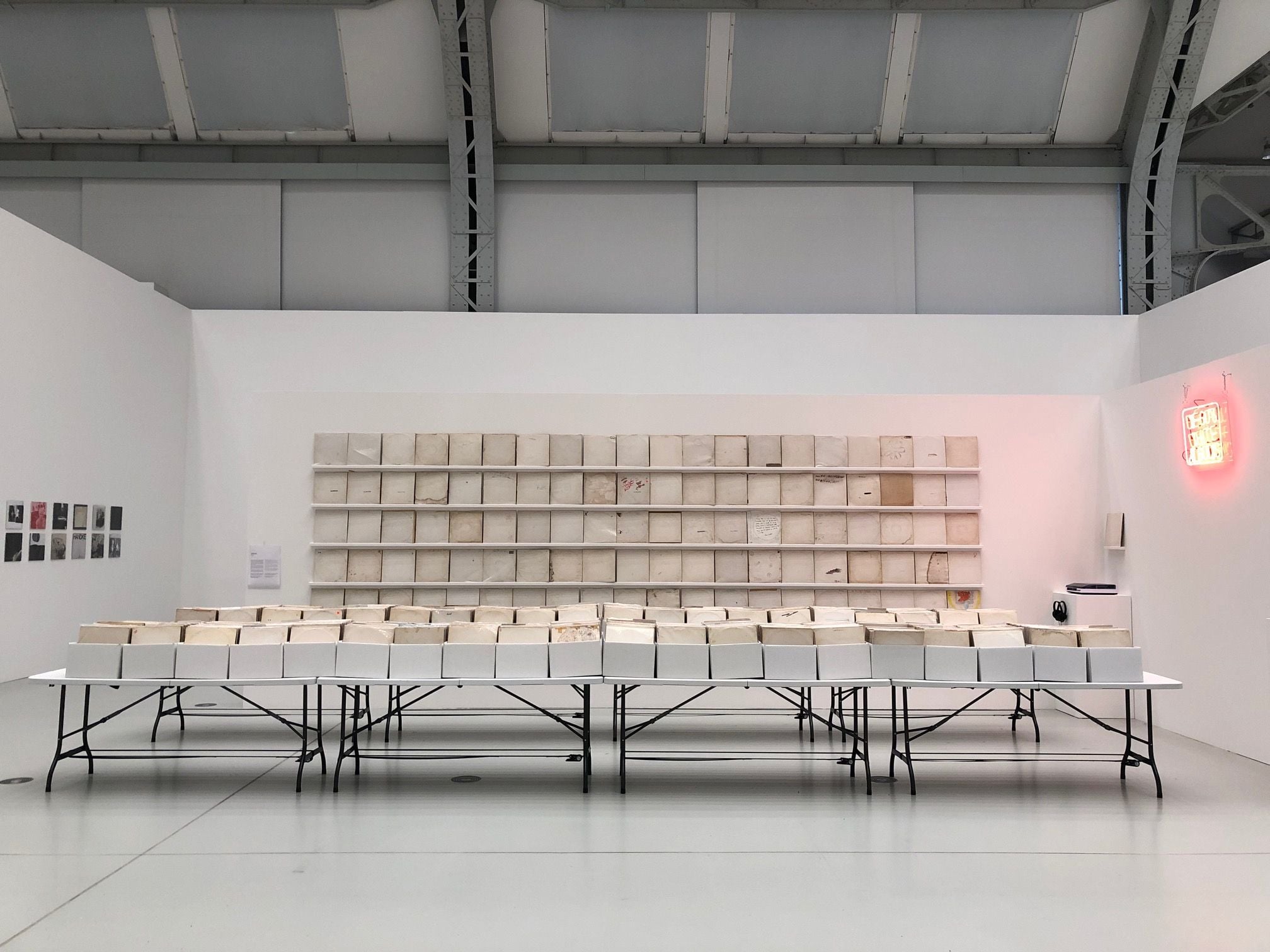
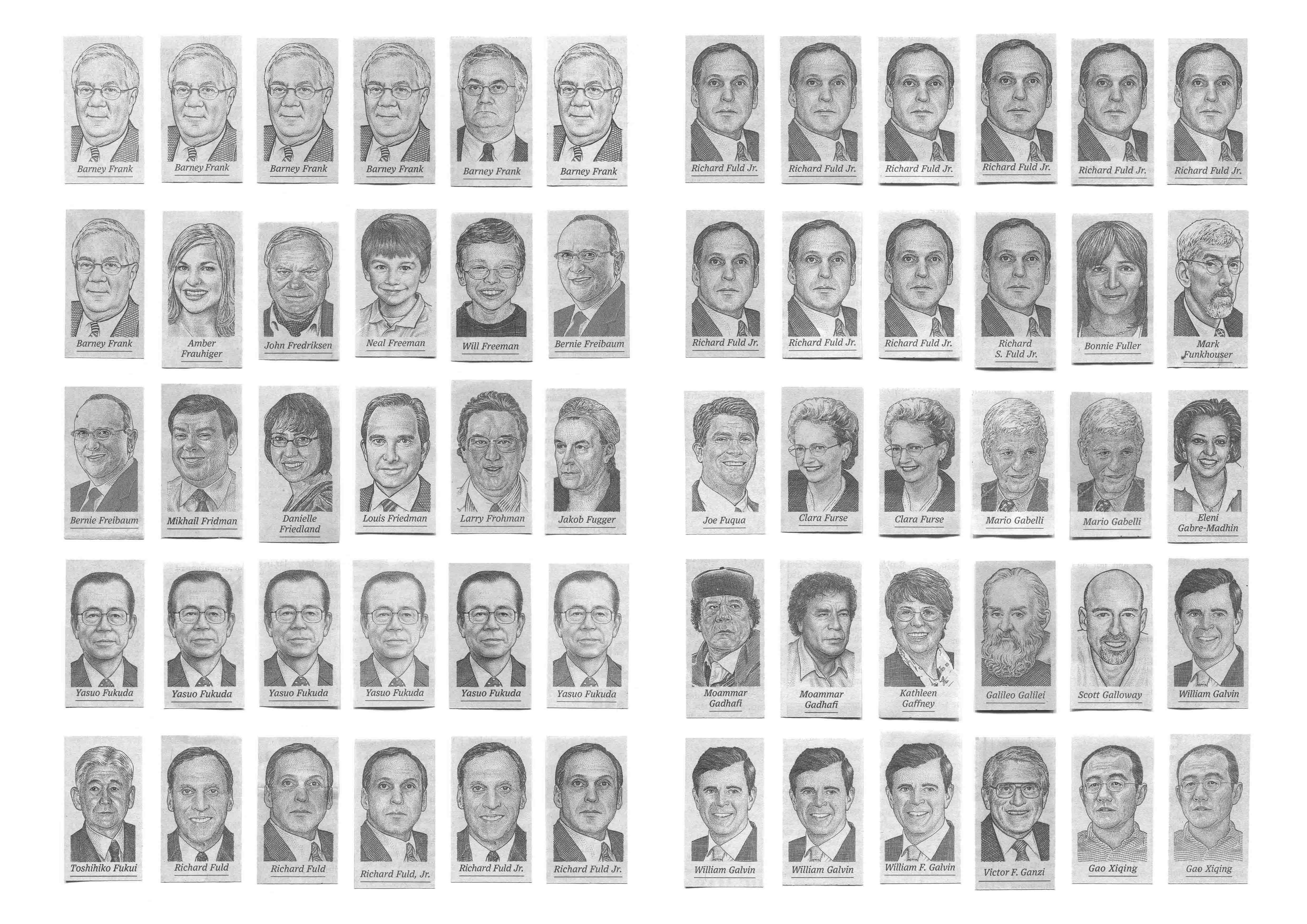
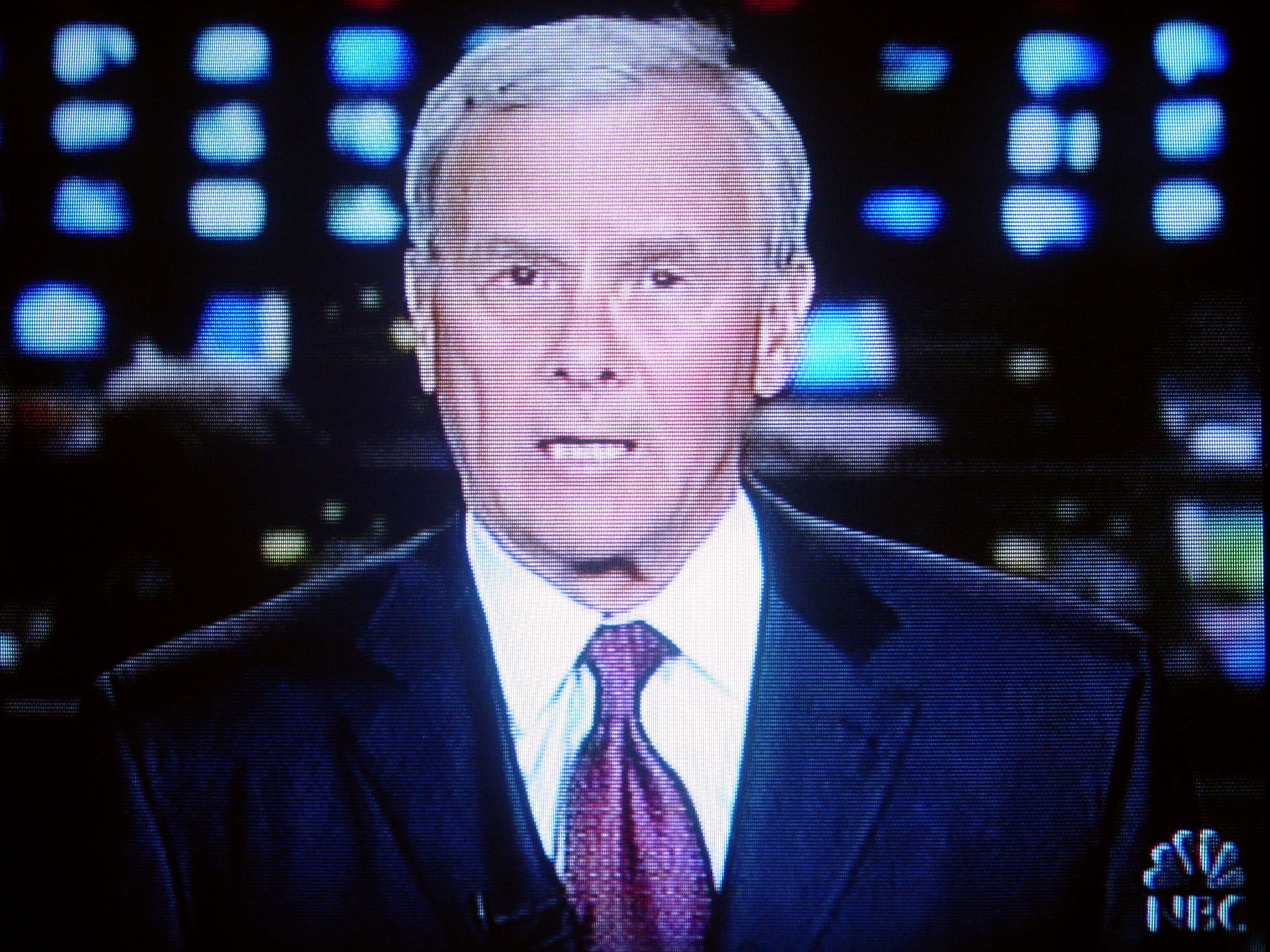
The late conceptual artist Rutherford Chang’s posthumous solo at UCCA serves less as a memorial than a measured act of institutional self-reflection. Taiwanese American artist Chang created a practice from turning collection, filing and administration into recursive aesthetic labour, mirroring the rhythms of office work with a deadpan, quietly comic precision. Co-curated by UCCA’s outgoing director Philip Tinari—at the close of his 14-year tenure—and Japanese artist Aki Sasamoto, who shared university accommodation with Chang, the exhibition carries an unmistakably personal inflection. Across seven works, Chang dissects systems of value, labour and attention. His signature work We Buy White Albums anchors the gallery: some 3,000 first-pressings of the Beatles’ White Album, each worn differently, transforming minimalist repetition into a social archive of touch, time, and listening. Elsewhere, Class of 2008 reframes Wall Street Journal picture bylines as a yearbook of crisis, exposing how media hierarchy sculpts historical memory. The exhibition evokes the worldly spirit of Beijing in the 2010s, shaped by UCCA’s commitment to U.S.–China contemporary art exchange. Tinari’s Freudian slip during the opening tour—describing Chang as a ‘Chinese artist’—only intensifies unresolved questions around his legacy, not least the conspicuous absence of a Taiwanese institution to steward it. – Zian Chen
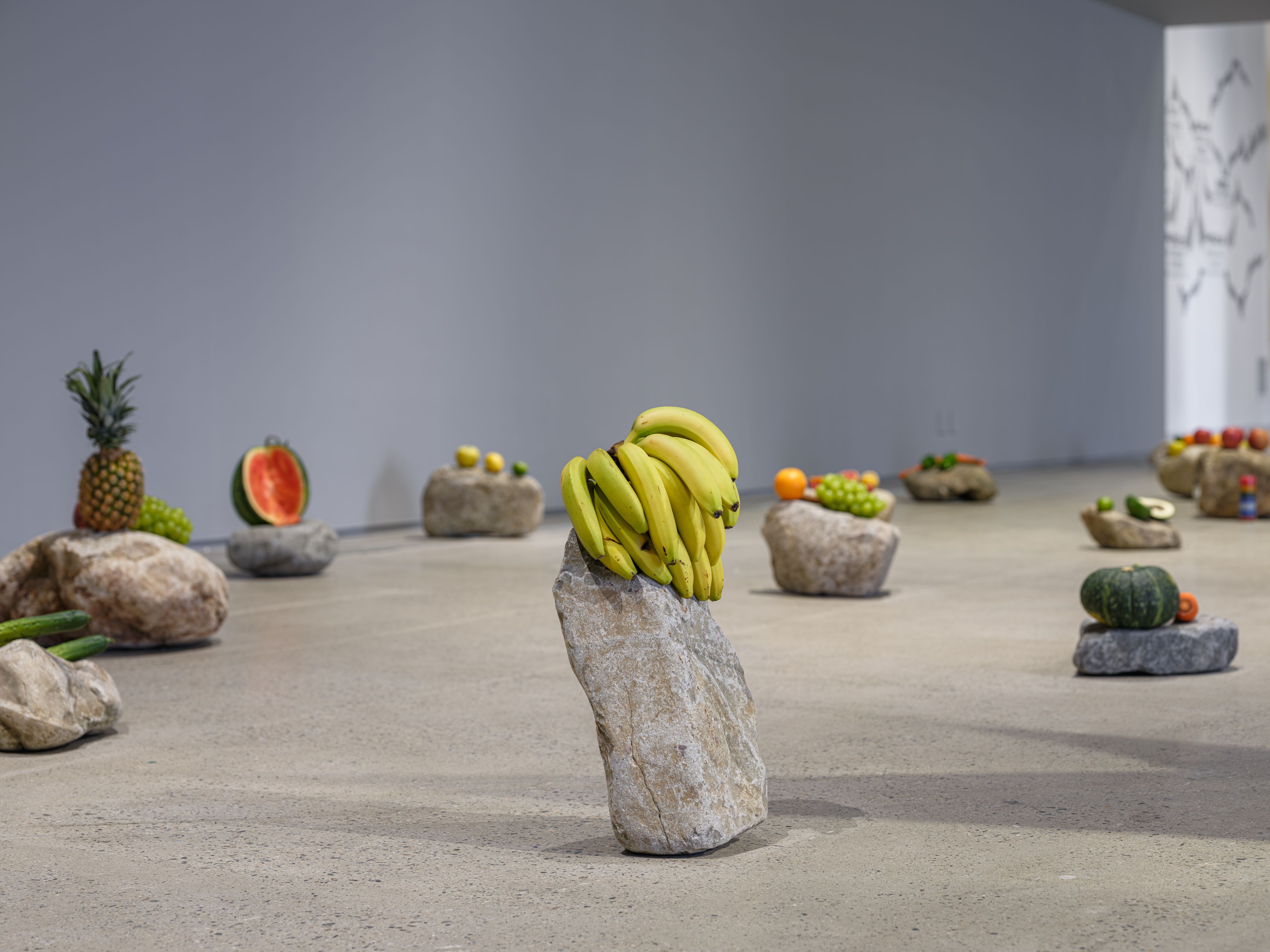
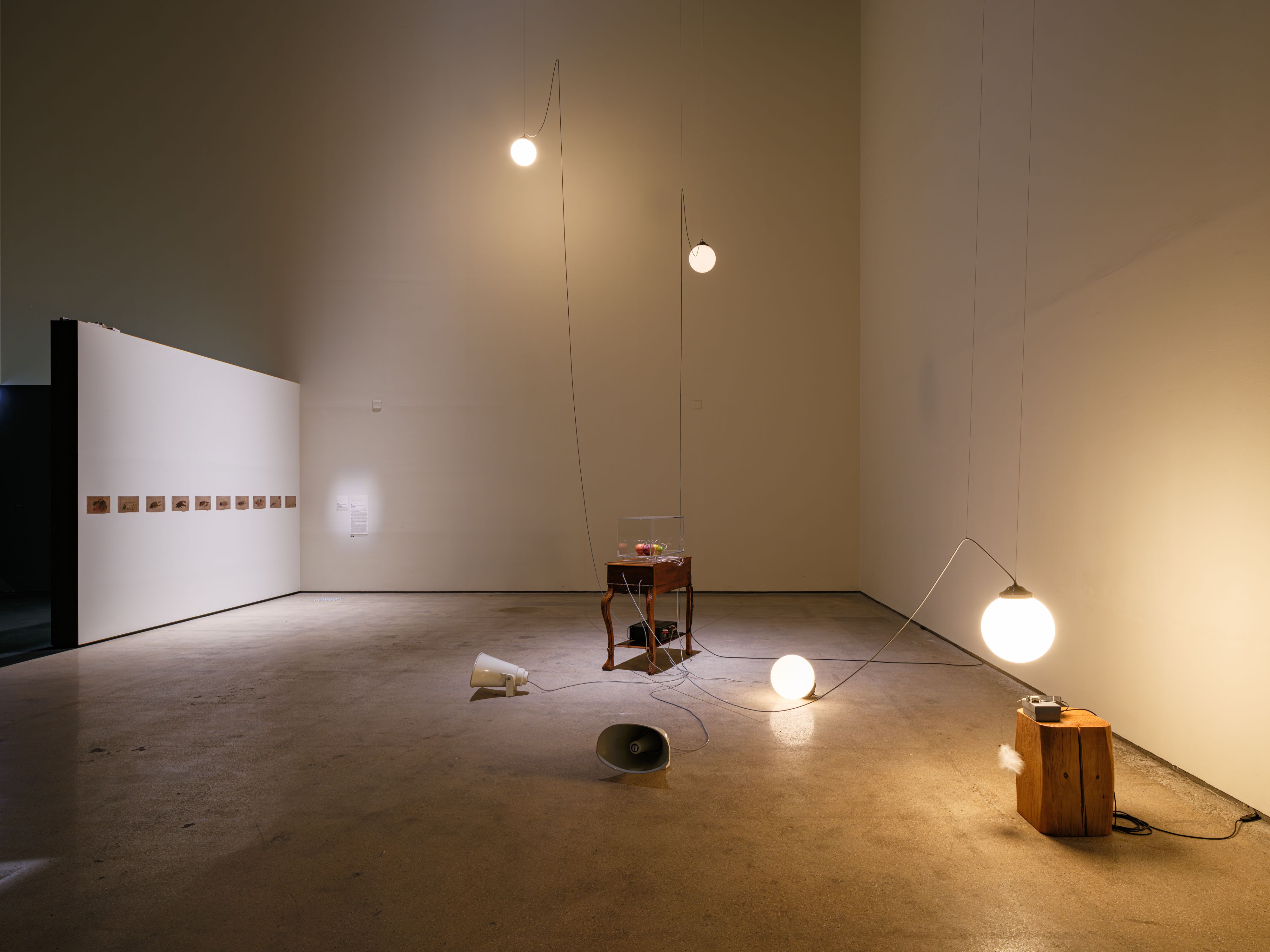
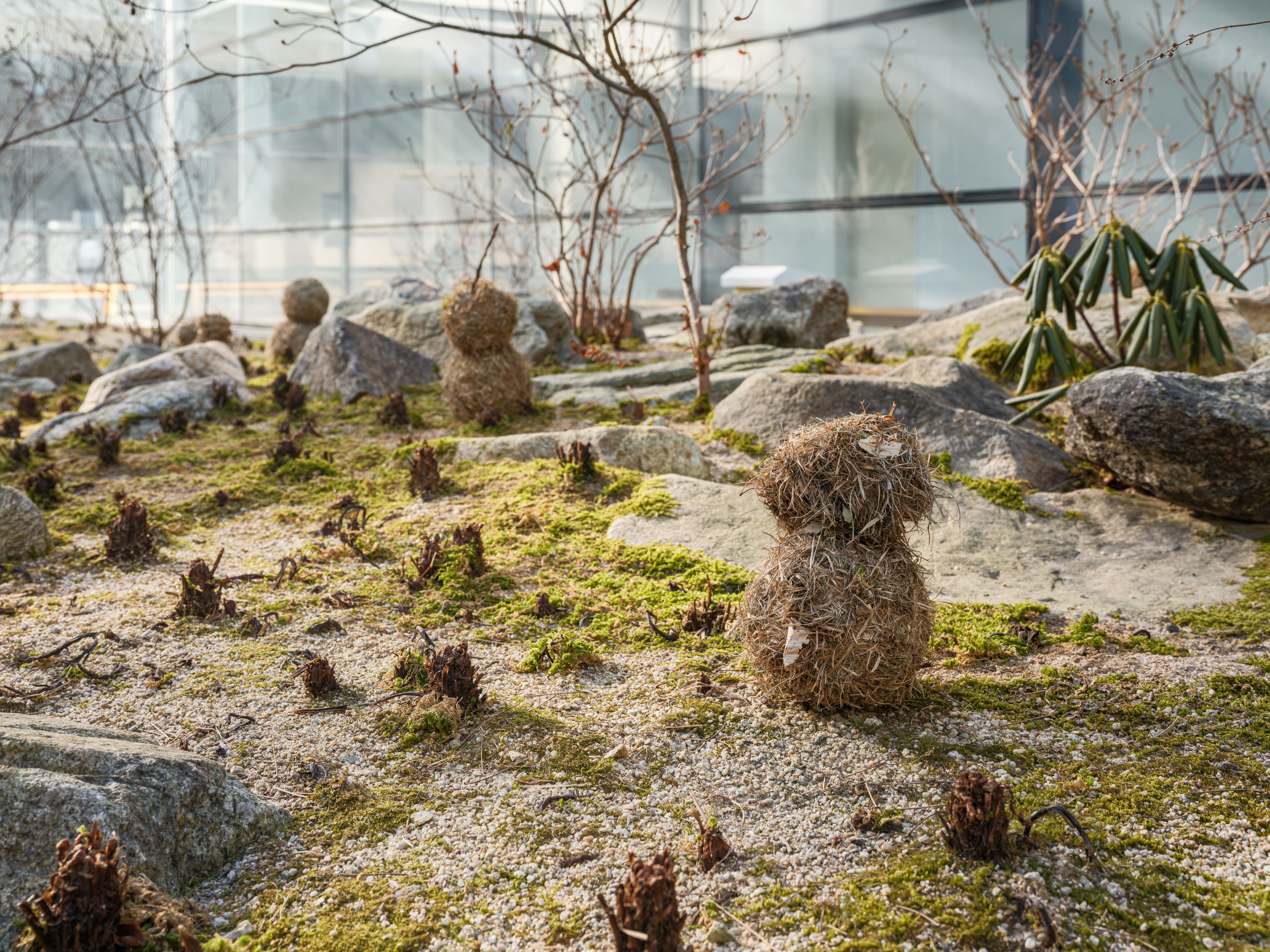
Sak-da: The Poetics of Decomposition (30 January–3 May 2026) at MMCA Seoul
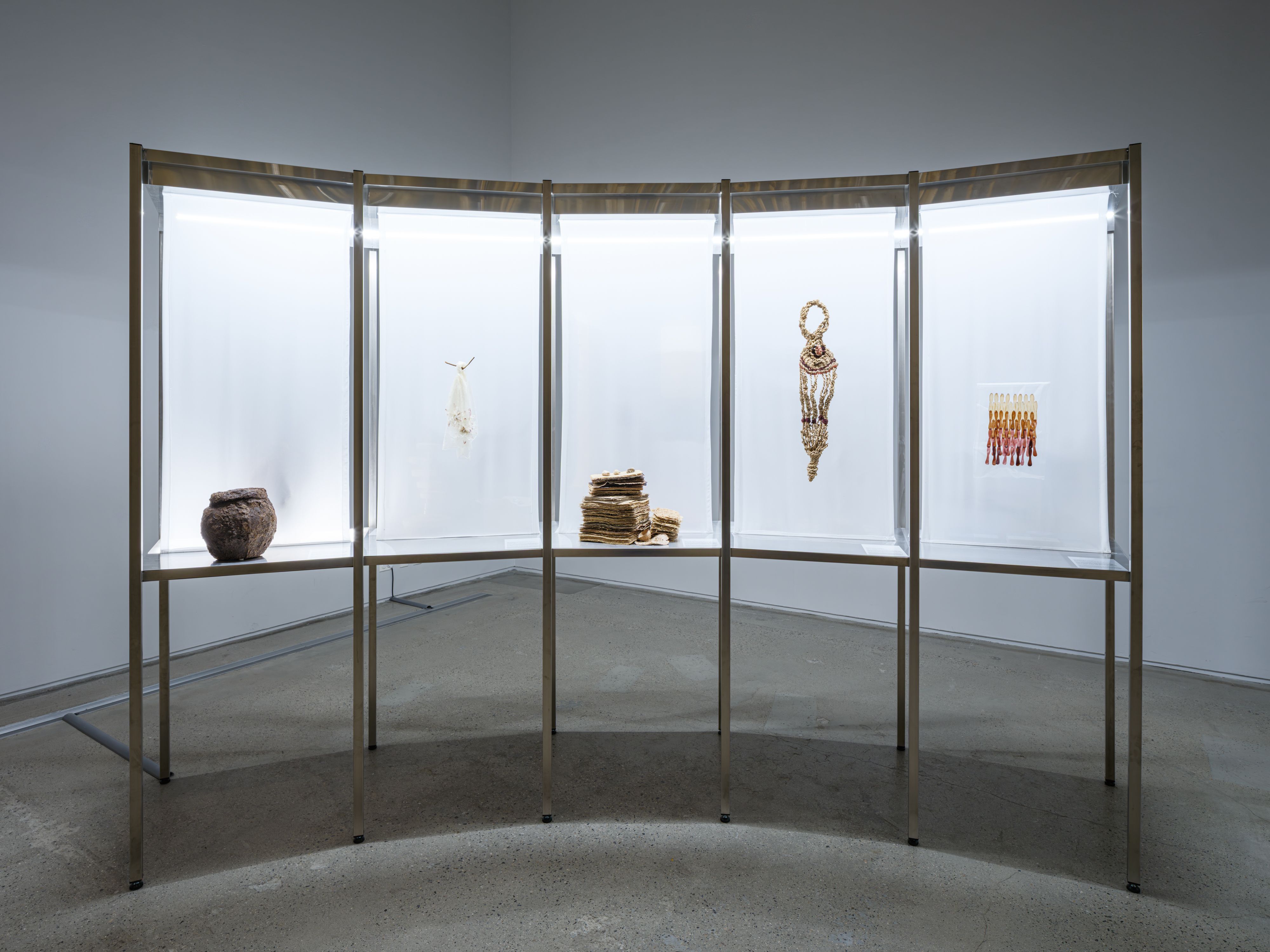
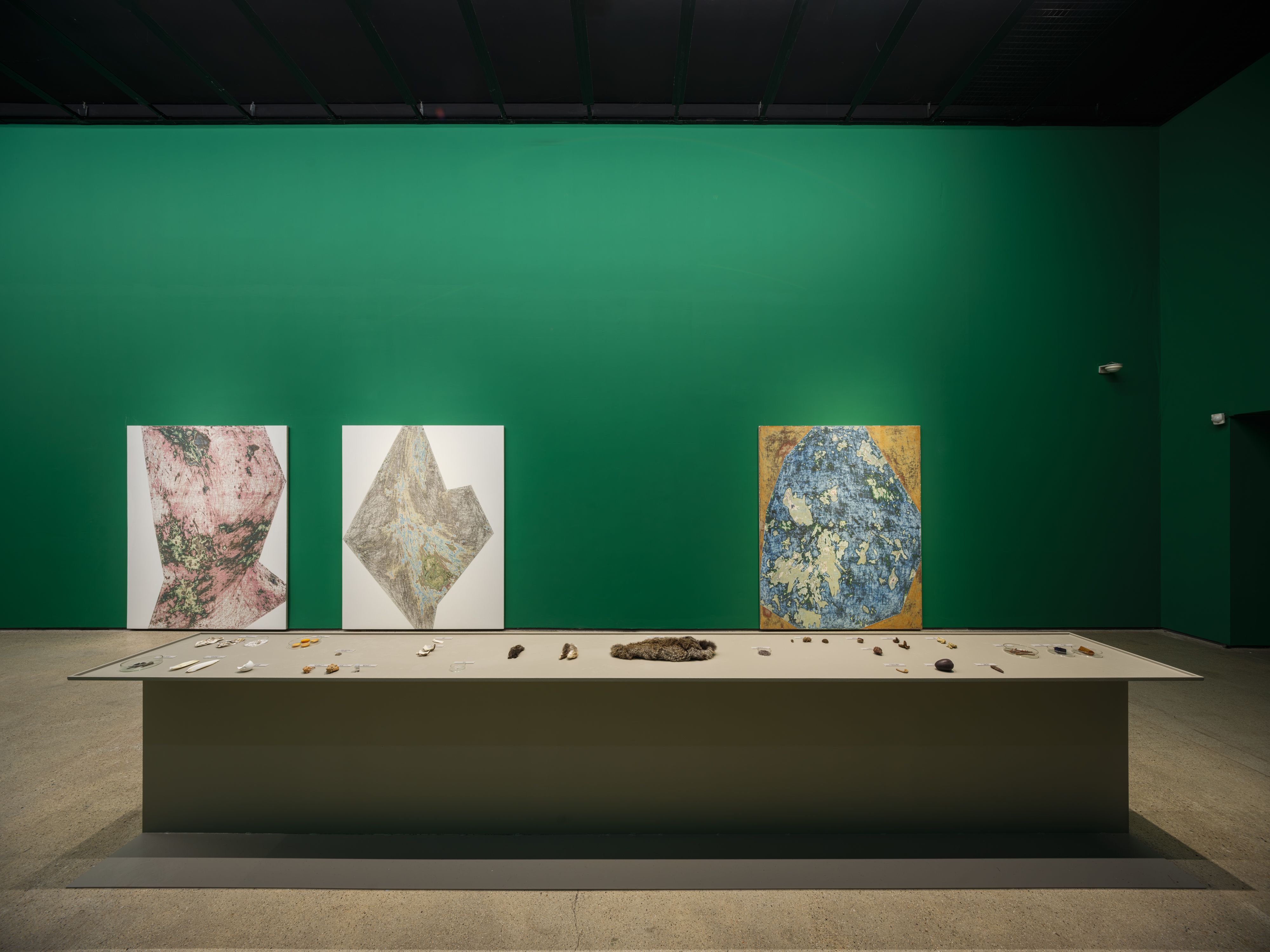
‘The museum itself is a temporal thing—even if the artworks, which are collected in the museum, are removed from the dangers of everyday existence and general exchange with the goal of their preservation.’ In On the New (2003), an essay in his Art Power book, Boris Groys famously argues that the corporeal eternity of museums is an illusion. His proposition finds its resonance at Seoul’s MMCA. In contrast to Western institutional models—where collecting durable, stable works has long been a primary aim rather than participation in ritual or shared use—group exhibition Sak-Da quietly destabilises the museum’s promise of permanence. Bringing together artists primarily from East Asia, South and Central America, including Yuko Mohri, Cecilia Vicuña, and Rice Brewing Sisters Club, Sak-Da foregrounds practices built from organic, often modest material. Since the Arte Povera movement, such method have abandoned artwork’s assumed inertness: materials rot, ferment, collapse or transform under gravity, chemistry and exposure. Interpreting the Korean term Sak-Da—which connotes rotting, digestion and fermentation—the exhibition frames decomposition not as failure but as an alternative value system: a continuous passage between loss and renewal. – Shanyu Zhong
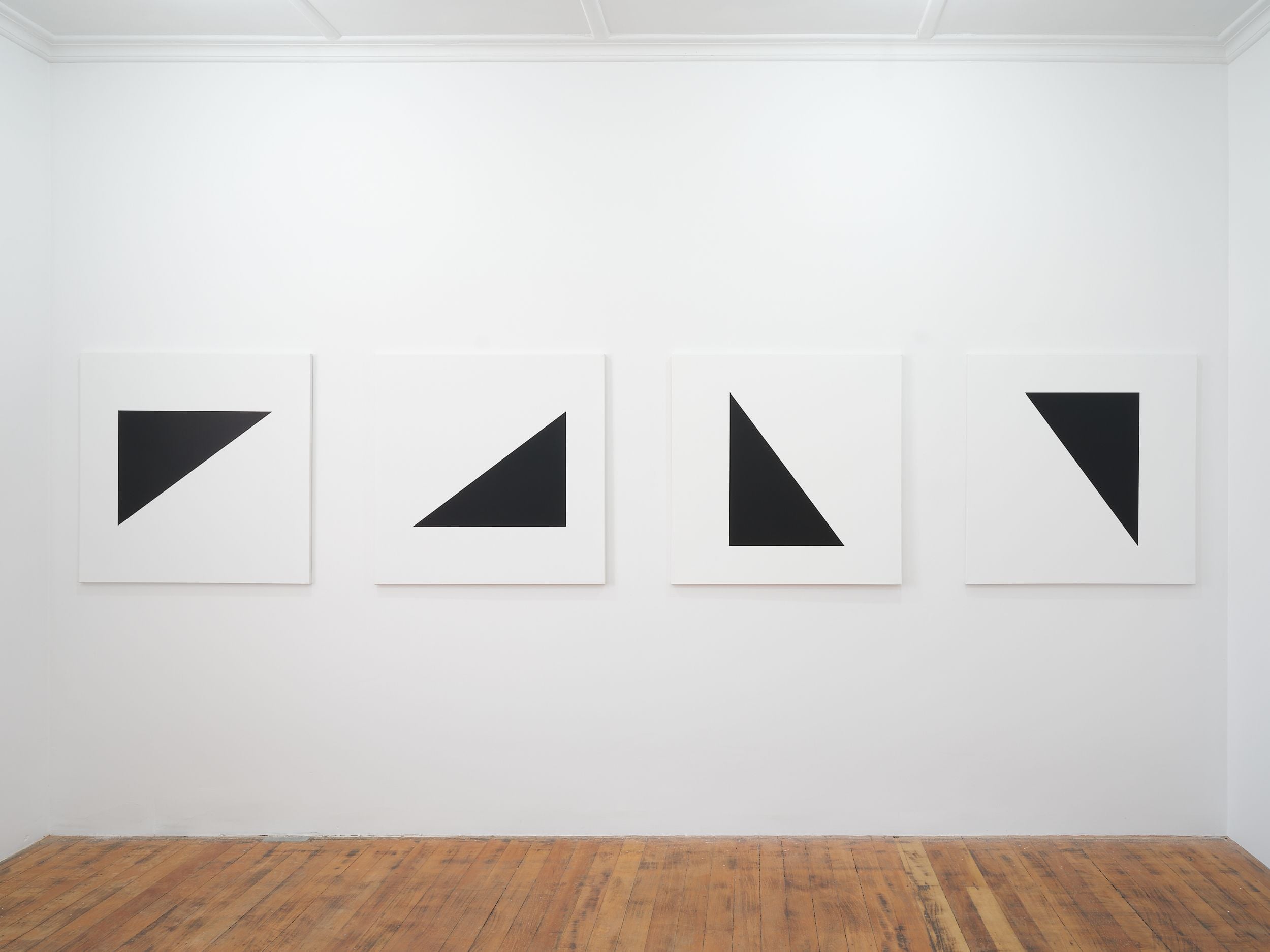
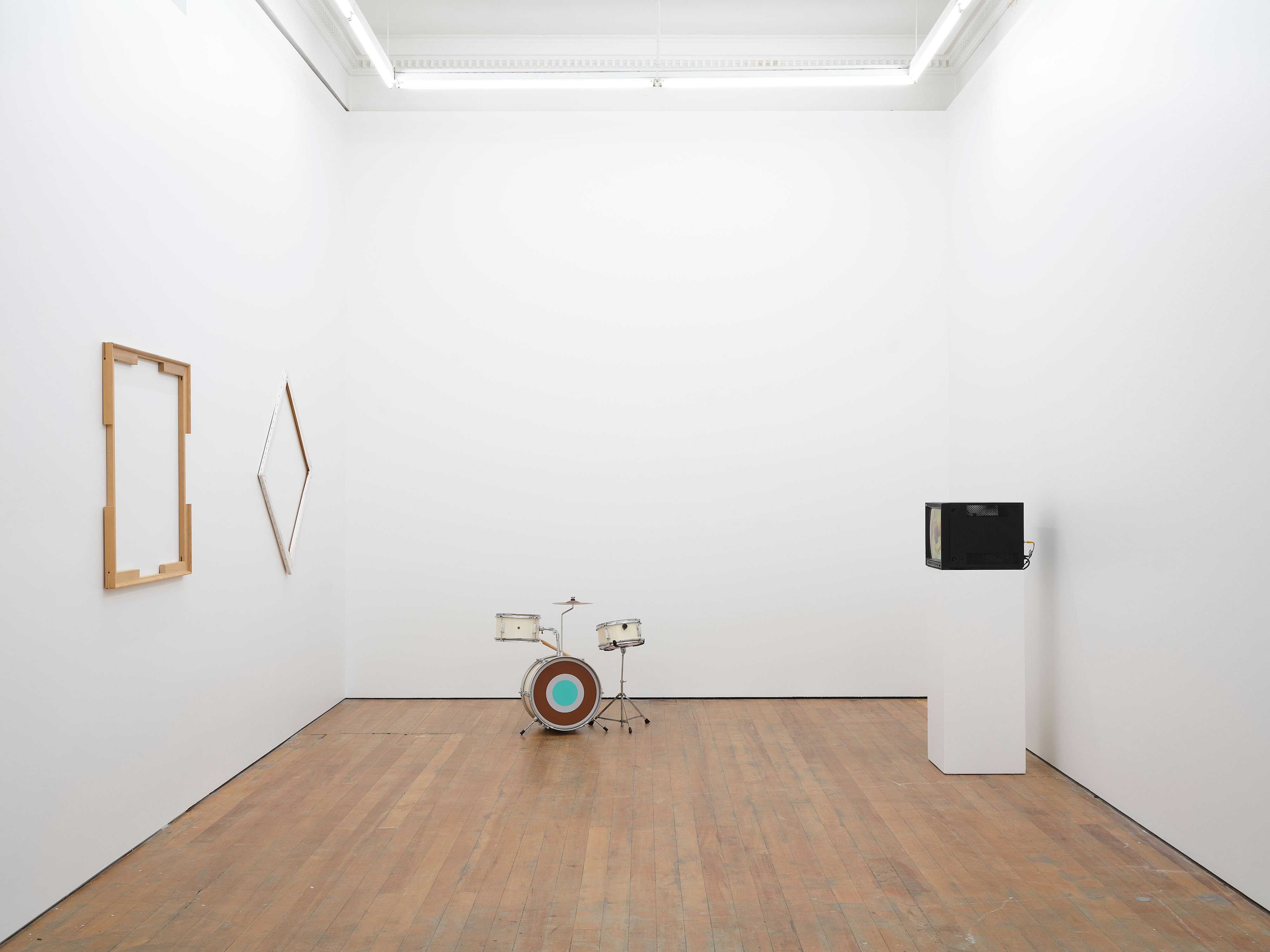
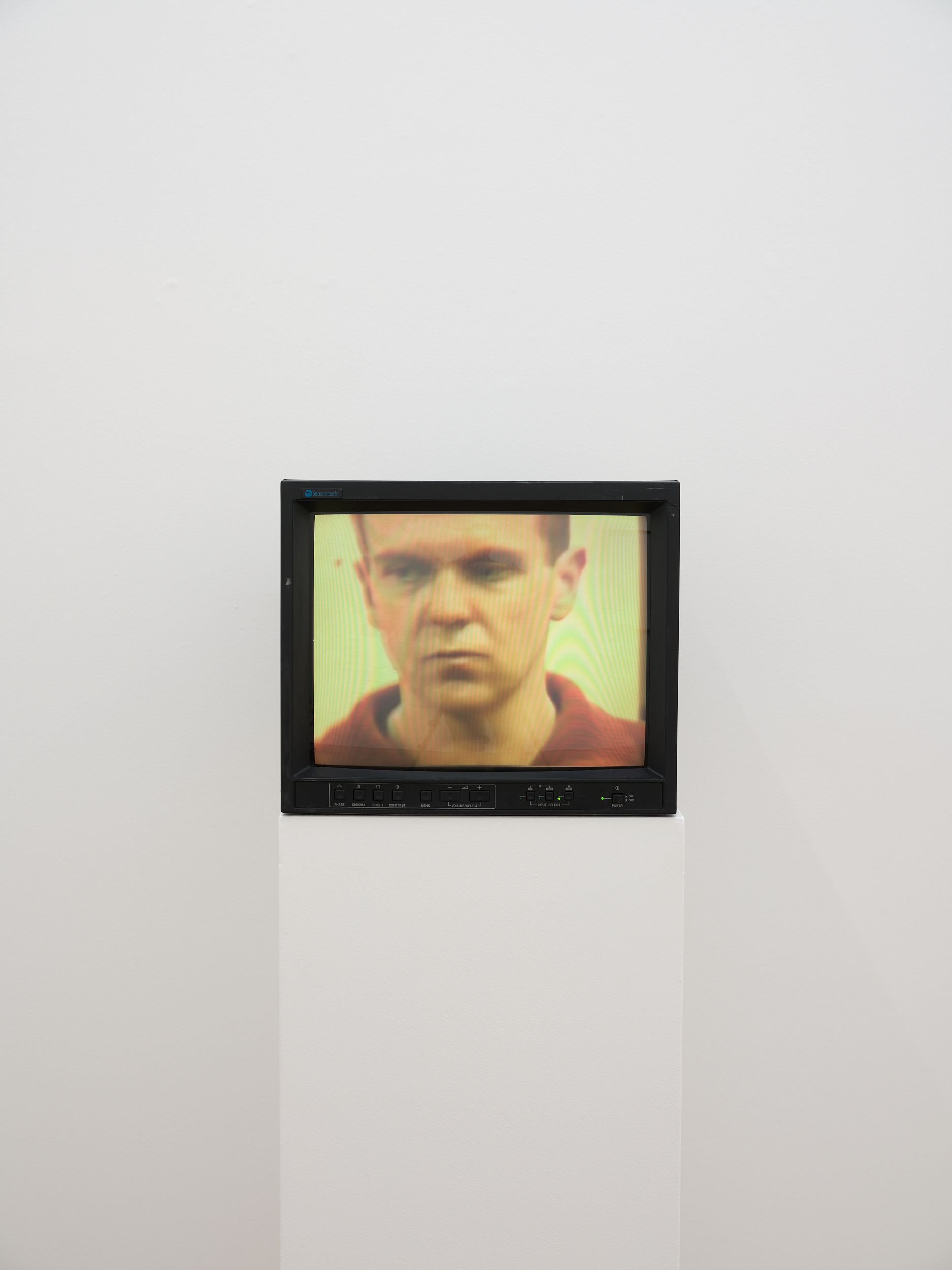
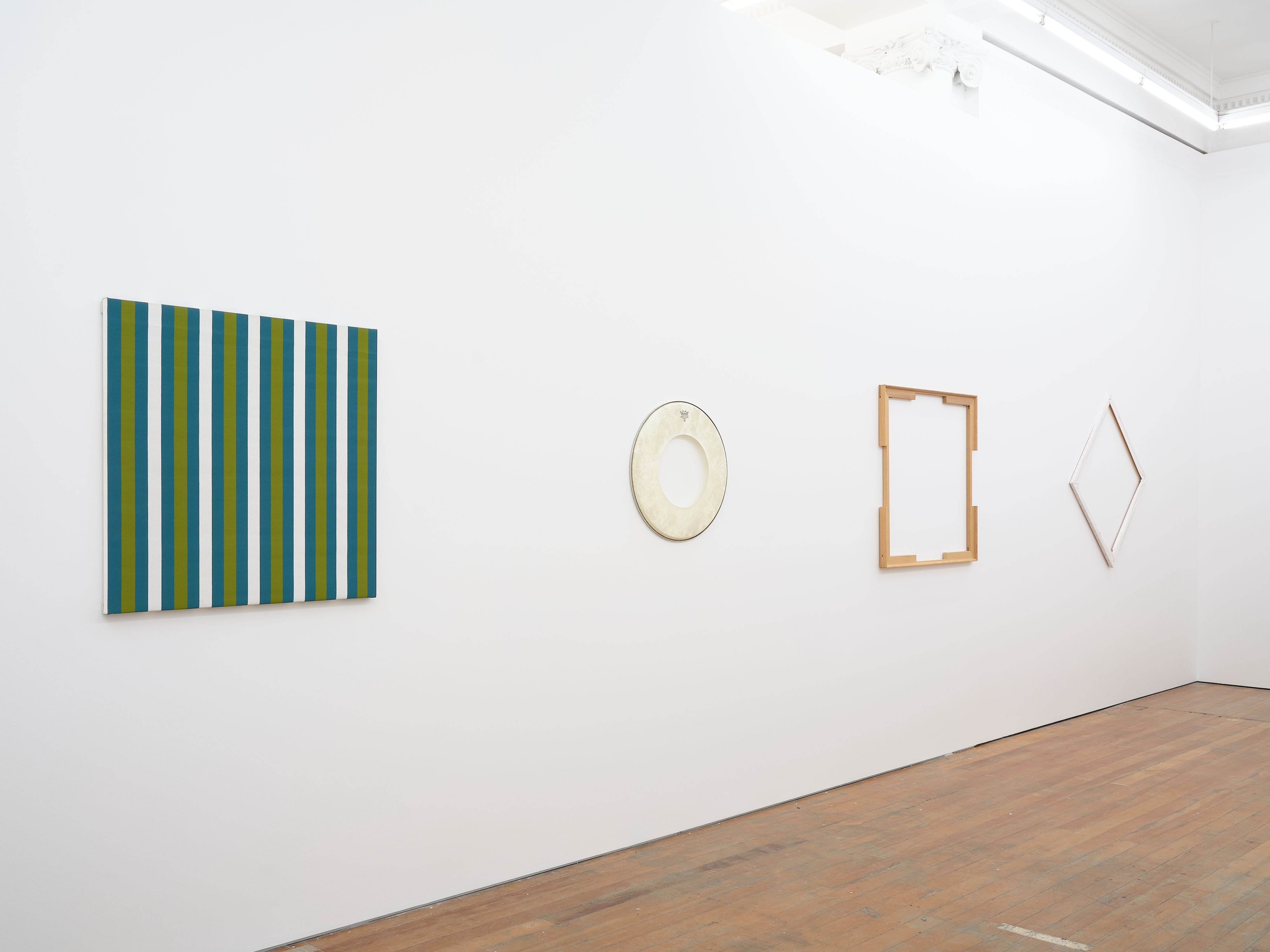
Julian Dashper, Midwestern Unlike You and Me (30 January–7 March 2026) at Michael Lett, Auckland
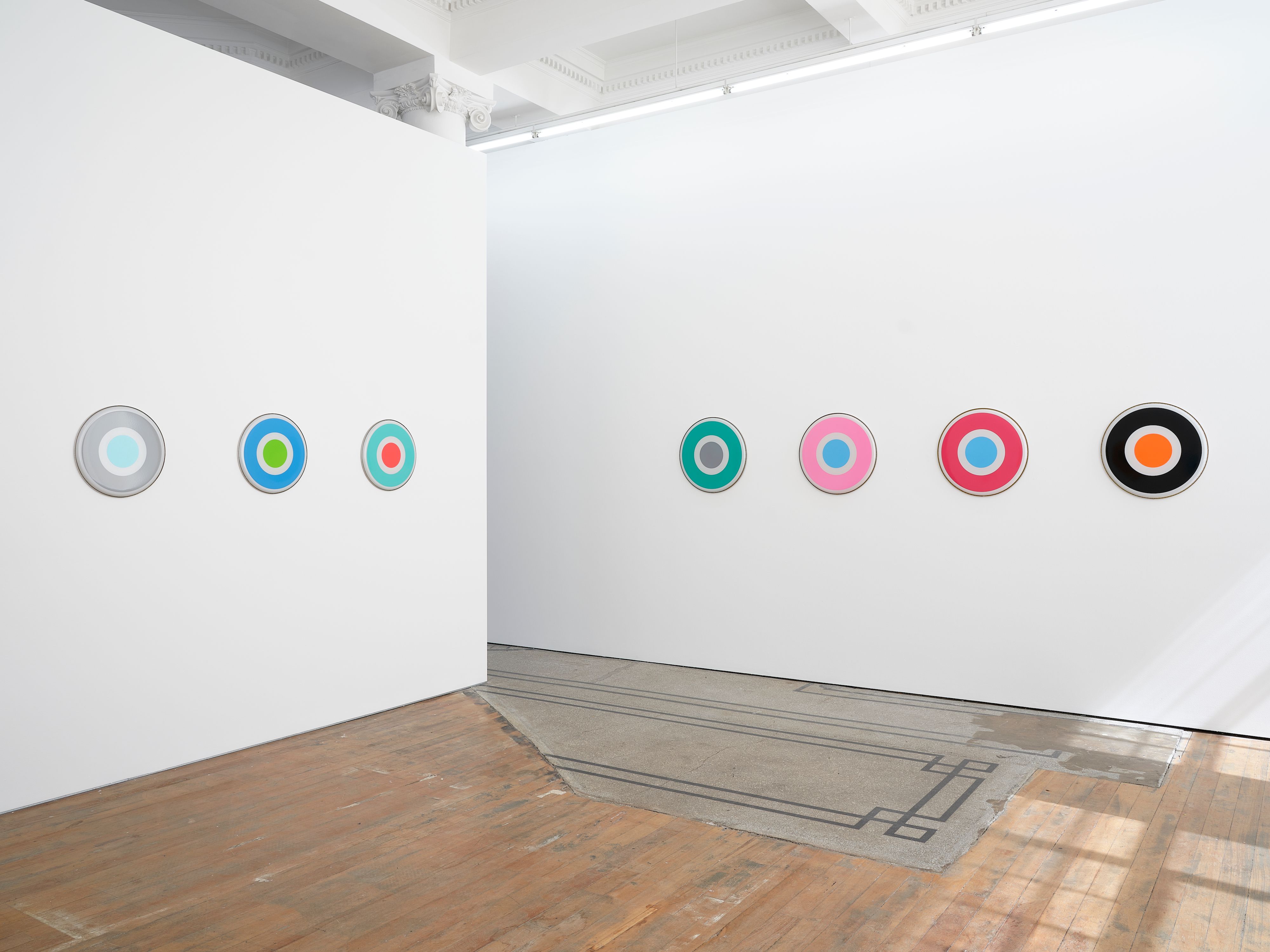
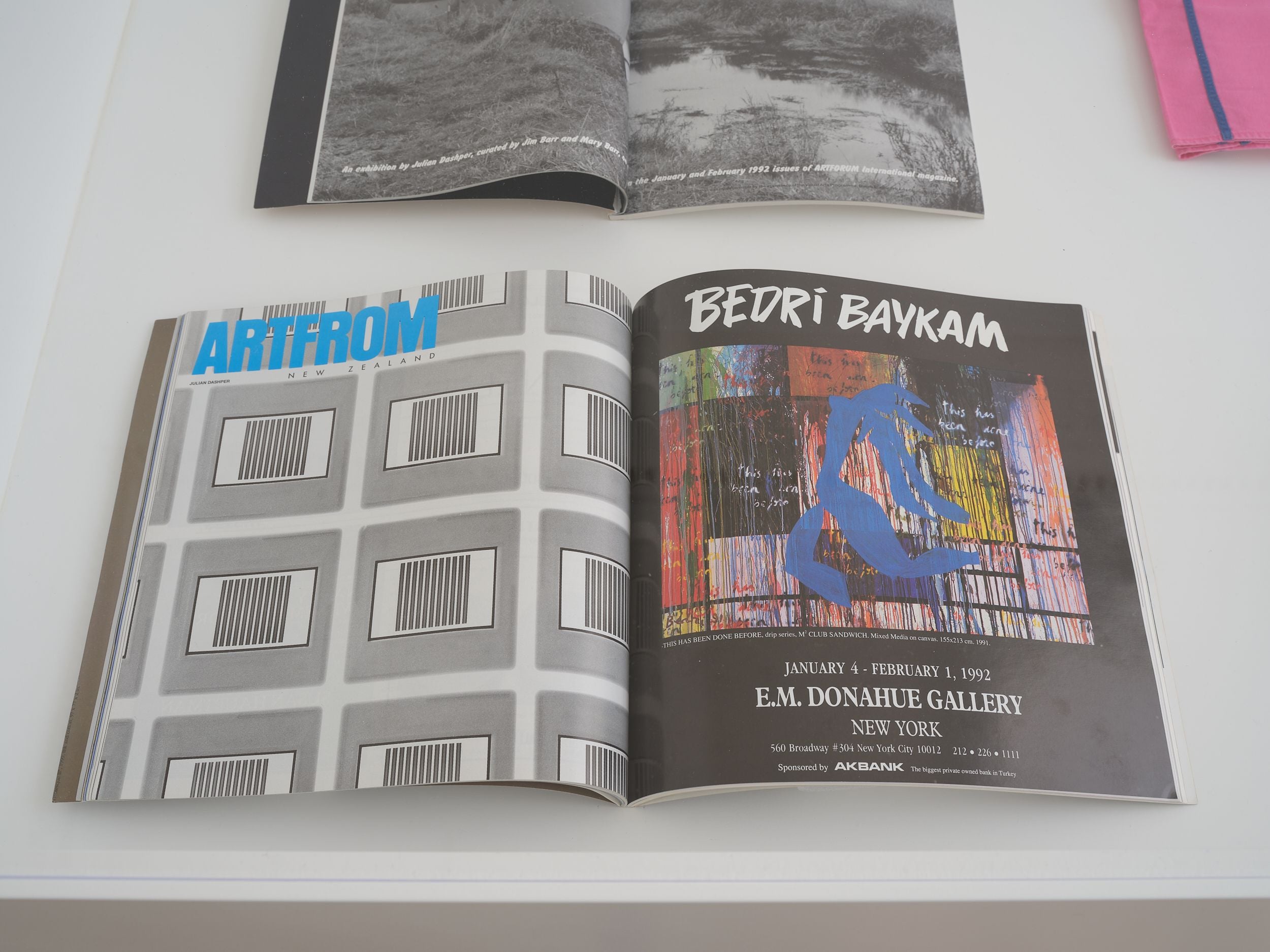
A 2008 video, captured on shaky Handycam by New York artist-vlogger James Kalm, reveals the façade of the New Museum on the Bowery adorned with Ugo Rondinone’s exclamatory Hell, Yes! rainbow neon—now seemingly a relic of late-aughts optimism. Kalm is about to enter the museum to see Mary Heilmann’s retrospective, To Be Someone. Asked by Kalm about his impressions of Heilmann’s show, Julian Dashper, the late New Zealand conceptual artist, muses: ‘A lot of people would describe her as an “artist’s artist”, a “painter’s painter”... I think it’s very good, strong work. To me, it touches base on all the things that I’m interested in with contemporary painting—geometry, repetition, reductive speak, et cetera, but this is doing it… with a real twist, and for me she is one of the few artists that has taken Mondrian somewhere.’ Dashper’s mid-career survey, Midwestern Unlike You and Me, curated by Christopher Cook and David Raskin, first toured the American Midwest in 2005 and 2006. Now, two decades and some 8,000 miles later, Michael Lett restages the show, bringing together close to 50 works, many of which make their first public appearance since that Midwest jaunt. ‘Do you wanna give a shoutout to anybody in Auckland?’ Kalm asks in the video. ‘Hey,’ Dashper smiles, making a peace-sign gesture to the camera. ‘To all the people in Auckland, New Zealand, here I am… I’ve finally made it… Now I’m somebody.’ – Misong Kim —[O]
Main image: Chanakya School, Untitled (2025) (detail). Cotton and silk embroidery with glass and seed beads on cotton textile. 182.9 x 152.4 cm. Courtesy the artist and Experimenter.





A respected voice in contemporary art discourse.
Focusing on ambitious storytelling and insightful art-world commentary. Ocula Magazine publishes in-depth interviews, critical essays and timely analysis on the artists, exhibitions and ideas driving the global art world.
Learn more about Ocula Magazine
Showcasing the best of the art world.
Ocula partners with galleries from around the world to highlight their artists, artworks and exhibitions. Gallery membership is by application and invitation, with each member vetted by an independent panel.
Learn more about Ocula Membership
Specialises in the sale of major artworks.
Led by a team with deep ties to the world’s leading auction houses, galleries and collectors. Ocula’s advisory team offers bespoke services to high-net-worth clients from around the world who are looking to acquire the best of contemporary and modern art.
Learn more about our team and services