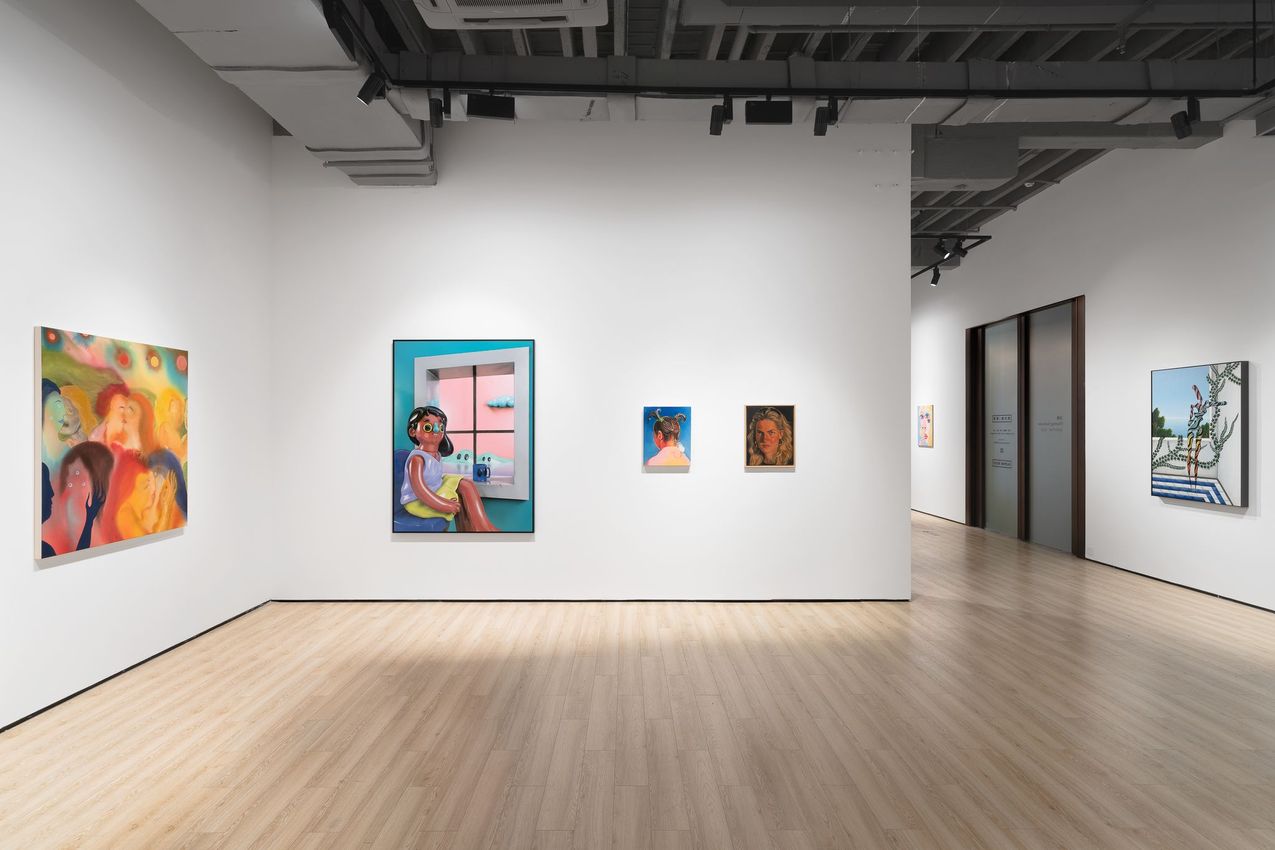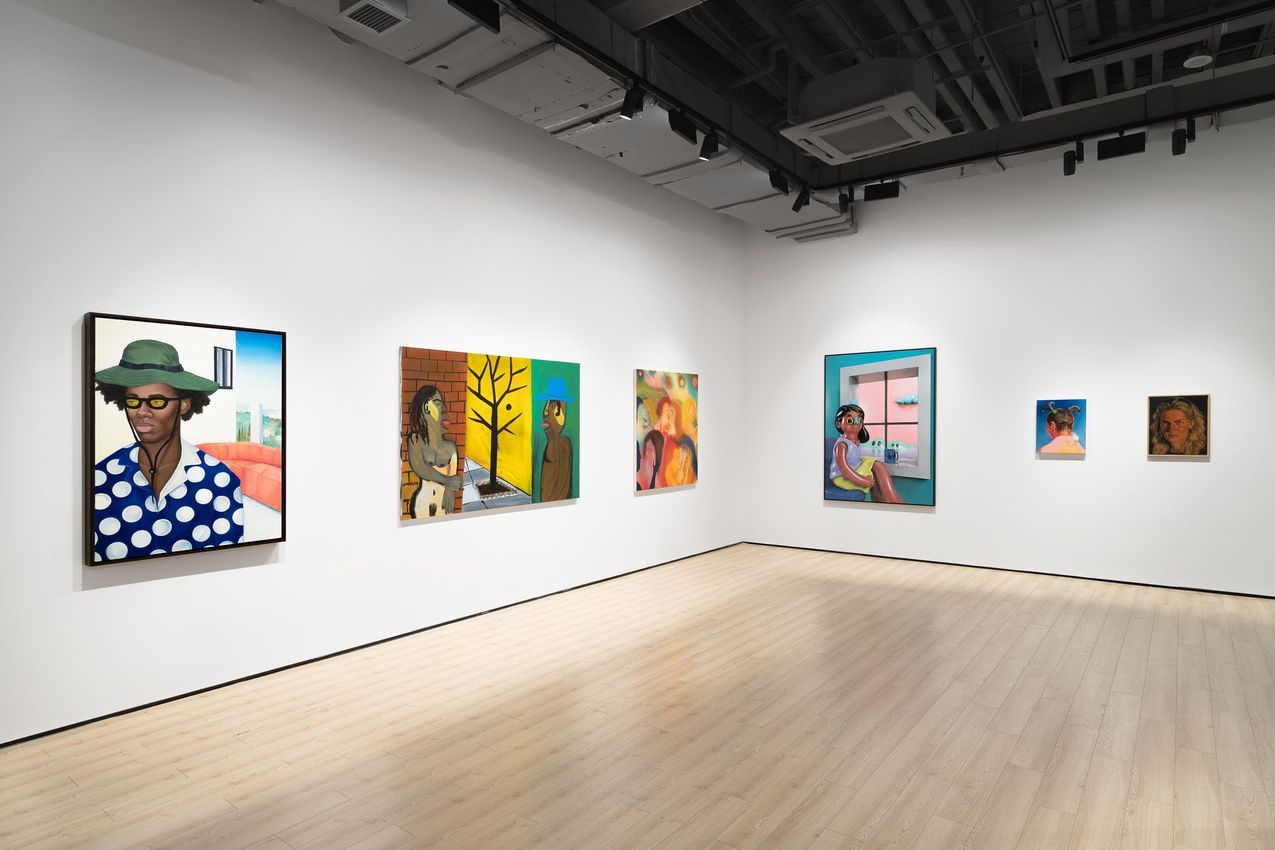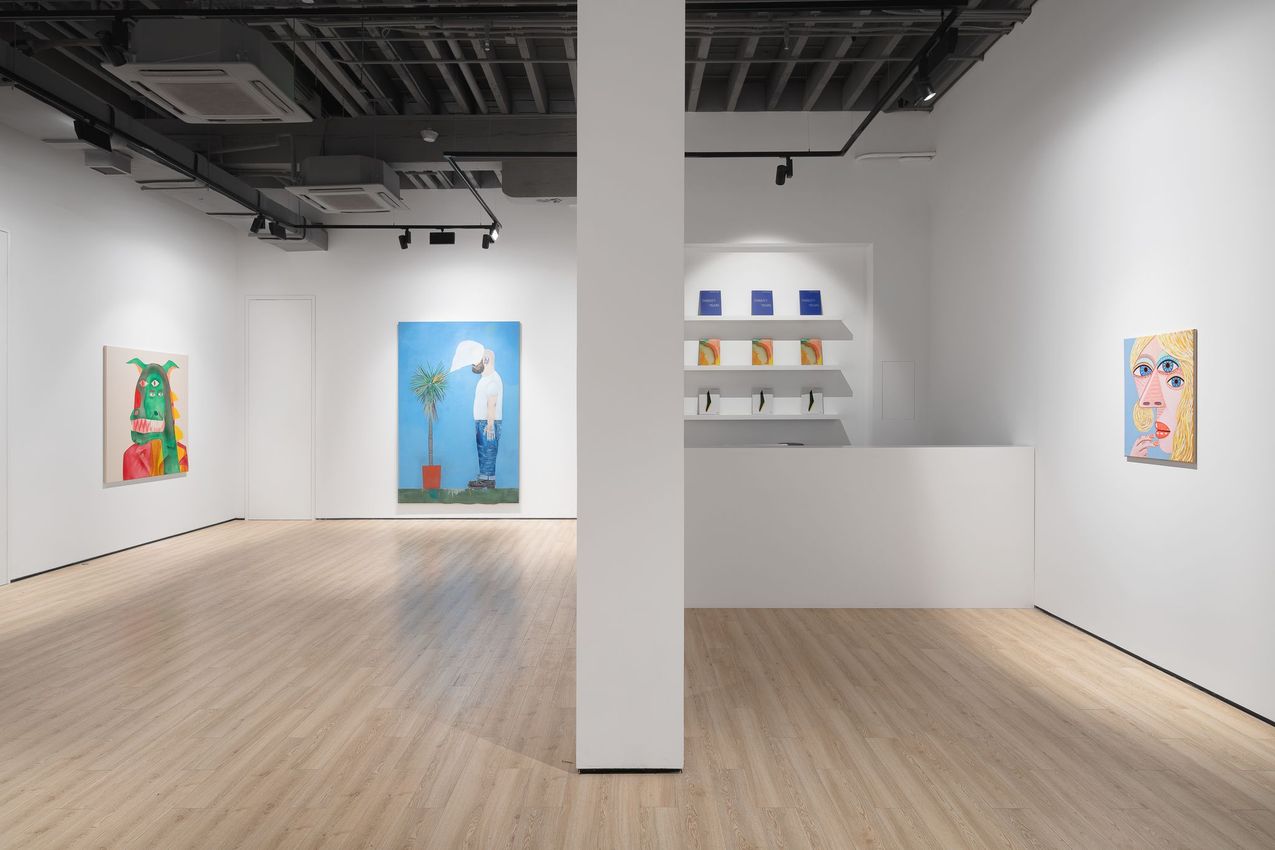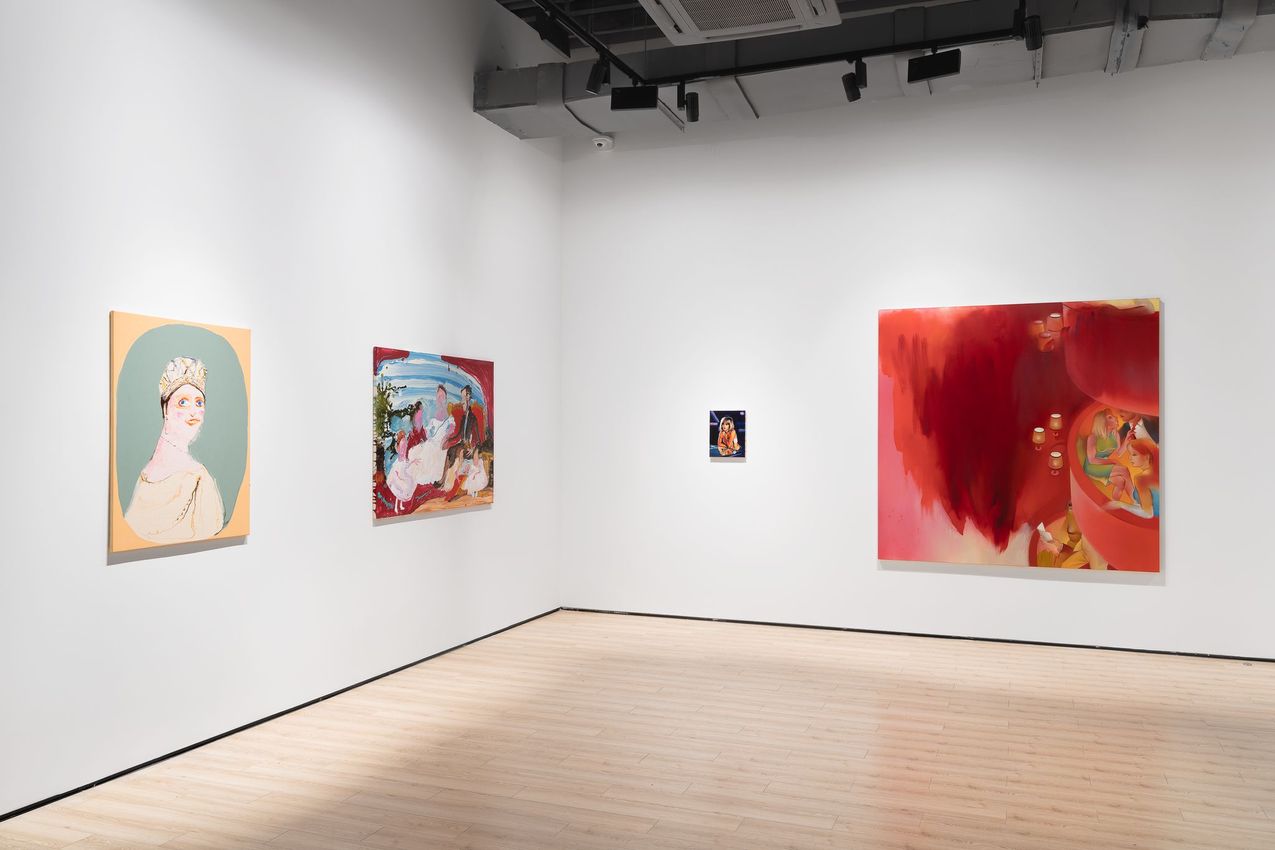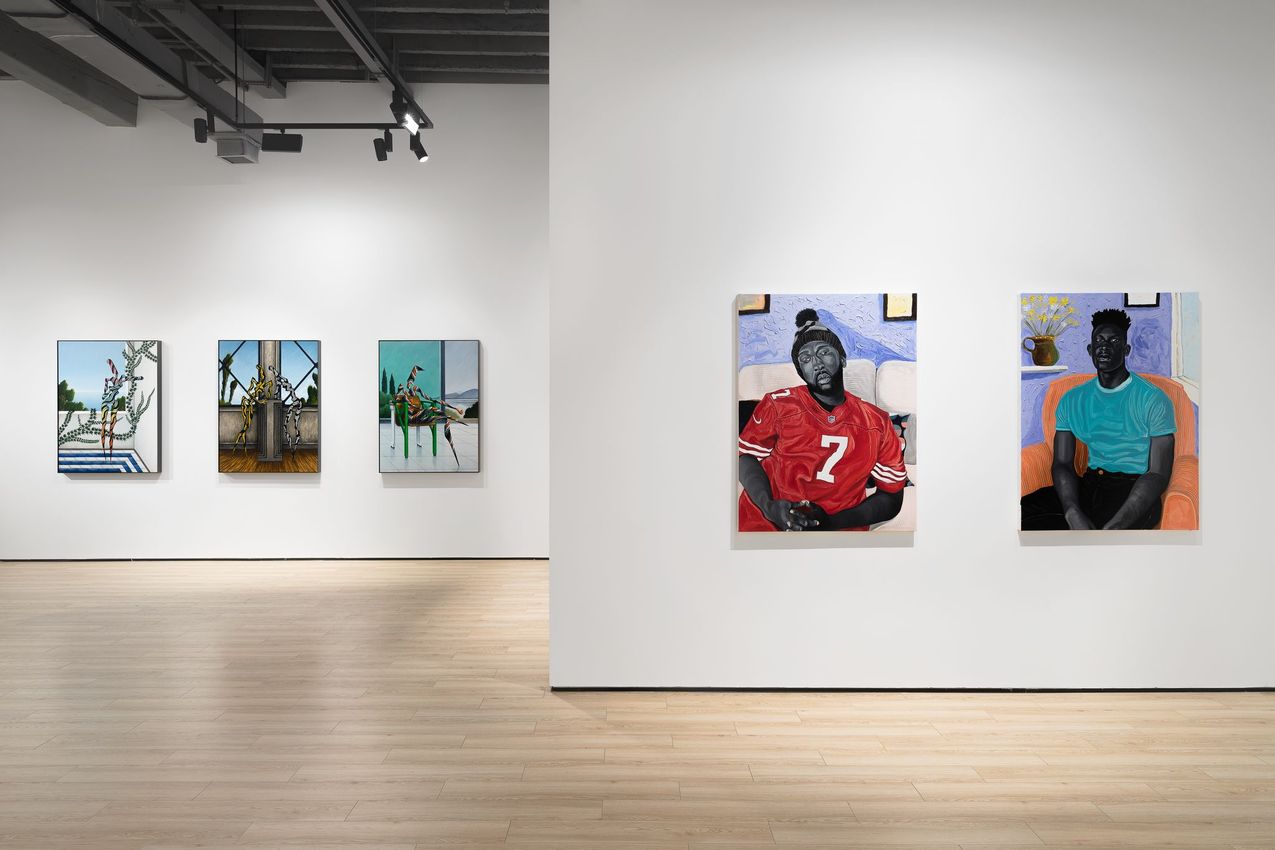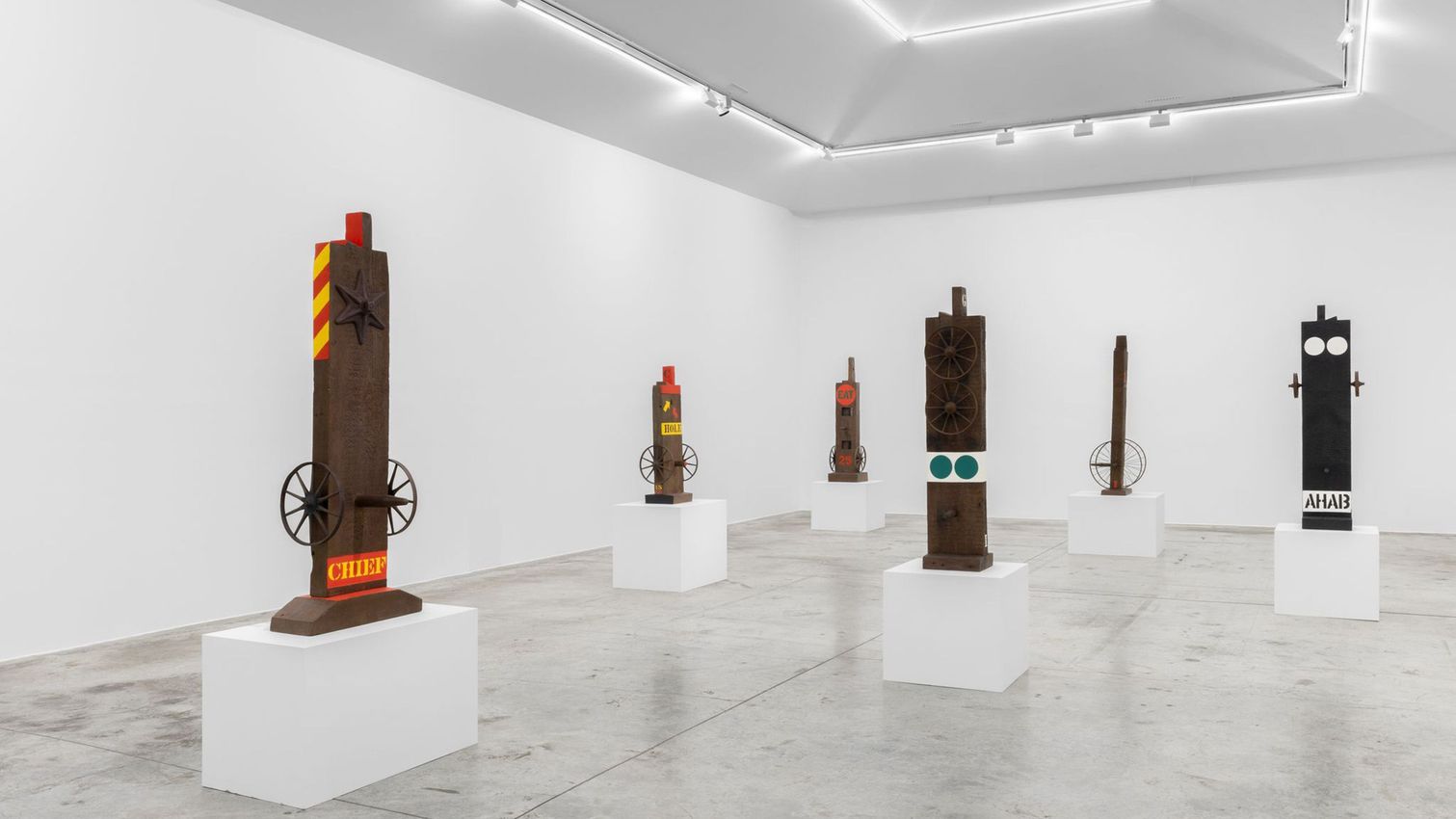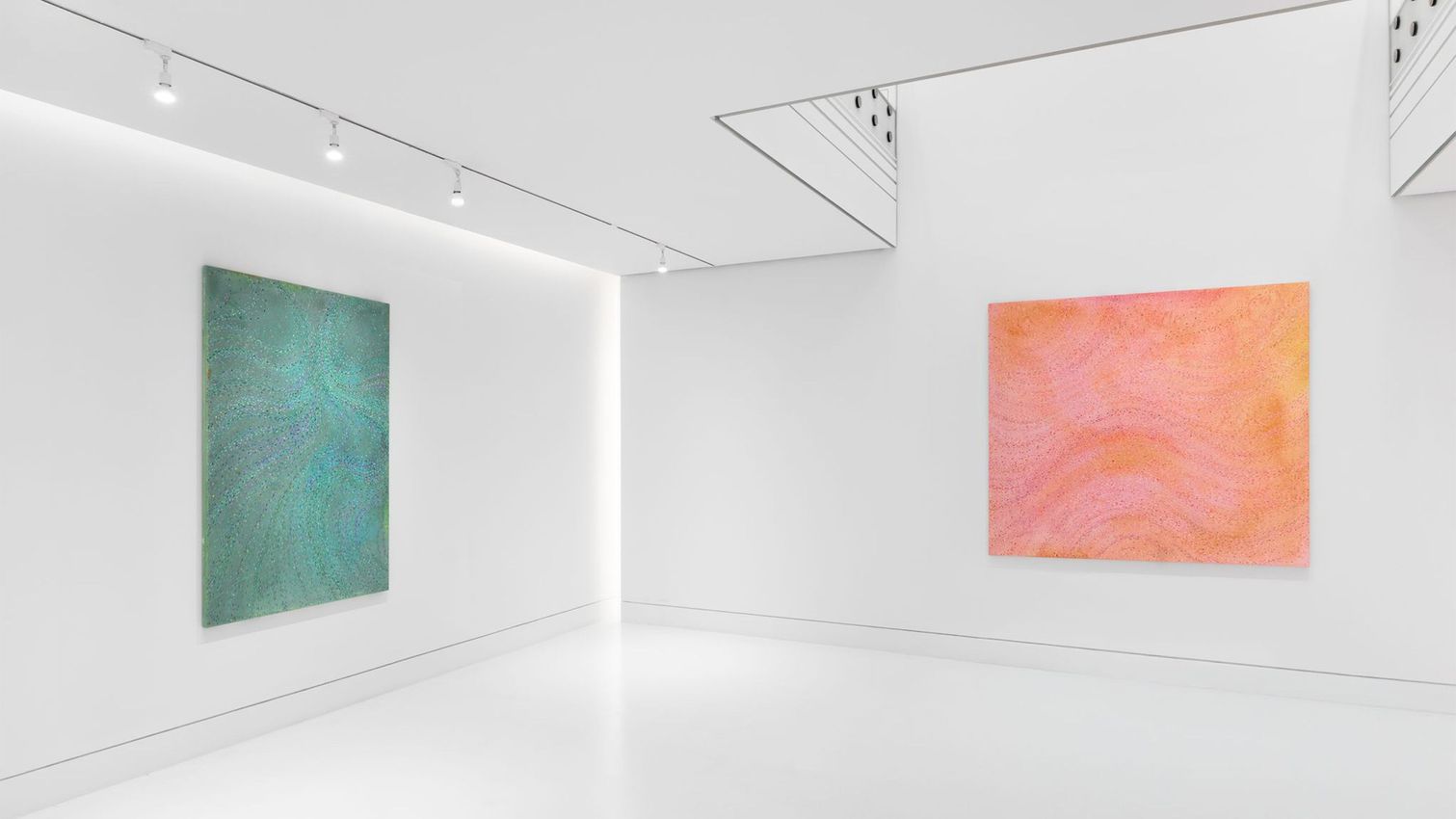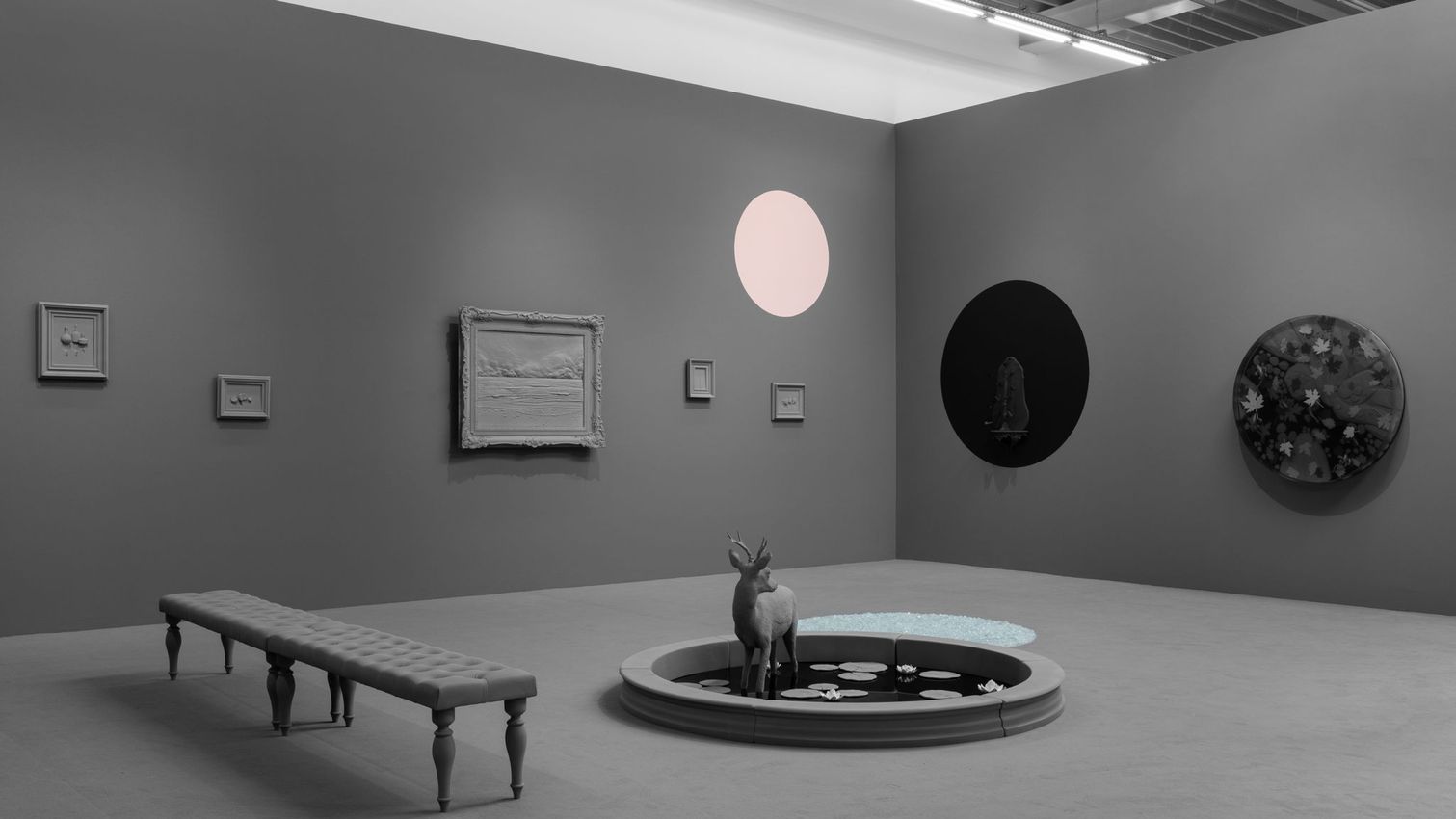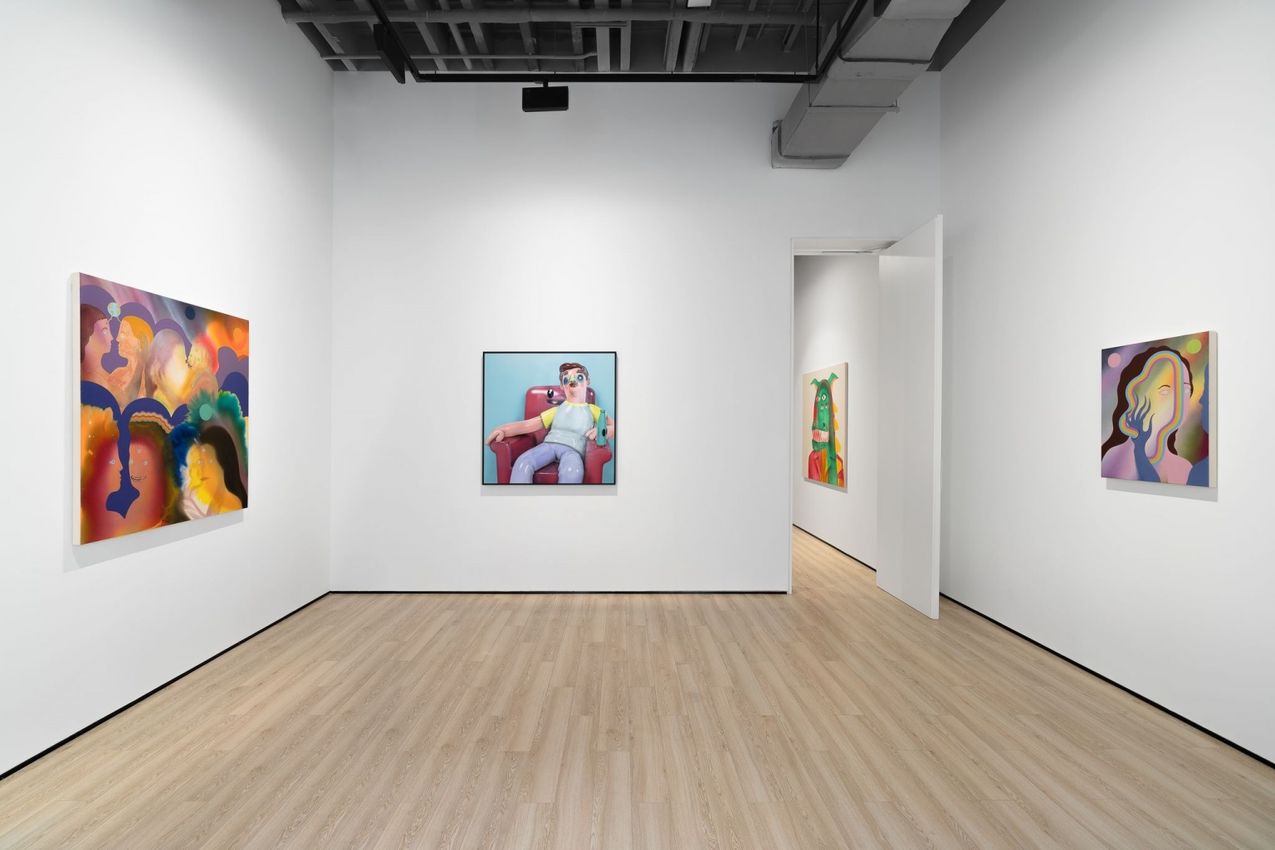
Almine Rech Shanghai is pleased to present a group exhibition, Painting Someone. The exhibition will be on view from 6 November to 26 December 2020.
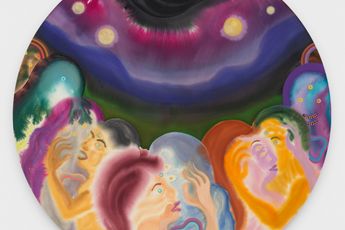
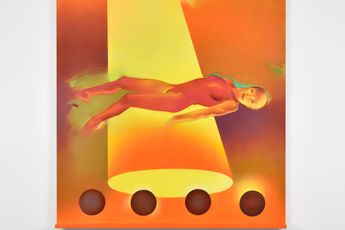
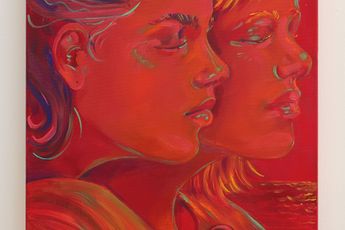
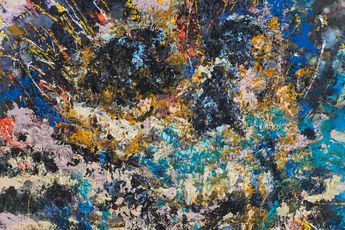
Painting Someone gathers together 16 artists—Brian Calvin, Alejandro Cardenas, Genieve Figgis, Michael Hilsman, Jason Fox, Marcus Jahmal, Aaron Johnson, Allen Jones, Haley Josephs, Sam McKinniss, César Piette, Otis Kwame Kye Quaicoe, Vaughn Spann, Phyllis Stephens, Genesis Tramaine and Chloe Wise—who blur the distinction between figuration and abstraction to come up with portraits fitting for the 21st century. Most of the works were made in 2020, presumably in isolation. Yet, even without models, friends or family to pose in the studio, these artists offer a panopticon of faces lifted above the dread of the current moment by an array of unique responses. This diverse group of artists hold one thing in common: they employ imagination rather than replication, elevating their subjective point of view above straight-forward attempts at realism.
With grids on Zoom and jpegs on Instagram and WeChat, our most common encounters now take place on screens. Yet many of the artists in this exhibition are able to recall real-time intimacy without specifying the identities of their subjects. In some instances, acquaintances seem emboldened by posing for a portrait, staring out at viewers with a gaze that telegraphs pride in their identity. Others convey the fluidity of identity, using abstraction to blur the edges of facial recognition. Their seemingly opposite approaches to the issue of identity are not necessarily in conflict, as critics and curators have begun to welcome both points of view as an interrogation of the role of portraiture in art history.
The value of a painted portrait in the age of mass media may seem tarnished or devalued. Yet, several of these artists demonstrate that the ‘face’ is an apt vehicle for a number of issues, both social and aesthetic. Albeit, the artist is an unreliable narrator, elevating their subjectivity above representation and allowing their personal gaze to dominate and control the viewer’s glimpse of what may-or-may-not be reality. It is a balancing act between confidence as an artist and a self-deprecating sense of play, challenging the stereotype of a portraitist as an all-knowing genius.
Celebrity culture cannot avoid impacting our current ideas about portraiture, as Chloe Wise and Sam McKinniss make clear. British artist Allen Jones, representing an earlier generation of Pop artists, contributes the painting, (From) The Gods (2017)—the only work in the show not created during quarantine—which offers a glimpse into the sexual canoodling of a group of theatre-goers. Even when the subject is relatively anonymous, they are often worthy of our attention. Vaughn Spann has created a stunning picture of a stylish Black man wearing a polka-dot shirt, green hat and sunglasses standing by the window with a view of an idealised landscape. It is a portrait of a man who is clearly successful, or at least very satisfied with himself, worthy of hanging near the kings and rulers of art history.
Self-taught artist Marcus Jahmal, the youngest in the show, says it best with his work, Quarantine (2020), in which a Black man with a single dread dropping from his hat faces off with a nude woman beckoning from across the canvas, an ascension scene for contemporary times. They are separated by a single tree, perhaps the Tree of Life, perhaps a dying sycamore on his street in Bushwick. The painting conveys the mixture of loneliness and frustration that has befallen lovers during the time of Covid-19, but with a sense of both sorrow and humour. It is the composition—part Matisse, part Romare Bearden—that strikes us first before we analyse the faces of the couple on view.
Painting Someone demonstrates that the age-old rivalry between figuration and abstraction has been ameliorated by a school of artists who take the best from both and merge them into fascinating and challenging paintings. The roots of this endeavour might be said to go back as far as Picasso. Yet, this has been updated by artists who create vivid statements by questioning the value of a portrait in a world where billions of such images exist. Even those artists less concerned with mass media have waded into the field of figurative abstraction for a wide variety of reasons, such as interrogating the hierarchical nature of portraiture in art history. Many others are simply trying to make work that connects on a visual level, depicting a ‘person’—it doesn’t matter who—in order to explore new aesthetic challenges. The great news is that as artists who once would have been criticised for blurring the boundaries between figuration and abstraction—are now praised and celebrated. Artists have led the way.
Text by Barbara Pollack. Courtesy Almine Rech.


Almine Rech opened its doors on April 1st, 1997 in the 13th arrondissement in Paris. The gallery was founded on an axis of California Minimal, Perceptual art and Conceptual art, representing artists such as James Turrell, John McCracken and Joseph Kosuth.

A respected voice in contemporary art discourse.
Focusing on ambitious storytelling and insightful art-world commentary. Ocula Magazine publishes in-depth interviews, critical essays and timely analysis on the artists, exhibitions and ideas driving the global art world.
Learn more about Ocula Magazine
Showcasing the best of the art world.
Ocula partners with galleries from around the world to highlight their artists, artworks and exhibitions. Gallery membership is by application and invitation, with each member vetted by an independent panel.
Learn more about Ocula Membership

Specialises in the sale of major artworks.
Led by a team with deep ties to the world’s leading auction houses, galleries and collectors. Ocula’s advisory team offers bespoke services to high-net-worth clients from around the world who are looking to acquire the best of contemporary and modern art.
Learn more about our team and services