Press Release

For his exhibition at Galerie Chantal Crousel, titled ALTERATION, For a long time in Time, Melik Ohanian presents a group of recent and previously unseen works.

The artist considers an exhibition to be, above all, a figure of Time: a privileged site where relationships between space and temporality are replayed and recomposed.

Philosopher and writer Dominique Quessada highlights the singular scope of this approach in his text In Search of Time Recovered: “Because all the works presented are explicitly anchored in the question of time, this exhibition stands as a point of convergence in Melik Ohanian’s artistic trajectory. ALTERATION, For a long time in Time thus invents a new format: both a new exhibition and a conceptual retrospective. (...) In this way, ALTERATION unfolds all the meanings of the idea of exhibition, since it exhibits works, of course, but also questions visibility—particularly that of what is supposed to have none: time. Thus, as an exhibition device, and beyond the works on view, ALTERATION is not limited to what one sees in the gallery, but also functions as an index of what is to be thought.”

BORDERLAND

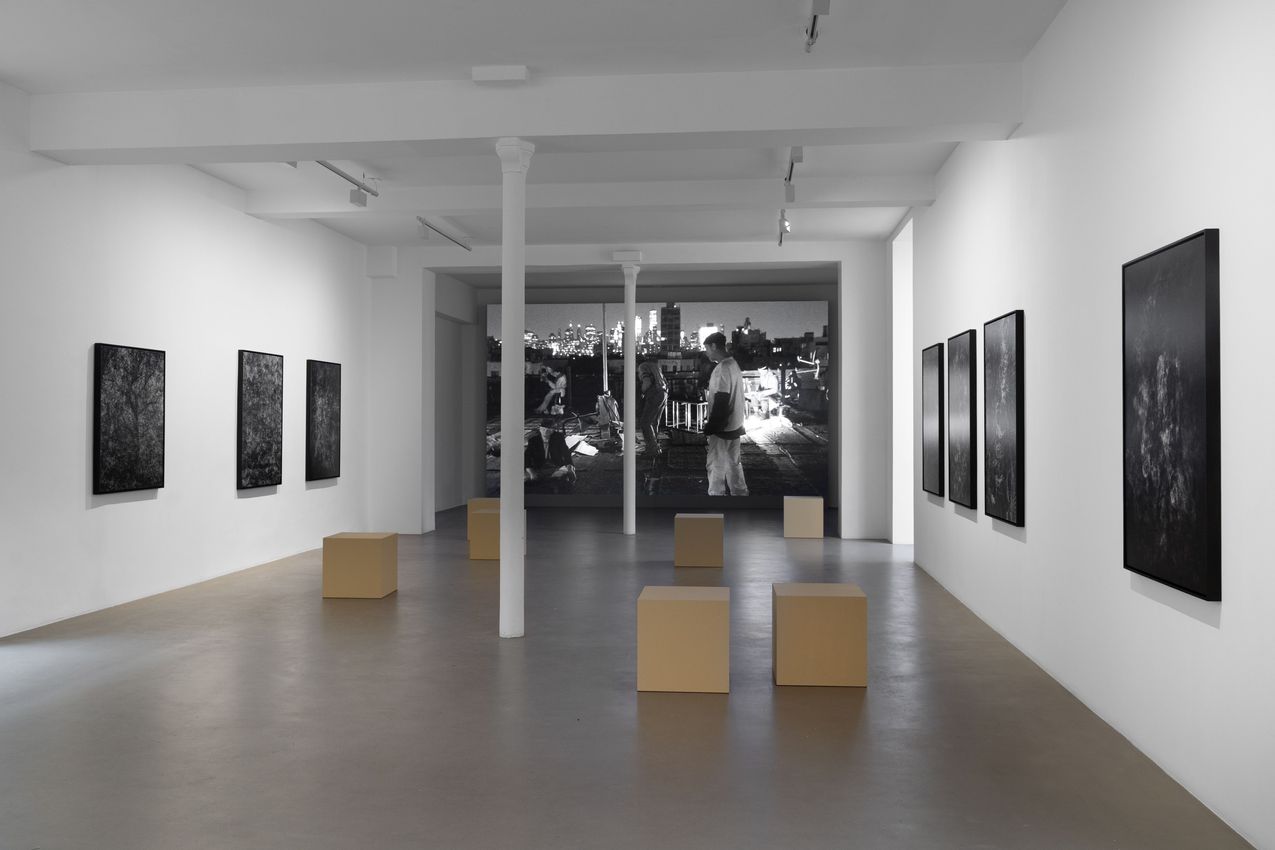
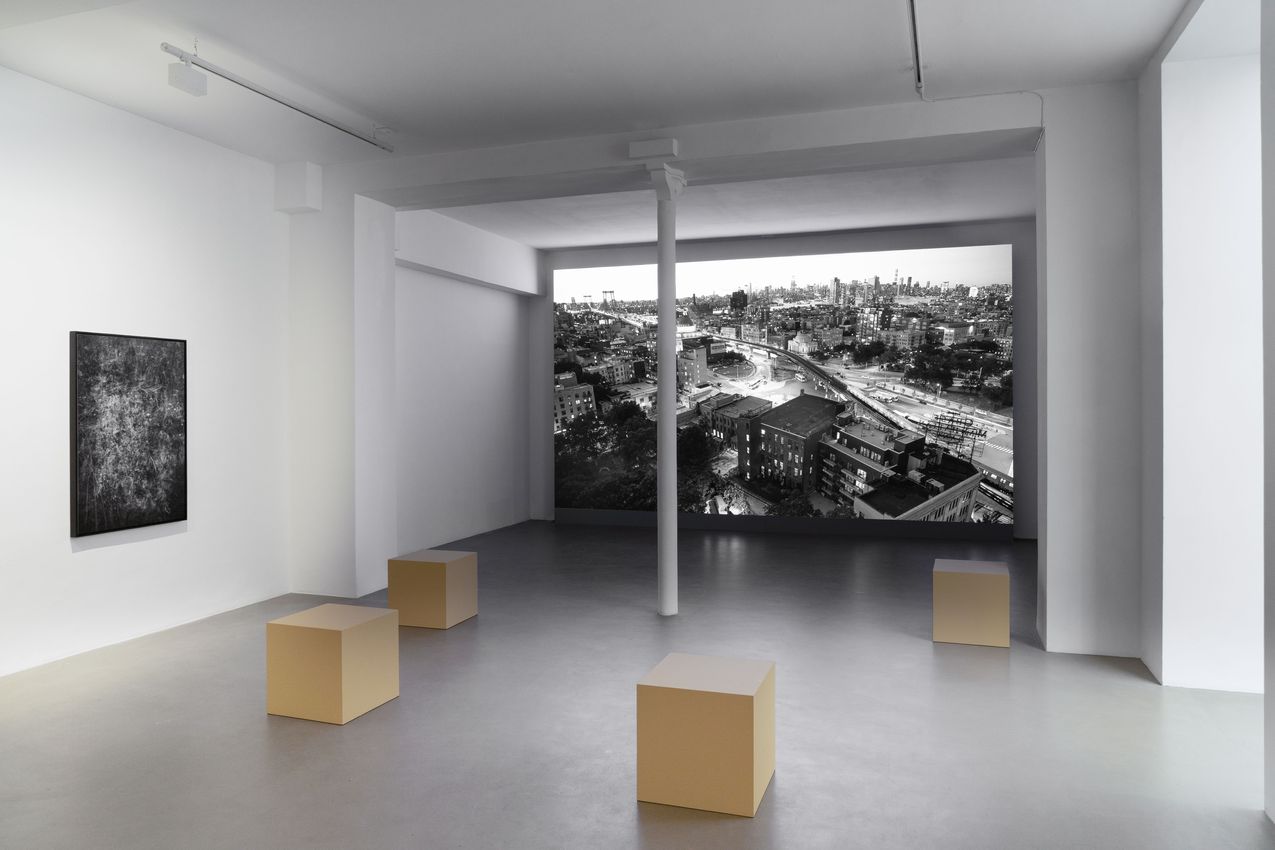
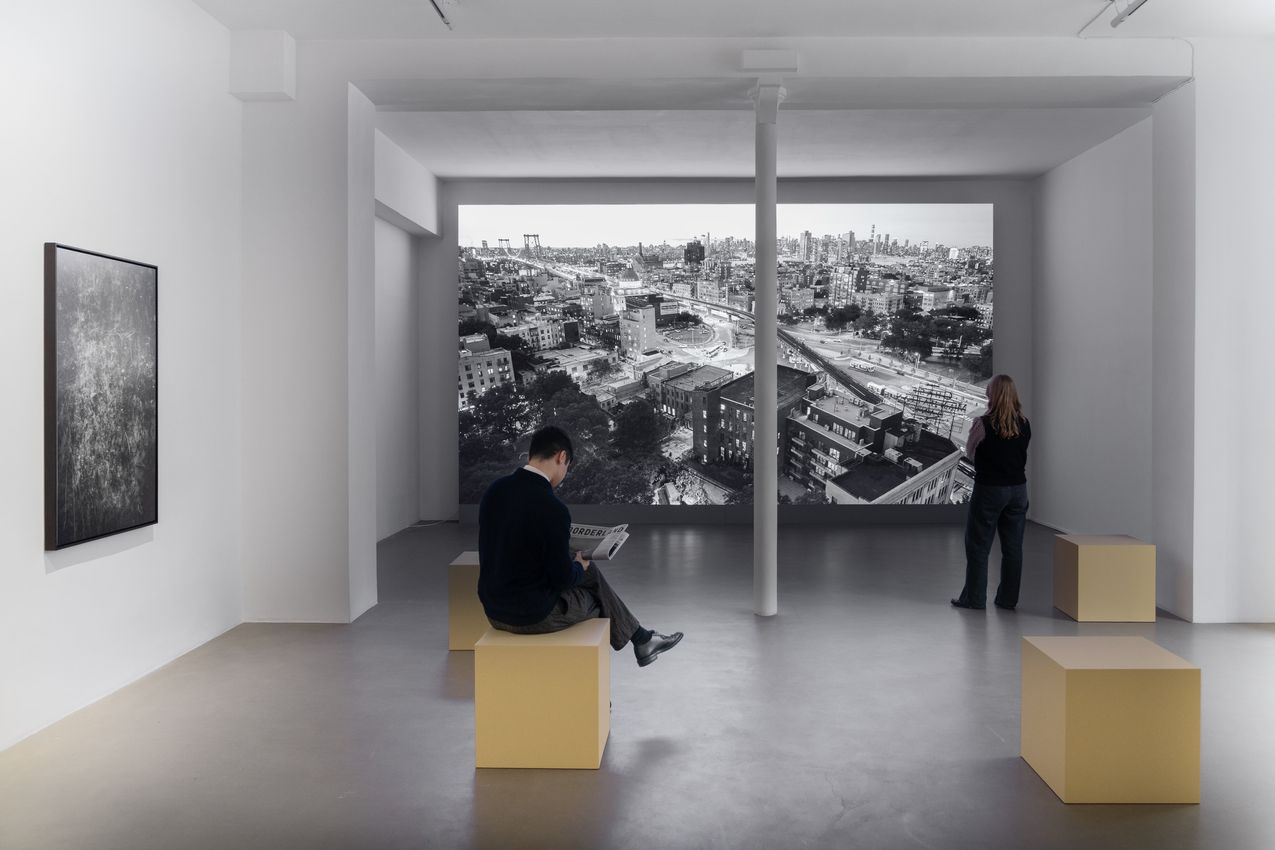
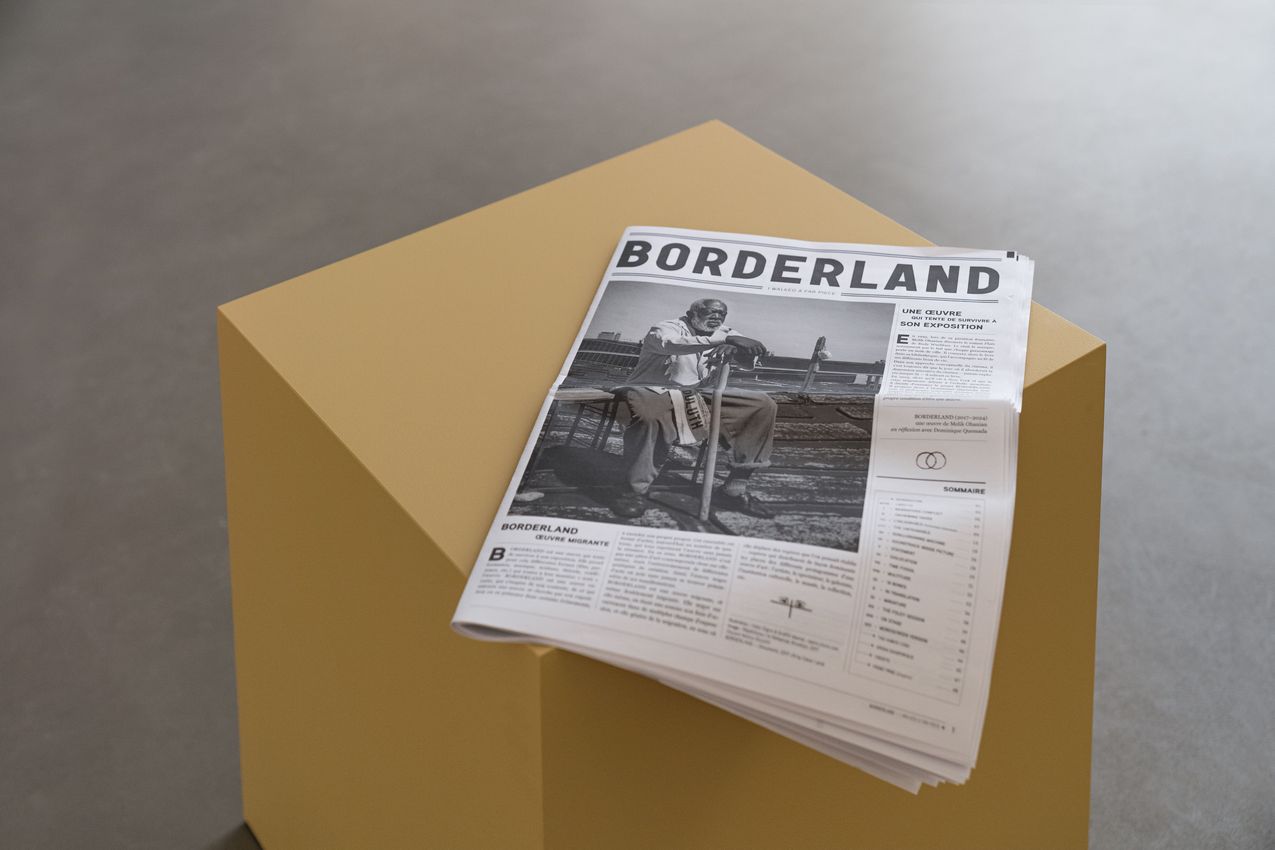
The exhibition is structured around the first presentation of the film BORDERLAND (2017–2024) in a single-screen version. BORDERLAND — I Walked a Far Piece is a long- term work filmed in New York, which was first presented at the 14th Lyon Biennale of Contemporary Art in 2017 in the form of a four-screen installation inviting viewers to occupy the center of the projection space.

Since its first appearance, as the artist states, “the work attempts to survive its own condition of being a work.” It has thus unfolded in fourteen acts, so many occurrences that each expresses the work without ever summarizing it, taking different forms: film, performance, concert, writing, theory, lecture.

In “The Unframeable. Notes on Borderland,” written from interviews with Melik Ohanian, Dominique Quessada comments: ”BORDERLAND is a migrant work, doubly migrant; it migrates within itself, as an unfinished sum of occurrences across multiple fields of expression, and it generates migration in the sense that it displaces markers we believed to be established—markers that dominantly assign roles to the various protagonists of a work of art: the artist, the viewer, the gallerist, the cultural institution, the museum, the collection, etc.”

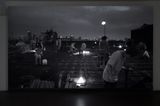
Based on Rudy Wurlitzer’s novel Flats (1969), the script, co-written by the artist and Dominique Quessada, takes place on the roof of the studio where Melik Ohanian worked in Brooklyn for several years. The film is the result of an omnivisional device consisting of four cameras mounted on four tracking rails installed on the four sides of the almost square roof: north, east, south, and west. Following the rails, and always visible in the images, the cameras are in constant lateral movement from one corner to the other. The tracking movements are revealed to be driven by cranks operated by the actors themselves. As such, the film consists of four sequence shots, filmed continuously over 55 minutes.

“We are on a rooftop in Brooklyn. It is dawn or dusk. Or both. A space whose flatness contrasts sharply with the elevation surrounding it on all sides: at the four cardinal points, New York unfolds in its obsessive quest for verticality. Eighteen figures stand there, motionless, indistinct, their individuality uncertain. We know nothing about them. We will soon learn. The roof is a border zone, a space where what will be taken apart is the very notion of the border itself: a BORDERLAND.”

For Dominique Quessada, “In BORDERLAND, the adaptation of Wurlitzer’s novel brings together, in an intertextual narrative, the protagonists of the book with contemporary characters. Thirteen hobos from the 1960s populate the zone in an atmosphere not unrelated to the universe of Samuel Beckett. They intersect in this no man’s land—a territory they share for one night, where speech is used as a means of survival. The writer-narrator himself is present, participating in his own text. At the same time, a group of five migrants from our own era discovers the rooftop, a zone already occupied by a narrative from the past.”

The screening of BORDERLAND — Act XIV forms the temporal and conceptual core of the exhibition, around which two new series are organized.

Chronographies

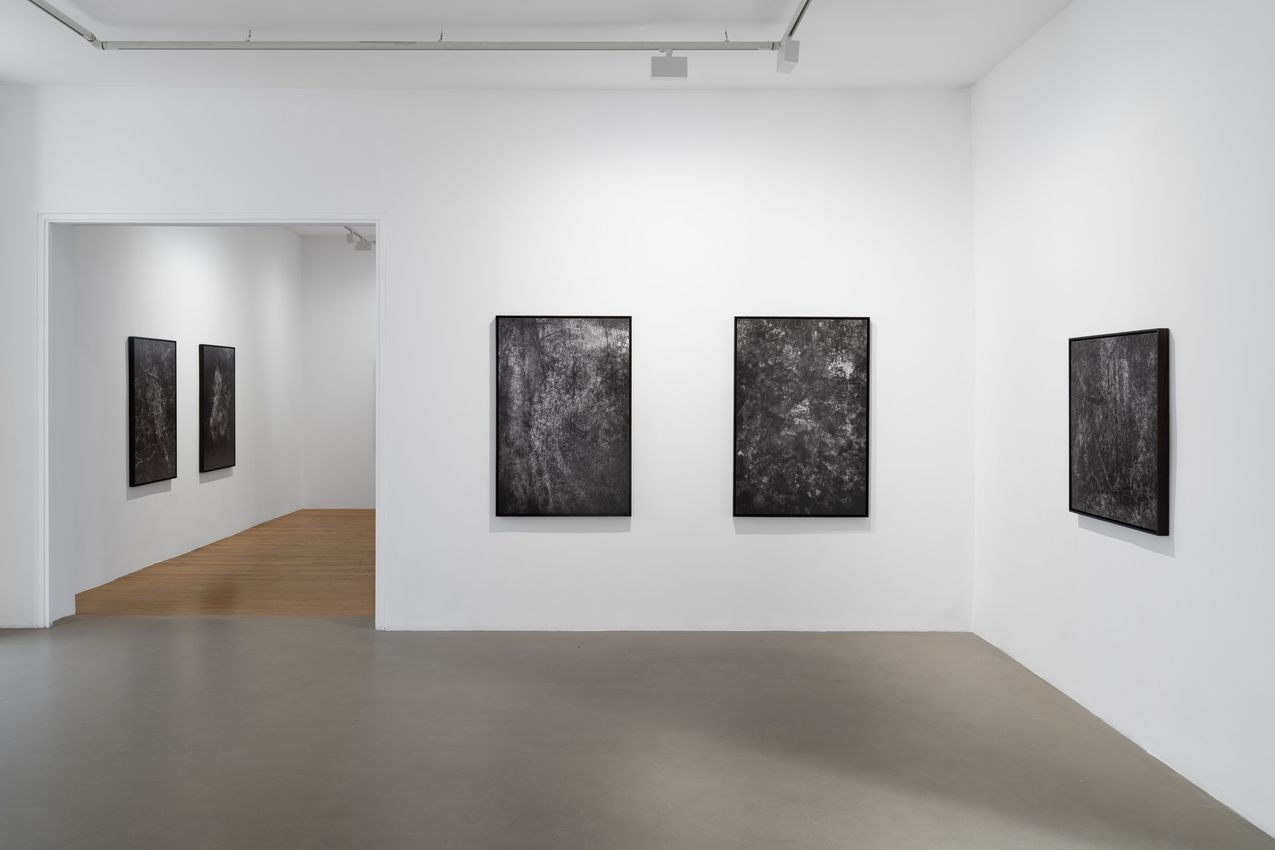
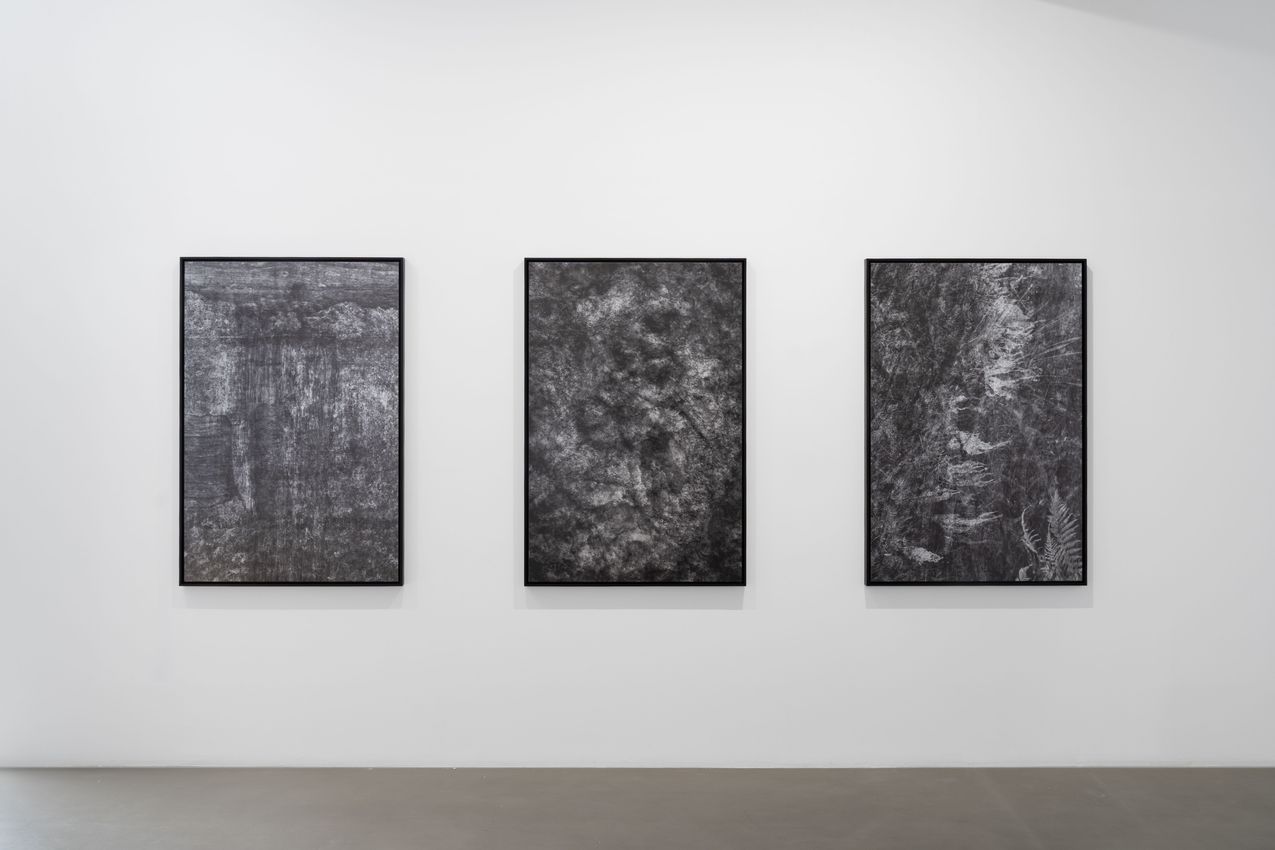
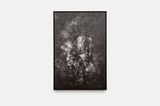
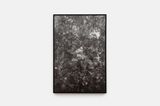
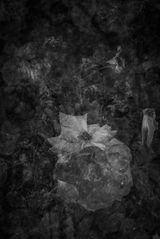
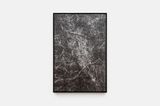
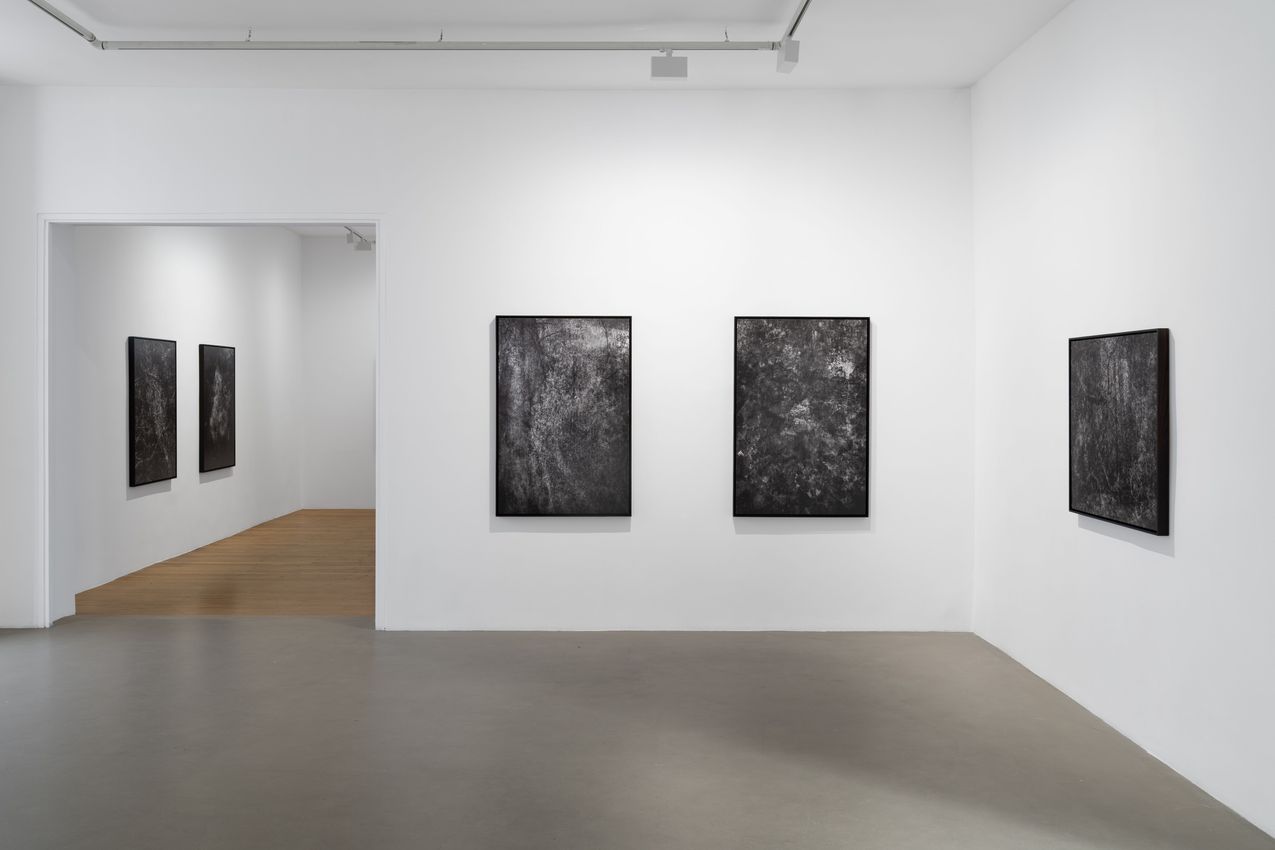
In the first series, Tomorrow Was (2016–2024), Melik Ohanian transforms his own photographic practice and reflection on the medium based on earlier works. The standard perspective of space gives way to a temporal depth of the image. Through “blurrings” that give it an unstable dimension, the image outlines a new representation of reality, revealing what resists time and the fixity of forms.

Dominique Quessada highlights this foundational experiment: “To establish a deeper artistic relationship with light, Melik Ohanian understood that it was not enough to fix space. To truly write light, an additional dimension had to be added: the three dimensions plus time, and to make space-time perceptible. (...) Time is invisible; it is visible only indirectly, through the marks it leaves on things and bodies. By adding cameras to the register of image-making machines, Melik Ohanian inaugurates a practice that is no longer photography, and that I call chronography.

Chronography is the epiphany of time within a frame; it is the irruption of the depth of time into the flatness of the image.”

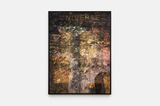
The second series, Interval of Viewing (2025), came into being during the summer of 2025 in Illiers-Combray. Marcel Proust spent part of his childhood in Illiers, whose memories nourished the creation of the fictional town of Combray, an essential setting in I_n Search of Lost Time_. During this residency, Melik Ohanian undertook an open- ended walk based on collecting psychogeographical observations within the sites that inspired Proust’s imaginary world.

Dominique Quessada continues: “Obsessed with time, Melik Ohanian could not help but encounter in his trajectory the work of Marcel Proust, his literary space, and the space—both concrete and fictional—of the town of Illiers-Combray. Moreover, the exhibition’s subtitle, For a long time in Time, is composed from the first (‘Longtemps’) and last words (‘dans le Temps’) of The Search.”

Using only five camera models (three analog cameras, one digital) and nine lenses that belonged to his father, the photographer Rajak Ohanian (1933–2023), covering the evolution of photographic formats from the second half of the 20th century to the early 21st, the artist questions, without nostalgia, what it means to “see again” through these tools charged with history, lineage, and memory.

After shooting, the protocol is based on a principle of temporal “interweaving”: in analog, all the exposures on a roll of film are superimposed to form a single image; in digital, images are processed in sequences. Each Chronography thus condenses multiple dimensions—past, present, perception, and becoming, manifesting particular attention to what resists.

Dominique Quessada writes: “Like opening a door long left closed onto this unseen aspect of photography, Melik Ohanian’s Chronographies make visible or perceptible what may be called the temporal frame of the image — they reveal what has always been the latent dimension of every photograph, and perhaps its most important part: time.”

Echoing the exhibition, a screening of BORDERLAND will take place on March 18, 2026, at the Auditorium of the Bourse de Commerce — Pinault Collection.

Born in 1969, France. Lives and works in Paris (France) and New York (United States).

Melik Ohanian is a French visual artist for whom the exhibition primarily constitutes a figure of time: a privileged site where relationships between space and temporality are replayed and recomposed.

Melik Ohanian’s work is conceived in terms of physical and conceptual territories, with the notion of time as its central focus. Nourished by research, scientific methods, and philosophy, his work unfolds through a multiplicity of media.

At the intersection of science, philosophy, contemporary history, and visual arts, Melik Ohanian explores and transcends, through different supports, the material aspect of the artwork. Drawing on a strong visual culture, he takes inspiration from cinematic procedures and contemporary projection techniques to question the status of the image and the concept of time.

In his works and dispositifs, which interrogate modes of exhibition display and exceed the usual frames of the image, the notion of time is grasped in its relationship to reality and through the experience of its duration. Placing the viewer in a state of exploration, the artist brings to light the complexity of the gaps that, in more or less evident ways, govern our relationships with others, inviting us to question the constitutive and/or reflective realities of our world.

In 2015, he was awarded the Prix Marcel Duchamp and took part in the exhibition of the Pavilion of the Republic of Armenia at the Venice Biennale, which was awarded the Lion d’or for Best National Pavilion. His permanent installation in Trembley Park in Geneva, Les Réverbères de la Mémoire, received the Visarte Prize in Zurich in 2019. He was also the eighth artist invited to the Pinault Collection Residency in Lens in 2021– 2022.

The artist’s work has been presented in solo exhibitions at international museums such as the Mémorial de la Shoah, Paris (2023); Musée National d’Art Moderne, Centre Georges Pompidou, Paris (2016); CRAC Languedoc-Roussillon, Sète (2014); Utah Museum of Contemporary Art, Salt Lake City (2013); Matucana 100, Santiago (2008); CCA Kitakyushu (2007, 2003); South London Gallery (2006); De Appel, Amsterdam (2006); IAC, Villeurbanne (2006); Palais de Tokyo, Paris (2002).

He has participated in numerous Biennials: Gwangju Biennale (2018, 2006), Lyon Biennale (2017, 2005), Sydney Biennale (2016, 2004), Venice Biennale (2015, 2007), Sharjah Biennale (2011), Seville Biennale (2006), São Paulo Biennale (2004), Berlin Biennale (2004).

Among the institutions that have presented his work in group exhibitions are The Warehouse, Dallas (2024); Museum of Modern Art Aalborg (2021); Tate Modern, London (2019); Whitney Museum of American Art, New York (2016); Carré d’Art, Nîmes (2015); Nam June Paik Art Center, Yongin (2013); Haus der Kulturen der Welt, Berlin (2012); Sharjah Art Foundation (2012); Minsheng Art Museum, Shanghai (2011); The Israel Museum, Jerusalem (2010); Beirut Art Center (2009); Moderna Museet, Stockholm (2008); MUMOK, Vienna (2005).

Read More

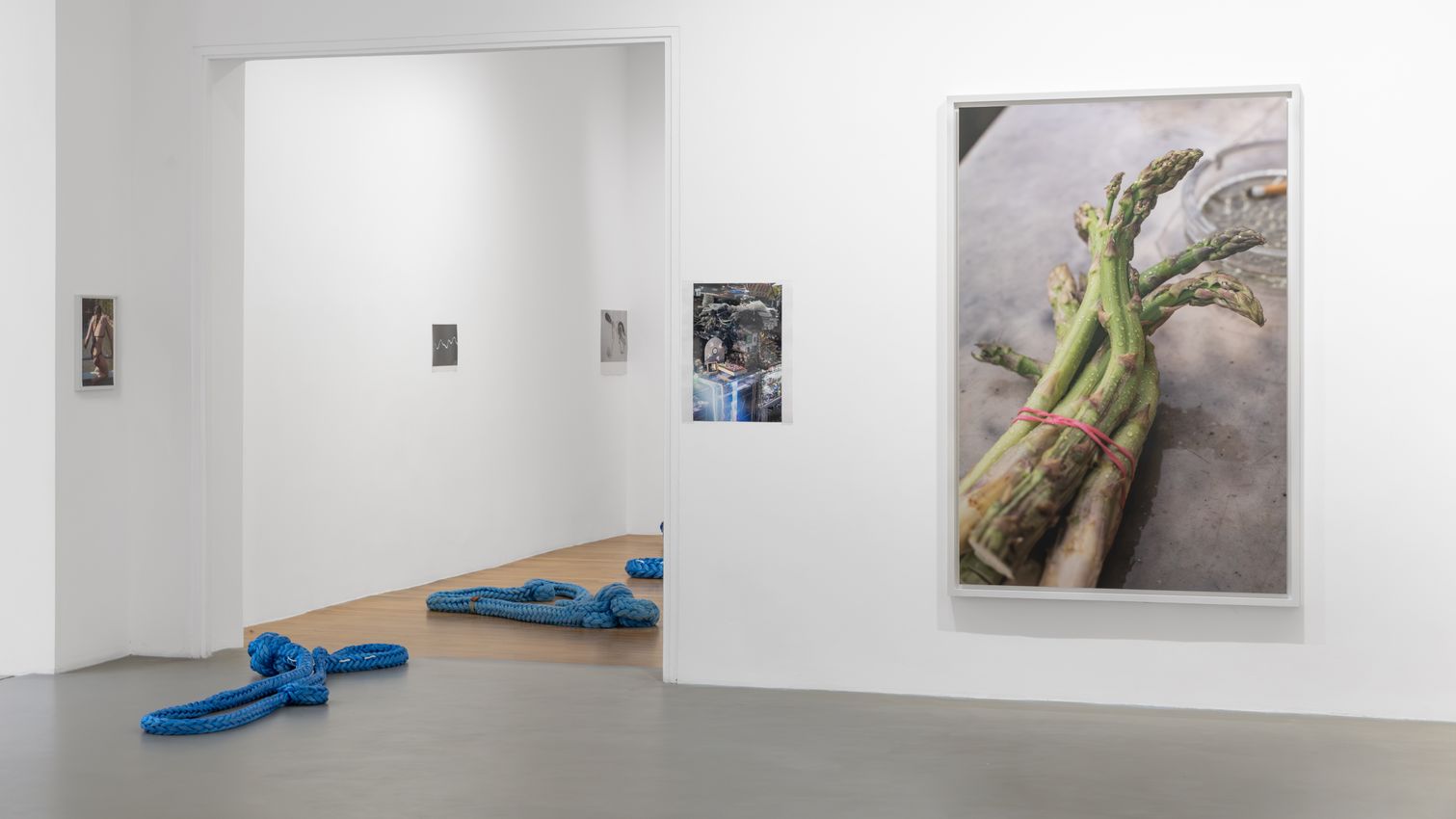
Installation Views

About the Artist

All Melik Ohanian’s work explores the means, supports and allegorical power of the images, reverting constantly to several subjects: desert areas, the working class world, the end of revolutionary utopias and social, historical, and scientific facts.

View Artist Profile

Also Exhibiting at Galerie Chantal Crousel

About the Gallery

Located on rue Charlot in the 3rd arrondissement in Paris, Galerie Chantal Crousel presents a selection of artists highly diverse in their national and cultural origins and mediums who together contribute to a universal visual language.

View Gallery Profile
Address
10 rue Charlot
Paris
France
Opening Hours
Tuesday - Friday, 10am - 6pm
Saturday, 11am - 7pm
(1)
Paris 10 rue Charlot
Galerie Chantal Crousel
10 rue Charlot, Paris, France
+33 142 773 887
http://www.crousel.com

Opening hours
Tuesday - Friday, 10am - 6pm
Saturday, 11am - 7pm
The art world in focus