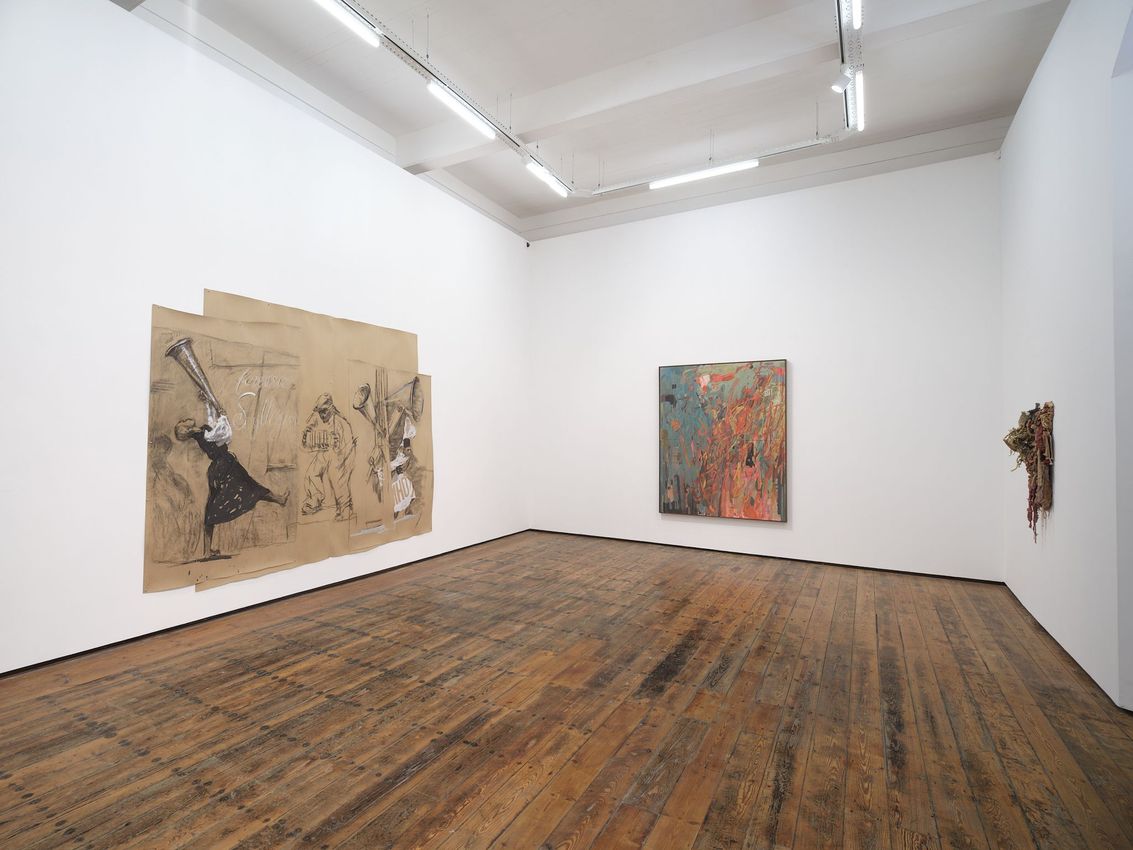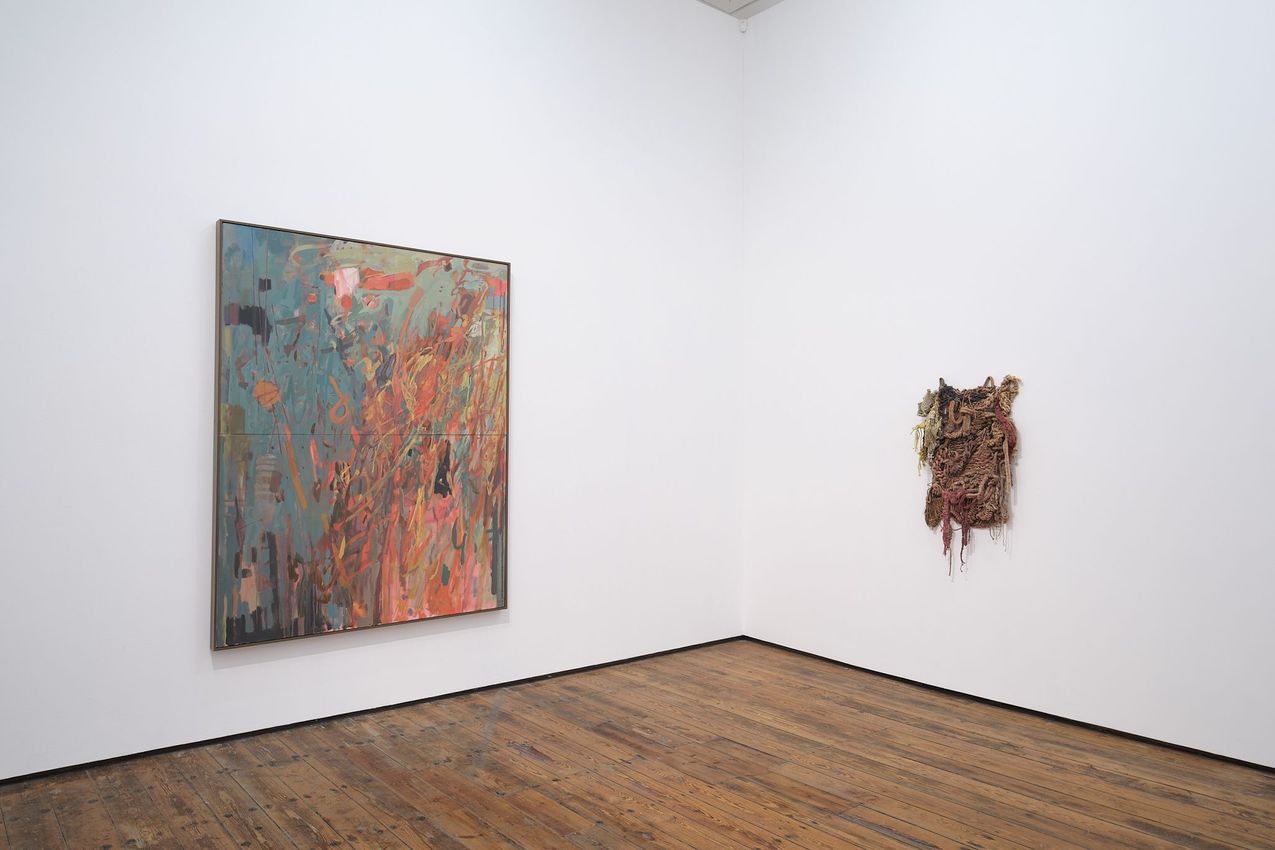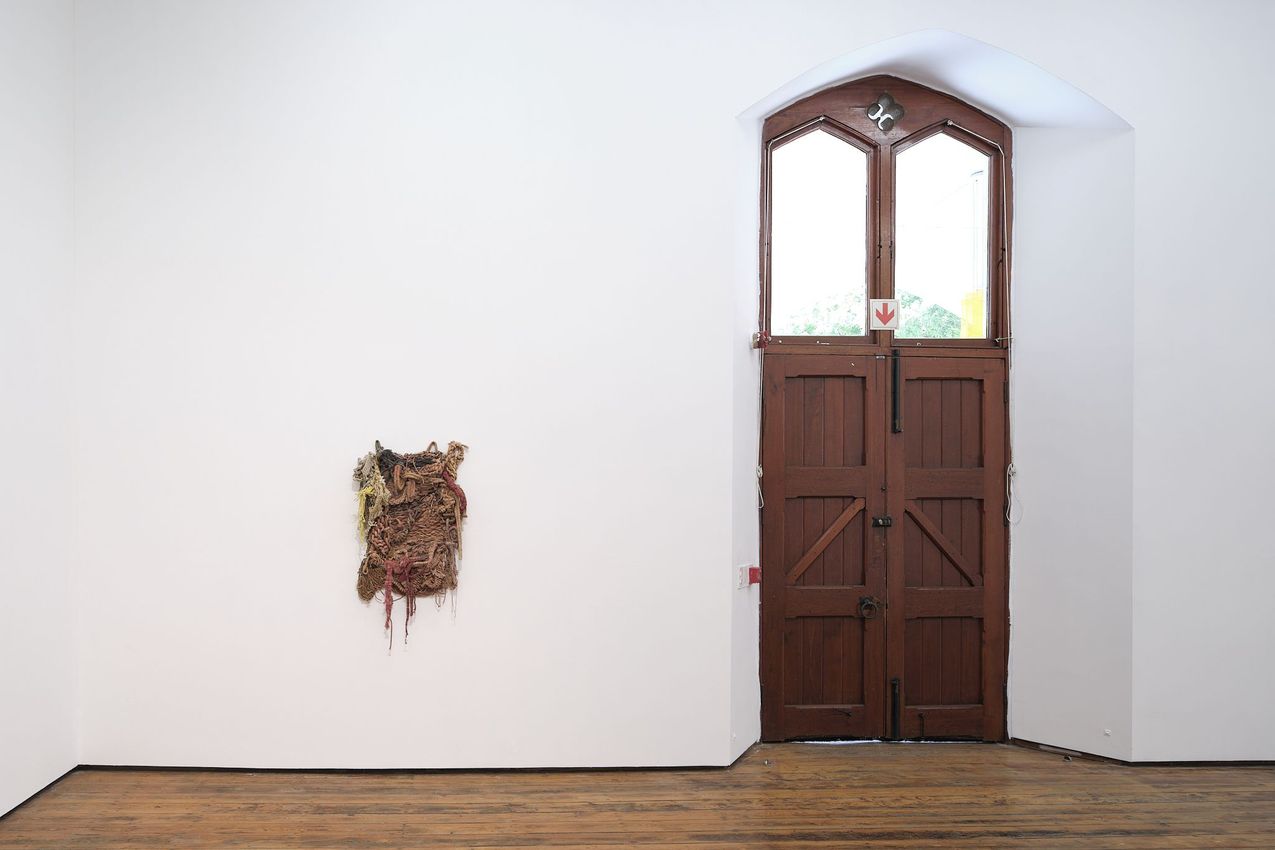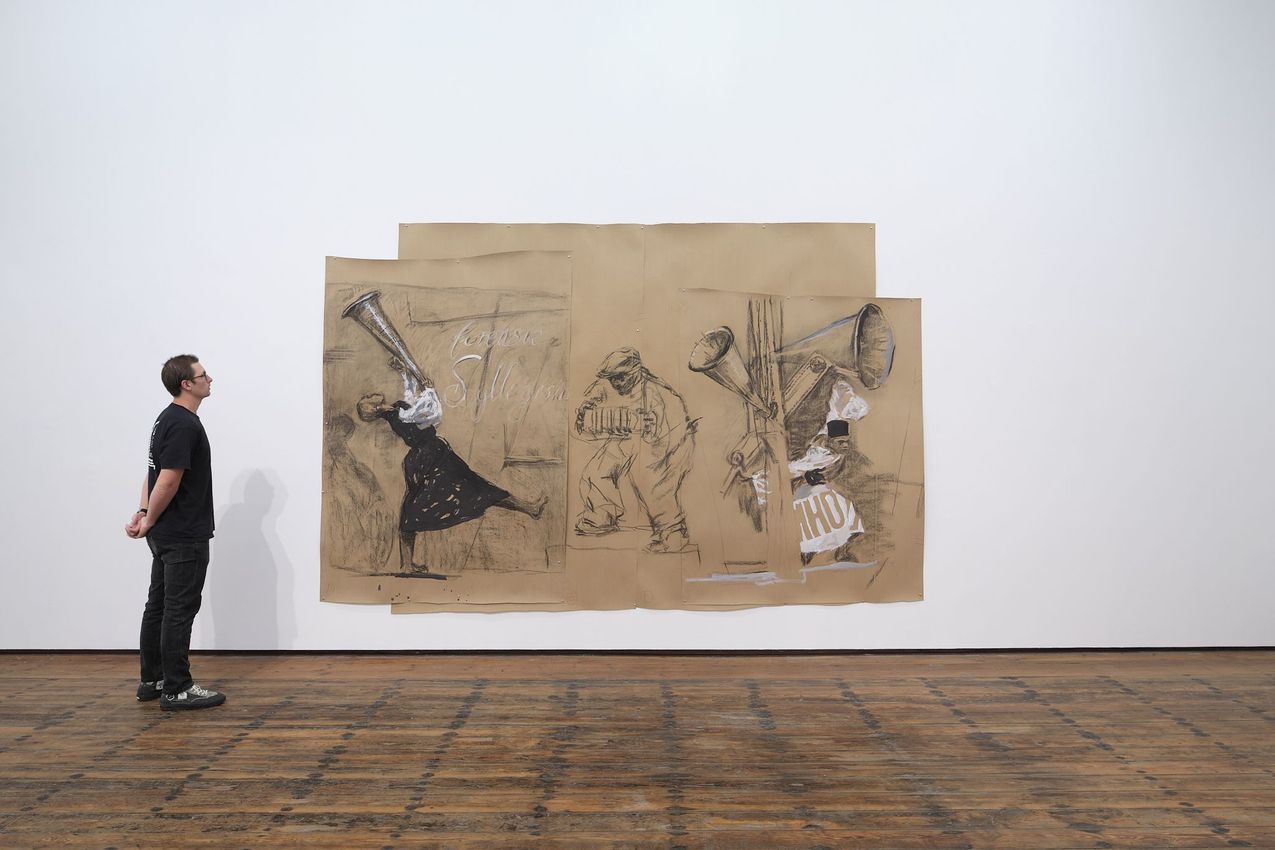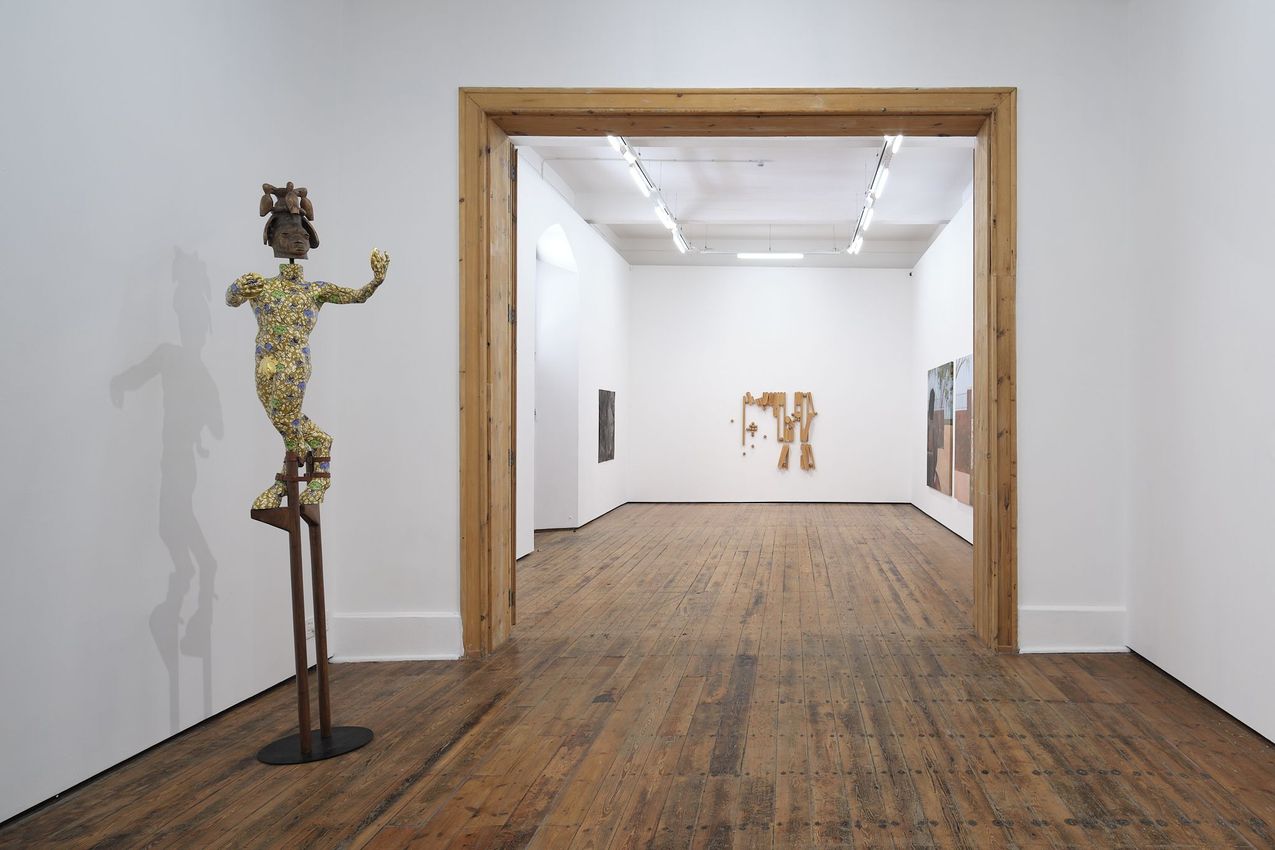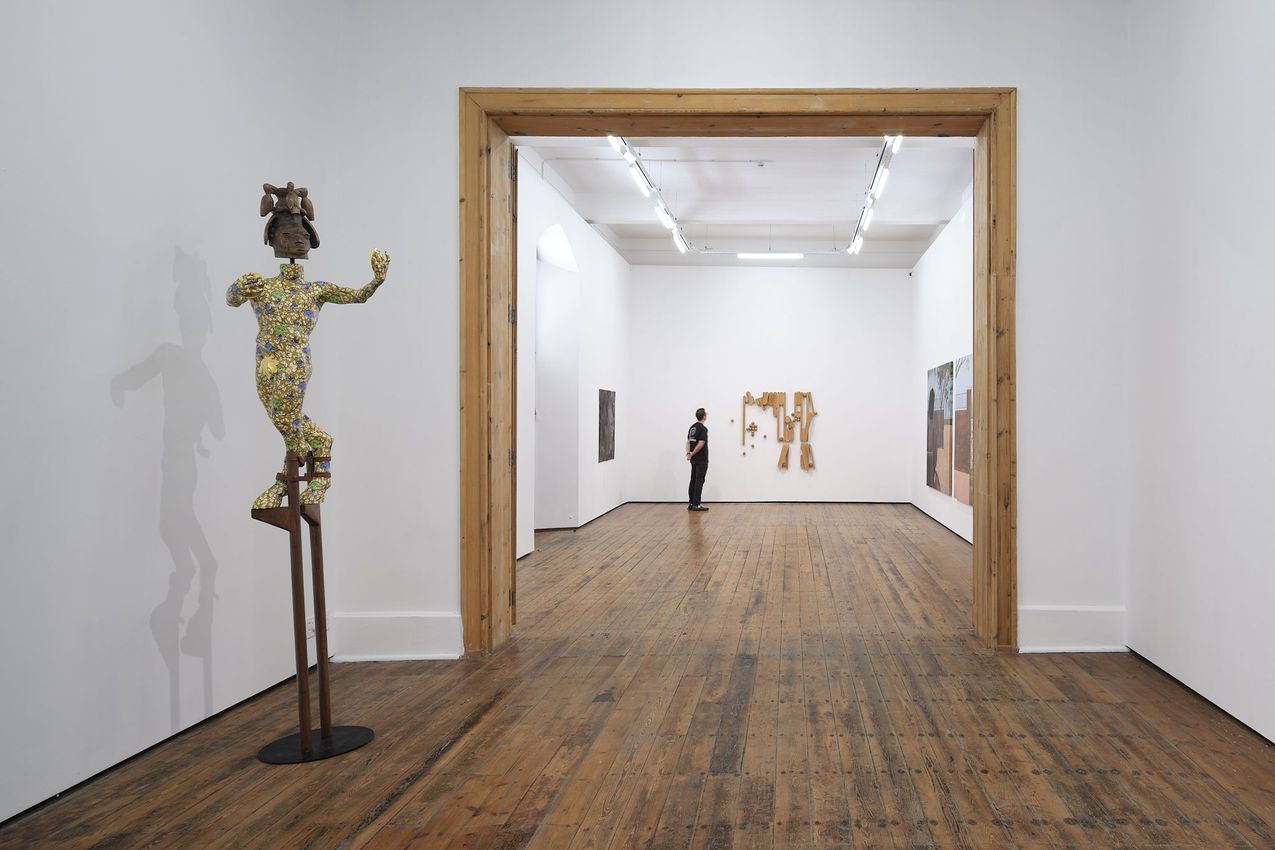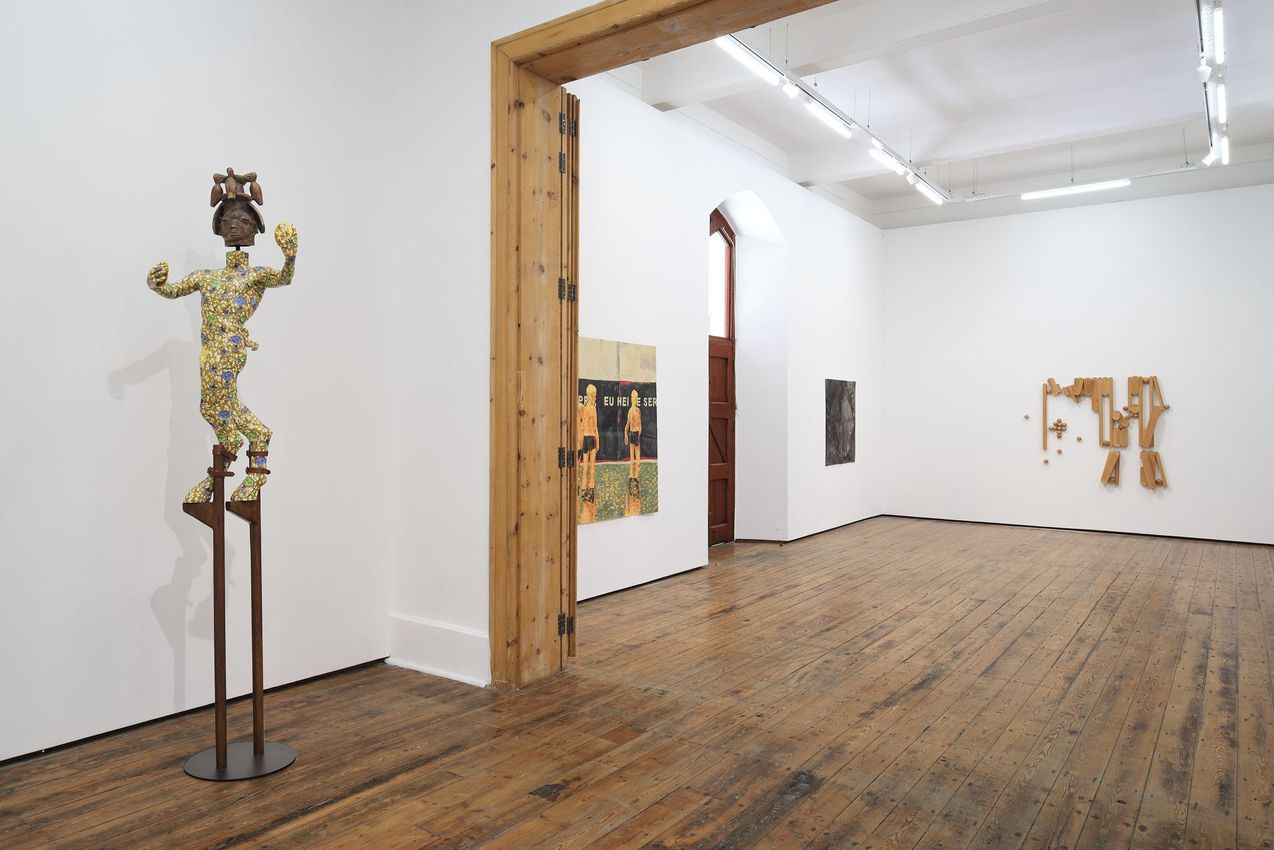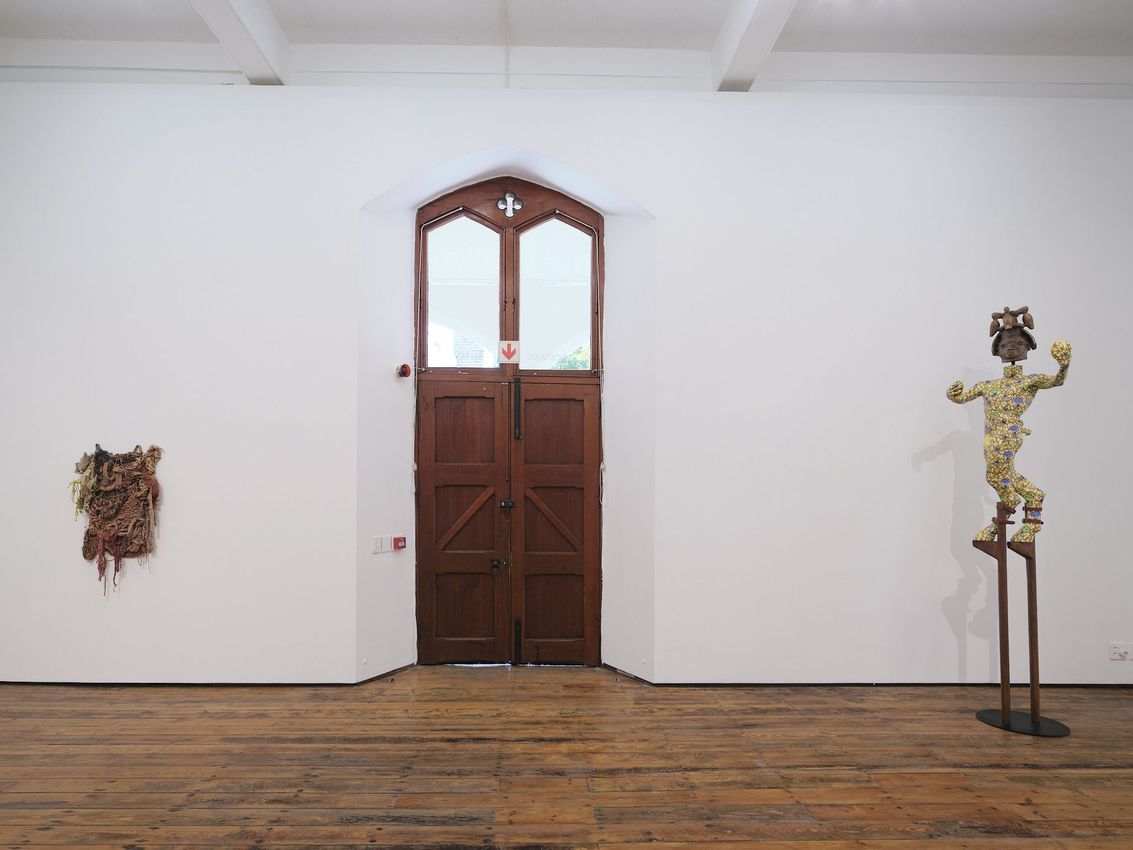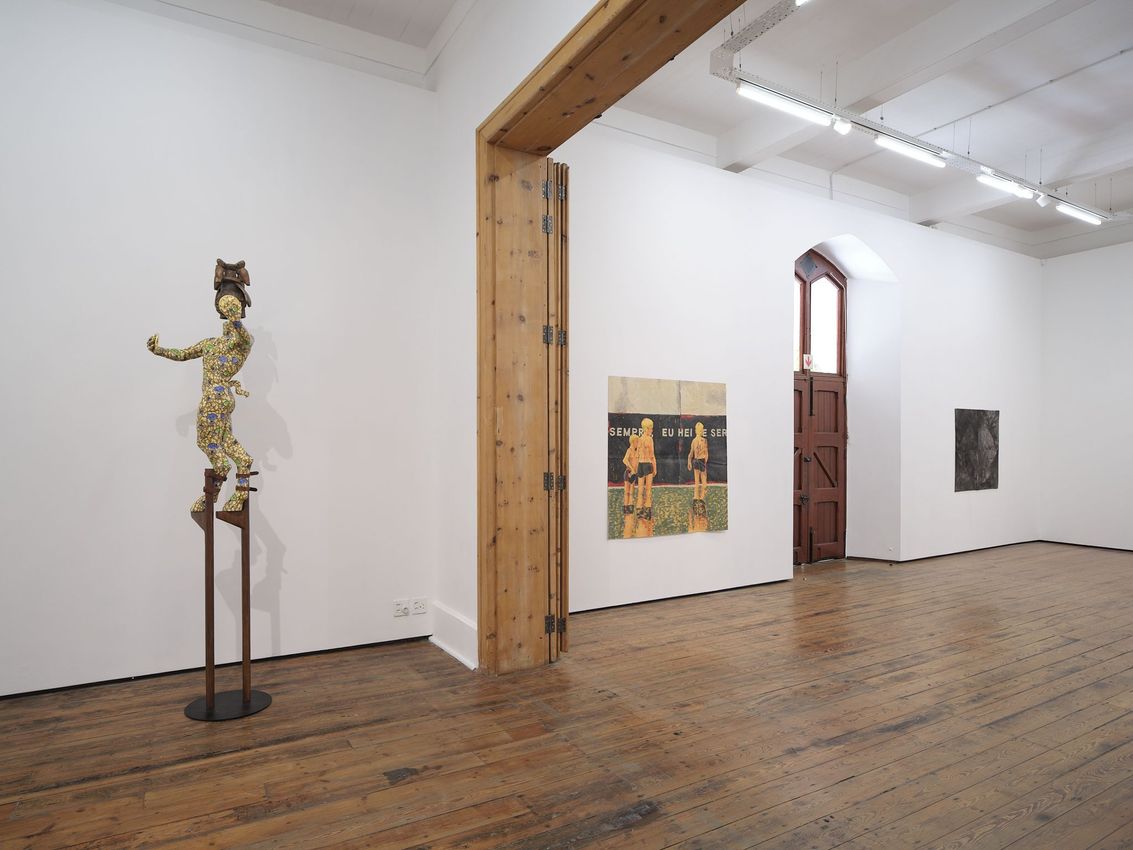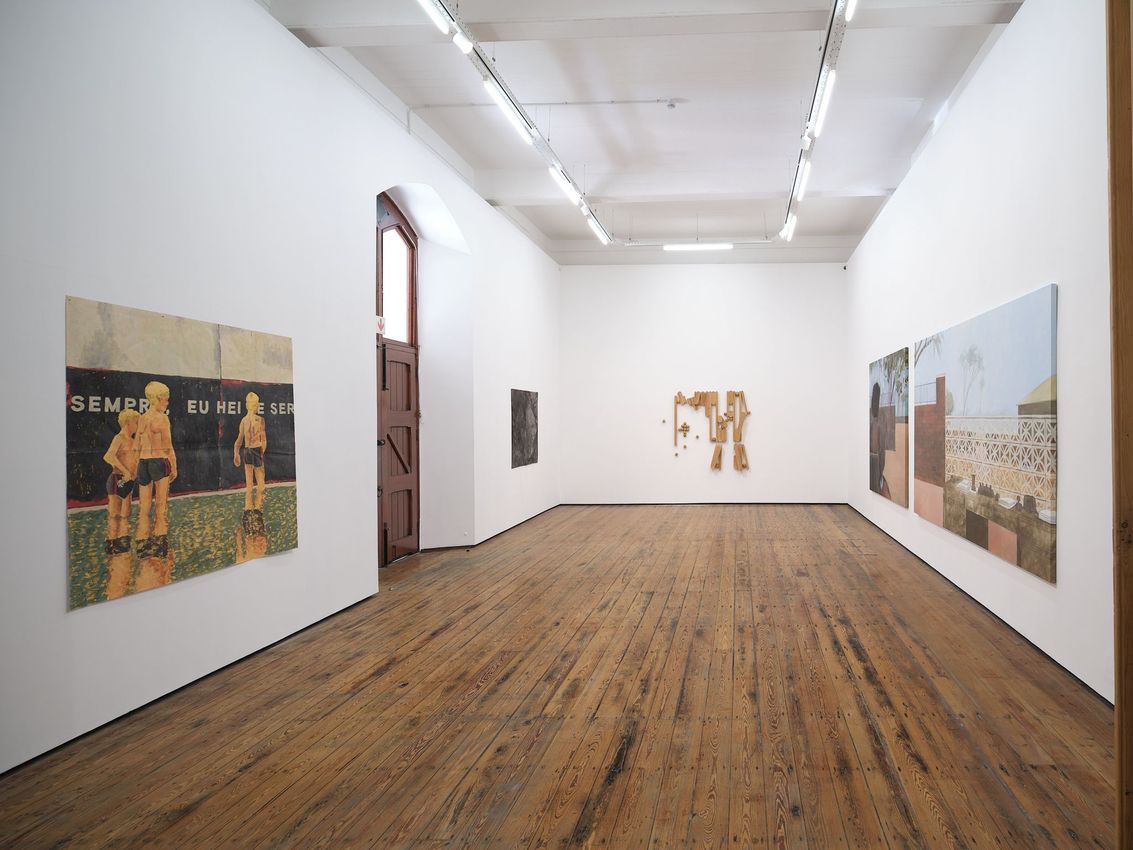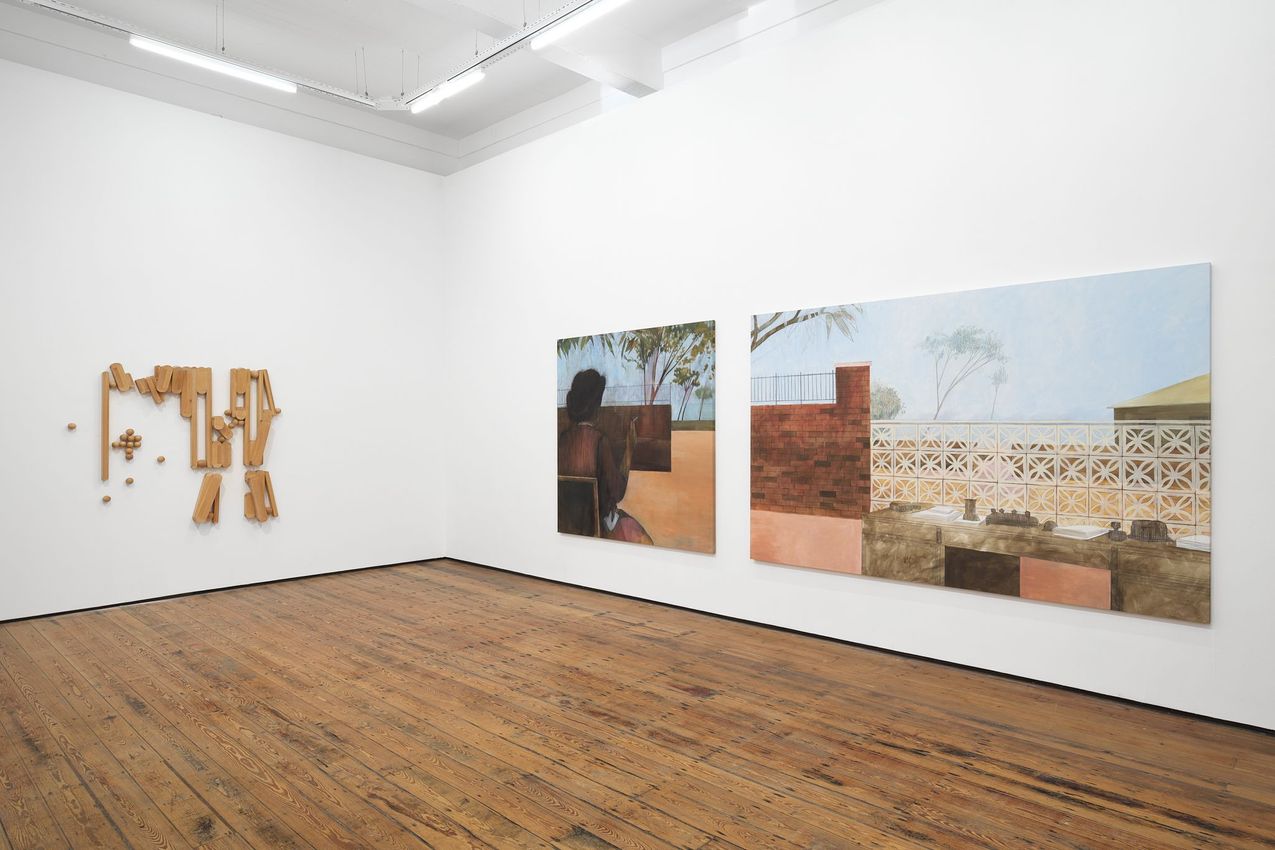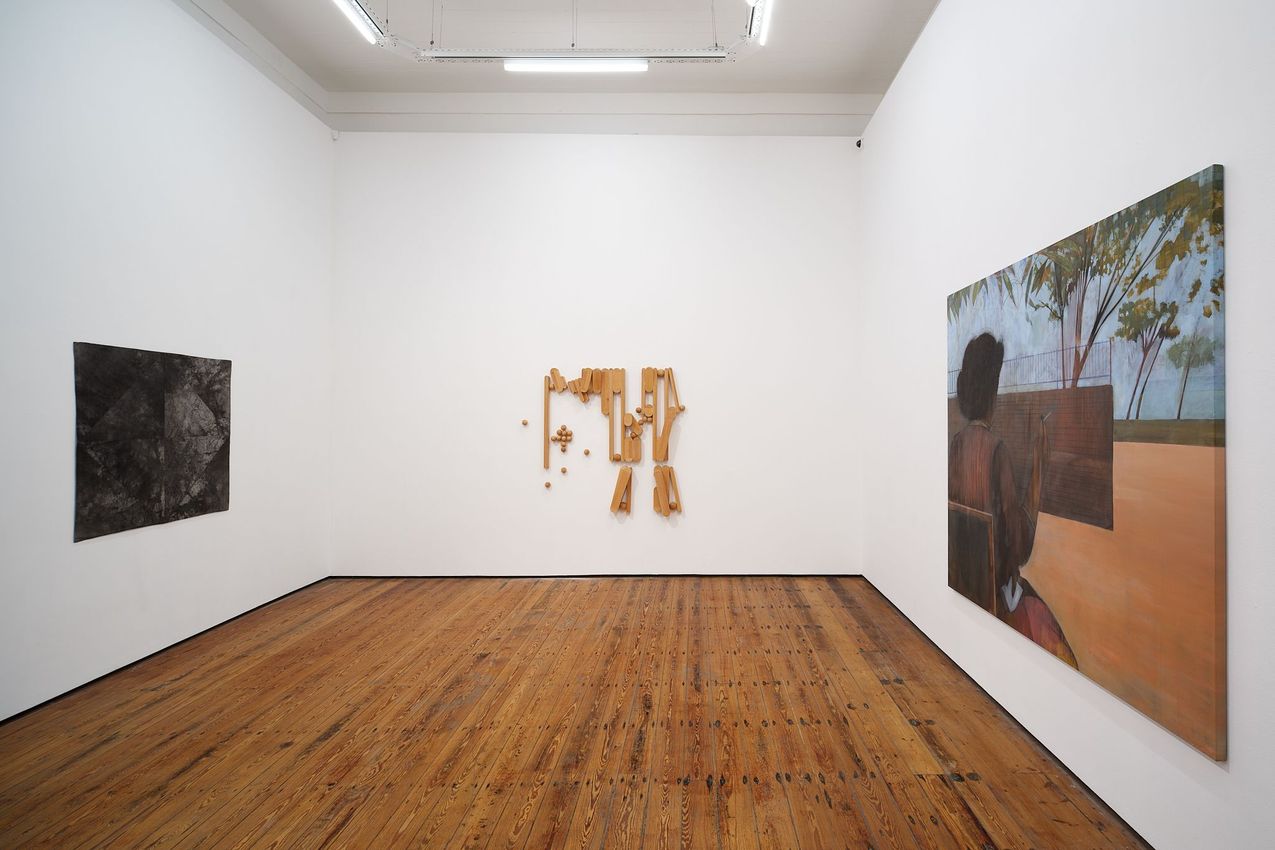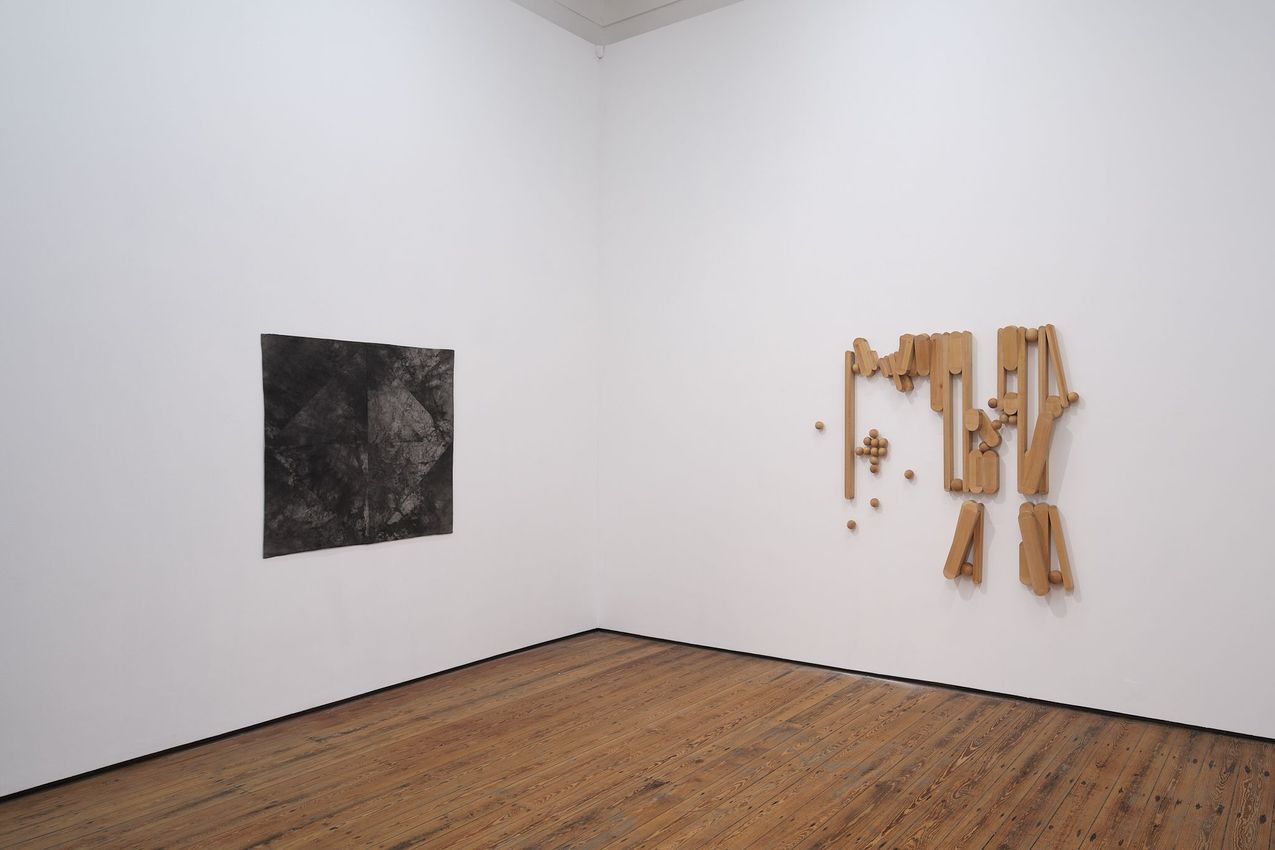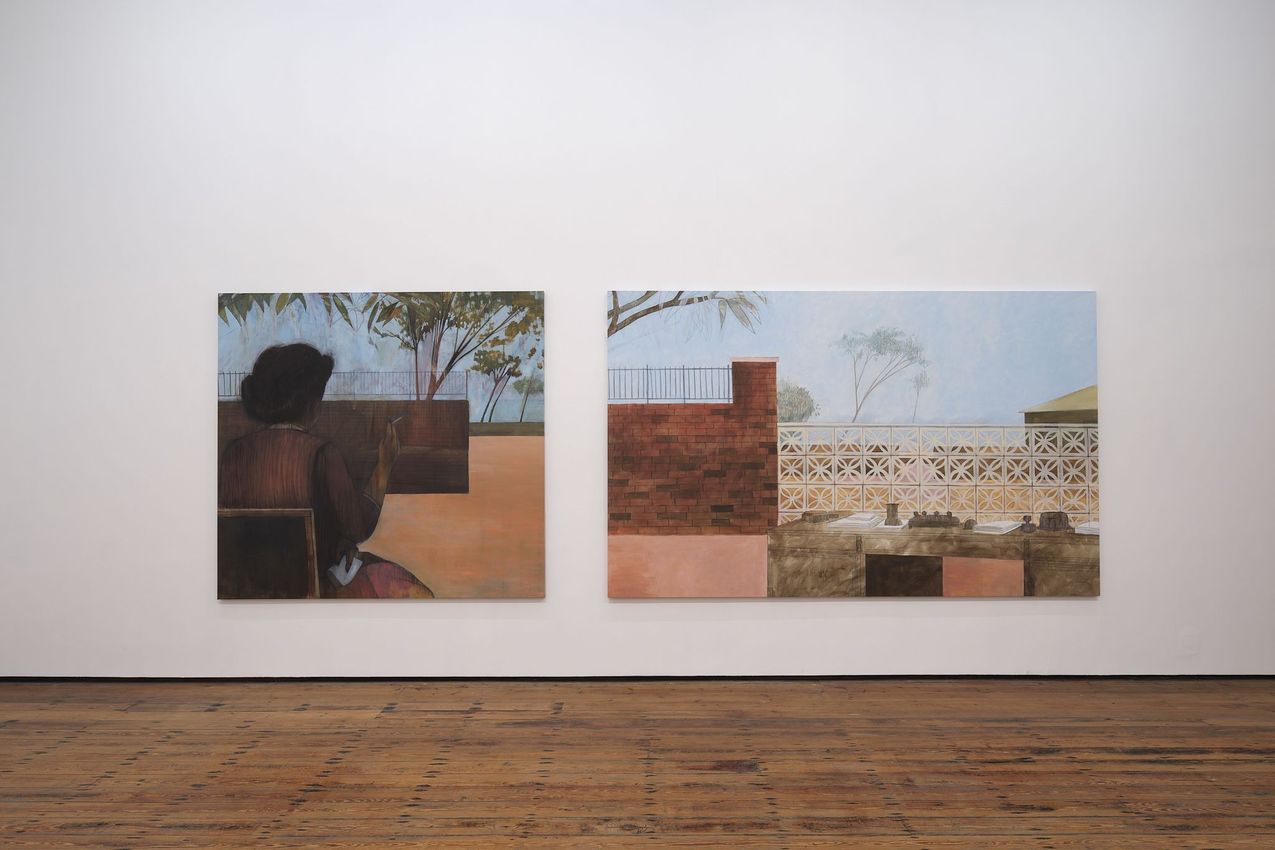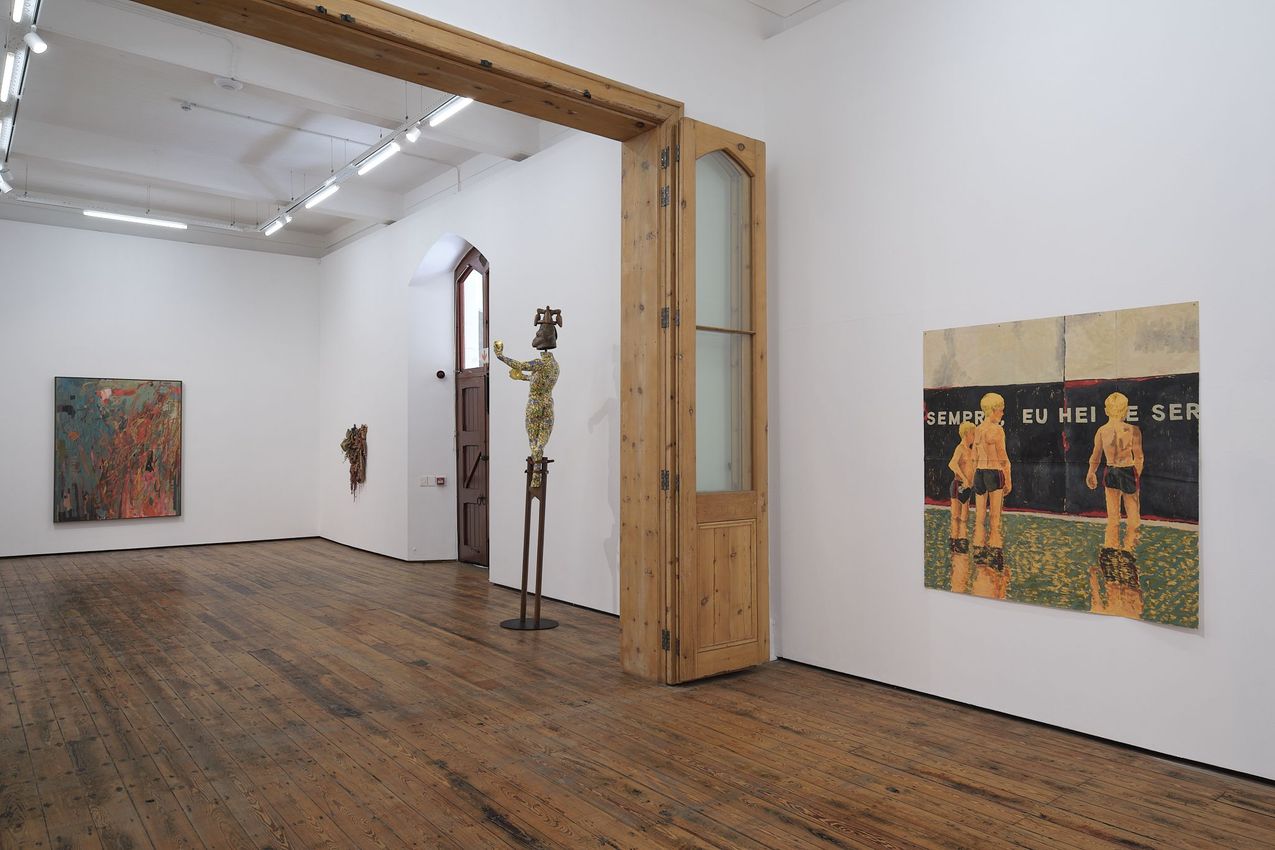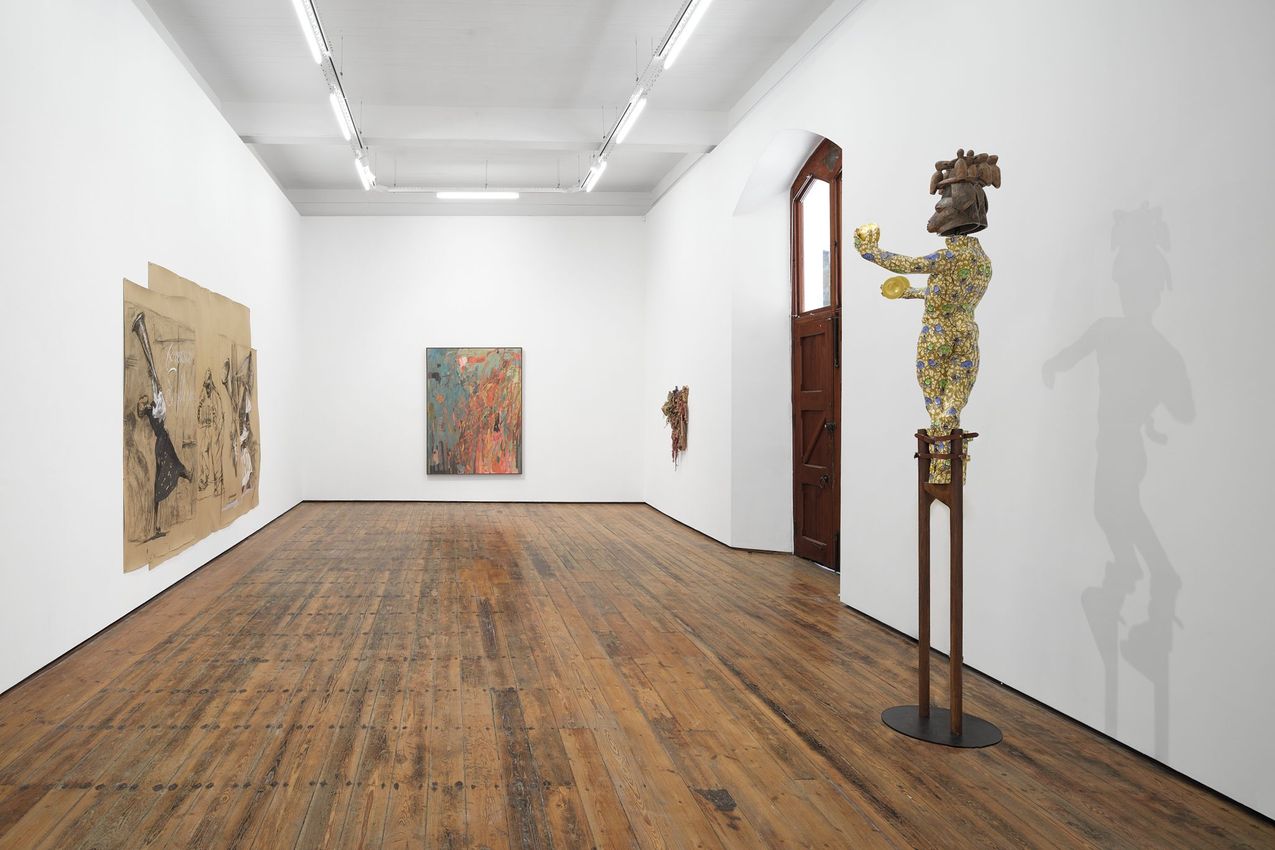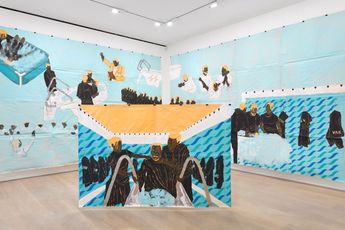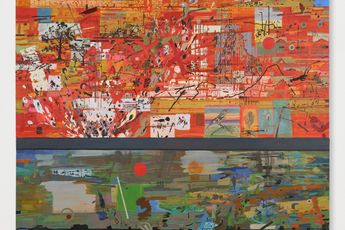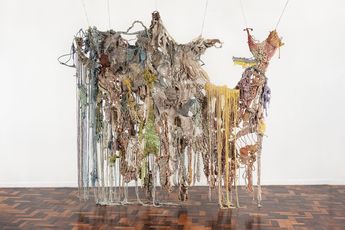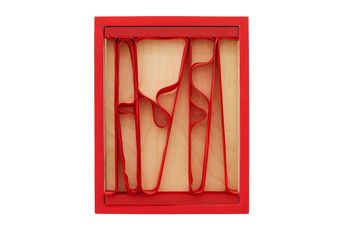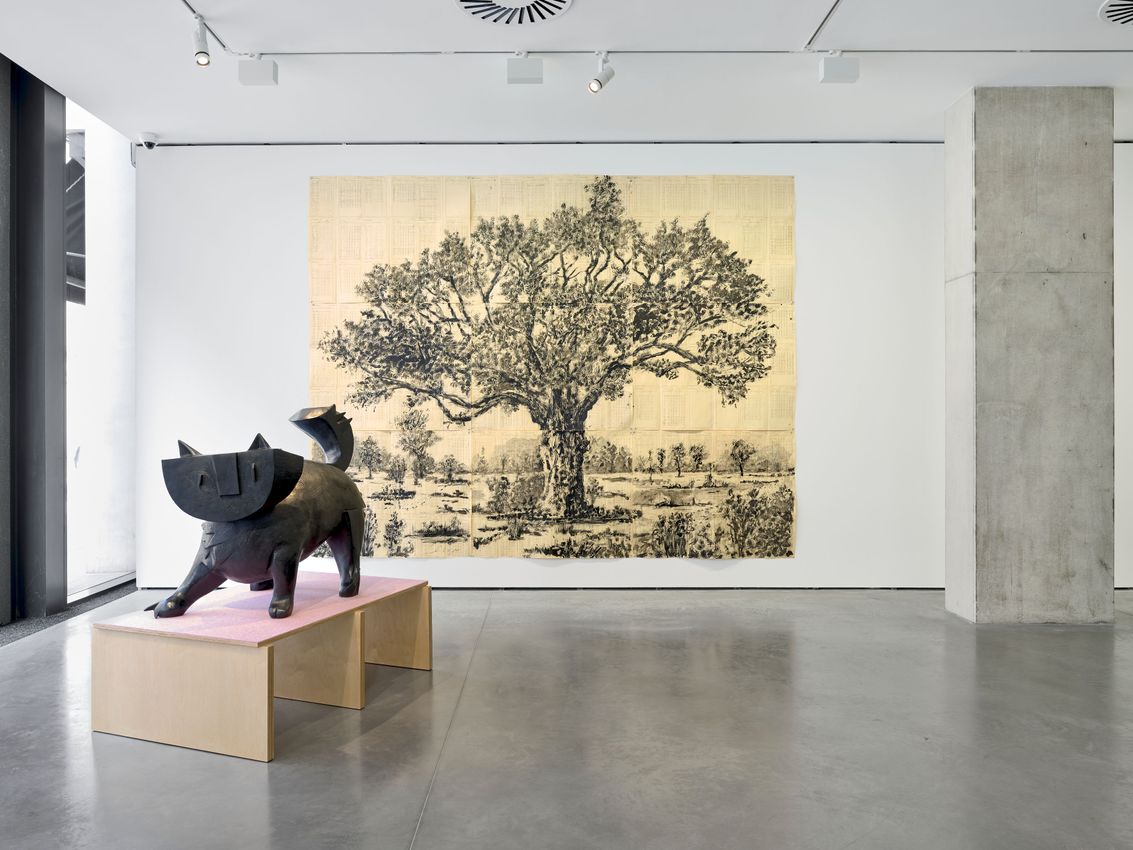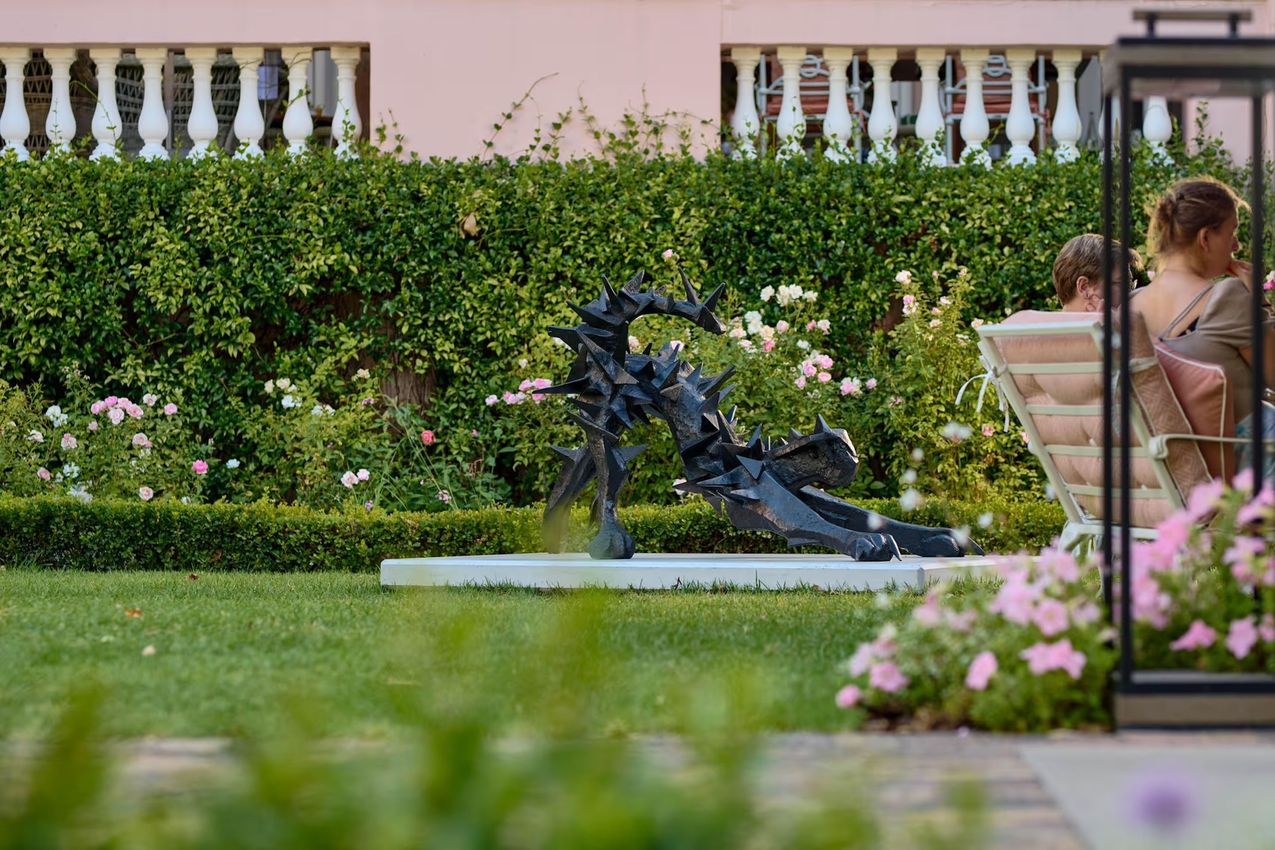




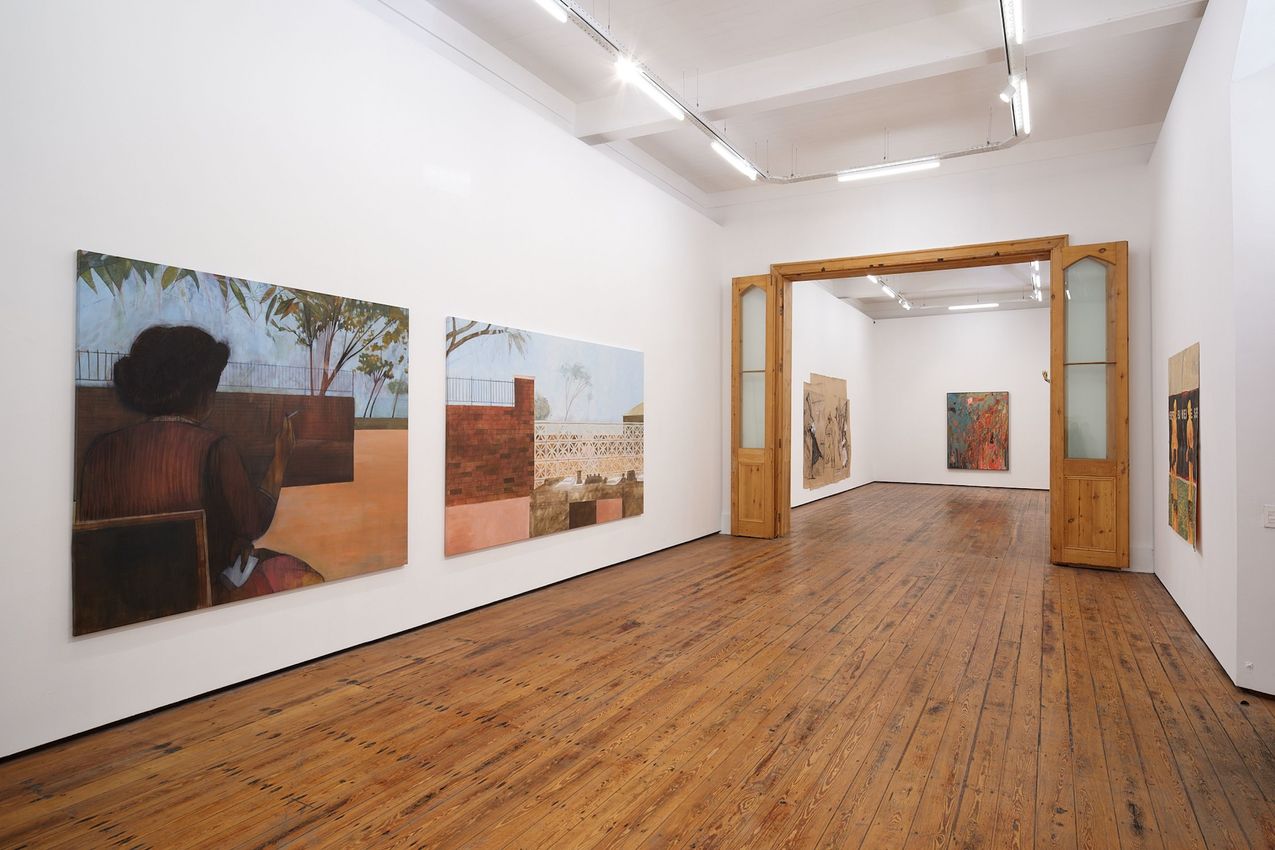
Goodman Gallery is pleased to present ‘Epigraph’, a group exhibition highlighting artists whose work traces the boundaries between what has been and what might yet come into being. The exhibition features emerging talent, artists new to the gallery programme and established names, enabling a cross generational engagement with memory, material and myth.
Pamela Phatsimo Sunstrum, William Kentridge, and Maxwell Alexandre approach narrative as a space of transformation, reimagining how stories might hold multiplicity and motion. For more than two decades, Sunstrum has developed a visual mythology populated by recurring figures who traverse overlapping geographies, temporalities, and philosophies. Her central protagonist, a chimerical traveller, embodies hybridity and becoming. The work inquires as to what might emerge when history is recast through imagination, proposing the act of storytelling as a radical gesture of resistance. Kentridge’s practice echoes this restlessness of form and thought. His drawings are built through acts of erasure and revision, allowing process itself to become the subject. The marks he leaves behind – traces of removal, redrawing, and hesitation – constitute a visual record of thinking. Alexandre extends this sense of motion into a collective register. His paintings of Rio de Janeiro’s social and spiritual life transform the figure into a vessel of community, rhythm, and affirmation. Together, Sunstrum, Kentridge, and Alexandre approach narrative not as resolution but as continuum, each locating the possibility of reworlding within the fluidity of becoming.
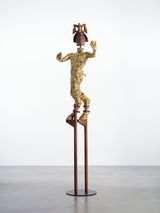
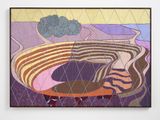
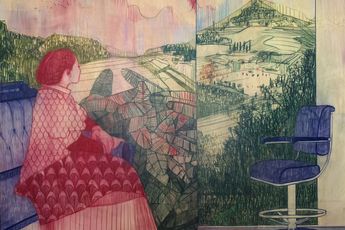
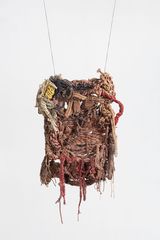
Clive van den Berg, Laura Lima, and Yinka Shonibare work through surface and atmosphere to reveal how histories are held in light, texture, and form. Van den Berg’s paintings dissolve landscape into air, transforming colour and gesture into carriers of memory. Lima extends this into sculptural form. Her wall-mounted work, drawn from the Brazilian folklore of Matinta Pereira, hover between object and apparition, woven and knotted into quiet, organic rhythms. Shonibare introduces theatre and critique into this dialogue. His Hybrid Sculpture (Satyr on Stilts) reimagines a classical figure through the prism of cultural hybridity, its batik-painted body poised in precarious balance. The work captures both the grace and instability of identity shaped through exchange and inheritance. Alongside it, his quilt Nature Works (Copper and Cobalt Mine, DRC) transforms the landscape genre into a meditation on extraction and consequence. In dialogue, these artists turn surface into a threshold, a site where beauty and vulnerability coexist, and where material becomes an archive of emotional and historical tension.
Kapwani Kiwanga and Unathi Mkonto ground these more ephemeral gestures in a language of structure and material. In Crockery, Kiwanga reinterprets the “Broken Dishes” quilt pattern once used on the Underground Railroad as a coded signal of safe passage. Composed of cotton treated with pigment and Atlantic saltwater, the work translates the ocean’s archive of forced migration into a tactile surface of endurance. The salt crystallises within the fabric, embodying the tension between rupture and resilience, abstraction and testimony. Through this quiet transformation, Kiwanga repositions craft as both knowledge and care. Mkonto’s minimalist constructions, assembled from industrial materials, echo this same impulse through architectural form. His structures balance precision and openness, suggesting spaces built not for habitation but for reflection. They propose architecture as an emotional act. Together, Kiwanga and Mkonto locate in material the possibility of repair, where form itself becomes an act of care and continuity.
Across these practices, Epigraph unfolds as a meditation on inscription and transformation. Each artist marks the uncertain surface of the present, working within states of flux, emergence, and renewal. Their works remind us that instability is not a failure of form but a condition of possibility. The fragment, the trace, and the gesture each become sites of potential, a way to imagine what might exist beyond loss or enclosure. In the context of our own moment, marked by displacement, ecological fragility, and the search for belonging, Epigraph offers not conclusions but beginnings. The works gathered here remind us that what is partial can still be generative, and that thresholds and edges are where new thought and new worlds take shape. They are inscriptions written in air, cloth, pigment, and steel, reminders that from within fracture and uncertainty, something else is always already forming.


Goodman Gallery is an international contemporary art gallery with locations in Johannesburg, Cape Town and London. The gallery represents artists whose work confronts entrenched power structures and inspires social change.

A respected voice in contemporary art discourse.
Focusing on ambitious storytelling and insightful art-world commentary. Ocula Magazine publishes in-depth interviews, critical essays and timely analysis on the artists, exhibitions and ideas driving the global art world.
Learn more about Ocula Magazine
Showcasing the best of the art world.
Ocula partners with galleries from around the world to highlight their artists, artworks and exhibitions. Gallery membership is by application and invitation, with each member vetted by an independent panel.
Learn more about Ocula Membership

Specialises in the sale of major artworks.
Led by a team with deep ties to the world’s leading auction houses, galleries and collectors. Ocula’s advisory team offers bespoke services to high-net-worth clients from around the world who are looking to acquire the best of contemporary and modern art.
Learn more about our team and services