





Japan’s Art Market on Upward Trend, Led by Domestic Buyers
Despite global declines, the Japanese art market has surpassed its pre‑pandemic levels, registering an 11 percent increase from 2019 to 2023. Save to My Ocula

Japan became Asia’s second largest art market in 2023, accounting for five percent of the region’s share, according to a recent report released by Japan’s Agency for Cultural Affairs and economist Clare McAndrew, who also wrote Art Basel and UBS’s Survey of Global Collecting in 2024.
In the latter, McAndrew tracked the collecting habits of 3,660 high-net-worth individuals in 14 art markets—including Japan, China, and the U.S.—from 2023 to 2024, including their event attendance, motives for collecting, and interactions with different sectors of the art industry.
The UBS report was commissioned within the context of a fluctuating and uncertain buying environment, with the global market declining by four percent in 2023. It concluded that despite challenges, the market was stabilising and there was increasing support for new galleries and emerging artists. It also found that collectors generally preferred to buy through dealers, followed by art fairs, and auction houses.
Building off previous findings, McAndrew’s recent study of the Japanese art market derives its estimates from transactions at auctions and the mid-to-upper tier dealer market within Japan, which account for 68 percent of sales by value in the Japanese art market. Figures include the sales on antiques and exclude direct sales and third-party transactions, which make up 12 percent of sales in Japan.
Based on the report, there is reason to be optimistic. The Japanese art market saw an 11 percent increase in value from 2019 to 2023, outperforming the global average of one percent, and surpassing more established art markets in the U.S. and U.K., which saw respective declines of 3 and 11 percent. Both countries, alongside China—which holds an 80 percent stake in Asia—comprise 77 percent of the international art market, with the U.S. share the largest at 42 percent. Conversely, the Japanese market reflects a modest one percent of global sales.
In Japan, domestic buyers accounted for 84 percent of transactions, with a minority of galleries selling overseas. Galleries and dealers generated 68 percent of total sales, with the majority located in Tokyo and the Kanto region. While aggregate dealer sales dropped nine percent year on year, smaller dealers, with an annual turnover under 500,000 USD showed growth.
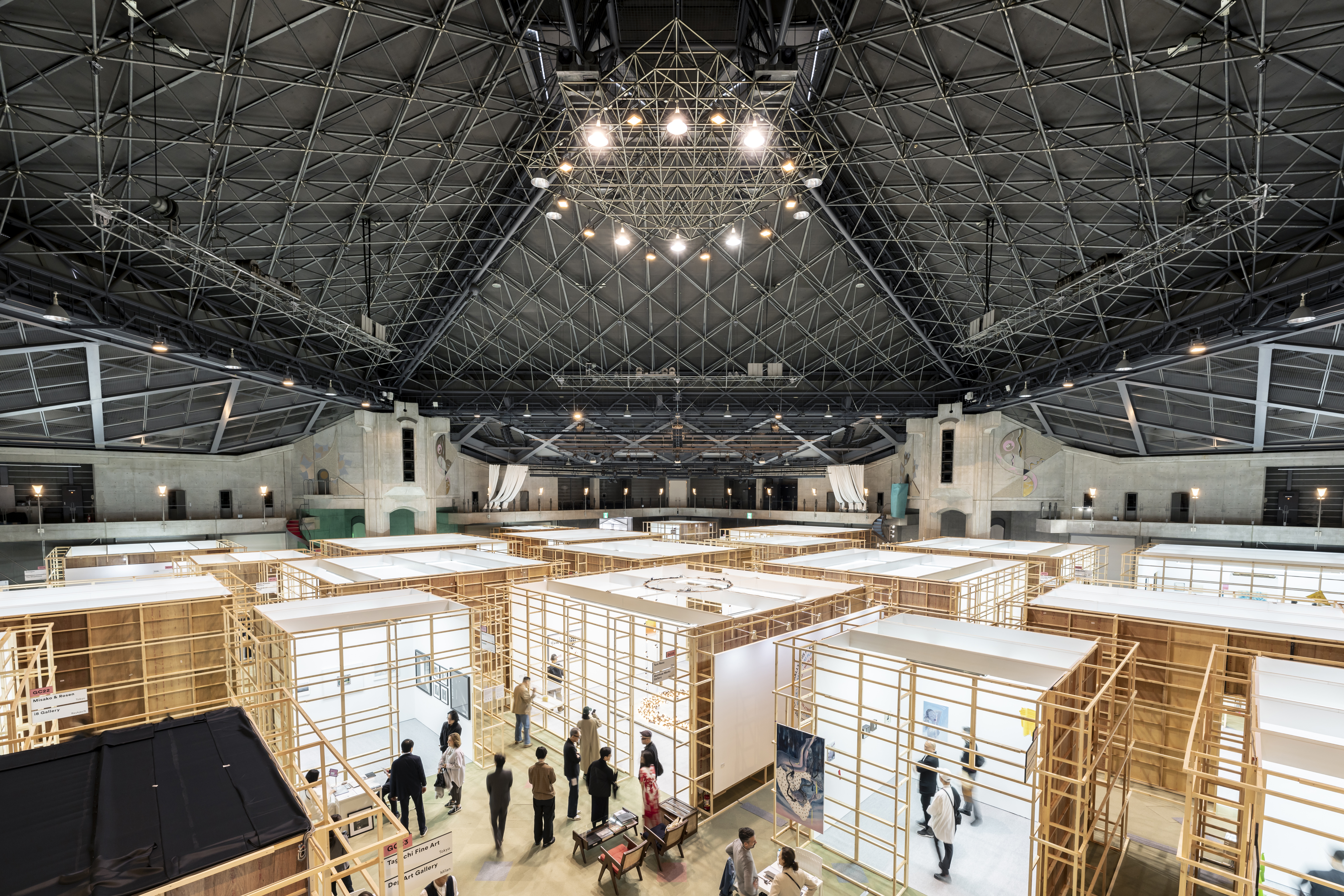
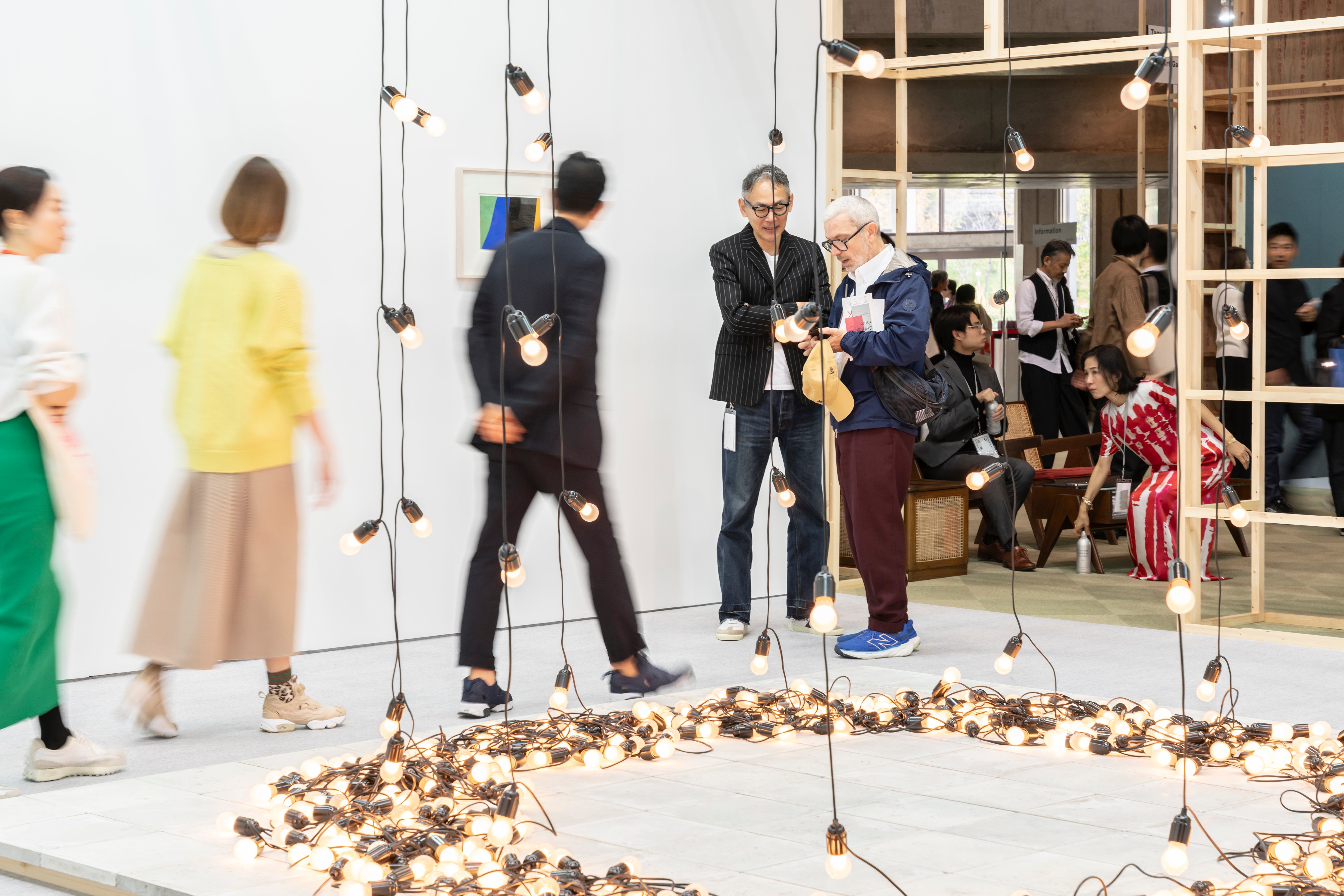
A significant preference for in-person buying was noted, with gallery sales accounting for 74 percent of purchases, compared to 44 percent globally. Art fairs made up ten percent of total sales, around one third of the global average, while online sales accounted for a mere five percent, compared to 20 percent globally.
The average amount sold by dealers was 1.9 million USD. The median was 562,000 USD, and just under half of galleries surveyed reported sales of less than 500,000 USD in 2023. Galleries with sales totalling more than ten million USD, which accounts for four percent of those surveyed, dropped by 16 percent.
Japan remained the second largest centre in Asia for millionaires in 2023 and the fifth largest globally. Its billionaire population, however, accounts for only one percent of the global average, with the U.S. leading with 29 percent in 2024. While Asia as a whole saw an increase in the number of collectors listed on Artnet’s top 200 globally, those in Japan fell by half from their peak in 1990.
At domestic auctions, prices for contemporary Japanese artists like Yayoi Kusama more than halved compared to larger markets like New York, where her work has achieved 9 million USD, McAndrew noted. However, older artists, like Tsuguharu Foujita, tend to fare better.
Auction houses in Japan also operate at lower price points. The average work at fine art auctions hammered at 6,200 USD compared to 43,330 USD globally in 2023. Works valued above 1 million USD accounted only for 0.03 percent of sales, and 91 percent of lots sold for under 10,000 USD.
In Japan, art auctions are also more general, McAndrew explained, with blue-chip artworks rarely sold alongside other high value works, which can bring prices up.
Accounting for the global art market’s ebbs and flows, McAndrew said billionaire wealth shot up during the pandemic, keeping the market afloat with investments on the higher end. While last year saw more transactions, they occurred at lower levels in the market, bringing the totals down.
This lower price point is a good thing, according to the economist, as it encourages new buyers to enter the market. The older generations still hold the largest collections, but might be ‘maxed out’, she noted. —[O]
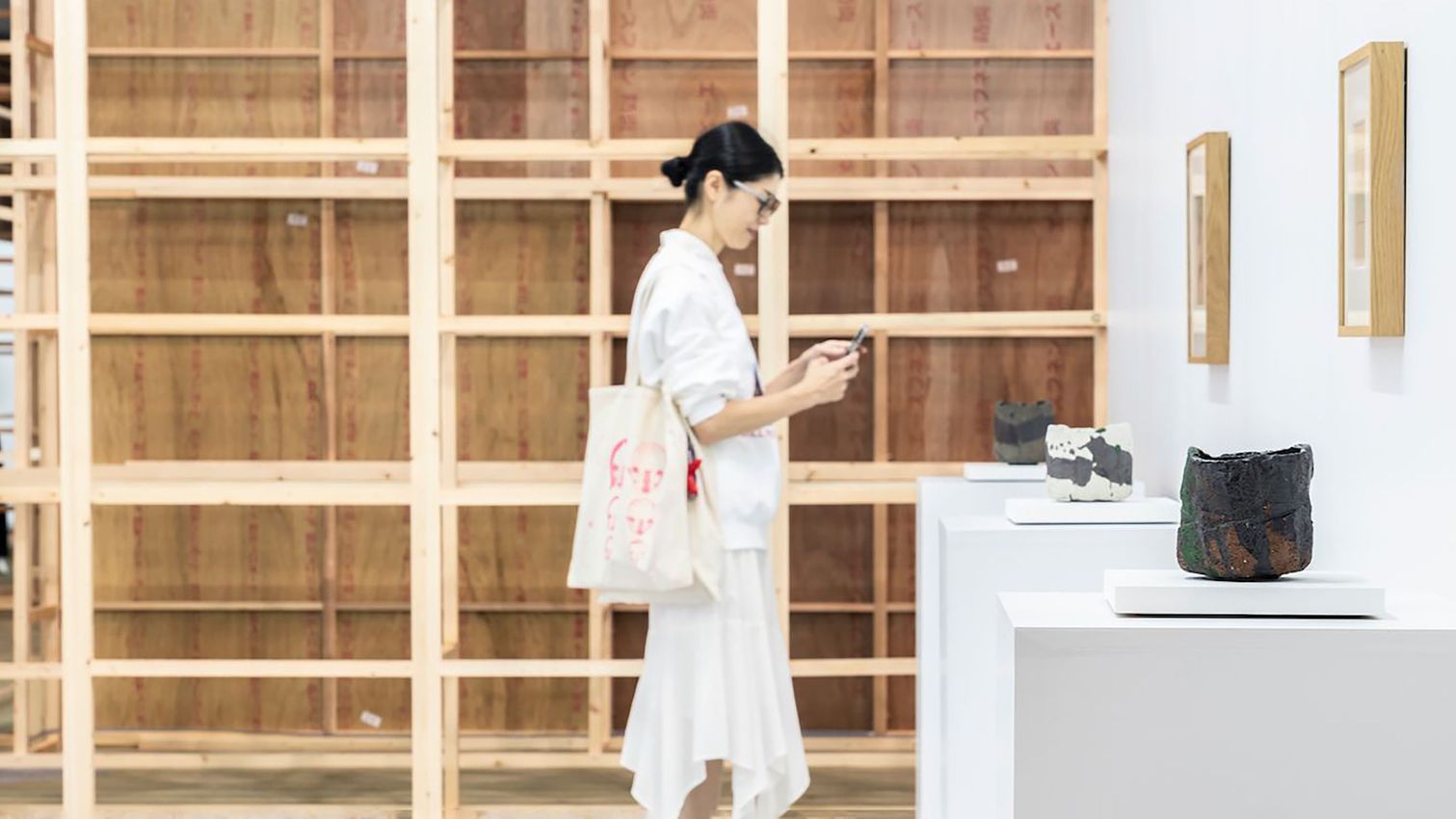
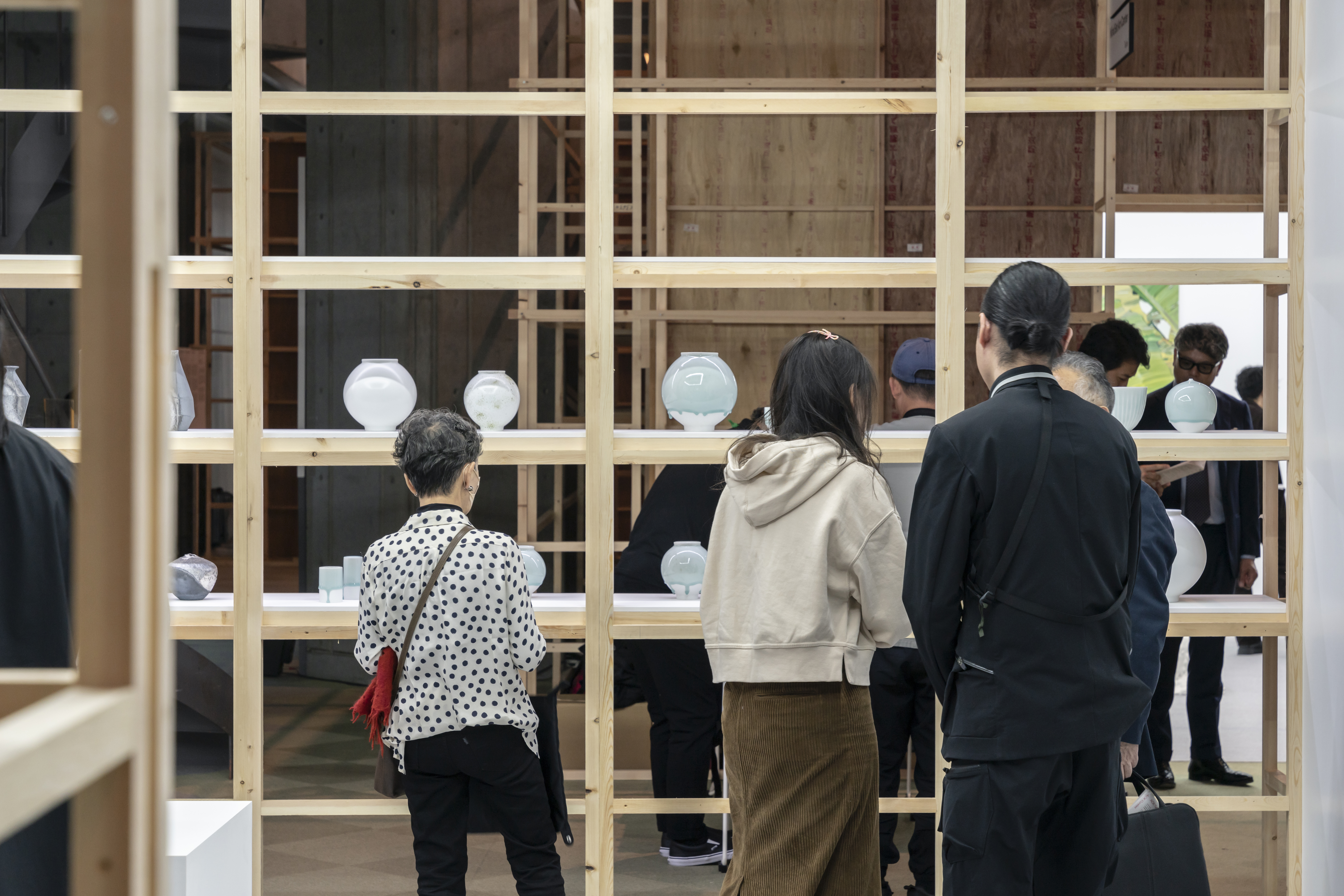
Main image: Exhibition view: Mitochu Koeki Co.-Annely Juda Fine Art, Art Collaboration Kyoto (1–3 November 2024). Courtesy ACK. Photo: Moriya Yuki.










A respected voice in contemporary art discourse.
Focusing on ambitious storytelling and insightful art-world commentary. Ocula Magazine publishes in-depth interviews, critical essays and timely analysis on the artists, exhibitions and ideas driving the global art world.
Learn more about Ocula Magazine
Showcasing the best of the art world.
Ocula partners with galleries from around the world to highlight their artists, artworks and exhibitions. Gallery membership is by application and invitation, with each member vetted by an independent panel.
Learn more about Ocula Membership
Specialises in the sale of major artworks.
Led by a team with deep ties to the world’s leading auction houses, galleries and collectors. Ocula’s advisory team offers bespoke services to high-net-worth clients from around the world who are looking to acquire the best of contemporary and modern art.
Learn more about our team and services