
The art world in focus
Subscribe to our newsletter for news and insights on artists, galleries and exhibitions.
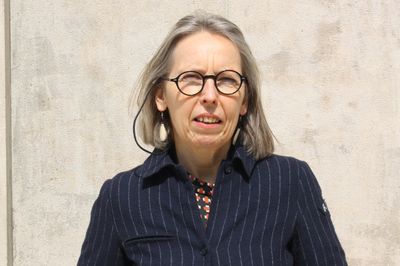
Odile Burluraux. Photo: Elsa Blanchard.
As curator at the Musée d’Art moderne de Paris (MAM) since 1990, Odile Burluraux has organised solo and group exhibitions at the museum and beyond to bring compelling and rarely seen examples of contemporary art to France.
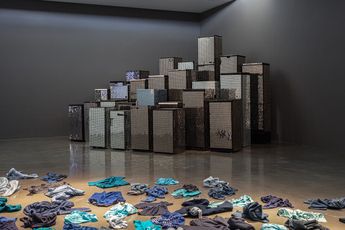
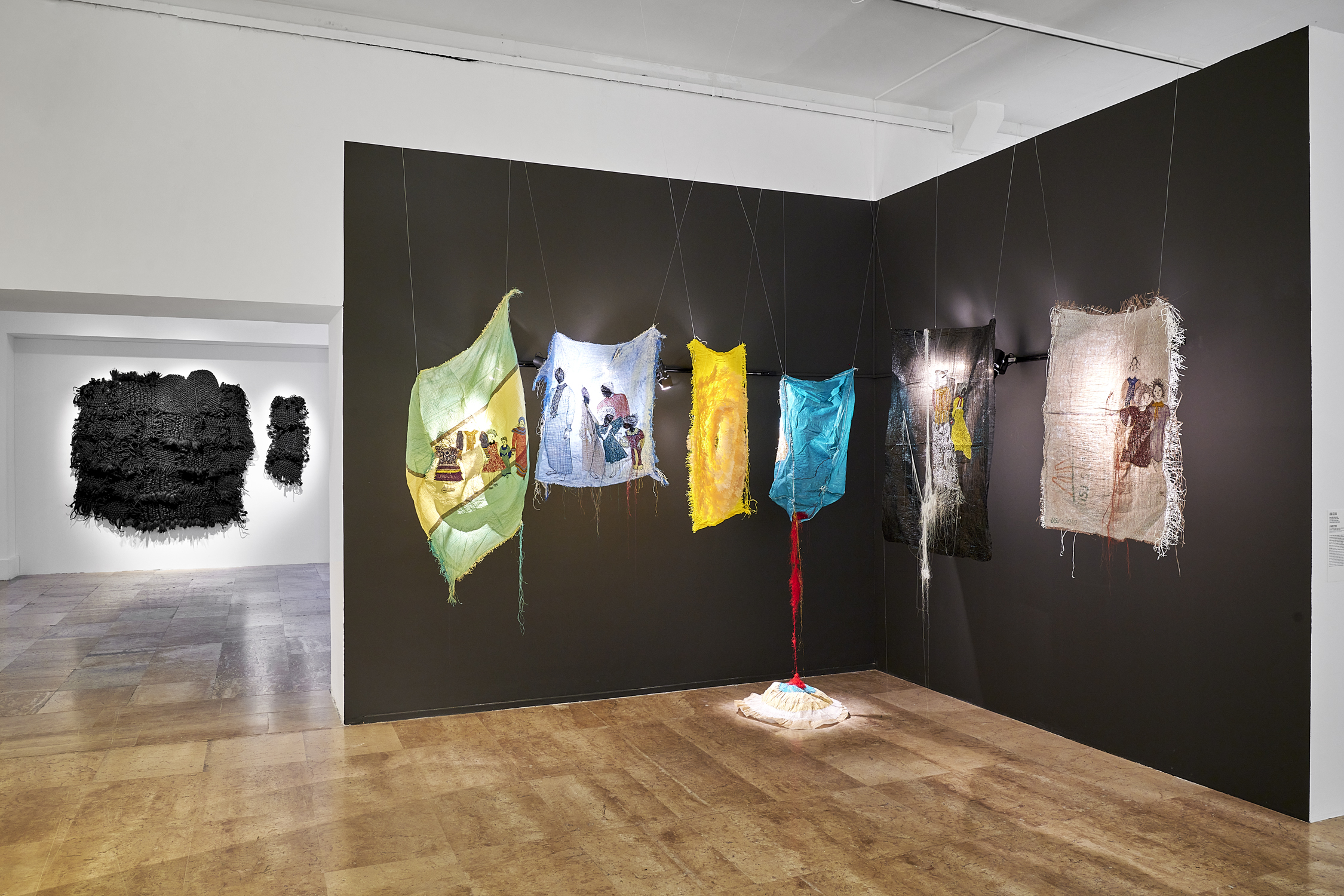
The Power of My Hands (19 May–22 August 2021), among Burluraux’s latest exhibitions at the MAM, was organised in collaboration with Angola-based independent curator and writer Suzana Sousa to show works by 16 women artists living on the African continent or in the diaspora. Including Stacey Gillian Abe, Gabrielle Goliath, Senzeni Marasela, and Portia Zvavahera, it considered the various explorations of concerns that have long followed women’s lives, such as the female body, self-representation, sexuality, motherhood, beliefs, and empowerment.
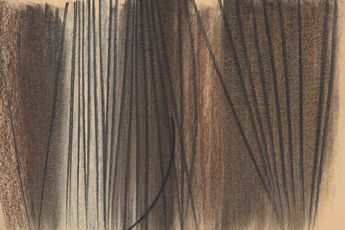
Burluraux was also behind Hans Hartung‘s major retrospective exhibition La Fabrique du Geste in 2019, a project with assistant Julie Sissia, that brought together 300 works by the artist for the first time in Paris since 1969.
In 2009, Burluraux organised a major exhibition that showcased MAM’s video collection overseas. Produced in partnership with the French Institute of China in Chengdu, Entre Temps, L’artiste narrateur – Une décennie d’art français vidéo dans les collections du Musée d’Art moderne de la Ville de Paris focused on the art of the past two decades with works by Adel Abdessemed, Kader Attia, Christian Boltanski, Julien Discrit, Dominique Gonzalez-Foerster, Douglas Gordon, Camille Henrot, and Philippe Parreno, among others. The exhibition travelled to São Paulo, Rio de Janeiro, St Petersburg, and Shanghai, before completing its journey in Chengdu in 2014.
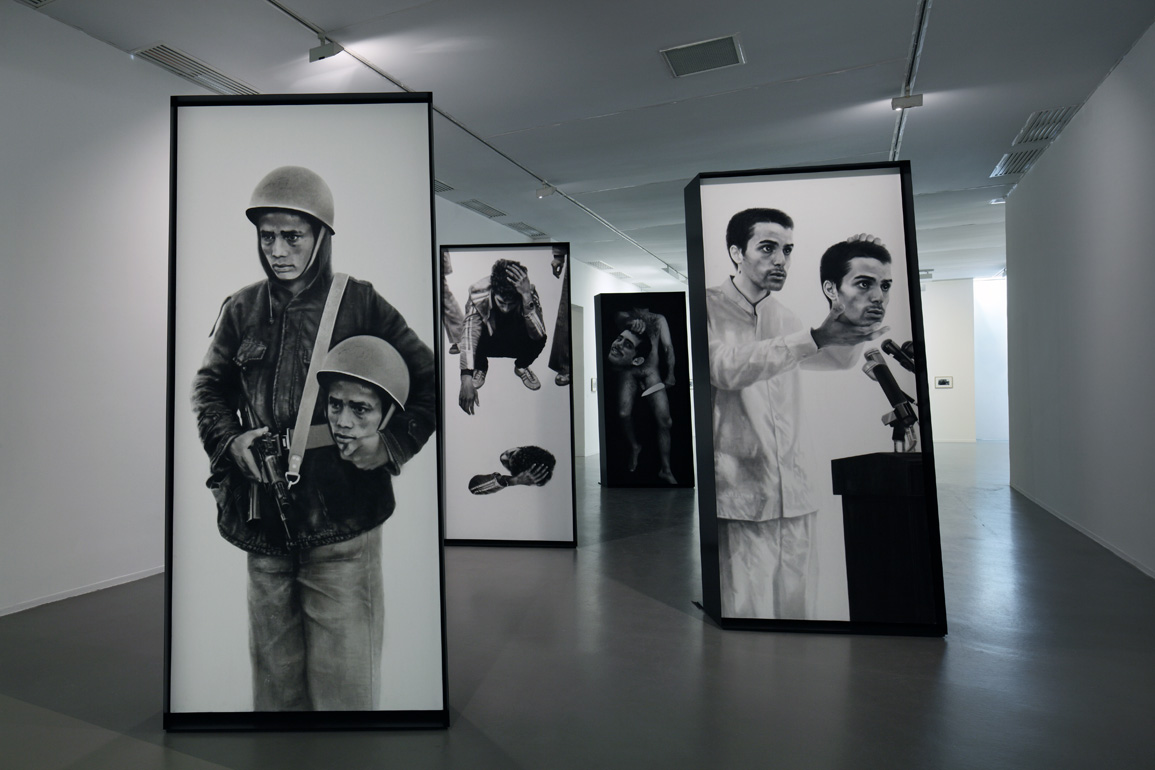
The year 2014 also saw Burluraux co-curate UNEDITED HISTORY – Iran 1960–2014 alongside Catherine David, Morad Montazami, Narmine Sadeg, and Vali Mahlouji, first shown at the MAM and later at Rome’s MAXXI – National Museum of 21st Century Art, that surveyed paintings, films, and photographic works from artists who were active in mid-century Iran and younger generations of Iranian artists. UNEDITED HISTORY, which included Morteza Avini, Mazdak Ayari, Bahman Kiarostami, and Tahmineh Monzavi, followed another exhibition of modern and contemporary Iranian art—titled Iran Modern—that took place at New York’s Asia Society the previous year.
Since then, Burluraux has engaged with contemporary Iranian galleries and artists. In 2020, she was on the selection committee for the third edition of the Teer Art Fair, a recent arrival in Tehran dedicated to the promotion of modern and contemporary Iranian art. This was followed by Video at Large, a presentation of 12 video installations and projections from the collection of the Musée d’Art moderne, Paris, shown at Argo Factory, Pejman Foundation, Tehran (2 July–16 September 2021).
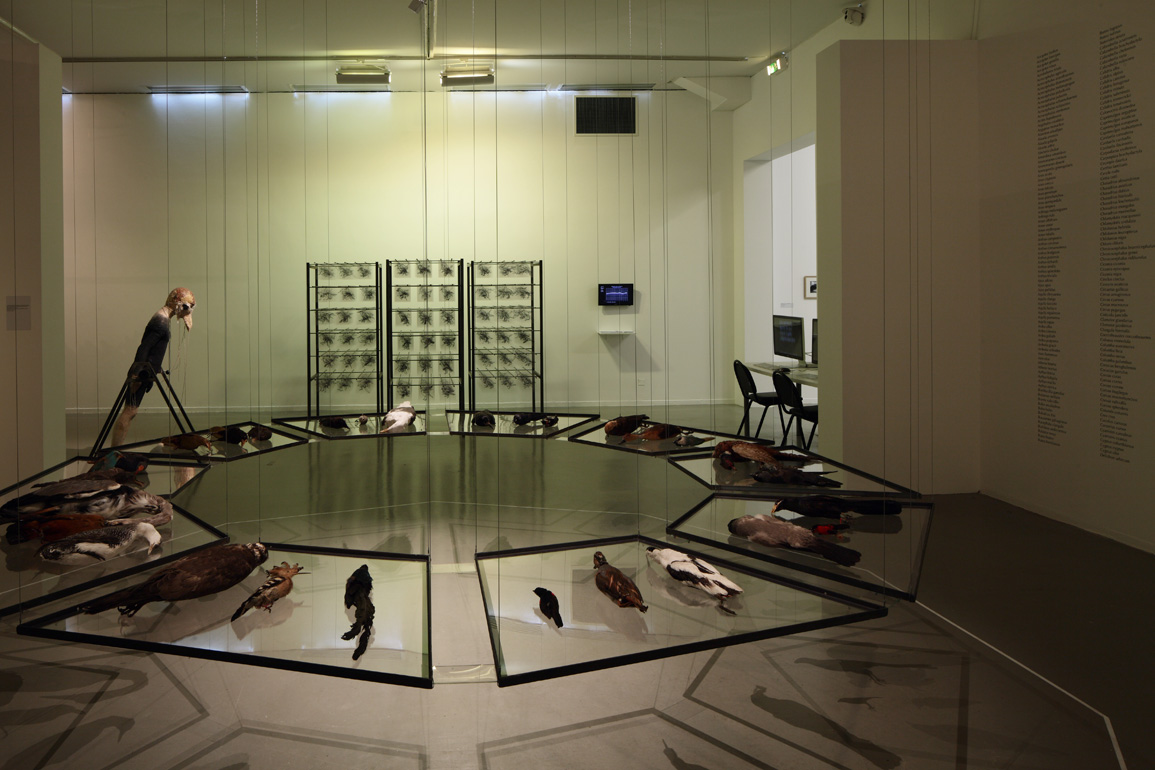
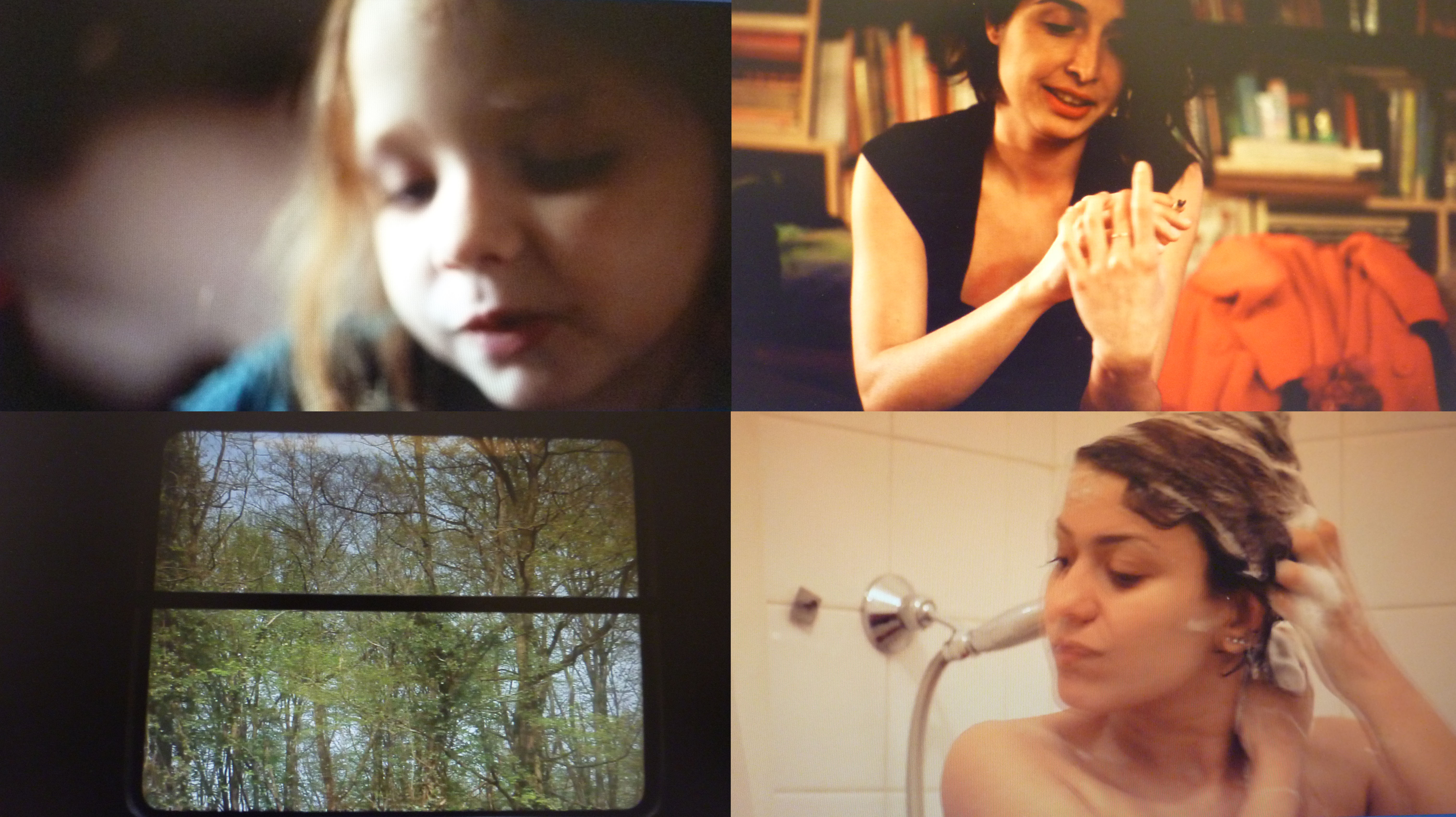
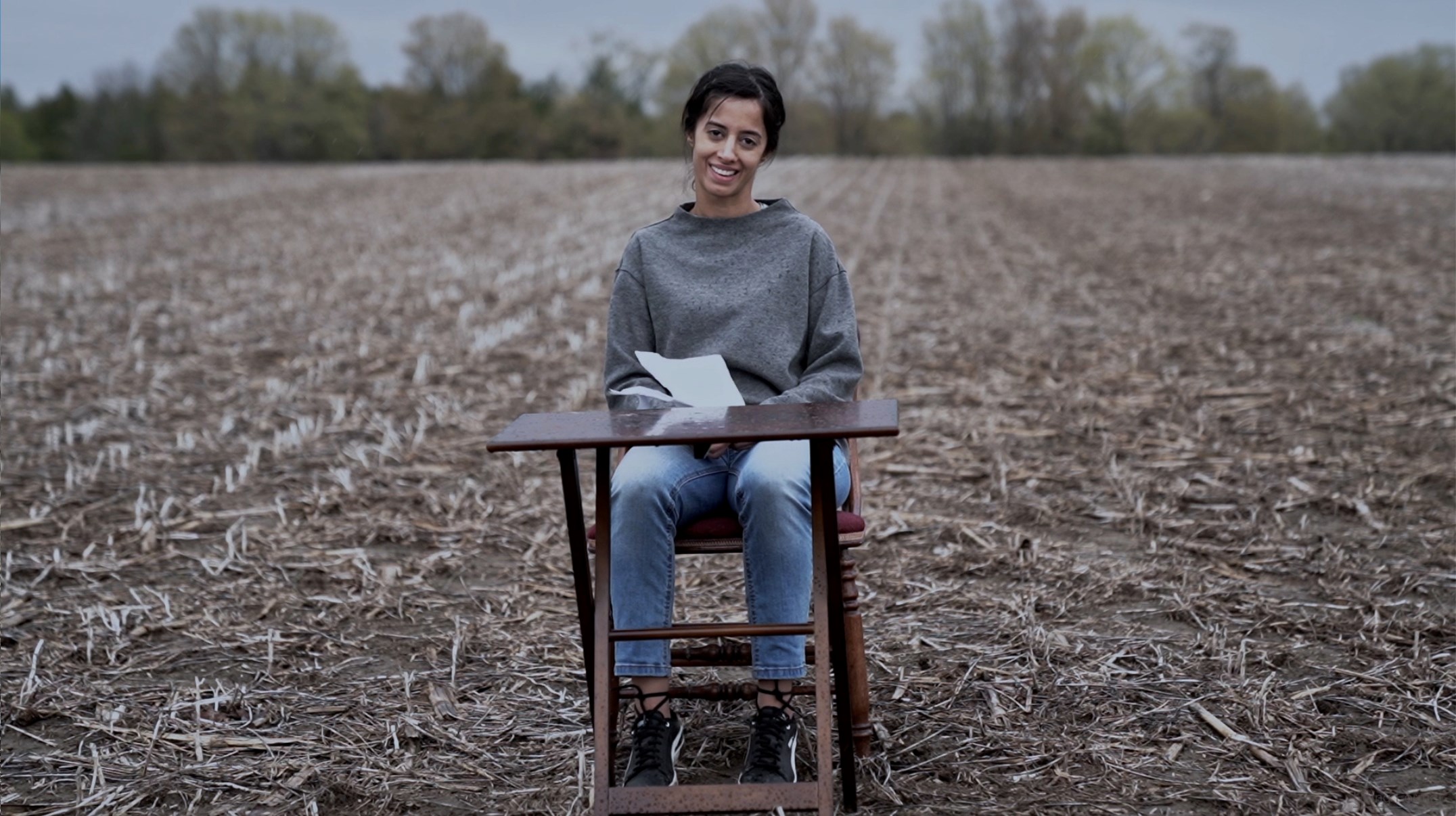
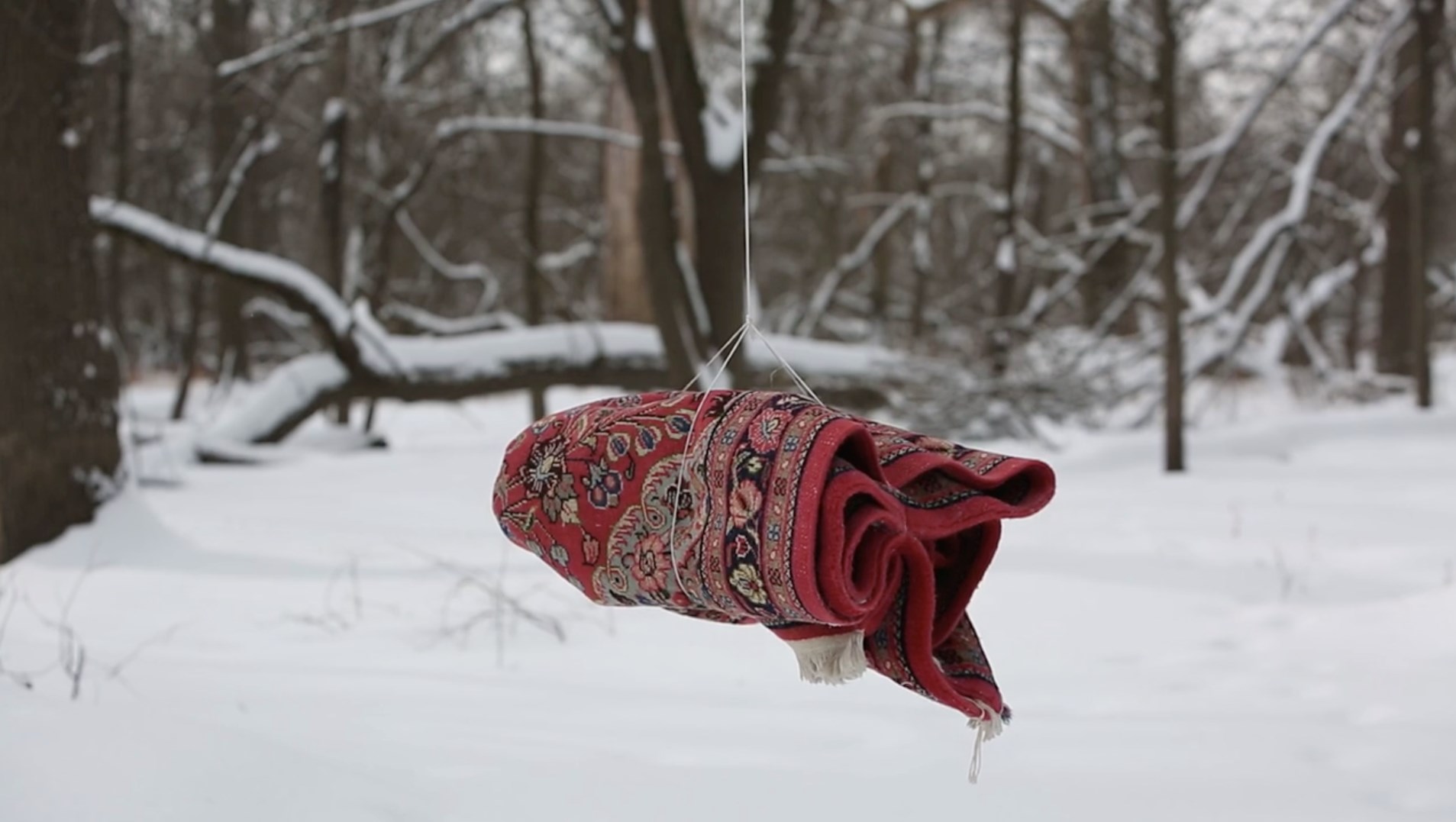
This year, with ASIA NOW (21–24 October 2021) featuring galleries from Iran for the first time, Burluraux has curated a special programme of video works by ten women artists from Iran (Atousa Bandeh Ghiasabad, Samira Eskandarfar, Parisa Ghaderi, Elika Hedayat, Anahita Hekmat, Shiva Khosravi, Tahmineh Monzavi, Melika Shafahi, Rojin Shafiei, and Sanaz Sohrabi). Entitled Burning Wings, it examines the artists’ approaches to subjects of identity, migration, and female subjectivities, as well as history and power structures through the medium of film.
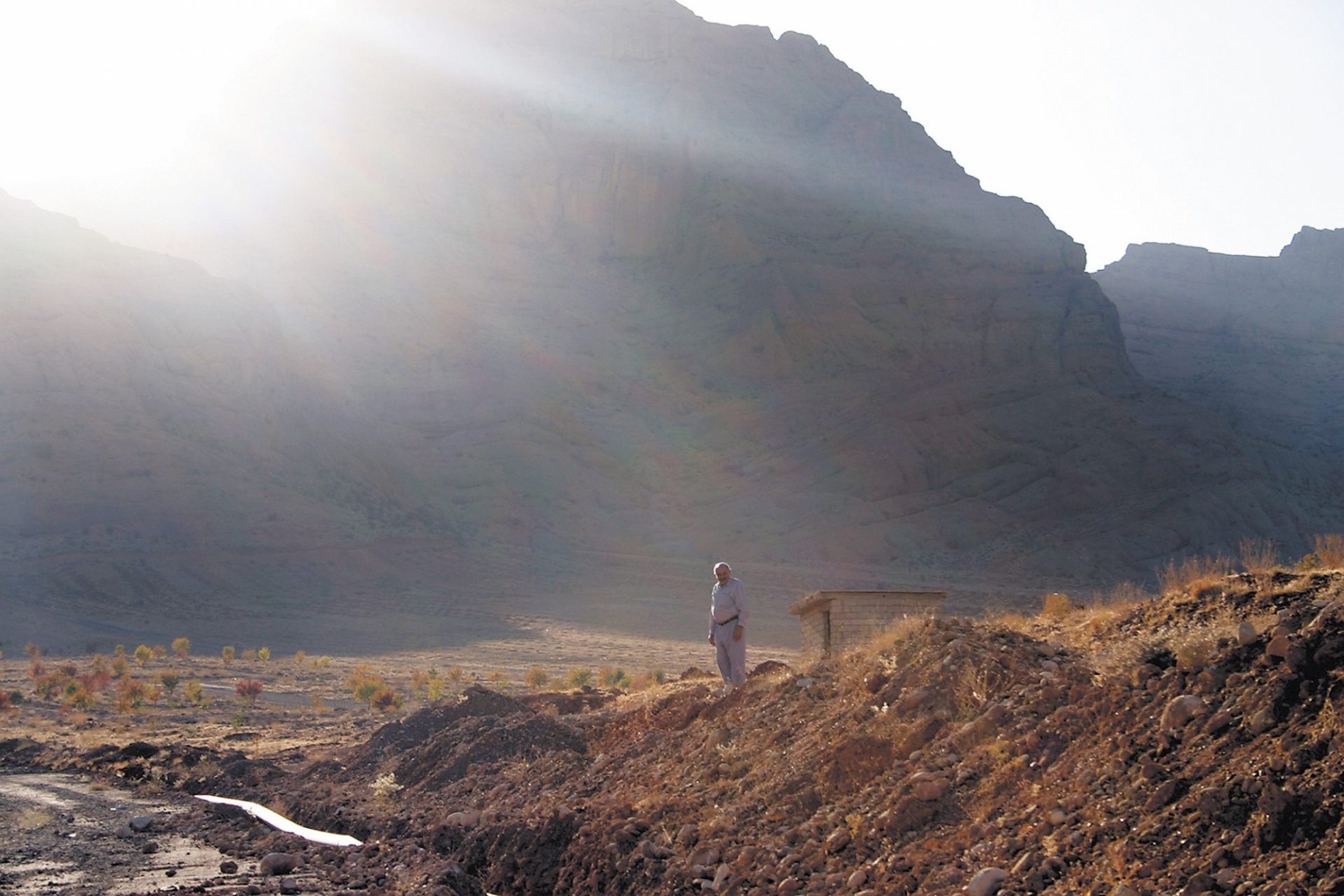
Among the works on view are Tahmineh Monavi’s documentary films centred on the young generation of women in Iran and Anahita Hekmat, whose works explore the relationship between the site and memory. In this conversation, Burluraux discusses Burning Wings, her engagement with Iranian art, and her past projects and collaborations.
OB: I grew up in a family that loves art and I always wanted to work in a museum. I started as an intern at the Musée d’Art moderne de Paris and became involved in exhibitions right away. The first exhibition I curated by myself was in 1995 with the musician Arnold Schoenberg’s paintings.
OB: Curating wherever you are invited to do it means conceptualising a way of bringing together works of art and contributing to the public’s reception of them. It needs to be made with respect for the artists and with concern for viewers’ access to them.
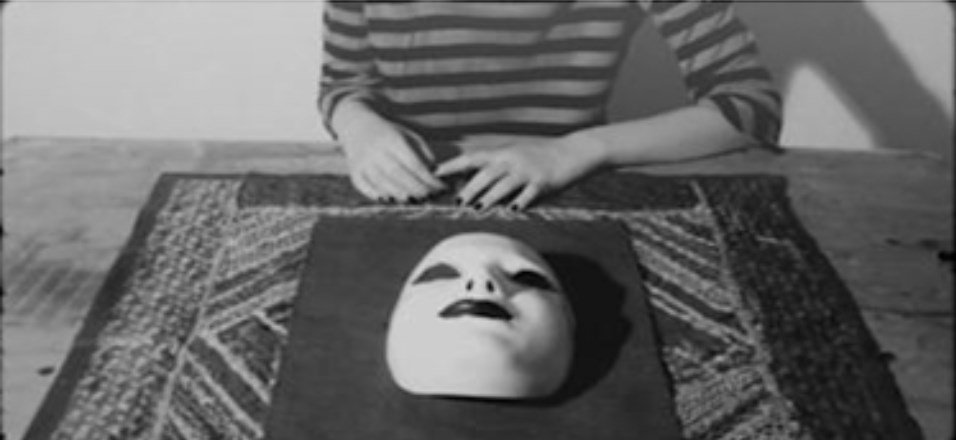
OB: I was invited by the director of ASIA NOW to do a programme with video artists from Iran, as I had done for Chinese animation artists and also for Korean video artists. The main difference is that the programme is running in a specific space on loop, which is a great opportunity to watch ten videos in a row.
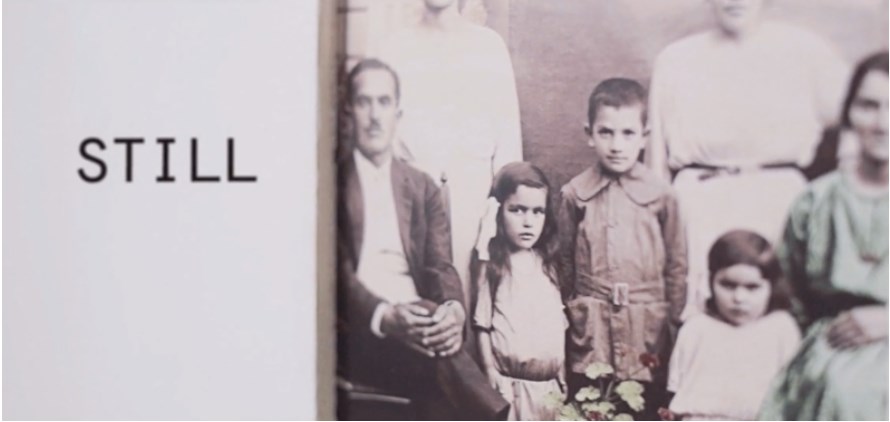
OB: I thought I would dedicate this programme to her memory, as I learned about her in 2013 when I was travelling to Tehran in order to prepare the exhibition UNEDITED HISTORY at the Musée d’Art moderne.
“Curating wherever you are invited to do it means conceptualising a way of bringing together works of art and contributing to the public’s reception of them.
I found out about her incredible life—her rebellion, writings, and profound poems that echo with today’s situations. Her strong and powerful film The Dark House (1962), which is about a house for lepers and their conditions of life, is striking.
While she is a feminist hero in Iran, she is not so well known in France. Recently, I also discovered her position on women’s emancipation and empowerment, and I would like more people to know about her short but inspiring career.
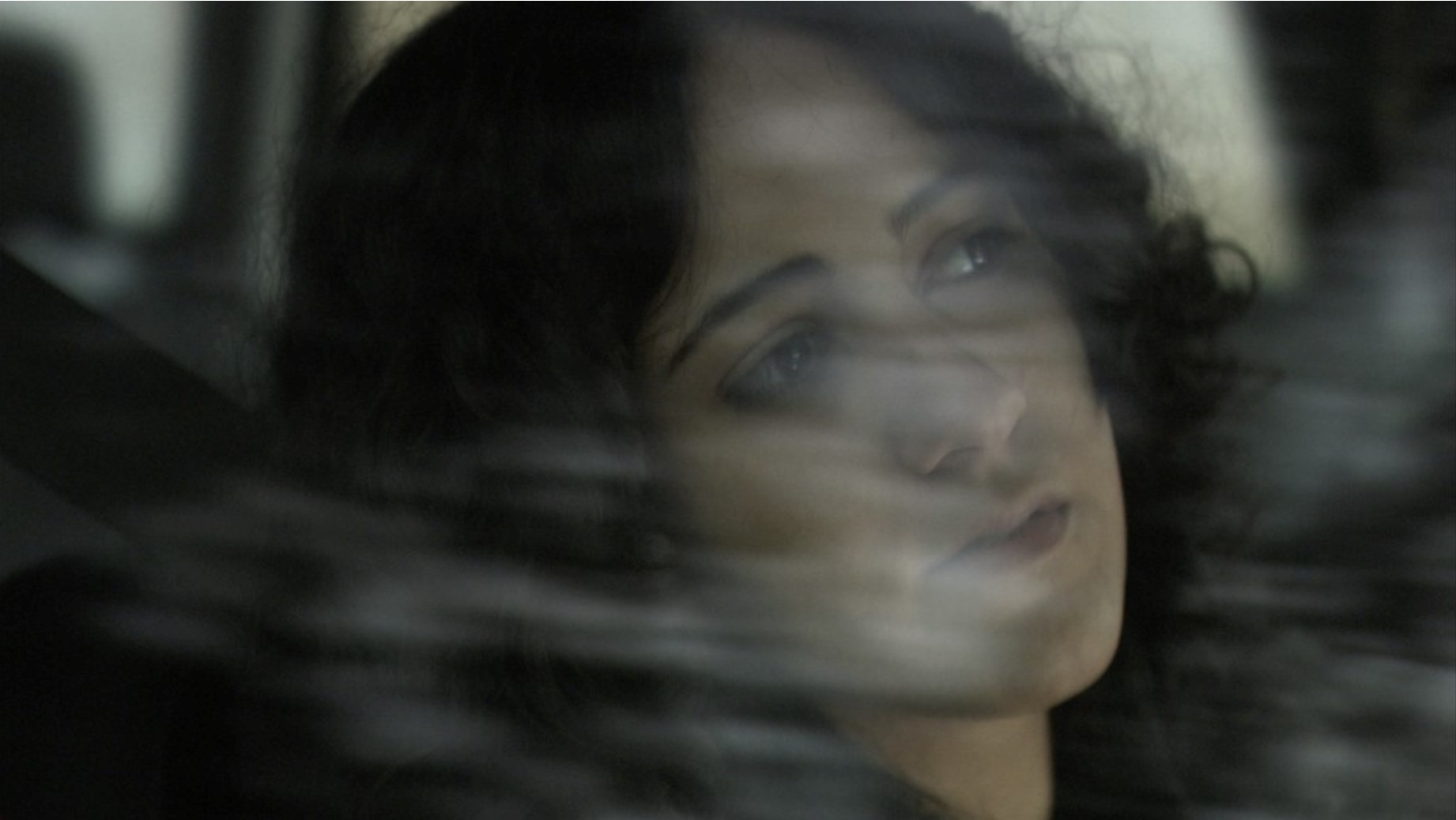
OB: After having watched videos by a great number of artists, I only selected a few of them, as the programme couldn’t be too long unfortunately. The women artists living in Iran or in the diaspora address in their video works a trend of personal and intimate narratives that takes on a more militant tone over time.
They seek to record fragments of their thoughts, memories, feelings, and contradictions. They confront history, the evocation of exile, transgression, and the question of relationships to power or to social and religious norms.
Some artists are living in the diaspora and the exile can sometimes be heavy to bear. Others live in Tehran and adapt their production to their context, others travel a lot and live between places and also need to make sure they remain free in their displacement.
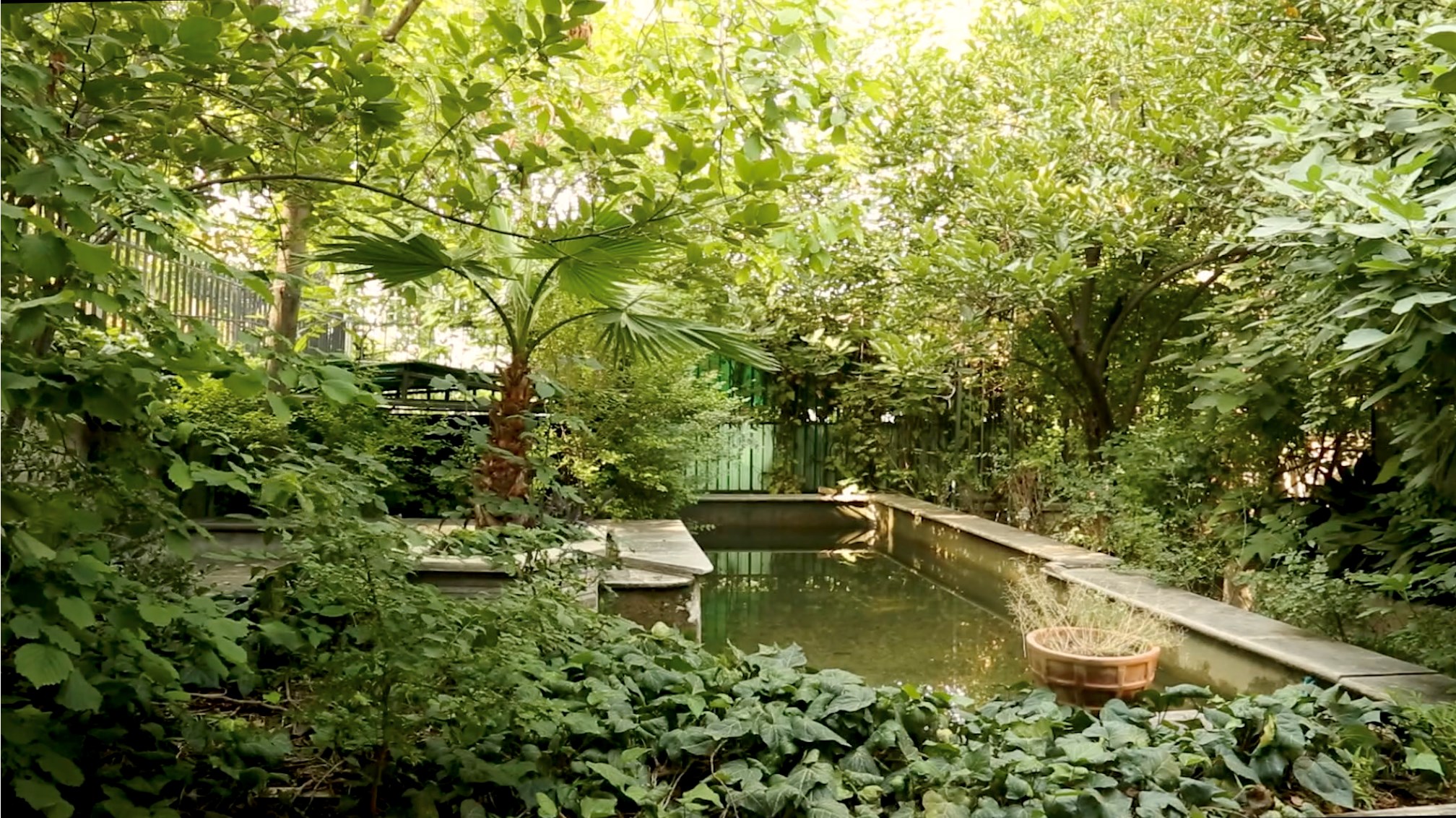
OB: I don’t think it is meant to point to the fact there is no study on photography or cinema in Iran, because there are numerous incredible art historians or art critics who did study and publish on those subjects.
On the contrary, what is lacking is more research on video in Iran or by Iranian artists. Viewers will certainly understand the personal situation of the artists and the context in which they produce their works.
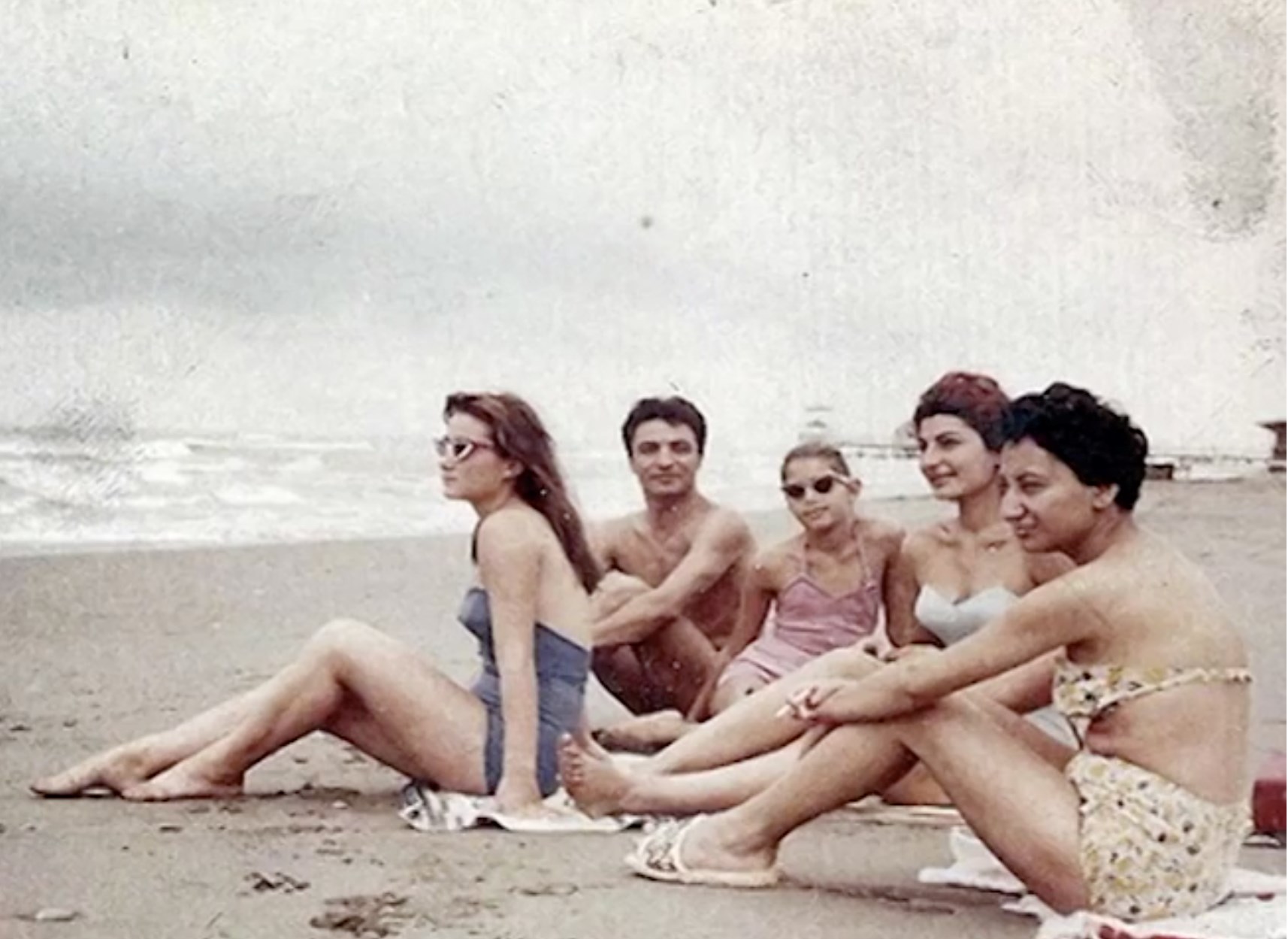
OB: It is a very important moment for ASIA NOW to not only look at East Asia, but to other parts that people don’t necessarily consider as part of Asia.
Galleries are very active in Iran. They organise exhibitions, publish books, open windows for discussion and spaces for reflections and dreams, and so on.
OB: The exhibition was a huge enterprise gathering several curators, all with links to Iran: Catherine David, Morad Montazami, Narmine Sadeg, and Vali Mahlouji.
The curation was complicated because of lack of time and information. We tried to access some archives and it was fascinating. The consequences of the show were impressive for the artists and their visibility. It changed some artists’ lives, as it created opportunities for them.
For this programme, the main hope is to give visibility to the artists and to open a discussion on their works.
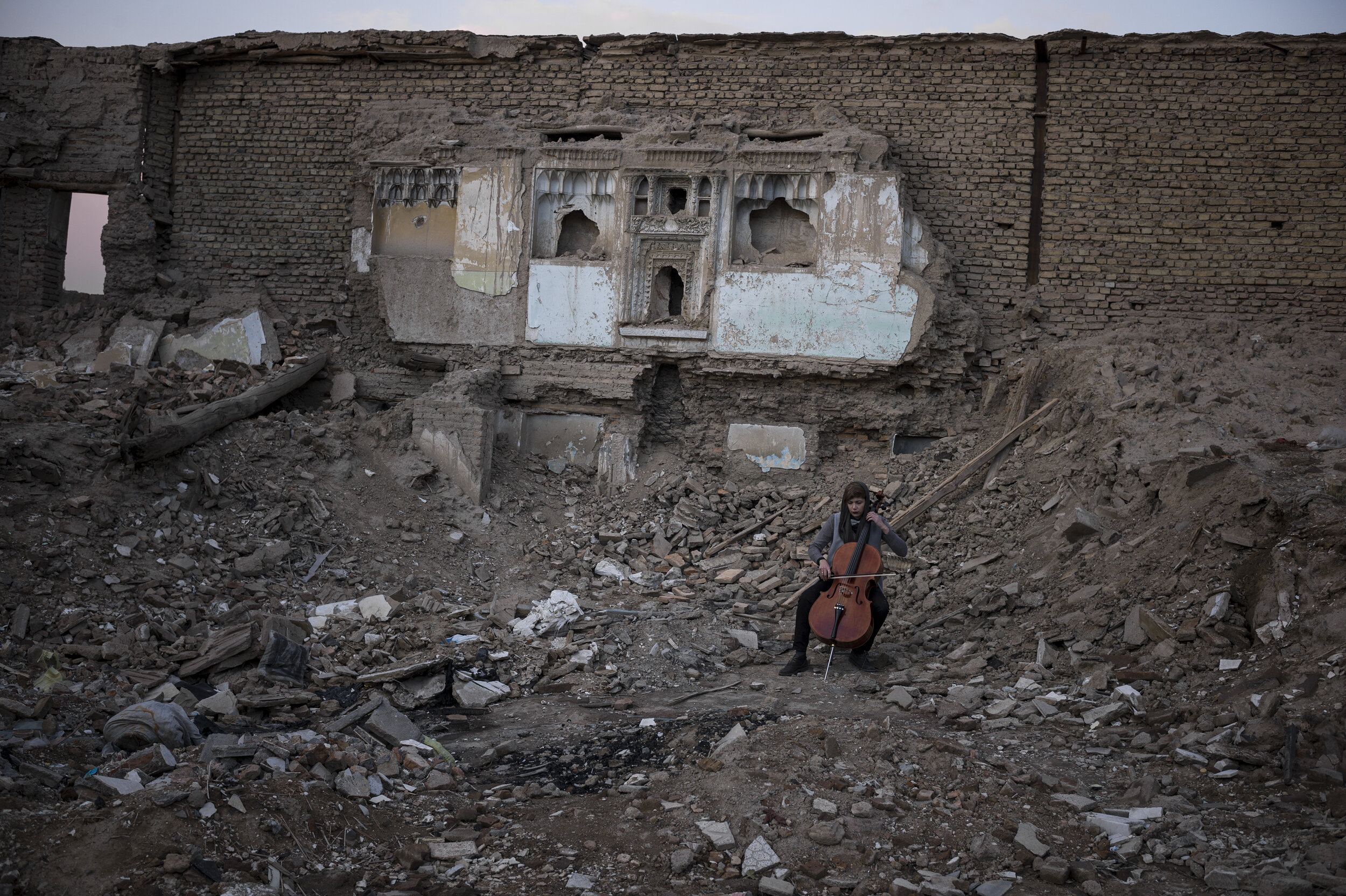
OB: Working as a duo was a great experience. We did not know each other at all before I invited her to co-curate the exhibition in the frame of the Africa 2020 season. We spent a lot of time talking on Zoom and WhatsApp.
“The women artists living in Iran or in the diaspora address in their video works a trend of personal and intimate narratives that takes on a more militant tone over time.
We did the installation without her in January 2021, and she followed the most important moments of the hanging of the works online. It was a very productive and fruitful collaboration. There is a lot of mutual respect as well as a desire to enrich one another.
OB: Artists are always showing new ways of making art. In the new technological developments, they are able to see what can be done and developed. I am always admiring how they can leave a comfort zone to explore new territories.
Concerning TikTok or Snapchat, I have not followed their developments very precisely, but I do not feel it will be so relevant for artworks as it has been for general attitudes. Making art is also about giving space to time.
OB:
I think major video exhibitions like Matthew Barney‘s in 2002 or Ryan Trecartin’s in 2011 were big steps for the museum, in terms of showing video art in overall environments. Steve McQueen’s solo show in 2003 was also clearly an important moment.
Concerning the history of exhibitions at MAM, I would mention L’hiver de l’amour in 1993, which brought new ways of showing art and living an exhibition, Passions privées in 1995 which was dedicated to private collectors, or Histoires de Musées in 1989, where artists were invited to invade any space of the museum and relate to the collections. There are so many...
OB: The next project is the new hanging of contemporary collections in spring 2022. I am also working on a digitalisation of the video collection while preparing a catalogue of the works.
The next big project is a co-curated exhibition on Arab modernity that will take place in 2024. I am motivated by new geographical or historical explorations and look forward to being able to travel to study archives and meet artists. —[O]
A respected voice in contemporary art discourse.
Focusing on ambitious storytelling and insightful art-world commentary. Ocula Magazine publishes in-depth interviews, critical essays and timely analysis on the artists, exhibitions and ideas driving the global art world.
Learn more about Ocula Magazine
Showcasing the best of the art world.
Ocula partners with galleries from around the world to highlight their artists, artworks and exhibitions. Gallery membership is by application and invitation, with each member vetted by an independent panel.
Learn more about Ocula Membership
Specialises in the sale of major artworks.
Led by a team with deep ties to the world’s leading auction houses, galleries and collectors. Ocula’s advisory team offers bespoke services to high-net-worth clients from around the world who are looking to acquire the best of contemporary and modern art.
Learn more about our team and services