



ANDY WARHOL
1928-1987, United StatesAndy Warhol was a leading figure in the American Pop Art movement, renowned for exploring consumer culture, mass media, and celebrity. Working across painting, printmaking, photography, film, and sculpture, he reflected the commonplace imagery of mid-century American popular culture and advertising in numerous iconic artworks.
Andy Warhol’s Early Life and Education
Born in Pittsburgh, Pennsylvania, on 6 August 1928 as Andrew Warhola, he was the youngest of three sons in a family of Carpatho-Rusyn immigrants. He studied pictorial design at the Carnegie Institute of Technology (now Carnegie Mellon University), graduating in 1949. That same year, he moved to New York City to pursue a career in commercial illustration, quickly gaining recognition for his distinctive, linear drawing style.
How Andy Warhol Became a Pop Artist
Before becoming a full-time artist, Warhol had a successful career as a commercial illustrator, working for major publications such as Vogue, Harper’s Bazaar, Glamour, and The New Yorker. His first solo exhibition was at Hugo Gallery in New York in 1952, and in 1956 he was included in his first group show at the Museum of Modern Art, New York. This period laid the groundwork for his later Pop Art practice, as he translated the visual language of advertising and fashion illustration into fine art.
Pop Art, Silkscreen, and The Factory
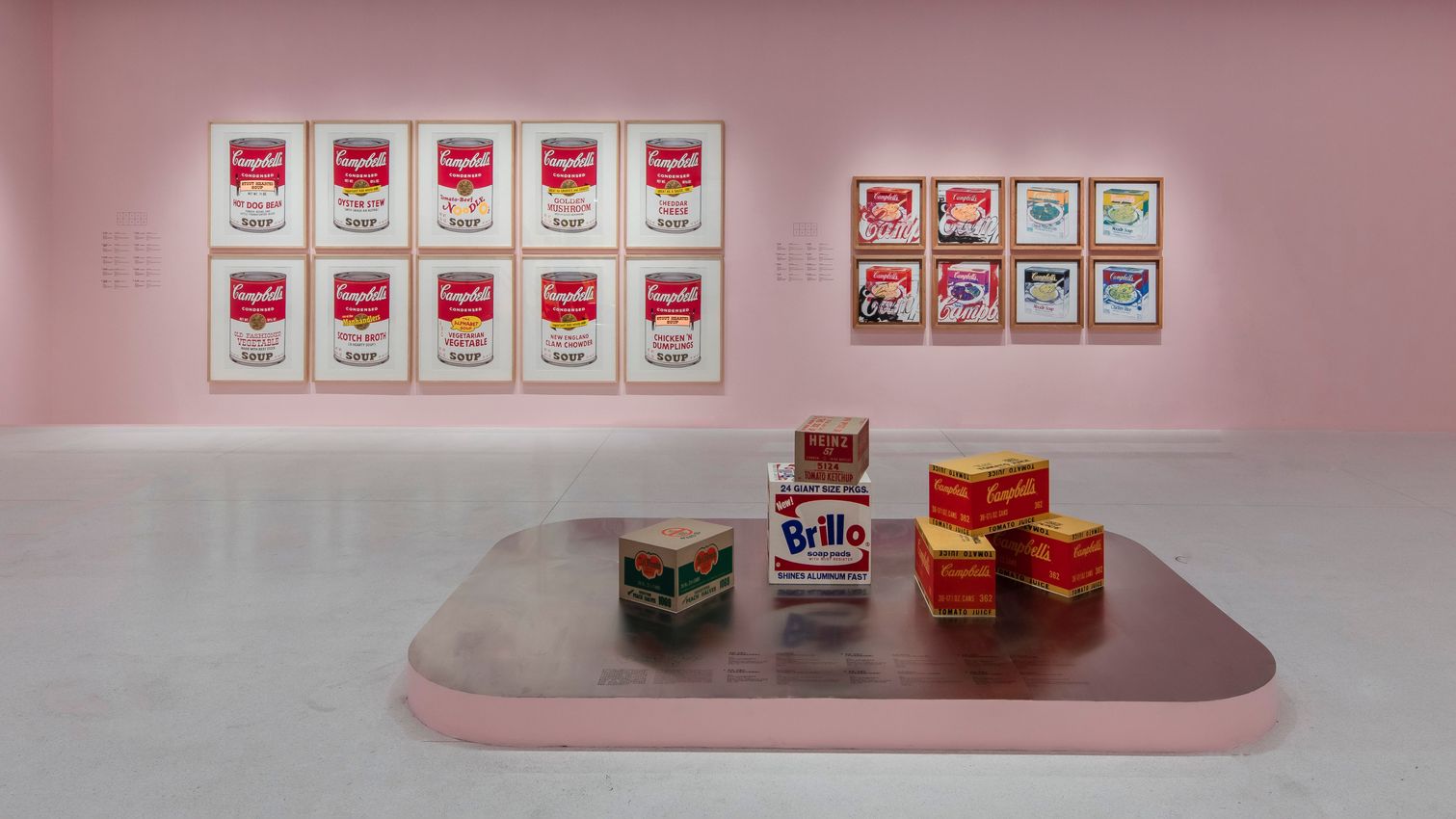
Warhol rose to prominence in the early 1960s with groundbreaking paintings and screen prints such as Campbell’s Soup Cans (1962), his dollar bill paintings (1961–62), and Coca-Cola bottle works (early 1960s). His signature silkscreen process enabled the repeated production of images, mirroring the mass production that defined supermarket shelves, print media, and advertising at the time. In the same decade he established his New York studio, ‘The Factory’, a creative hub that attracted a diverse group of artists, musicians, writers, and performers and became a key site for artistic experimentation, particularly in film.
Warhol’s approach to cinema was similarly detached and repetitive, seen in works such as Sleep (1963) and Empire (1964–65) (often dated 1964), which explored duration, surveillance, and the mundane. His interest in seriality and automatism paralleled contemporaneous experiments by composer John Cage and writer William S. Burroughs, situating his work within broader avant-garde practices.
Themes: Celebrity, Violence, and Mass Media
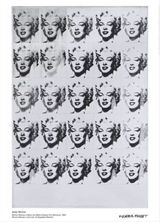
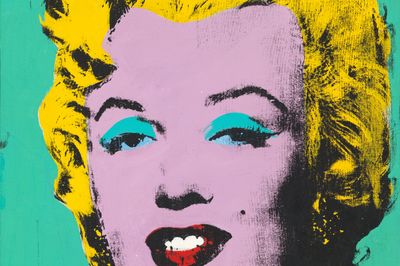
Although Warhol’s art often appeared to celebrate celebrity status and consumer culture, he also developed a body of work known as his “Disaster” series that addressed far darker themes. Alongside his portraits of Marilyn Monroe, Elvis Presley, and Marlon Brando, he produced works such as Race Riot (1964), Electric Chair (1963), and Car Crash (1963), which expose the violence and spectacle embedded in mass-media imagery. By mirroring, abstracting, and repeating these scenes as cool, impersonal icons, Warhol transformed them into a nuanced critique of contemporary American society.
Major Andy Warhol Exhibitions and Museum Collections
Andy Warhol’s work has been widely exhibited in leading museums around the world, with landmark retrospectives and surveys continuing into the present. Selected major exhibitions include:
- Andy Warhol: A Retrospective, The Museum of Modern Art, New York, United States (6 February–2 May 1989)
- Andy Warhol: Retrospective, Centre Pompidou, Paris, France (21 June–10 September 1990)
- Andy Warhol, Queensland Art Gallery | Gallery of Modern Art (QAGOMA), Brisbane, Australia (8 December 2007–13 April 2008)
- Andy Warhol—From A to B and Back Again, Whitney Museum of American Art, New York, United States (12 November 2018–31 March 2019)
- Andy Warhol, Tate Modern, London, United Kingdom (12 March–15 November 2020)
- Andy Warhol: Revelation, The Andy Warhol Museum, Pittsburgh, United States (20 October 2019–1 March 2020)
- Andy Warhol: Vanitas, The Andy Warhol Museum, Pittsburgh, United States (10 October 2025–9 March 2026)
- Andy Warhol “Serial Portraits – Selected Works from the Collection”, Espace Louis Vuitton Tokyo, Tokyo, Japan (2 October 2025–15 February 2026)
- Andy Warhol: The Business of Art, Daejeon Museum of Art, Daejeon, South Korea (18 March–21 June 2026)
- Andy Warhol Family Album, Whitney Museum of American Art, New York, United States (30 April–19 October 2026)
His works are held in almost all major public and private collections worldwide, including the the Centre Pompidou, Paris, the Solomon R. Guggenheim Museum, MoMA and the Whitney Museum of American Art in New York, National Gallery of Australia, Tate Modern in London.
In 2026, the Whitney Museum of American Art in New York presents Andy Warhol Family Album (30 April–19 October 2026), a focused exhibition of 732 Polaroid photographs taken between 1972 and 1973. The show highlights Warhol’s use of the Polaroid camera as both a compulsive documentary tool and the first stage in his commissioned silkscreen portraits, illuminating his fascination with image-making, celebrity, and the visual diary of everyday life.
Later Career, Collaborations, and Legacy
During the 1970s, Warhol became increasingly focused on entrepreneurial ventures and self-branding. He founded Interview magazine and in 1975 published The Philosophy of Andy Warhol, a book exploring his thoughts on art, celebrity, and everyday life. By the 1980s, his influence expanded through high-profile collaborations with younger artists, including Jean-Michel Basquiat and Francesco Clemente, which introduced his work to a new generation and reaffirmed his relevance within contemporary painting.
Warhol unexpectedly passed away in New York City in 1987 following complications from gallbladder surgery. Today, the Andy Warhol Museum in Pittsburgh is the largest institution dedicated to a single artist in North America, underscoring his enduring cultural impact. His work continues to shape understandings of the relationships between art, commerce, and media, and remains a touchstone for artists and scholars examining the aesthetics and politics of popular culture.
Andy Warhol FAQs
Who was Andy Warhol?
Andy Warhol (1928–1987) was an American artist and leading figure in the Pop Art movement, known for his depictions of consumer products, mass media imagery, and celebrity culture across painting, printmaking, film, photography, and sculpture.
What is Andy Warhol best known for?
Andy Warhol is best known for his iconic Pop Art works such as Campbell’s Soup Cans (1962), his Marilyn Monroe portraits, and his Coca-Cola and dollar bill images, which used repetition and bold colour to mirror the visual language of advertising and mass production.
Where did Andy Warhol grow up and study?
Andy Warhol grew up in Pittsburgh, Pennsylvania, in a Carpatho-Rusyn immigrant family, and studied pictorial design at the Carnegie Institute of Technology (now Carnegie Mellon University), graduating in 1949 before moving to New York to work as a commercial illustrator.
What was Andy Warhol’s art style?
Andy Warhol’s art style is closely associated with American Pop Art, using bright colour, serial imagery, and silkscreen printing to transform everyday consumer goods, celebrities, and news photographs into flattened, repeated icons that reflect and critique modern mass culture.
What was ‘The Factory’ in Andy Warhol’s career?
‘The Factory’ was Andy Warhol’s New York studio, a social and creative hub in the 1960s and 1970s where artists, musicians, writers, and performers gathered, and where he produced many of his paintings, screen prints, and experimental films such as Sleep (1963) and Empire (1964).
What themes did Andy Warhol explore in his work?
Alongside consumerism and fame, Andy Warhol explored themes of mortality, violence, and spectacle, particularly in series like Electric Chair (1963), Car Crash (1963), and Race Riot (1964), which drew on press photographs and highlighted the darker side of mass media imagery.
What did Andy Warhol do later in his career?
In the 1970s and 1980s, Andy Warhol focused on entrepreneurial projects and high-profile portrait commissions, founded Interview magazine, published The Philosophy of Andy Warhol (1975), and collaborated with younger artists such as Jean-Michel Basquiat and Francesco Clemente.
How and when did Andy Warhol die?
Andy Warhol died in New York City in 1987 from complications following routine gallbladder surgery, leaving behind a vast body of work that continues to influence contemporary art and visual culture.
Where can I see Andy Warhol’s work today?
Andy Warhol’s work is held in major museums and collections worldwide, including the Andy Warhol Museum in Pittsburgh, the Centre Pompidou in Paris, the Solomon R. Guggenheim Museum in New York, and the National Gallery of Australia, as well as numerous other public and private collections.
Ocula | 2026

Explore Andy Warhol's Exhibitions On Now





View Andy Warhol's Artworks




























Andy Warhol in Ocula Magazine








Explore and Follow Artists Shaping Contemporary Art
A respected voice in contemporary art discourse.
Focusing on ambitious storytelling and insightful art-world commentary. Ocula Magazine publishes in-depth interviews, critical essays and timely analysis on the artists, exhibitions and ideas driving the global art world.
Learn more about Ocula Magazine
Showcasing the best of the art world.
Ocula partners with galleries from around the world to highlight their artists, artworks and exhibitions. Gallery membership is by application and invitation, with each member vetted by an independent panel.
Learn more about Ocula Membership
Specialises in the sale of major artworks.
Led by a team with deep ties to the world’s leading auction houses, galleries and collectors. Ocula’s advisory team offers bespoke services to high-net-worth clients from around the world who are looking to acquire the best of contemporary and modern art.
Learn more about our team and services