


























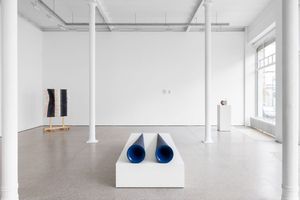


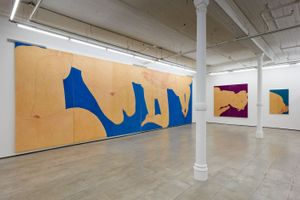


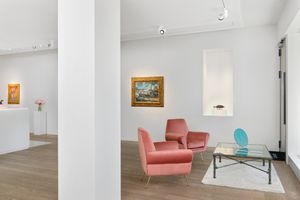

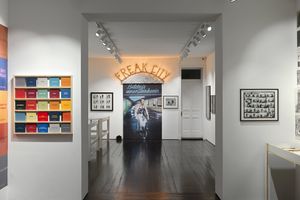















Ocula has an expanding audience of collectors, gallerists, curators and art enthusiasts who come to Ocula for its comprehensive access to the world’s leading contemporary art galleries.
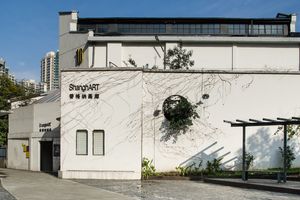
Ocula gallery membership is by application or invitation only and admission is determined by a selection committee of influential gallerists including: Tina Kim, Tina Kim Gallery, New York; Lorenz Helbling ShanghART, Shanghai; Simon Devolder, Xavier Hufkens, Brussels; and Ashley Rawlings, Blum & Poe, Tokyo. With membership now extending to over 160 art galleries, Ocula’s online art platform includes the top contemporary art galleries in Asia, North America, South America, Europe, Australia and the Middle East.
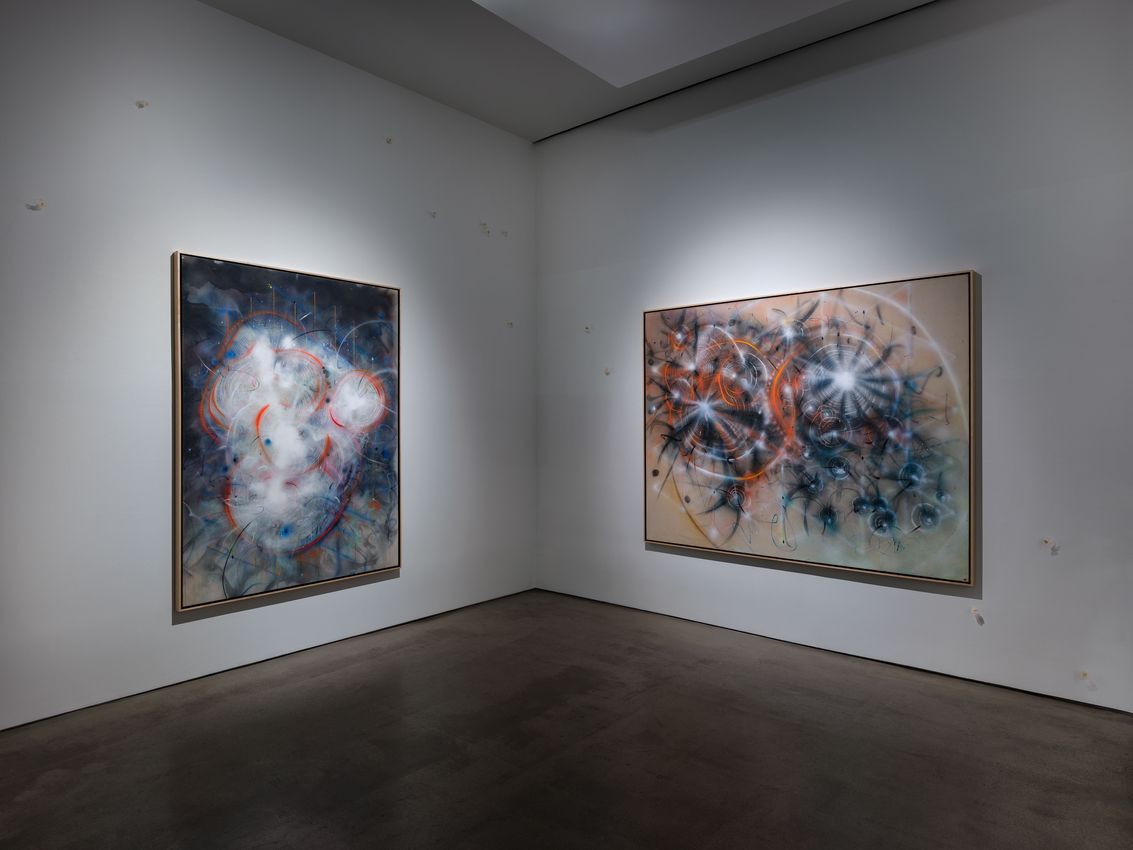
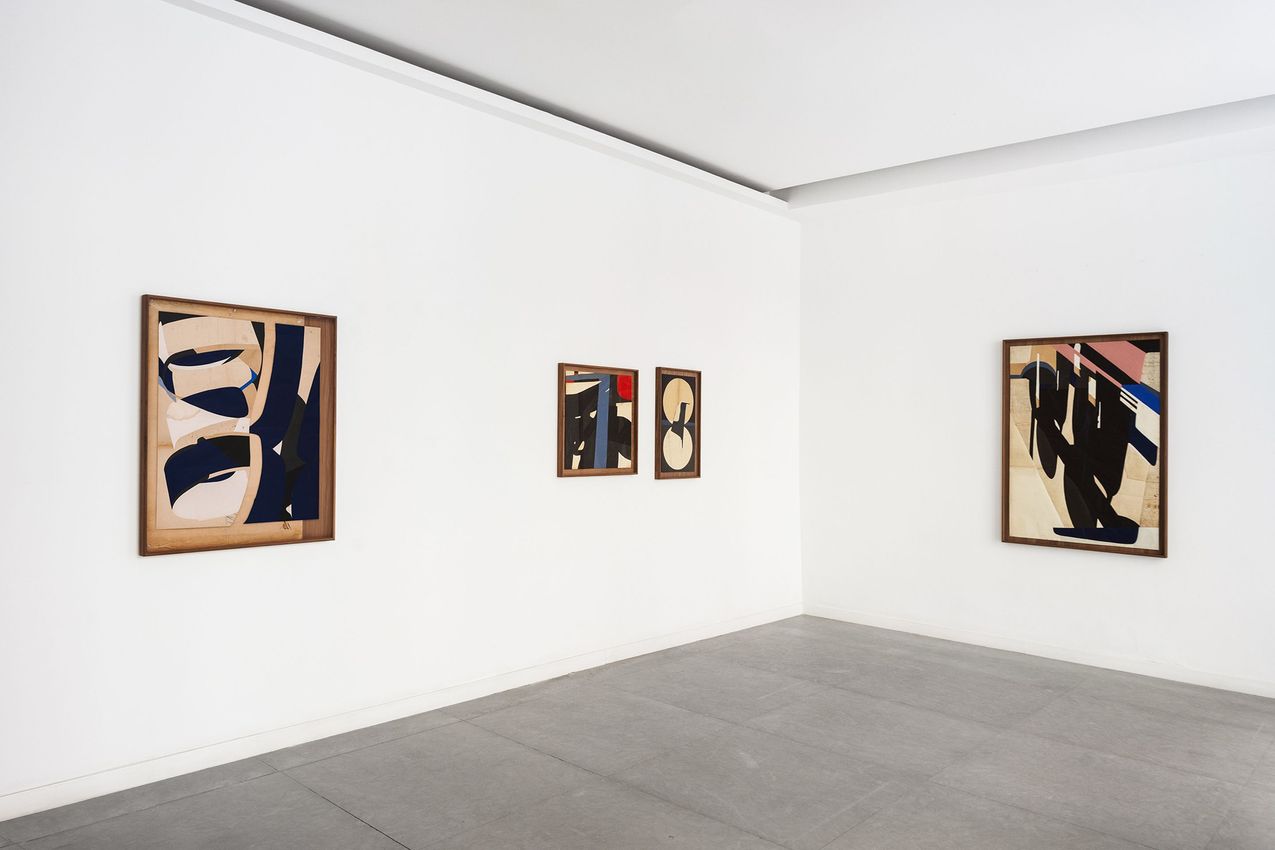
Listed galleries range from established names like David Zwirner, Lehmann Maupin and Sprüth Magers, to emerging and dynamic contemporary art spaces like Beijing’s Long March Gallery. Ocula gallery members exhibit works by renowned and emerging contemporary artists, and show a range of artworks from photography, painting, sculpture, collage to conceptual art. Ocula receives numerous applications for membership and only invites leading galleries with exceptional programmes, also dedicated to presenting the best in art, to join.
Serving as a research platform, Ocula provides visitors with online access to gallery exhibitions, and individual artworks. Furthermore Ocula Magazine features conversations with gallerists from time to time which give a further level of insight into the unique history and vision behind each gallery. Each artwork presented by a gallery on Ocula has a full description and offers features that enable a user to make an enquiry as to the availability and price. A gallery’s represented artists each have a full profile with available works and related exhibitions and content all linked to their profile. An artist’s exhibition history provides an important tool for understanding their practice and this is because exhibitions are the most common way artist’s share their art and ideas. A gallery’s exhibition history likewise provides an excellent means by which to explore the gallery’s approach to art and to its artists. The related content loaded under each gallery’s profile includes articles written by other publications of authority on the gallery, its exhibitions and its artists. It is important to understand how the artist and the gallery are prompting discussions about art. Ocula’s talented team of collaborators and innovators with years of experience in the fields of art, publishing, photography and technology, is proud to work with some of the world’s contemporary art galleries to present the best in contemporary art.