





The Top 10 Exhibitions to See Around the World This November
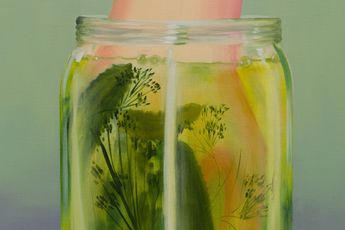
Save to My OculaOur editors select the shows not to miss this month, from Karolina Jabłońska’s severed limbs suspended in pickle brine to Sylvie Fleury’s take on a male-centric motoring club.
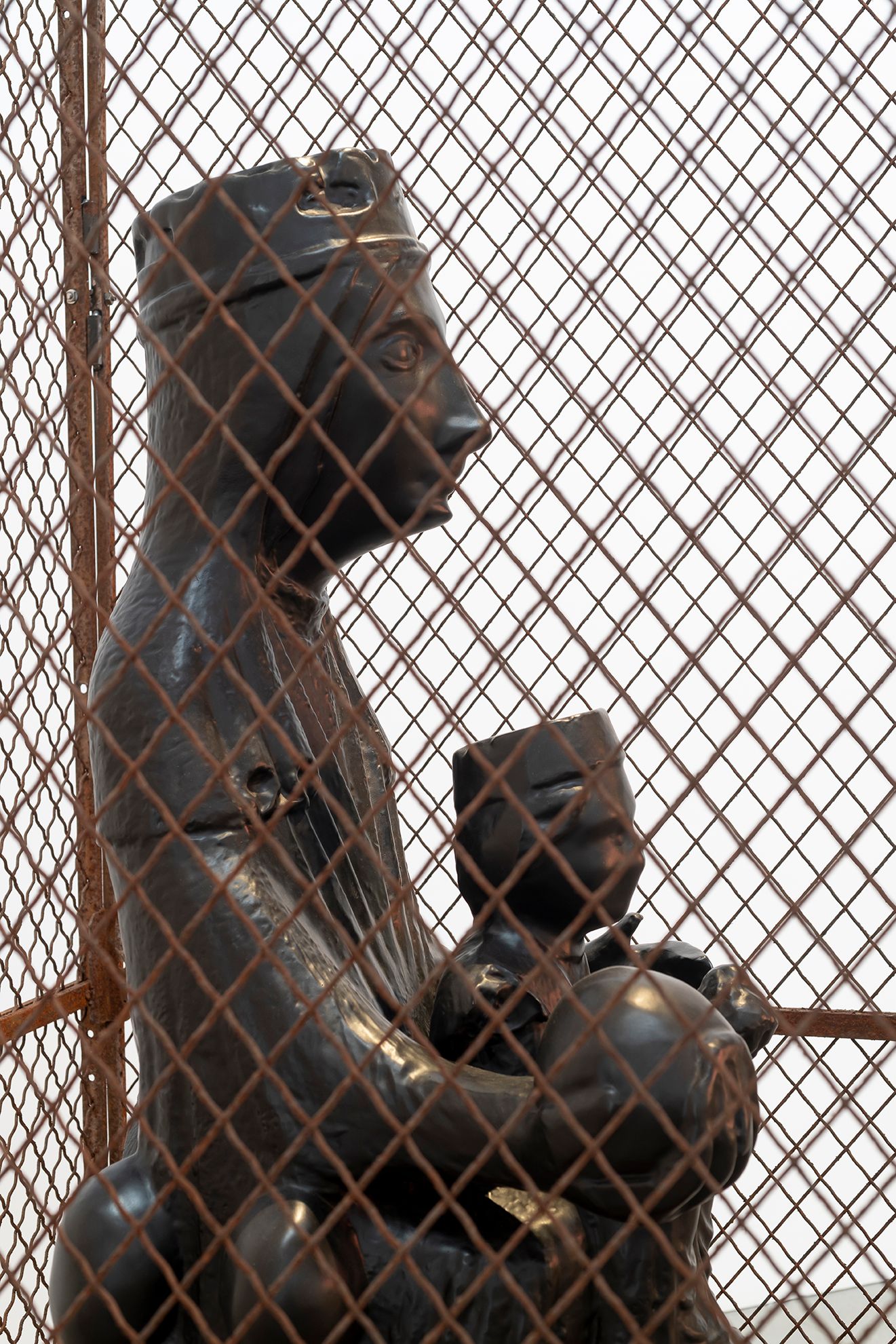
Project a Black Planet: The Art and Culture of Panafrica (6 November 2025–6 April 2026) at Museu d’Art Contemporani de Barcelona
Ever since its emergence more than a century ago, Pan-Africanism—advocating solidarity among people of African descent—has been shaped by thinkers from W.E.B. Du Bois to Kwame Nkrumah, influencing movements from the Harlem Renaissance to Black Futurism. Yet only now does the first major exhibition to explore its aesthetic and cultural dimensions arrive at MACBA, co-produced with the Art Institute of Chicago, KANAL–Centre Pompidou, and the Barbican Centre. Bringing together more than 100 artists from Africa and its diaspora, including Larry Achiampong, Simone Leigh and Kader Attia, Project a Black Planet traces how Pan-African ideas travelled between continents through art, music and print. Fine art meets popular culture—paintings alongside sound pieces, protest songs beside magazines and manifestos—revealing how a vision of collective identity was built not just through politics, but through rhythm, imagery and words. Archival materials play a central role, showing how printed ephemera once carried dreams of liberation across oceans. – Shanyu Zhong

Sylvie Fleury, She-Devils On Wheels (4 November–20 December 2025) at Sprüth Magers, New York
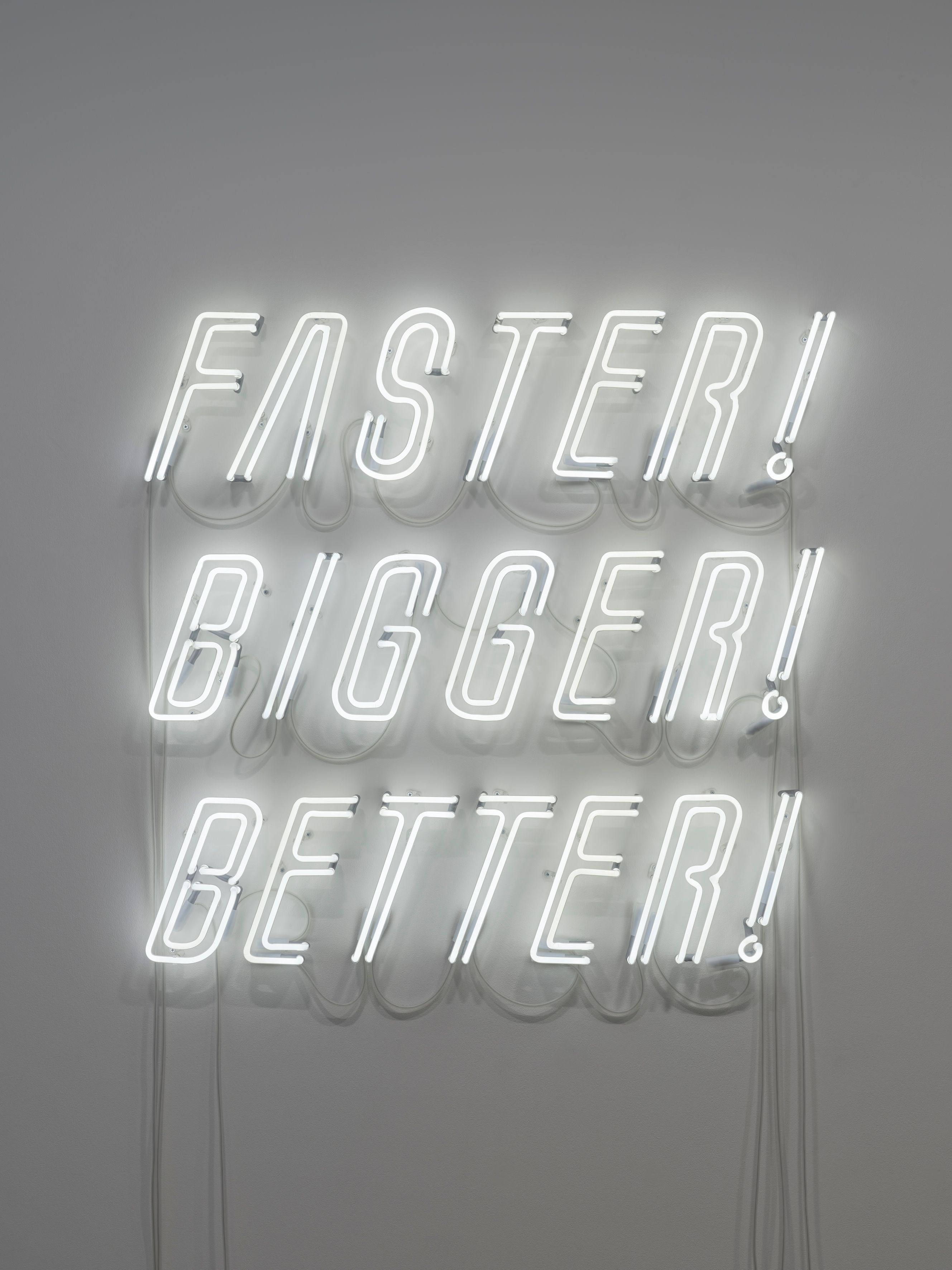
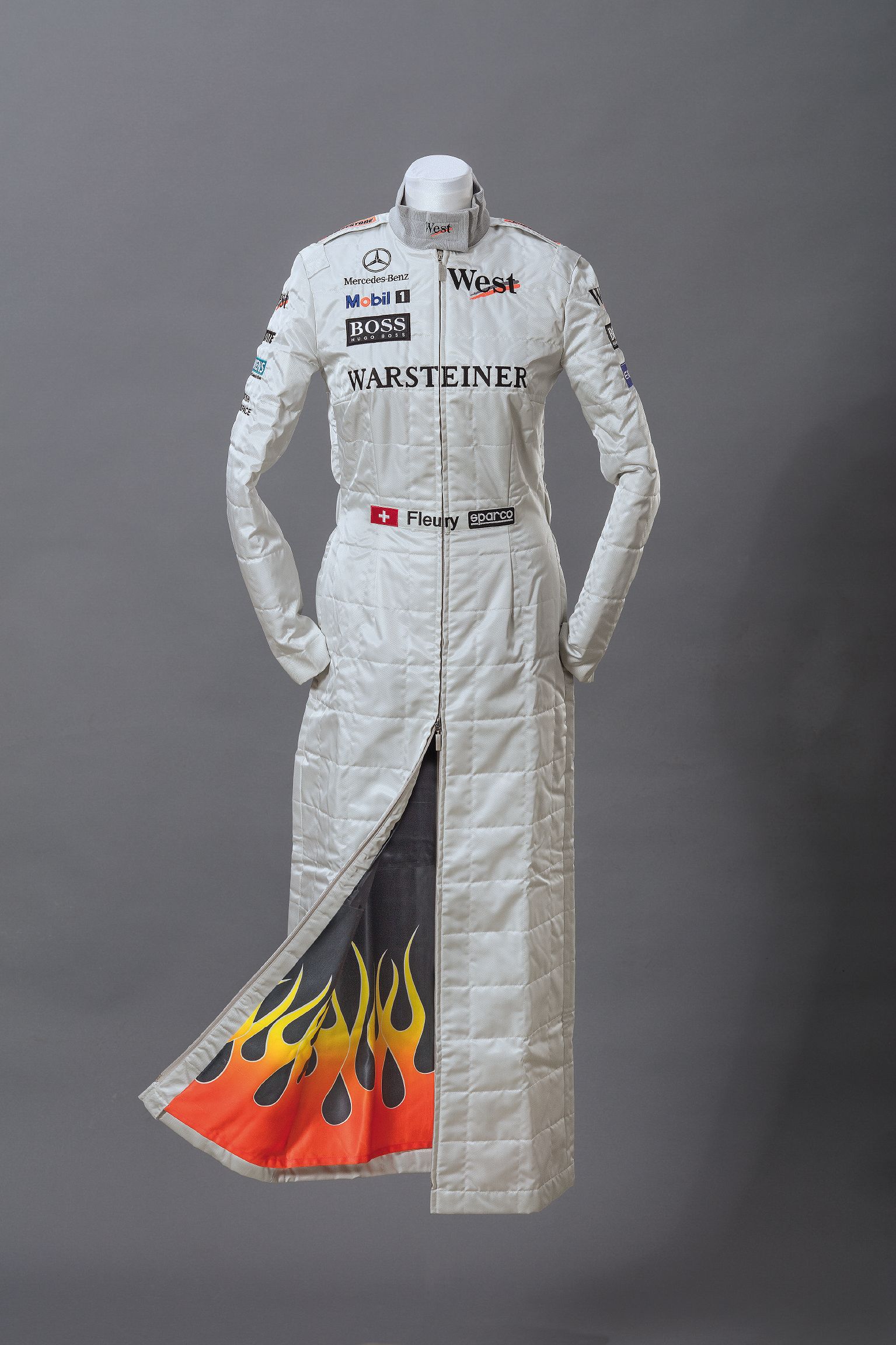
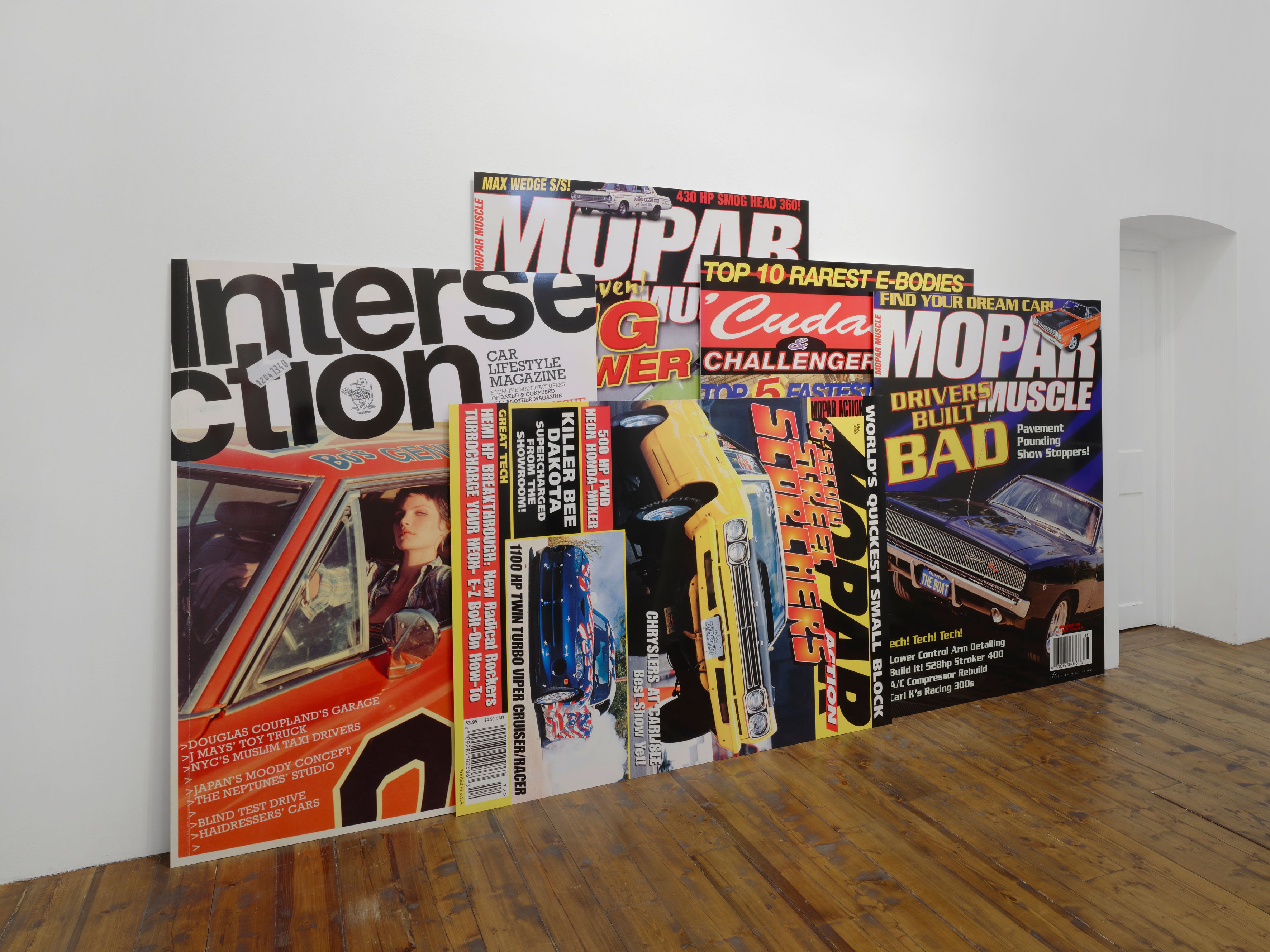
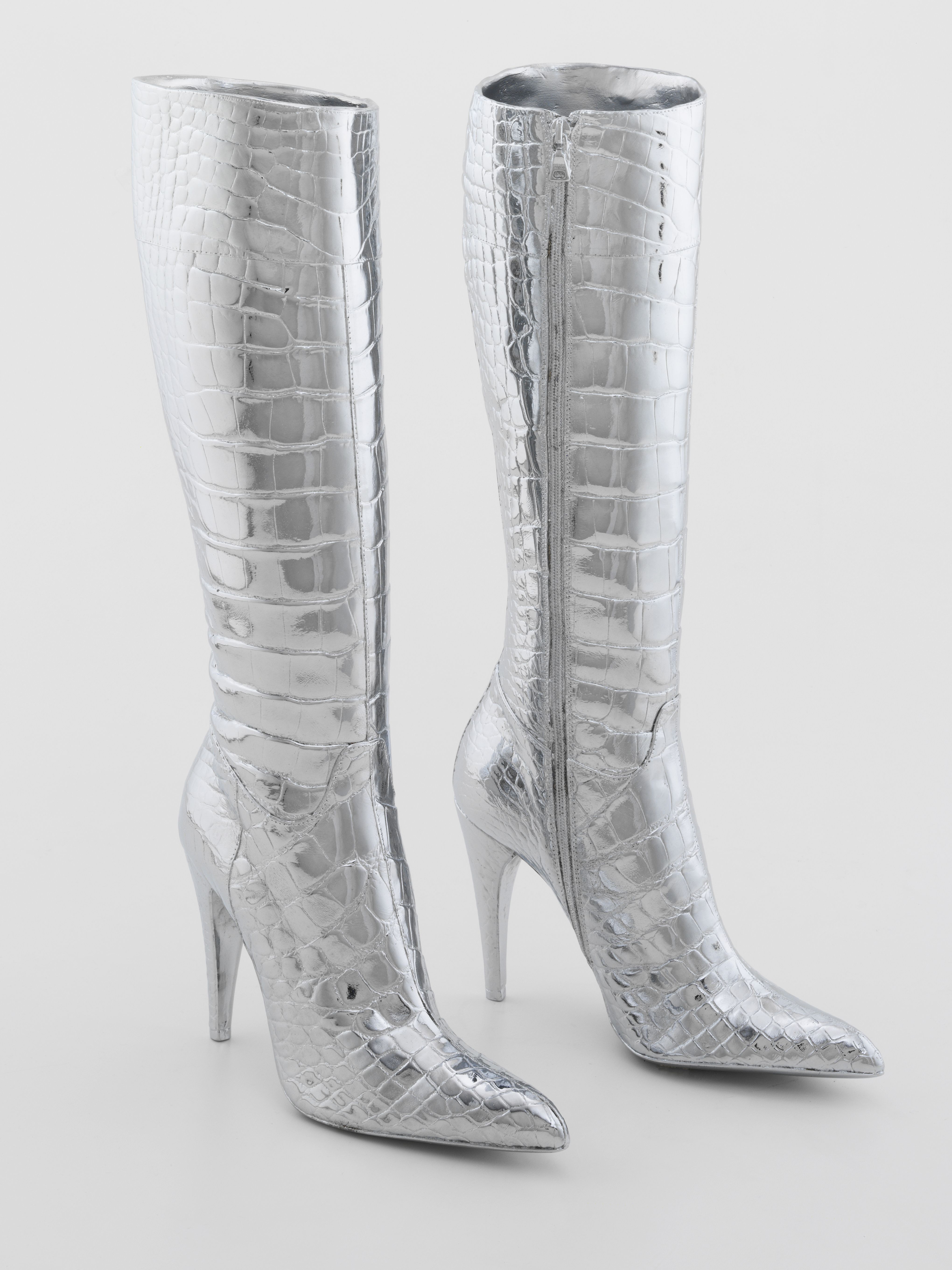
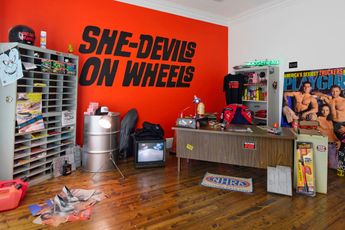
‘When I was 18 I had 500 Francs to buy a car. There was a red 1968 Camaro which cost 500 francs... I fell in love.’ The birth year of Swiss artist Sylvie Fleury’s automotive soulmate also heralded the release of the biker film She-Devils on Wheels, featuring an all-female motorcycle gang called The Man-Eaters. In the 1990s, after being refused membership of a car-racing club, Fleury pilfered the film’s title for her own women’s-only motoring club, which functioned ‘as a garage, the headquarters of a fan club, and a shopfront selling luxury automobile parts’. Fleury’s installation She-Devils On Wheels Headquarters (2000)—wherein the artist archly apes the typical ‘boys’ toys’ private car club aesthetic by festooning her space with magazine covers, a hubcap collection, and merchandise—is now being shown in New York, alongside her neon sign text works. Premiering concurrently (22 and 23 November) is Fleury’s 2025 Performa Biennial commission, Instructions for Twilight. – Aimee Walleston
Araya Rasdjarmrearnsook, The Bouquet and the Wreath (5 November 2025–15 May 2026) at Jameel Arts Centre, Dubai
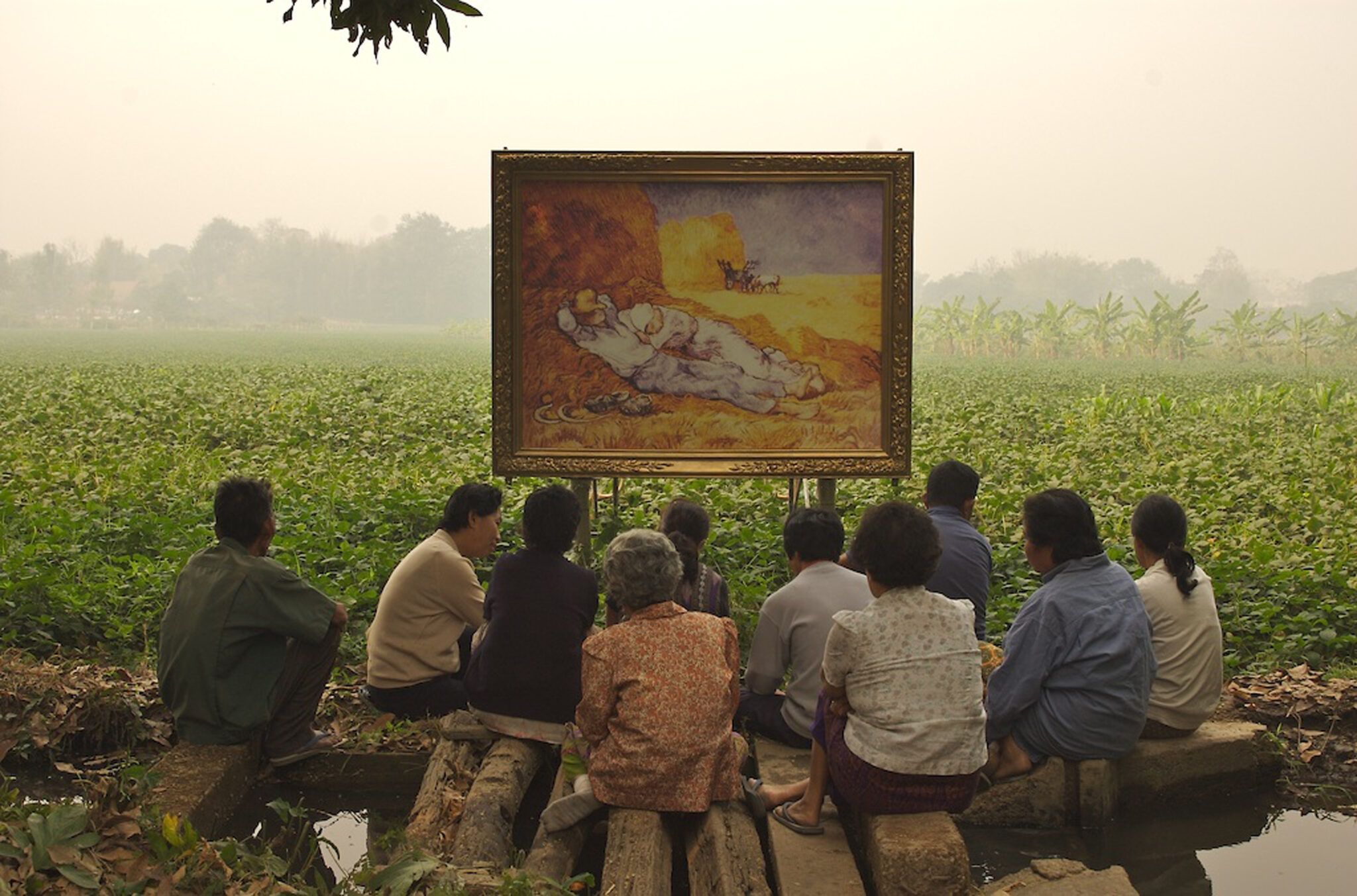
If the art world’s chatter leaves you cold, The Bouquet and the Wreath might restore your faith. Touring from MAIIAM Contemporary Art Museum in Chiang Mai, this first large-scale survey of Thai artist Araya Rasdjarmrearnsook at Jameel Arts Centre spans more than four decades of conversation with ghosts—tender, wry, and unafraid of death’s company. Her videos and installations turn grief into pedagogy: an upturned bed in Has Girl Lost Her Memory? (1994) whispers of loss; Two Planets (2008) pits Thai villagers against Western art history; The Same Old Karma Landscape (2025) reworks decades of footage into an eight-channel fever dream of cause and consequence. Buang (Trap) (1995) traps the social weight of being a woman in timber and stone. For all its funerary grace, the show never succumbs to despair. Flowers, dogs, and the artist’s notes recur as gentle proofs that care—whether for a stray or an image—is still our best argument against oblivion. – Zian Chen
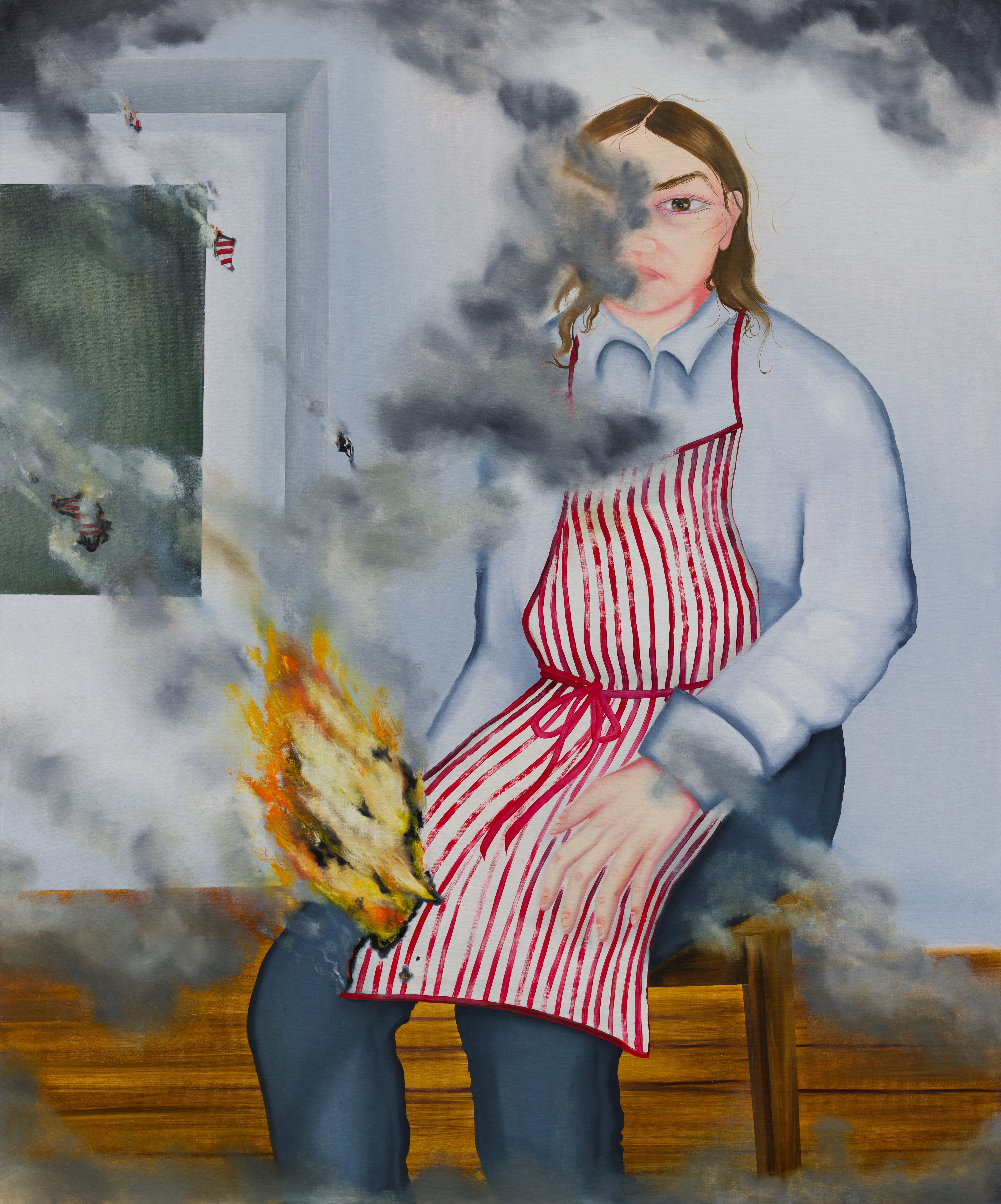
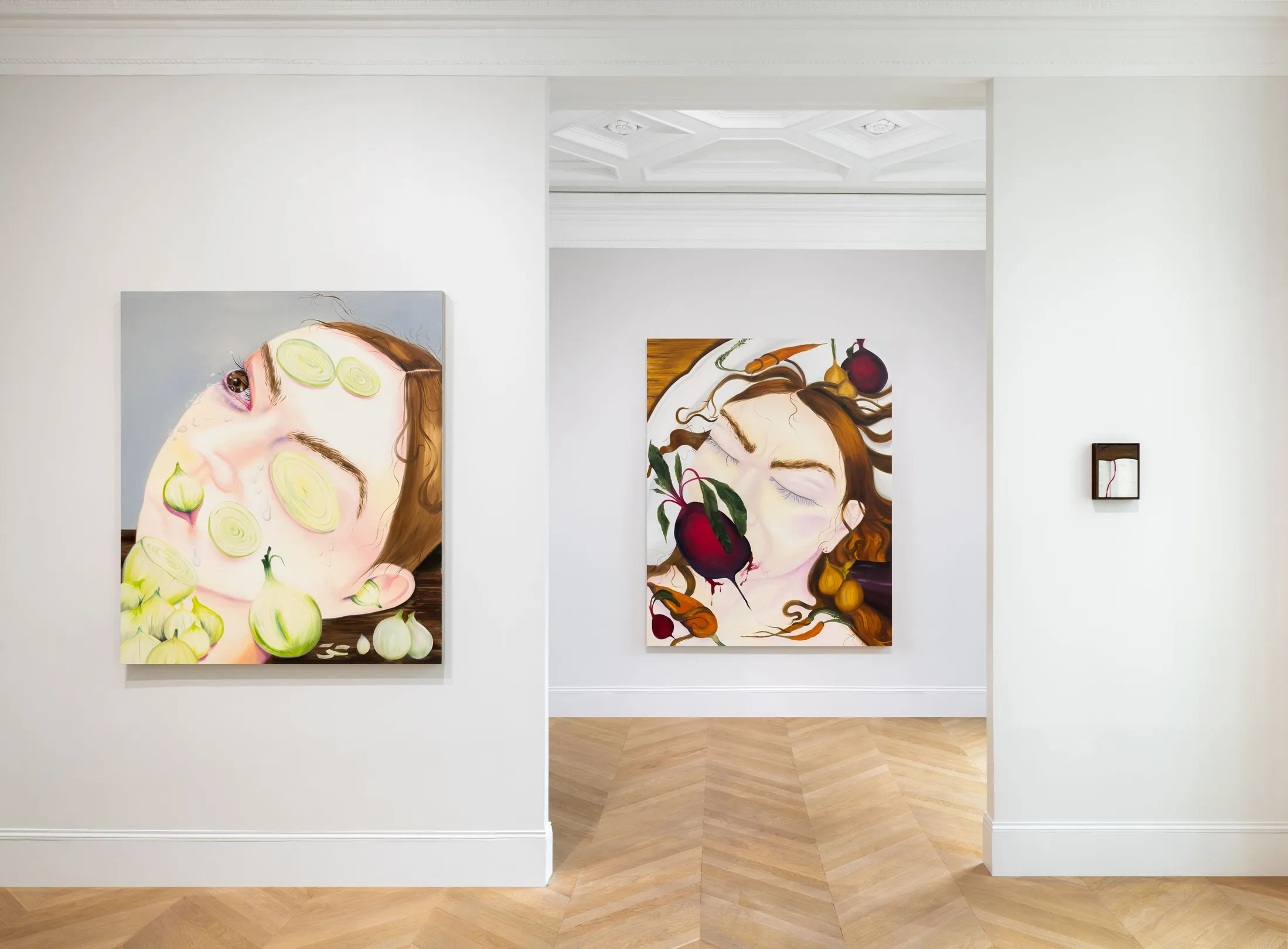
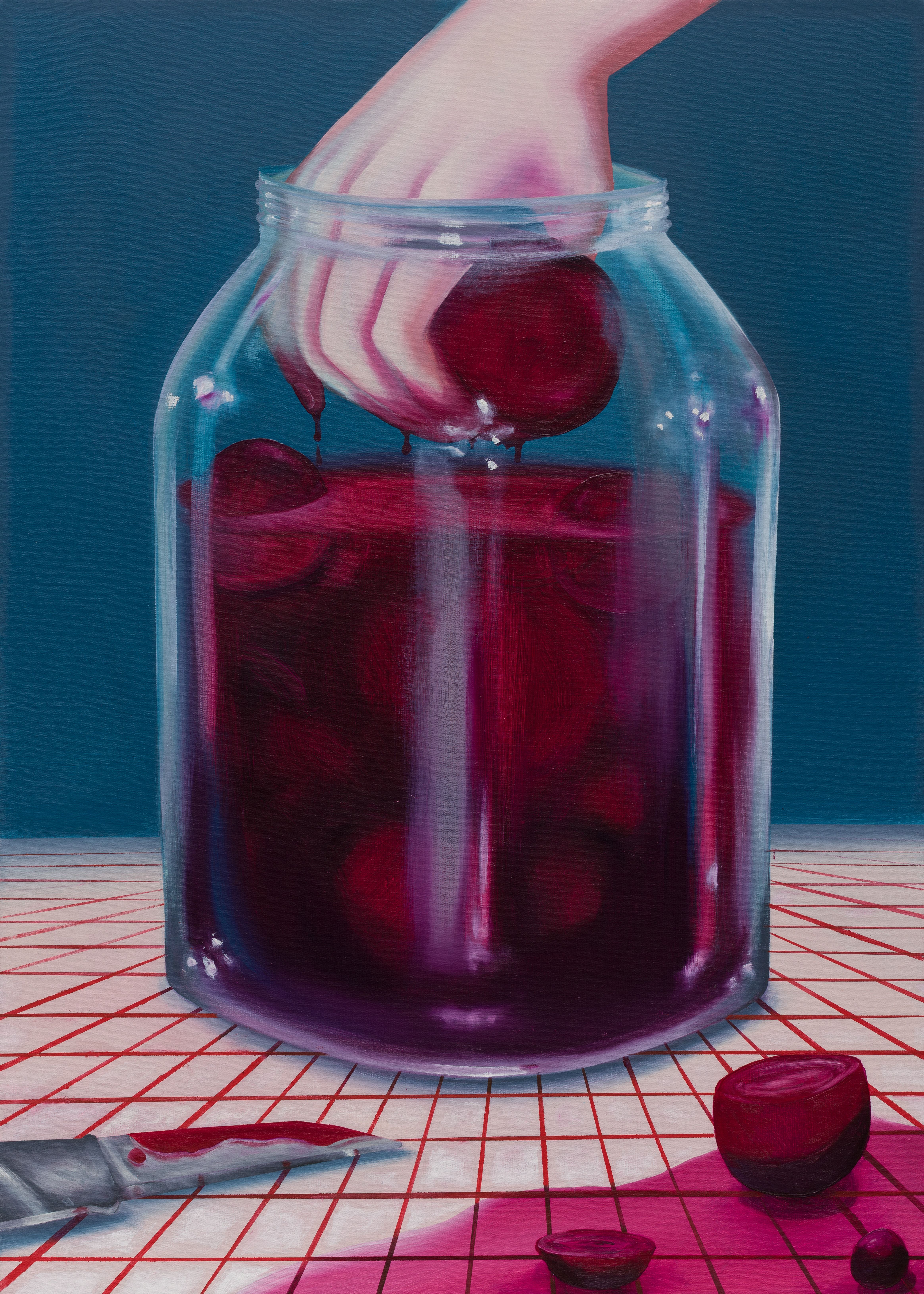
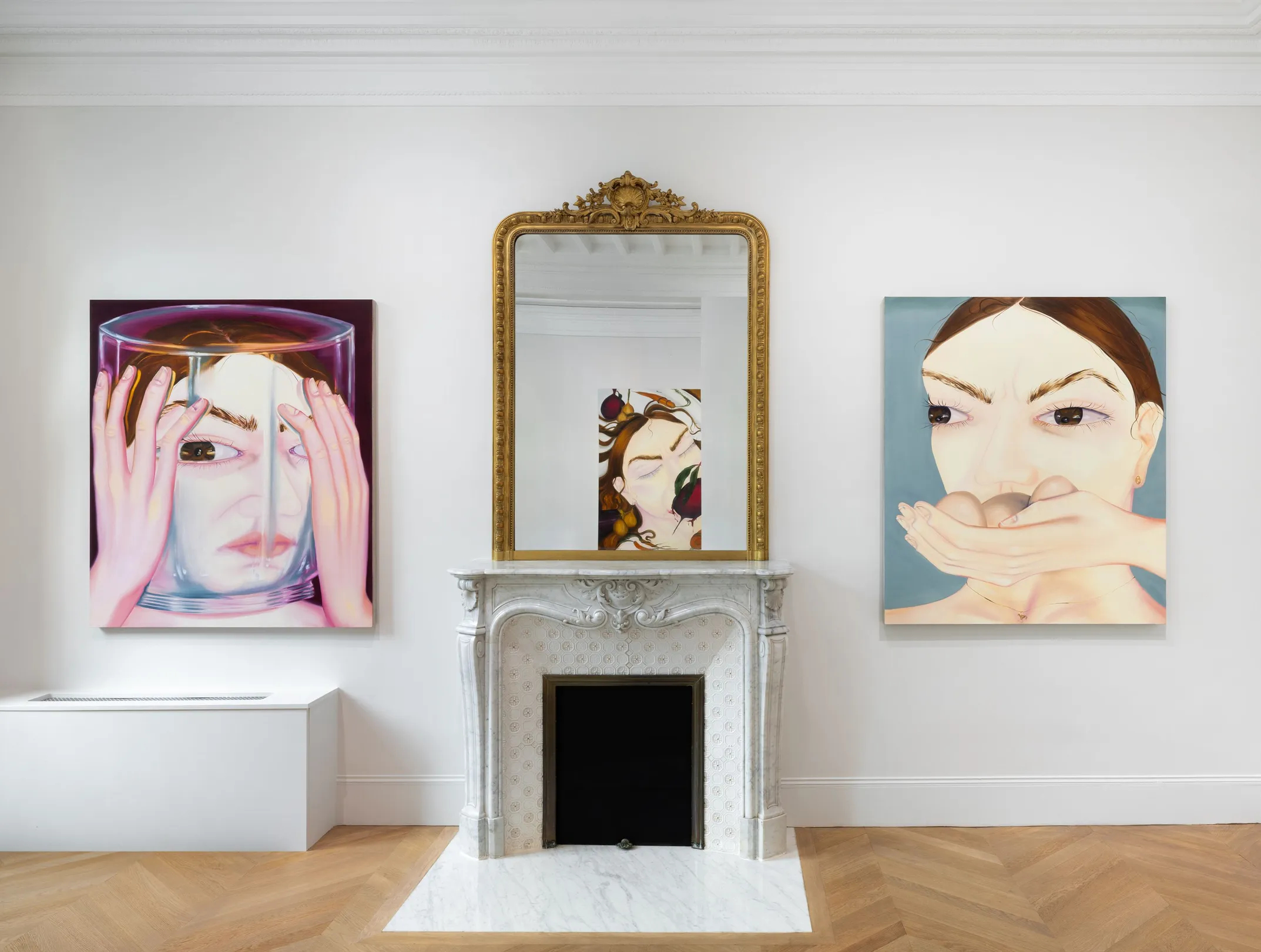
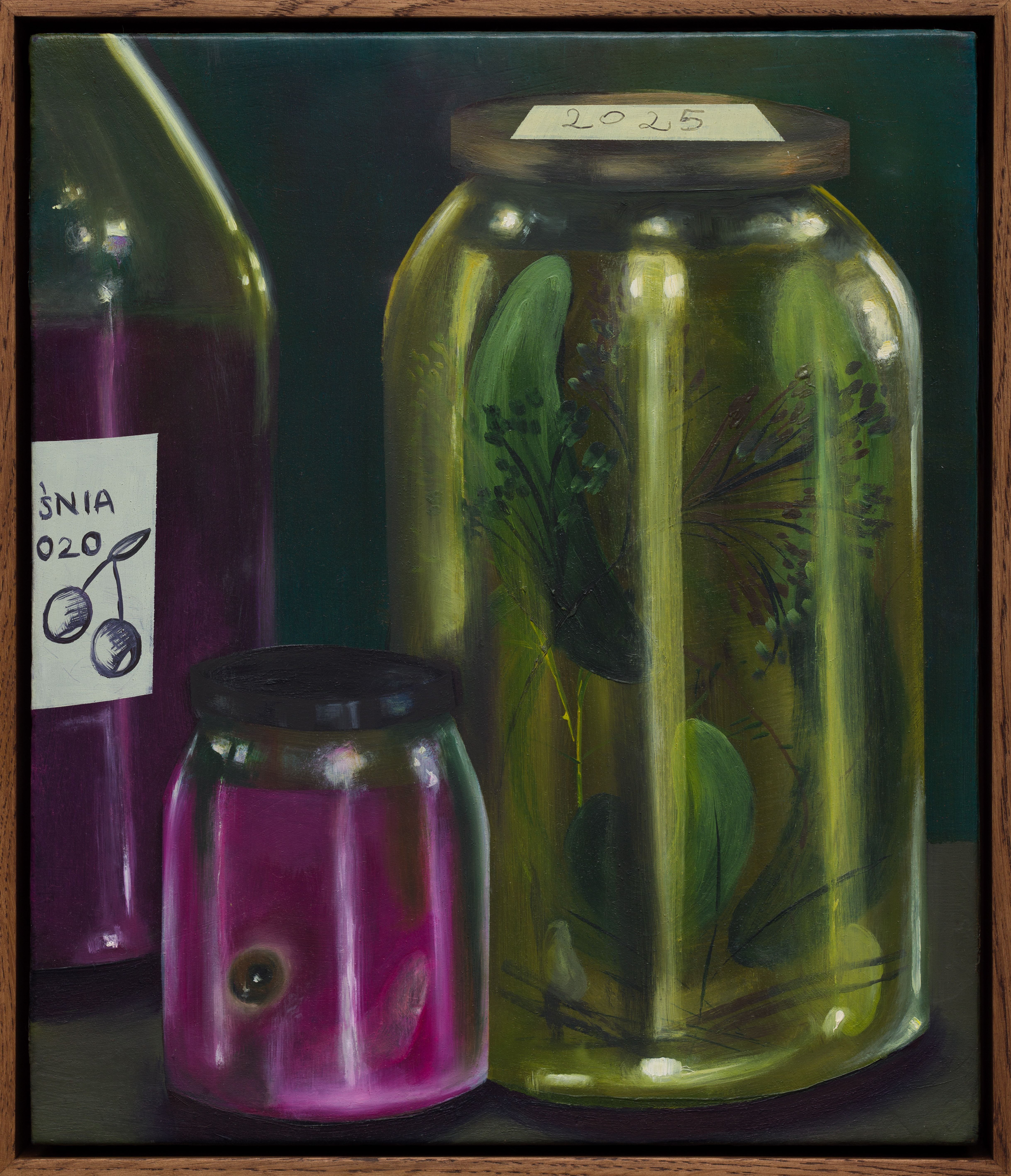

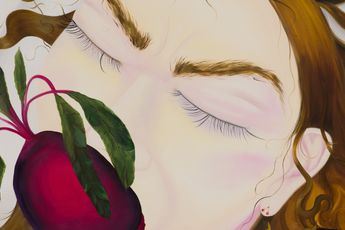
Karolina Jabłońska, Jarred Kitchen (21 October–20 December 2025) at Esther Schipper, Paris
A hand seizes a whole, dripping beetroot from a jar of pickles, delicate fingertips stained deep red, while a bloodied vegetable knife lies on the tiled surface beneath. Pickled Beets (2025) is one of the playfully allusive works in the latest exhibition by Polish painter Karolina Jabłońska, with nods to everything from the Italian giallo slasher genre to the gendered weight of domesticity. Elsewhere, the motif of the glass jar itself becomes a warped lens through which to see unnamed female protagonists as they gaze outwards, as is they too have been suspended in brine. In Jarred Hands (2025), one finger can be seen reaching up beyond the pink liquid in a final attempt to escape the stilling of time. Pickling and fermenting are some of the most ancient culinary processes in cultures across the world, saving harvests that would otherwise go to waste. For Jabłońska, the jar of pickles is political: representative not only of memories of her grandmother’s kitchen but of the limits placed upon women far beyond the stove. – Louise Benson
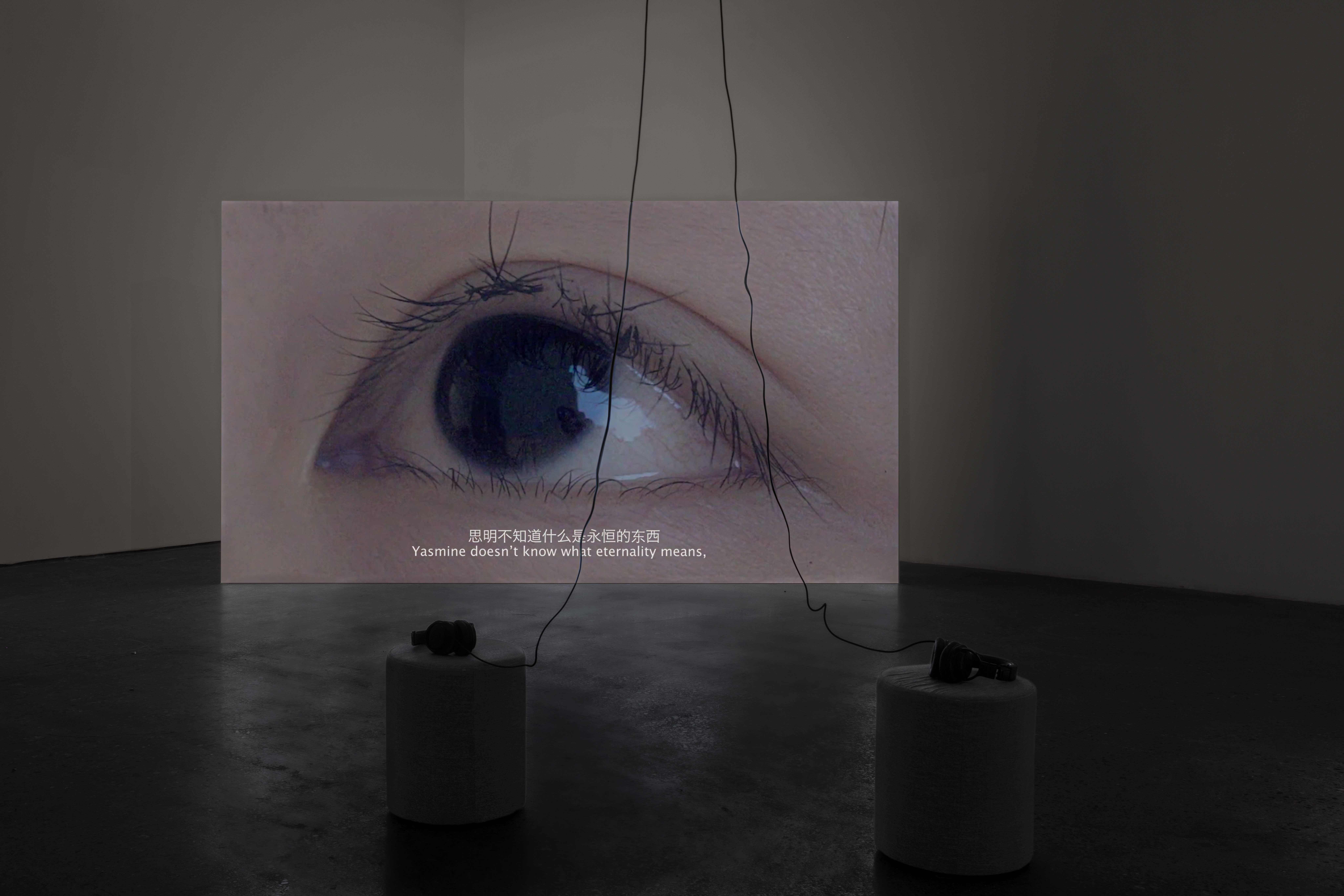
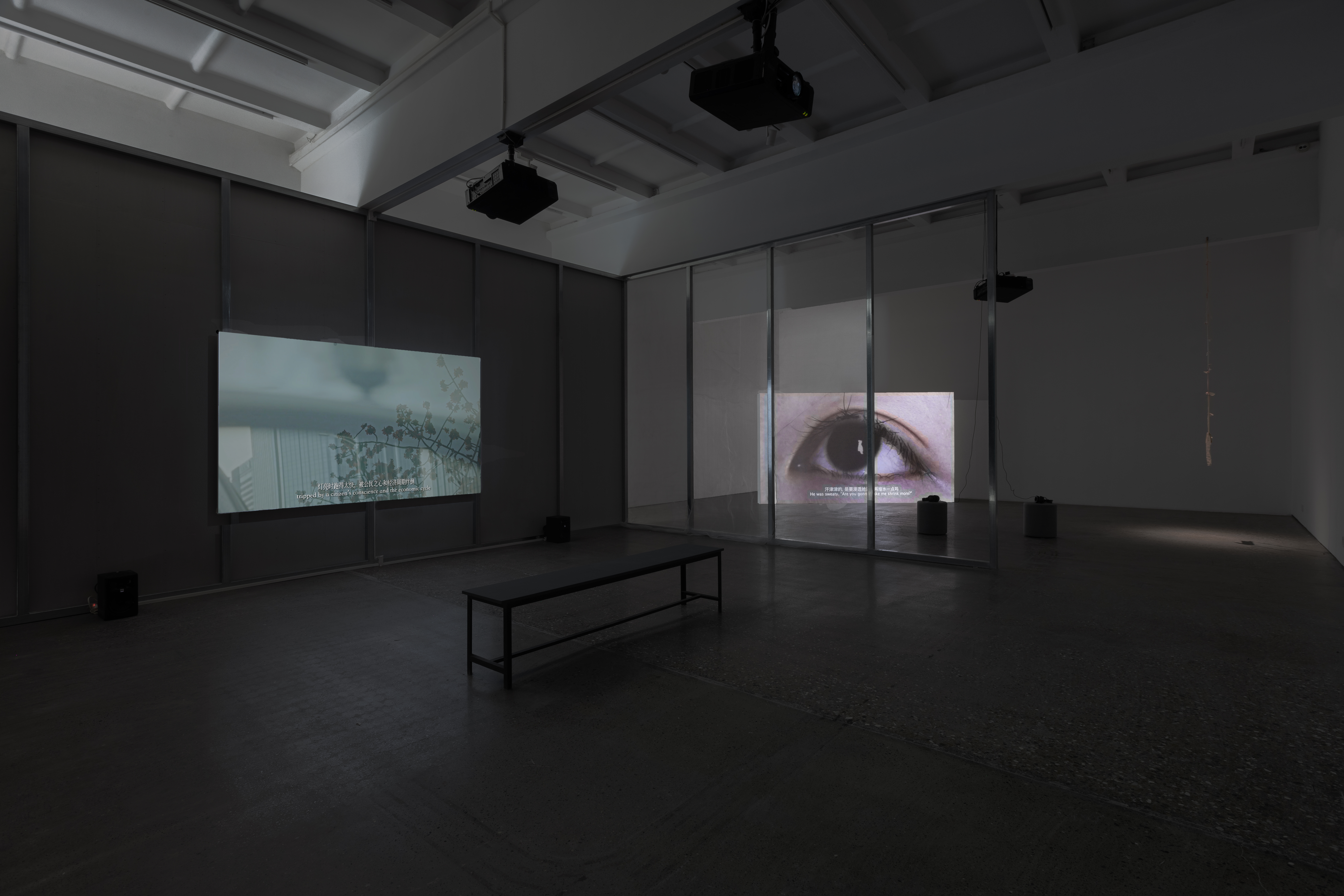
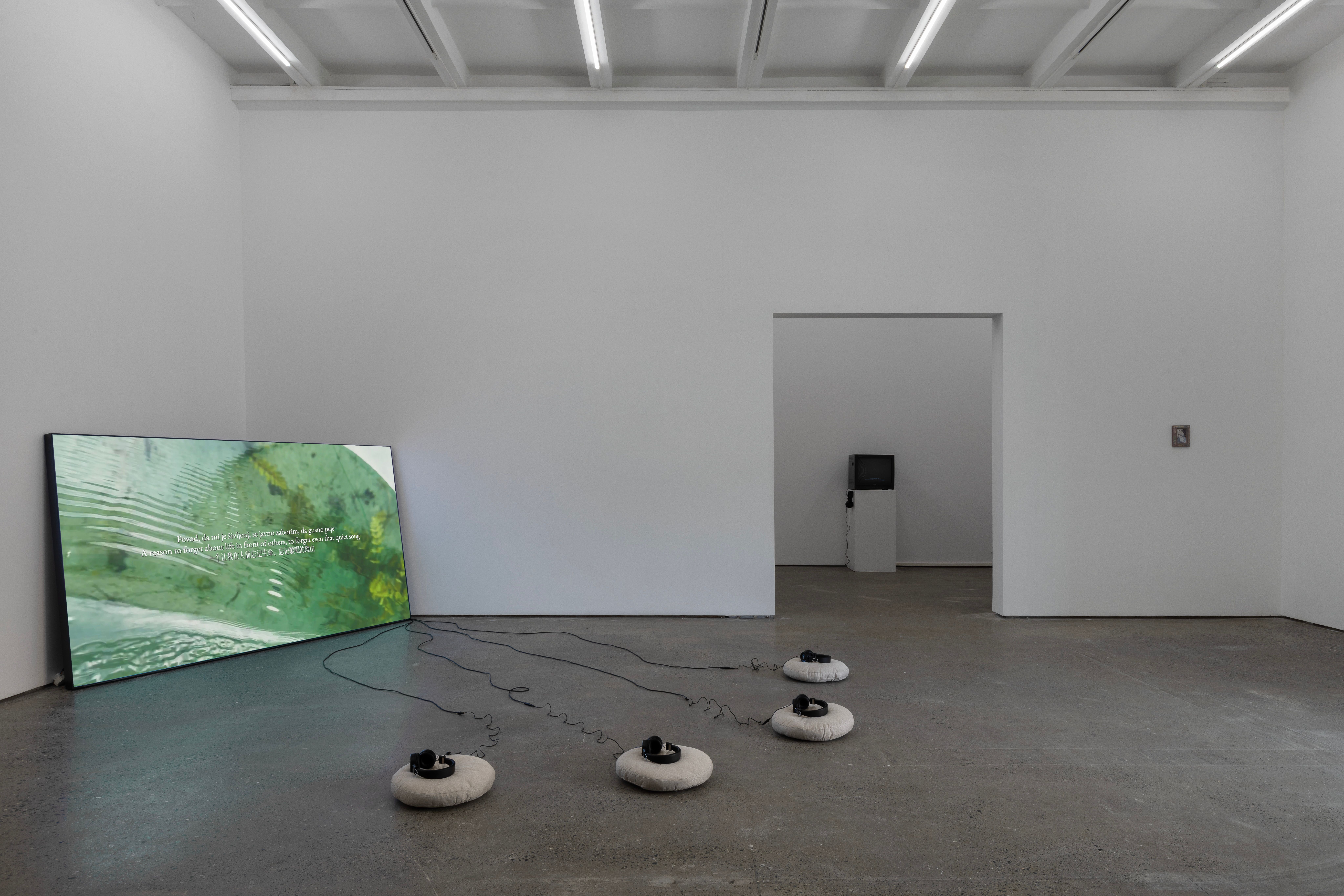
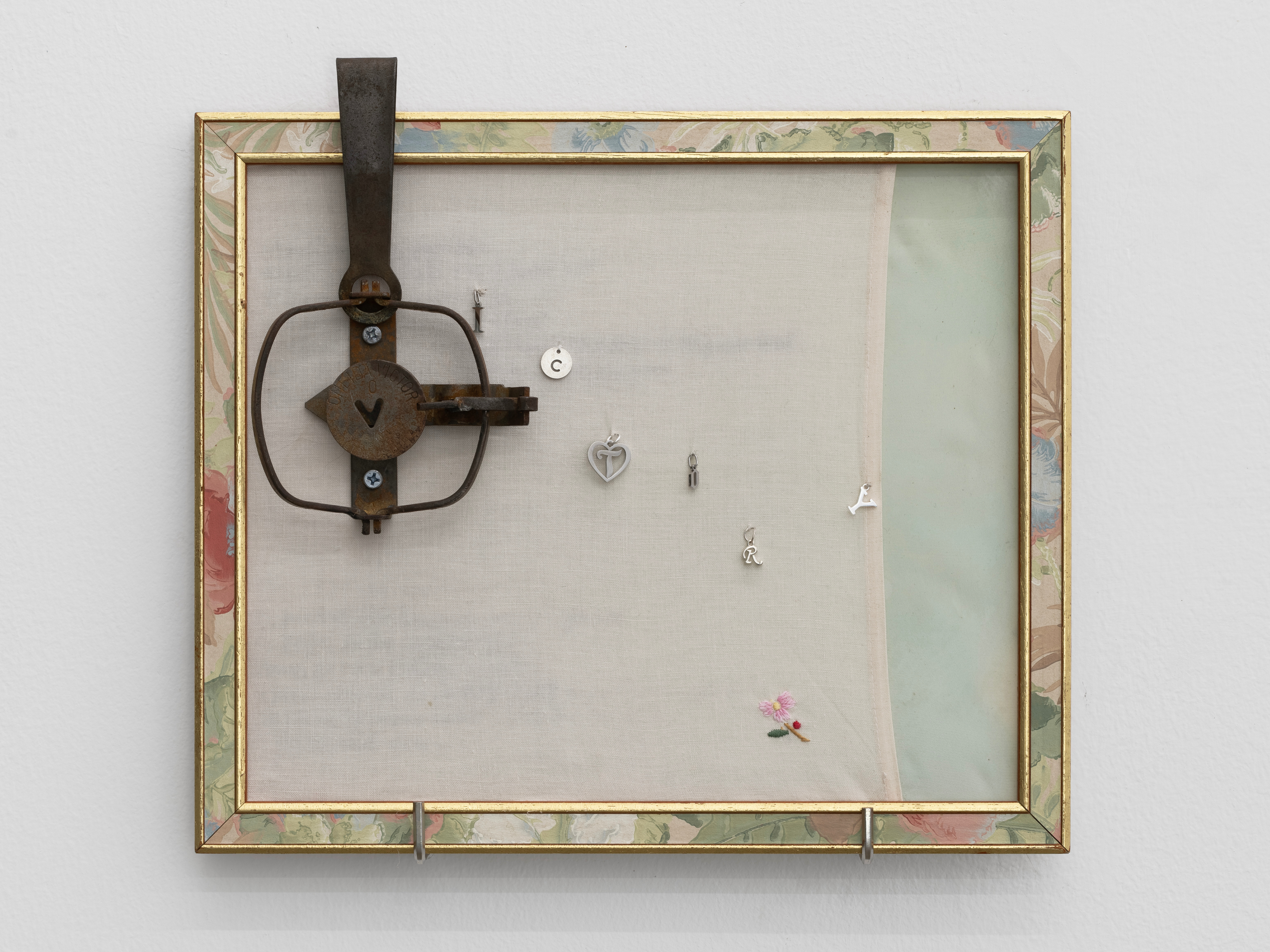
Yasmine Anlan Huang, Becoming Everyone, Everywhere (26 September–6 December 2025) at Magician Space, Beijing
As you enter Magician Space, you might encounter Yasmine Anlan Huang—shy, vulnerable, dressed in Lolita fashion, speaking softly. The artist’s deceptive performance has already begun. Through delicately crafted artist books, essay films, and assemblages of refined readymades, Huang unfolds an autobiography—yet one in which the artist herself seems to vanish. In her 2024 video dear velocity, she invites a high-school student to perform as her, tracing the dissonance between her inner world, her hometown, and the world beyond. In Crescendo (2024), an American stripper imitates the artist inside a church—an act of identity translation that is destined to fail. An eye recounts the story of Yasmine (思明) in Her Love is a Bleeding Tank (2020)—a film shown at last year’s Whitney Biennial—and one realises that even her name is an invention, an alter ego through which Anlan Huang stages a theatre of growth, pain, and fantasy. – Shanyu Zhong
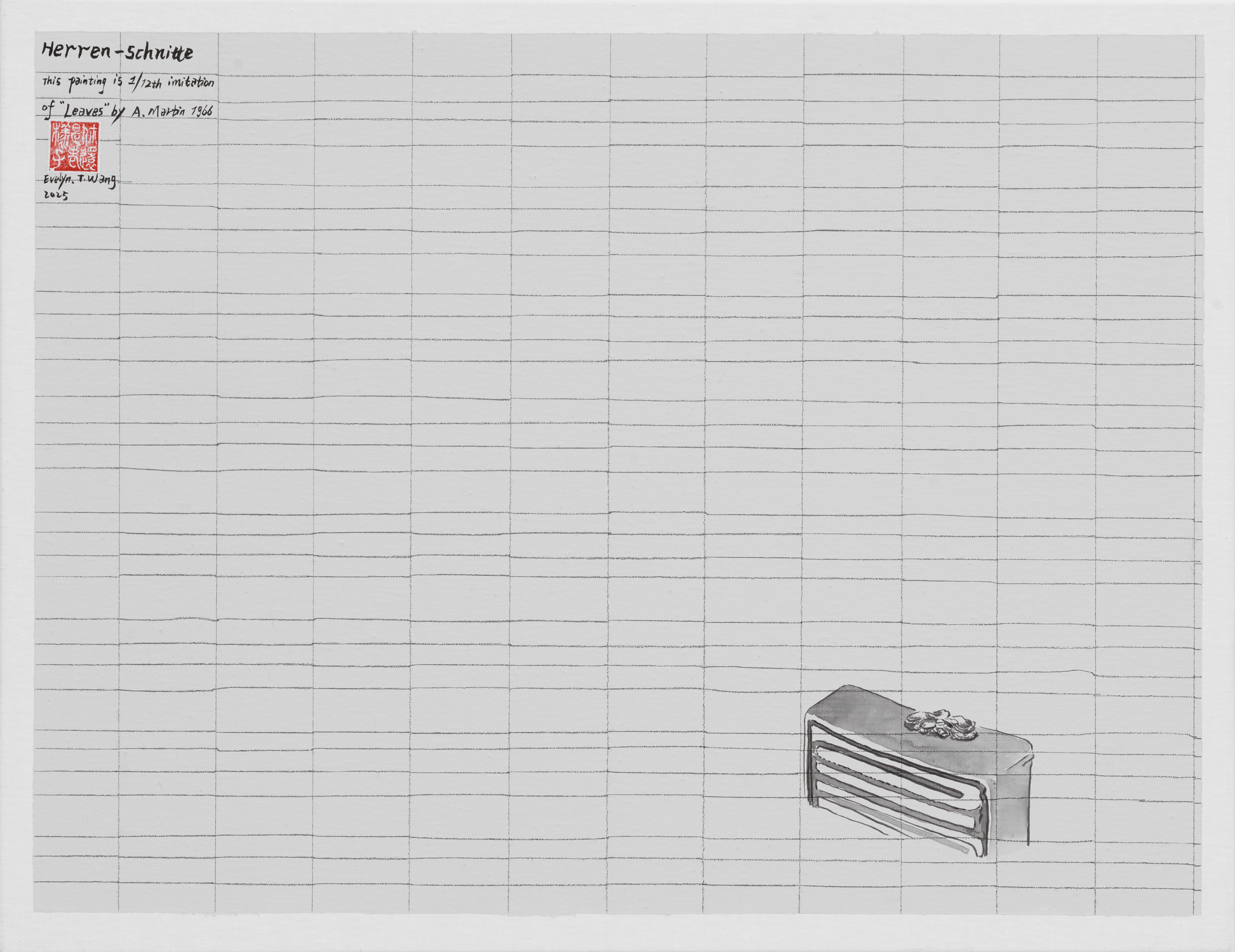
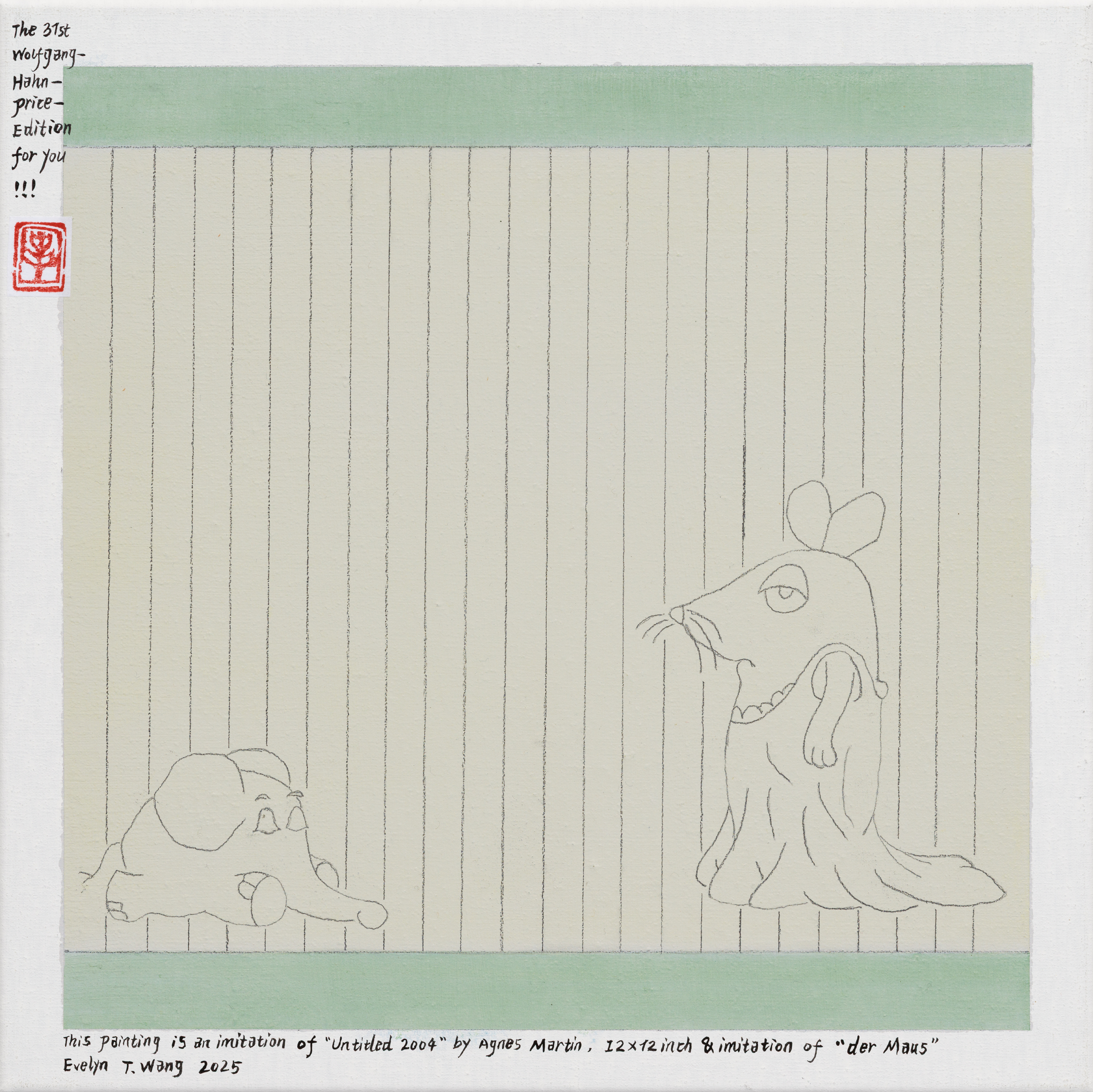
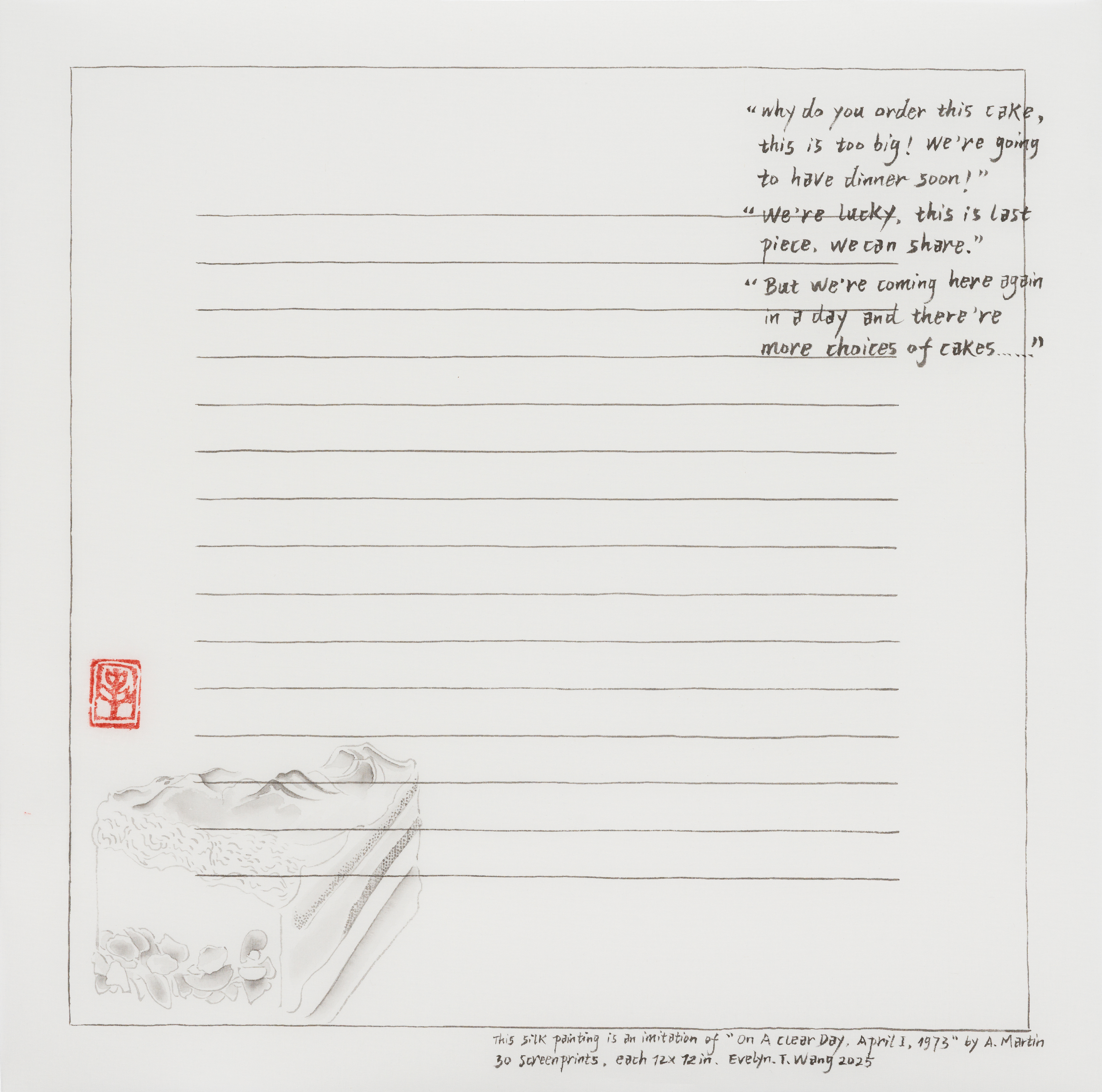

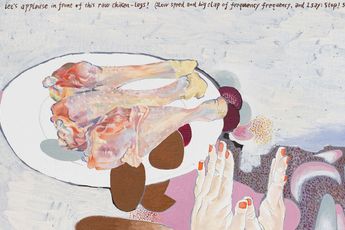
Evelyn Taocheng Wang, 2025 Wolfgang Hahn Prize (8 November 2025–18 January 2026) at Museum Ludwig, Cologne
Despite of the title of Evelyn Taocheng Wang’s painting series presented at the 2024 Venice Biennale, ‘Do Not Agree with Agnes Martin All the Time’, the Chinese artist’s show in Cologne appears to reveal that she remains a devoted Agnes Martin fangirl. While Martin described painting as ‘a world without objects, without interruption’, in Wang’s latest works, objects and interruptions become worlds unto themselves—against delicate, sparse grids of irregular hand-drawn lines are generous slices of cream cake, characters from the 1970s animated children’s show Die Sendung mit der Maus, and idiosyncratic notes invoking the 20th-century painter (‘This painting is 1/12th imitation of “Leaves” by A. Martin 1966’, one work reads), or records of quotidian domestic conversation (‘Why do you order this cake, this is too big! We’re going to have dinner soon!’). Named after Martin’s 1963 painting Friendship, Wang’s show bestows an intimate levity upon the modernist tradition, underscoring a parasocial relationship that transcends time and cultures. – Misong Kim
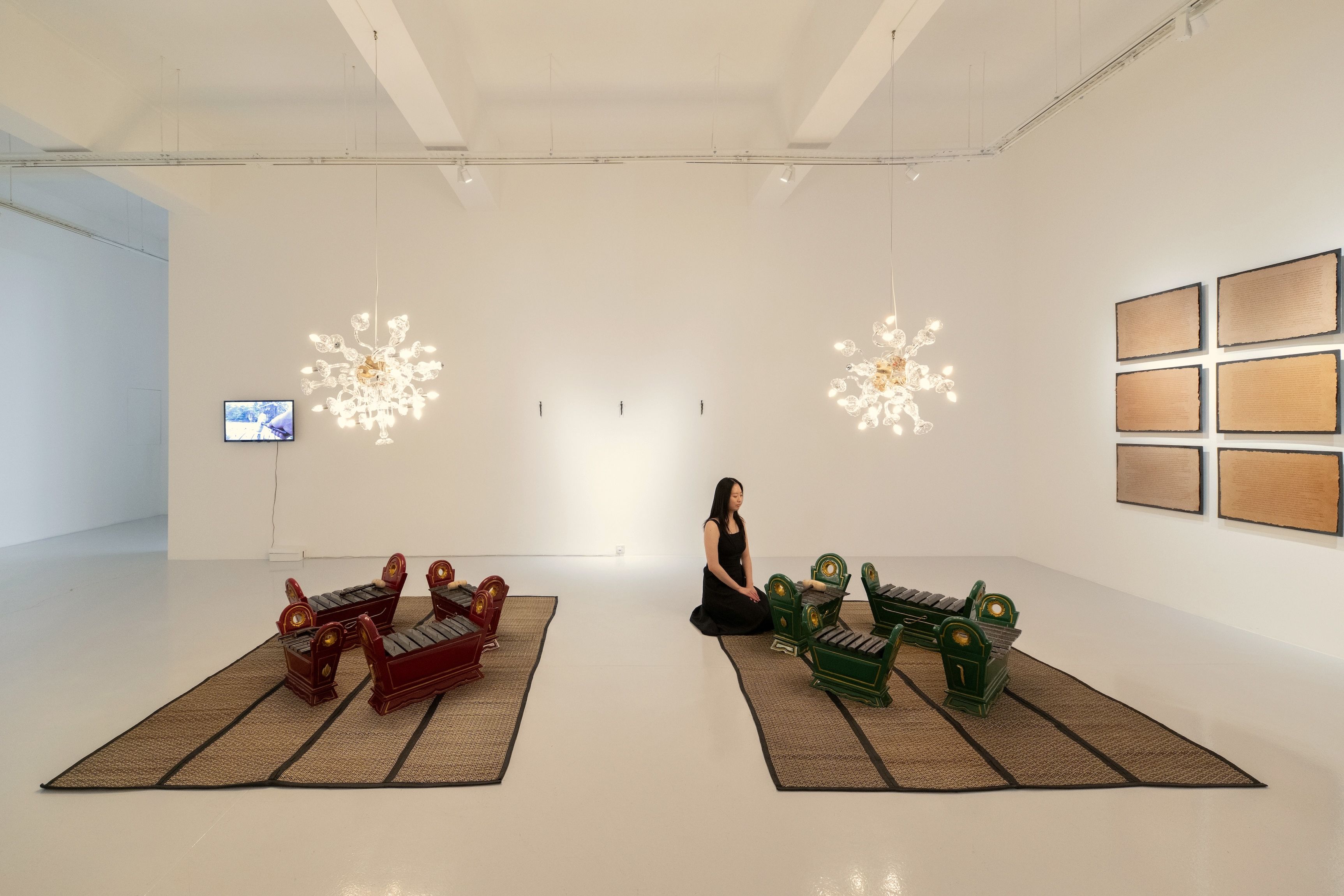
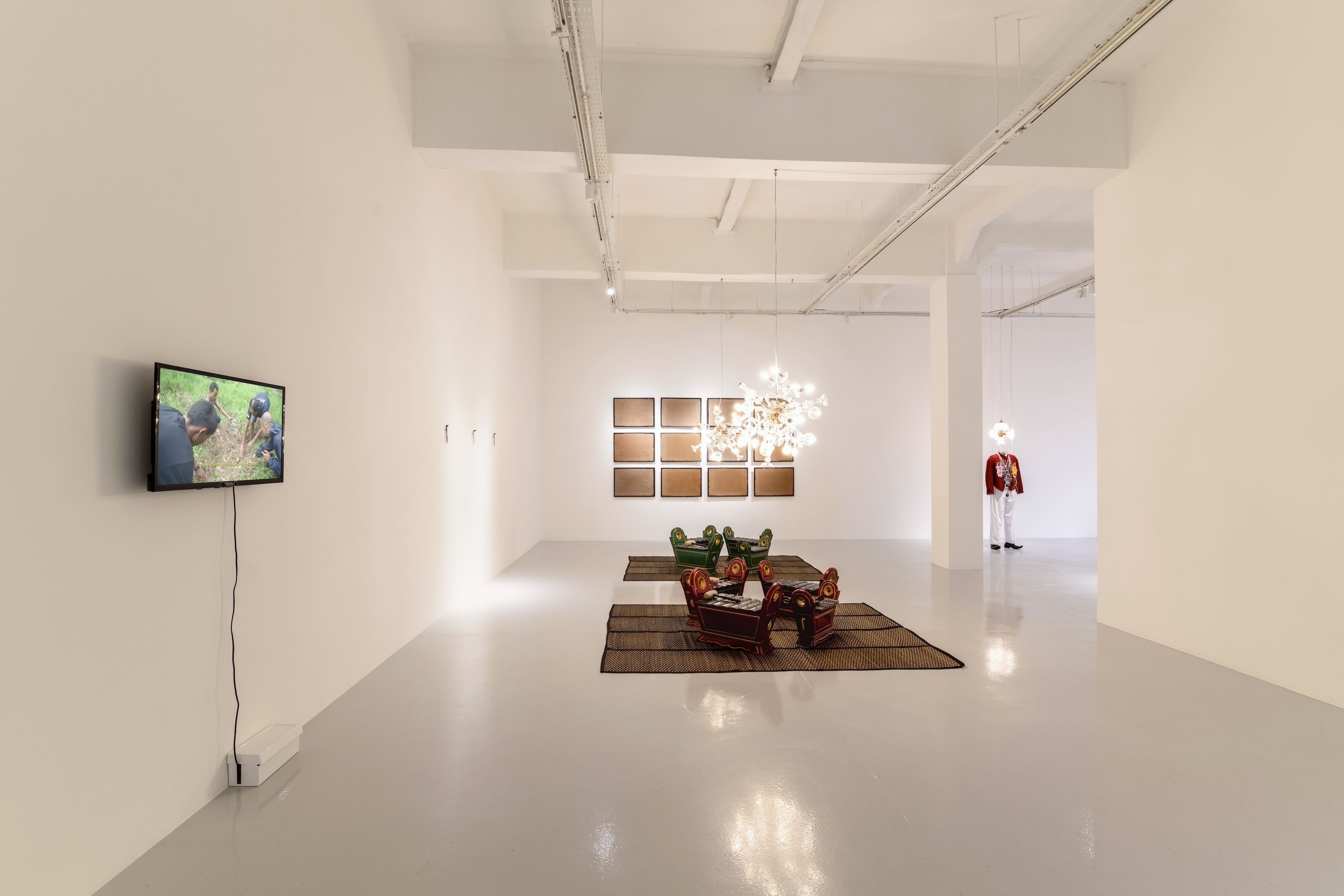

Jompet Kuswidananto, Of Thousand (18 October–29 November 2025) at Ames Yavuz, Singapore
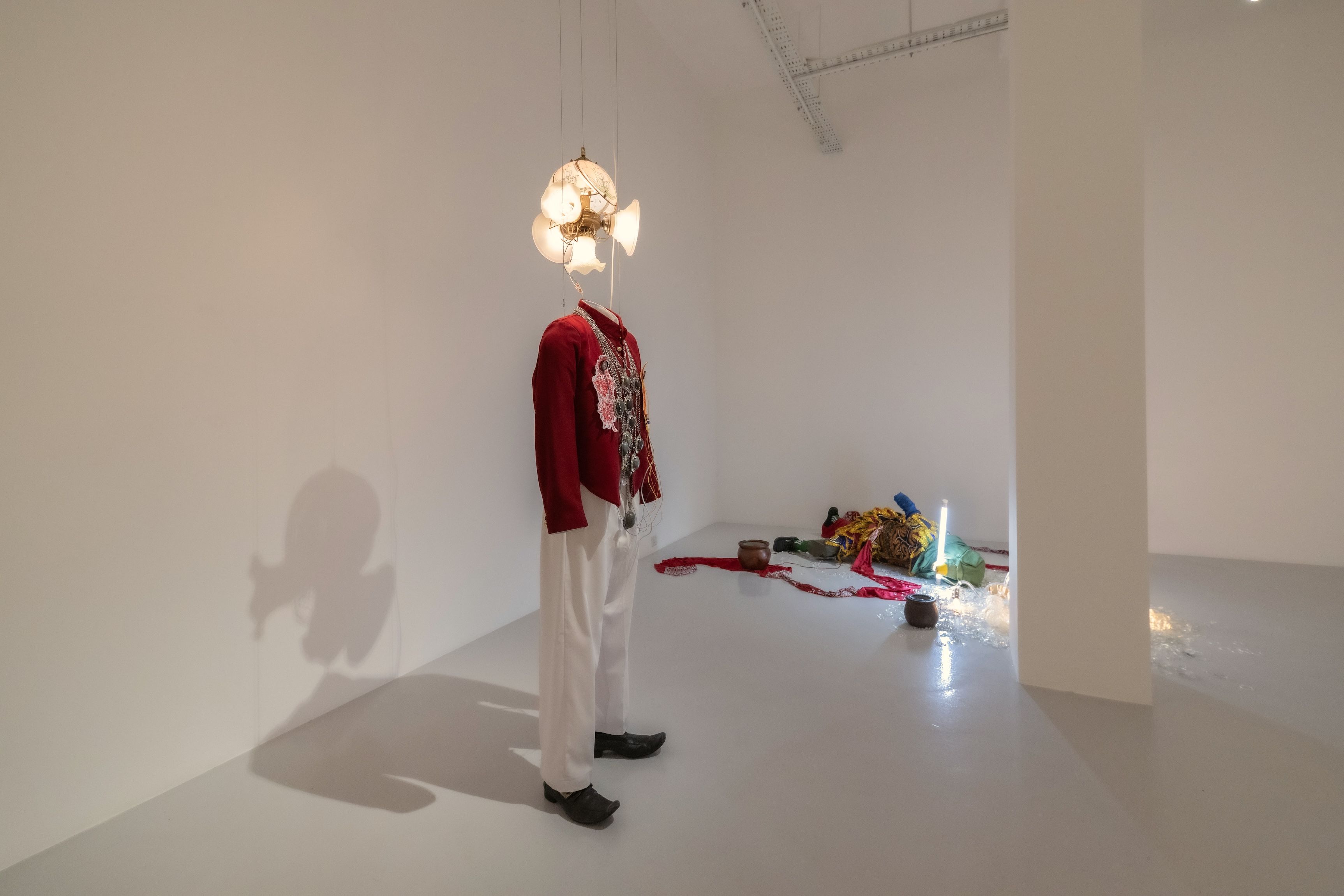
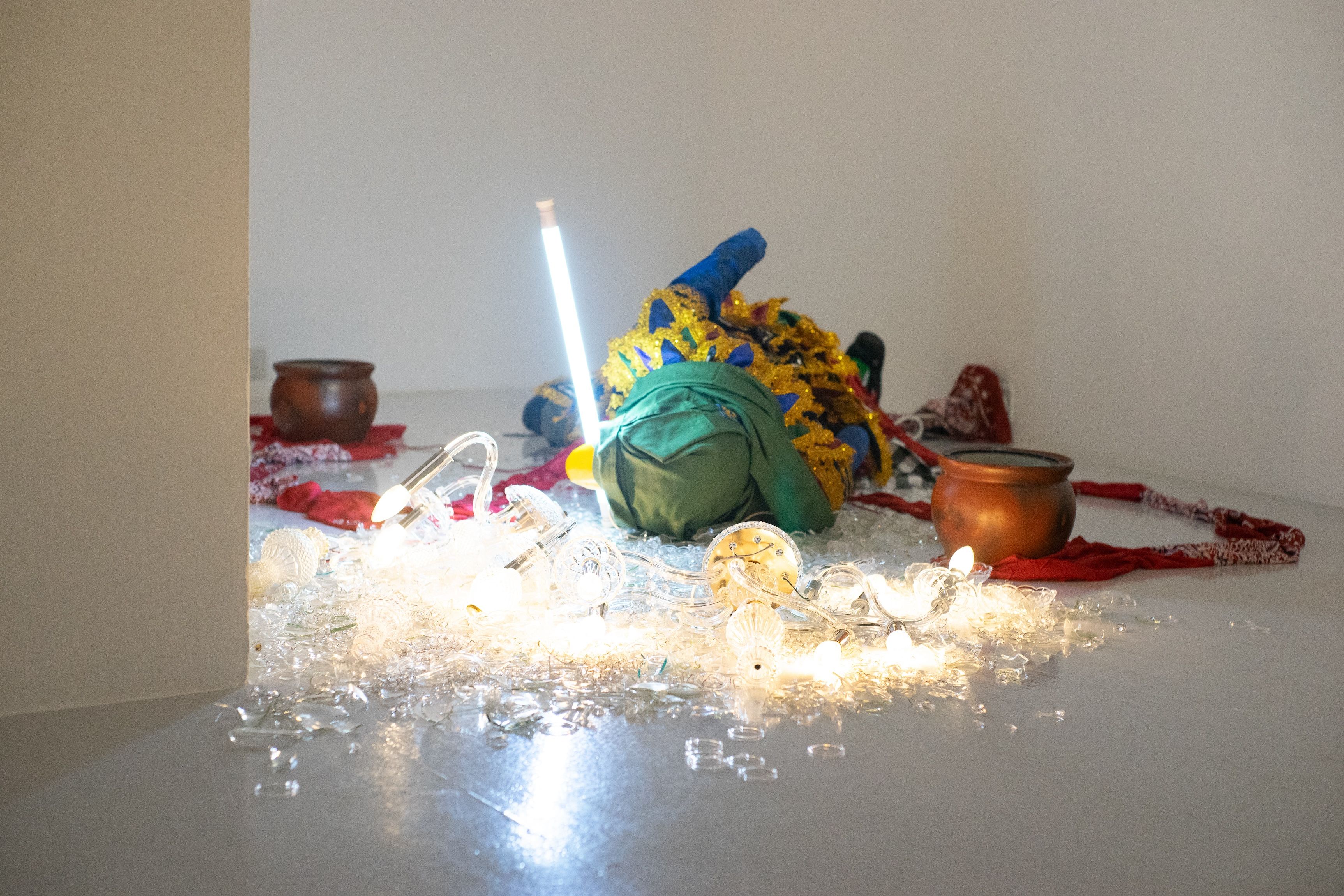
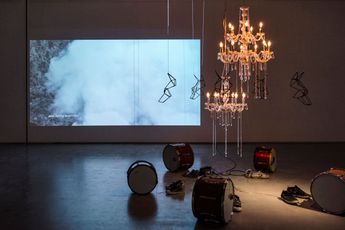
Jompet Kuswidananto’s quietly monumental presentation begins with the personal: his grandfather, forced into labour during the Japanese occupation of Java, never returned. Rooted in the Javanese Nyewu—a thousand-day rite of remembrance—the exhibition transforms remnants of colonial infrastructure into gestures of mourning and repair. Railway tracks laid for Dutch sugar factories and repurposed for Japanese coal lines become gamelan keys and steel nails echoing the curve of a kris; wooden sleepers turn into prayer beads and handmade paper inscribed with imagined records of the vanished. Spectral figures—half-costume, half-puppet—haunt the space. In a video, as the gamelan’s iron bars are carried to the shore, the artist recites a roll call of the possible fates of the forced labourers. Rather than reconstructing unrecorded history, he lets absence speak—turning materials of labour and violence into instruments of ritual and reflection, transforming trauma into a living, reverberant memory. – Zian Chen
Beyond Surrealism (15 November 2025–6 April 2026) at Museum Boijmans Van Beuningen, Rotterdam
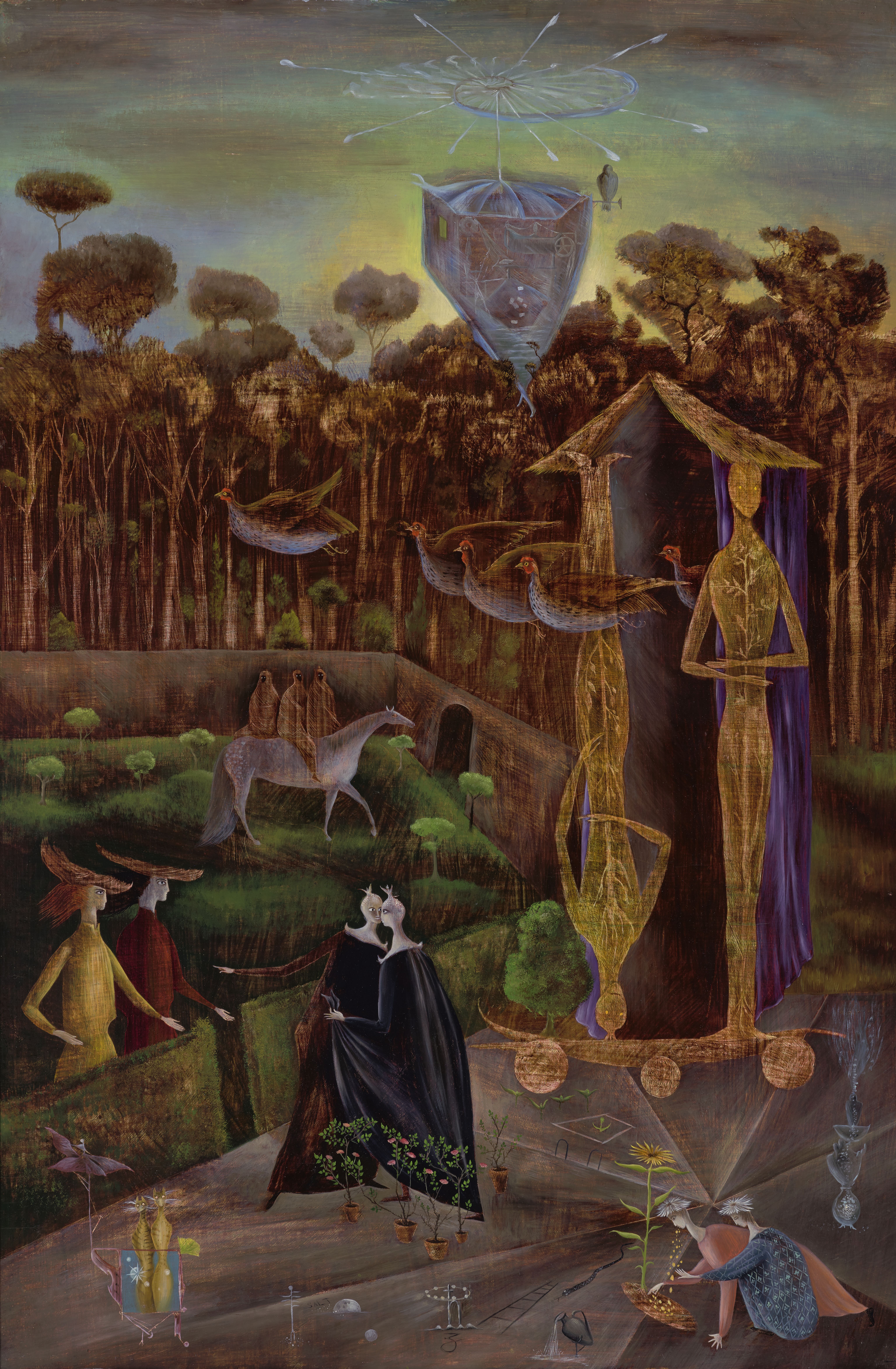
When you think of the Surrealists, you are likely to land upon visions of melting clocks by Salvador Dalí, bowler hats and pipes by René Magritte, and fantastical frottages by Max Ernst—each of whom feature in a new exhibition at the Depot at Museum Boijmans Van Beuningen, in which six female contemporary artists, including Tai Shani and Laure Prouvost, have been invited to respond to the museum’s extensive collection. Surrealism has a history dominated by male artists, despite more recent work towards expanding the canon with major shows of figures like Lee Miller (currently on view at Tate Britain) and Dora Maar. Beyond Surrealism expands this view through the lens of the present, 101 years on from the publication of the Surrealist Manifesto. British artist Emma Talbot is notable for being the only artist to respond to a work by a female Surrealist, taking inspiration for her large-scale silk panels populated by ghostly figures from a 1947 painting by Leonora Carrington. Another theatrical highlight comes from Monster Chetwynd, whose absurdist floor-based collage responds to Ernst’s own collage books (also on view) and Dalí’s Mae West Lips Sofa (1938). At a time when a growing number of museums are interrogating their collections through contemporary interventions, this interweaving of the past with subversive takes from some of the most forward-thinking artists working today is a refreshing corrective. – Louise Benson
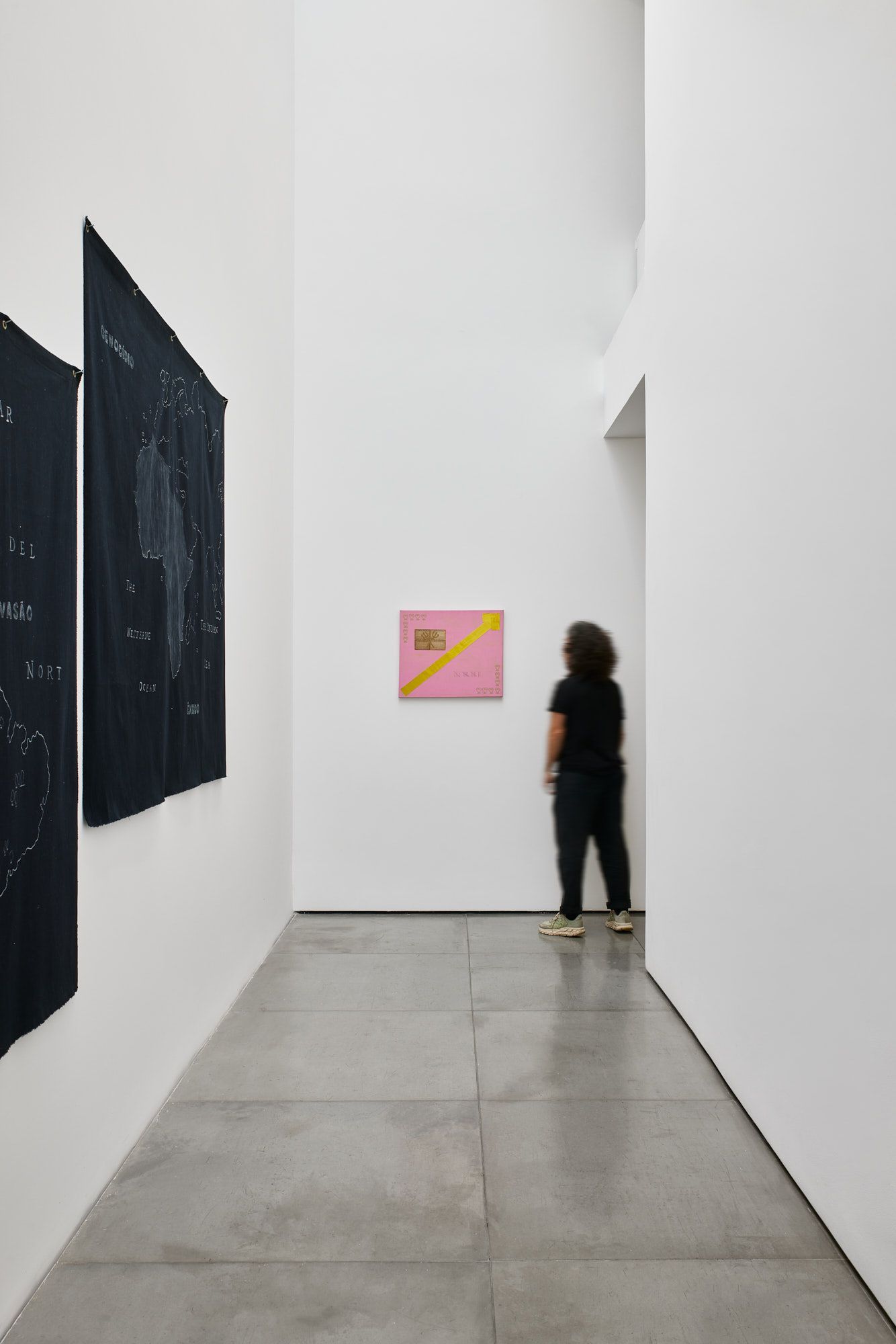
![Exhibition view: Jaime Lauriano, Eu estou aqui com toda a minha gente [I Am Here with All My People], Galeria Nara Roesler, Rio de Janeiro (23 October–20 December 2025).](https://files.ocula.com/rf/3b/3b470655-b36d-4cc4-9207-7e44ef344b25/gnrjaimelauriano20251027.jpg)

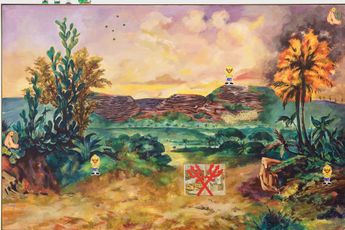
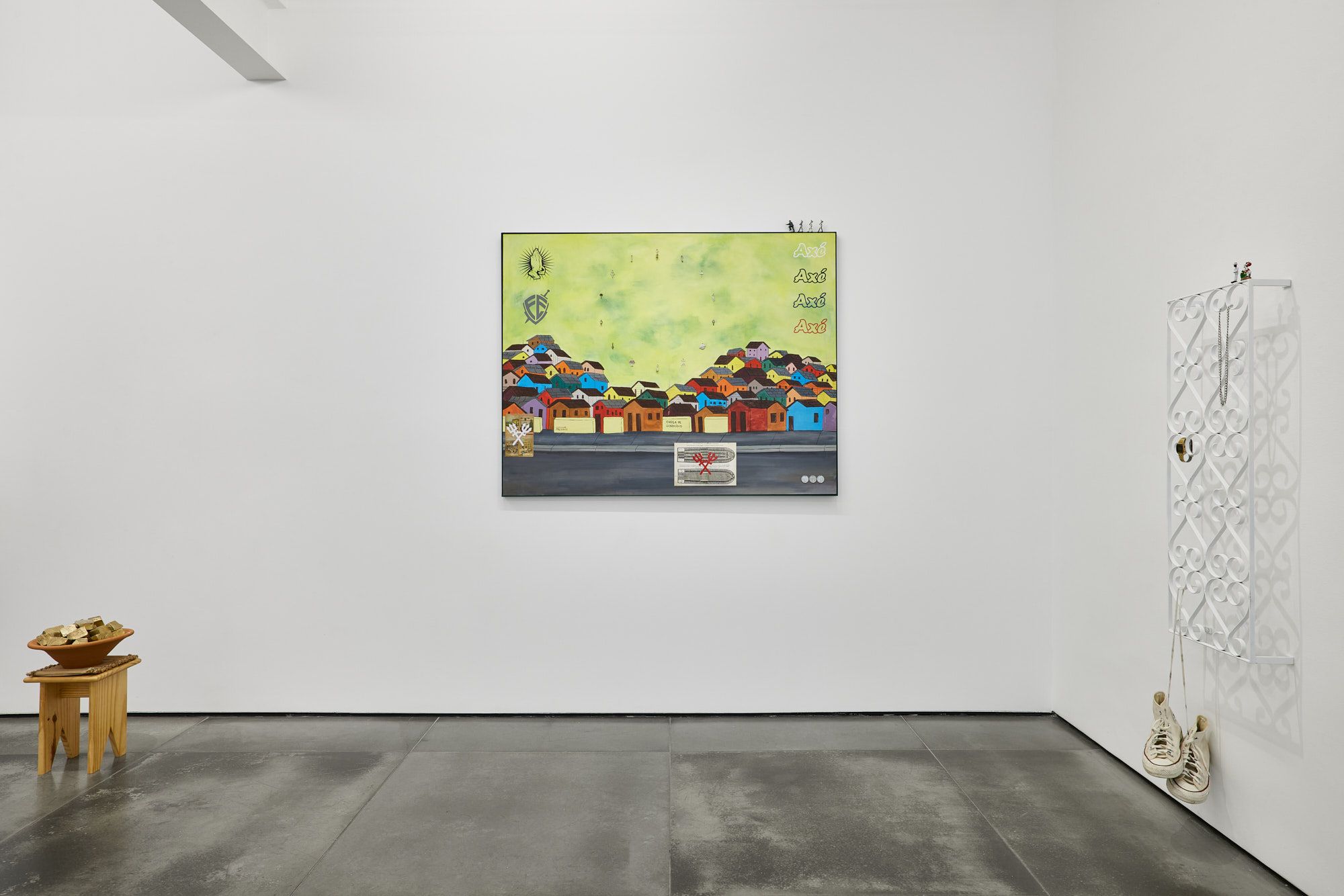
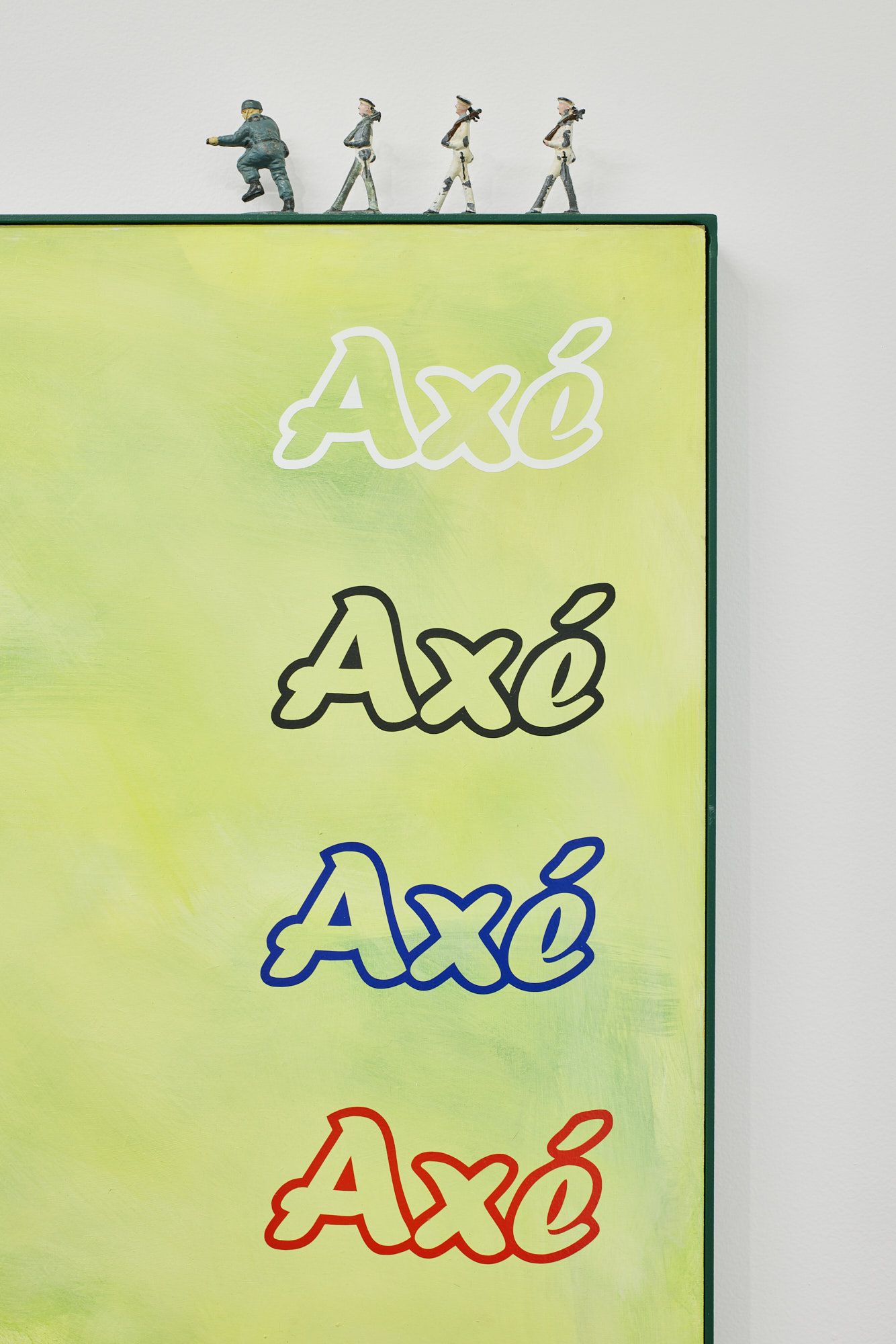
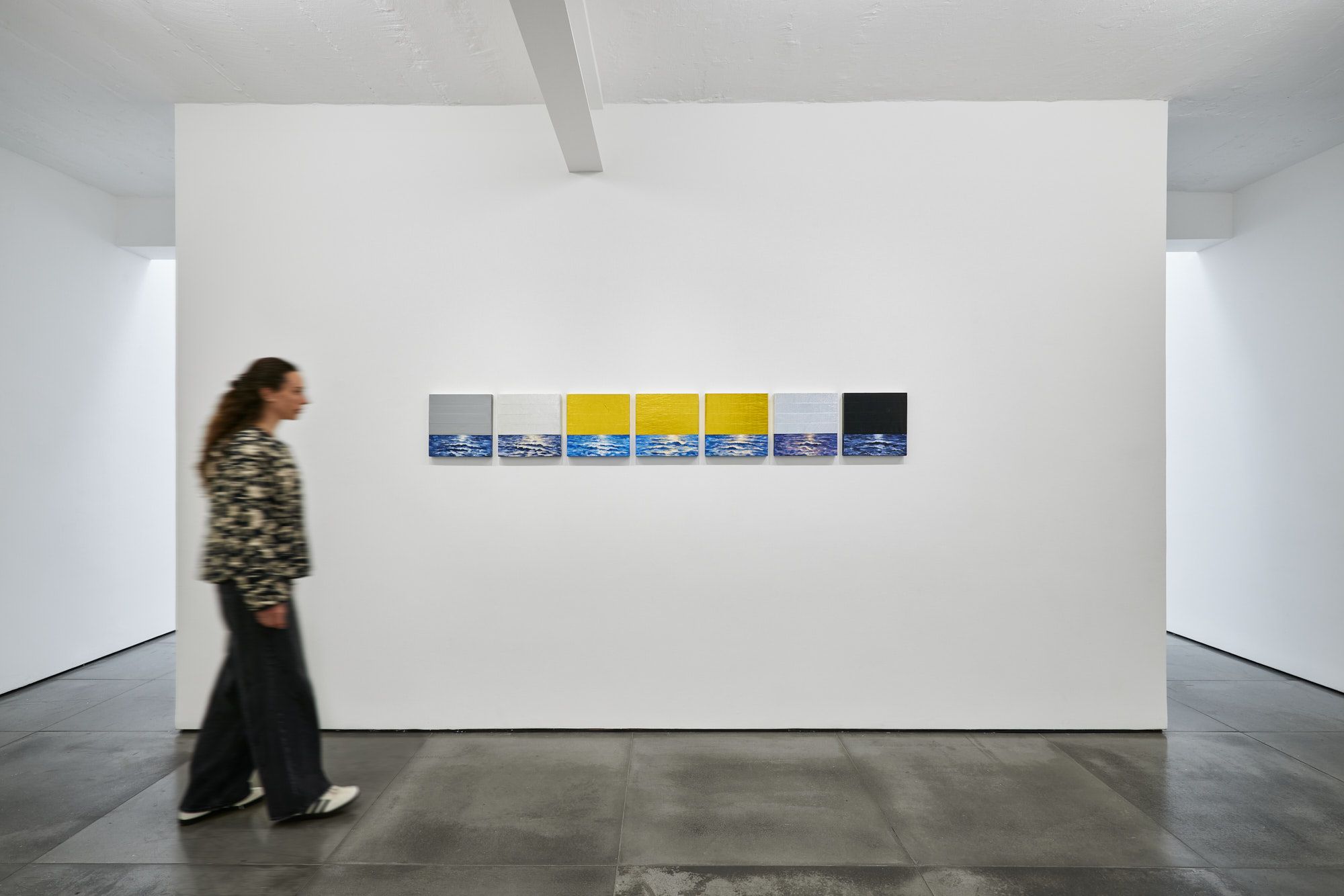
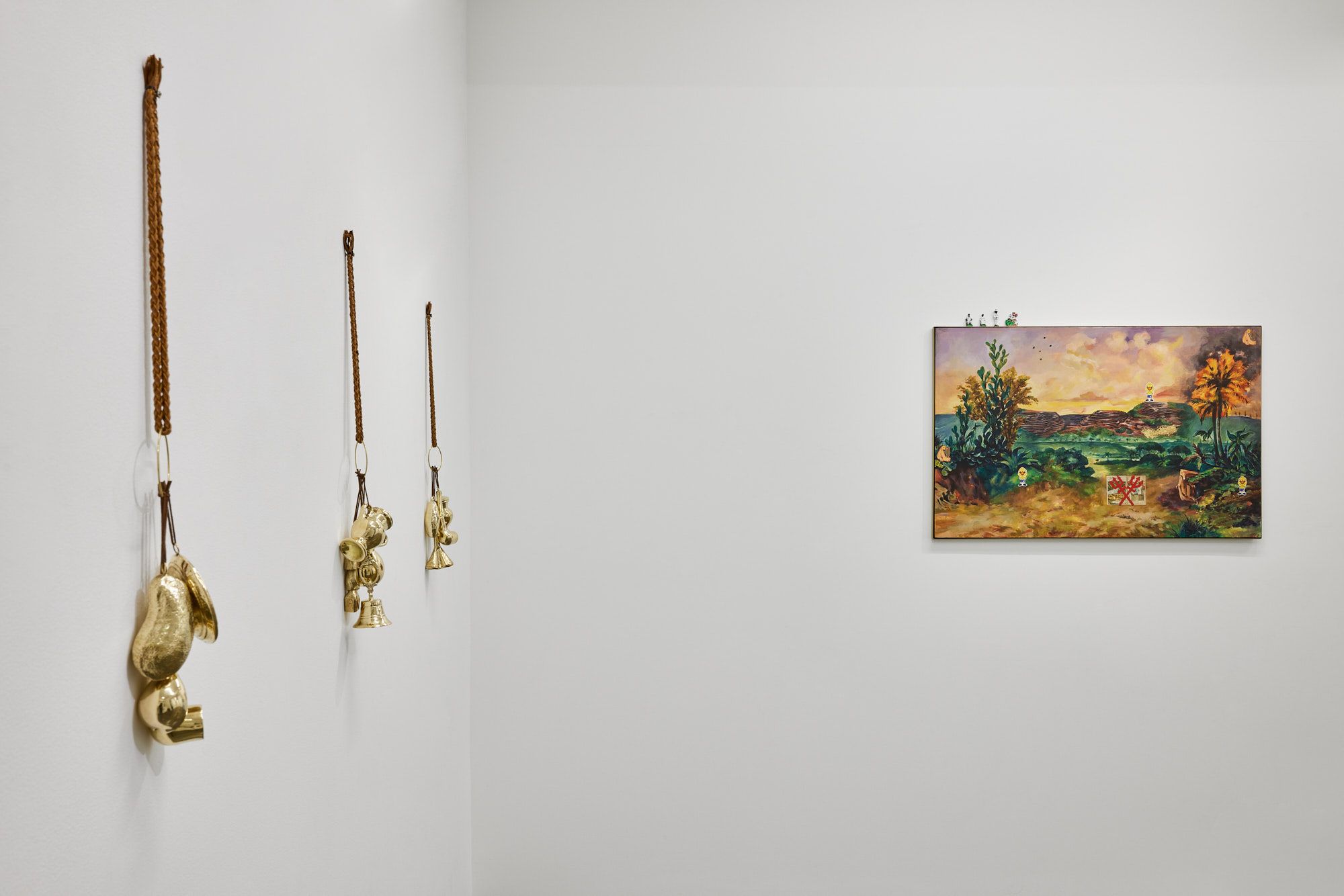
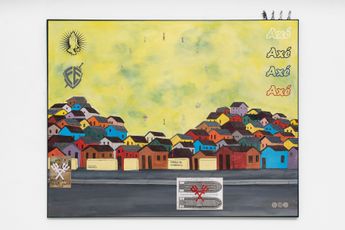
Jaime Lauriano, Eu estou aqui com toda minha gente [I Am Here with All My People] (23 October–20 December 2025) at Galeria Nara Roesler, Rio de Janeiro
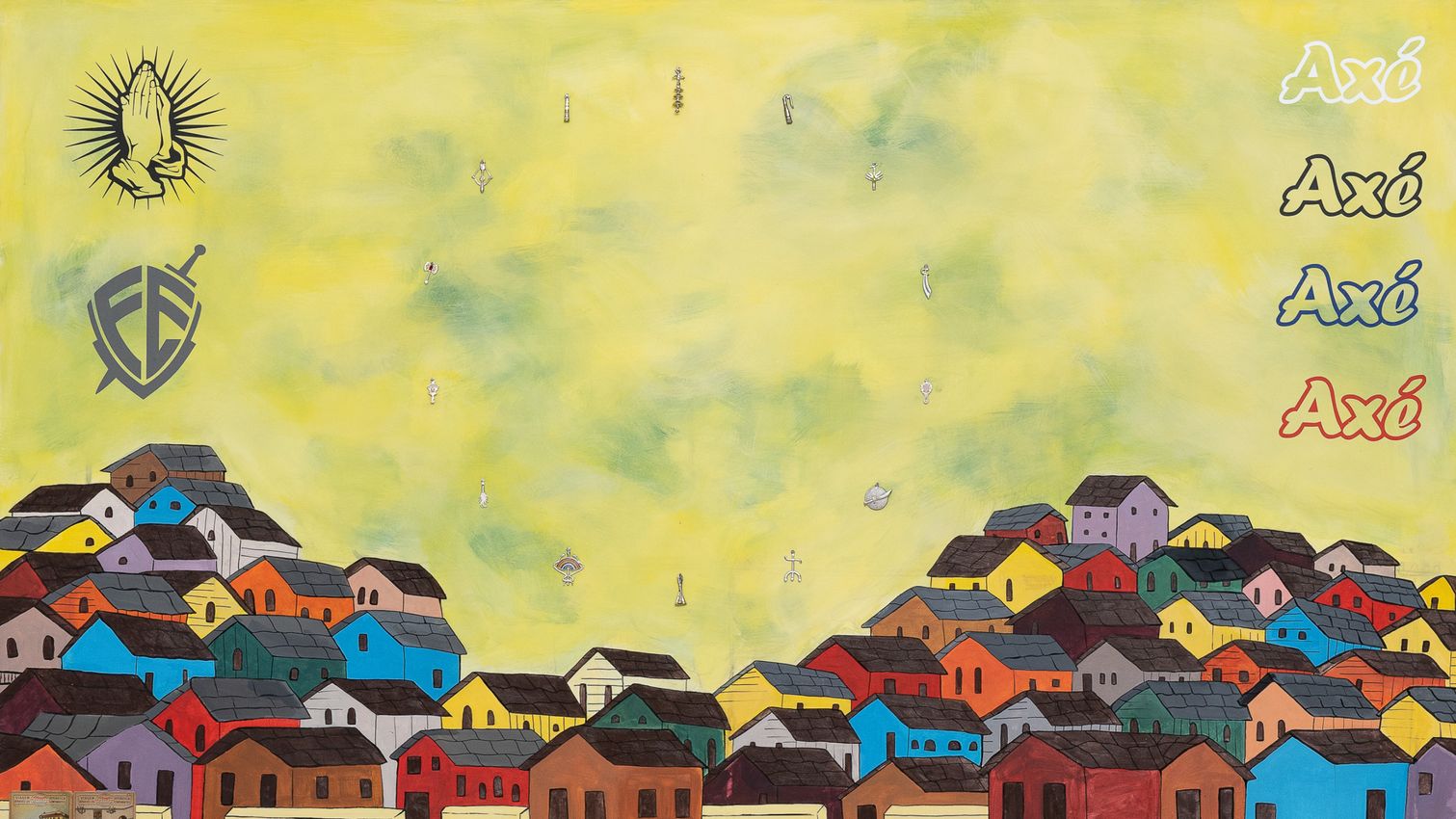
Penca de balangandã—‘bouquets’ of metal charms that jangle at the hip—were worn by enslaved women in Brazil beginning in the 17th century. Custom-designed to reflect its owner’s life through symbols, a penca might feature a pair of birds representing Africa and the Americas, with the shape of the clasp symbolising the slave ship that transported enslaved Africans across the Atlantic. In his latest exhibition, Brazilian artist Jaime Lauriano reinterprets these forms with a new series, Pencas (2025). Lauriano’s hanging clusters of trinkets are cast in copper-plated brass, and are meant to highlight the ‘economic and political significance’ of the original Creole jewellery. Joining these pieces is O Sobrado de Mamãe é debaixo d’água (2025), a series of seven mixed-media wall works depicting the artist’s view from Copacabana beach. Lauriano says: ‘The choice to focus on [Rio de Janeiro’s] waters is linked…to my fascination with the complex history that transatlantic waters carry.’ – Aimee Walleston
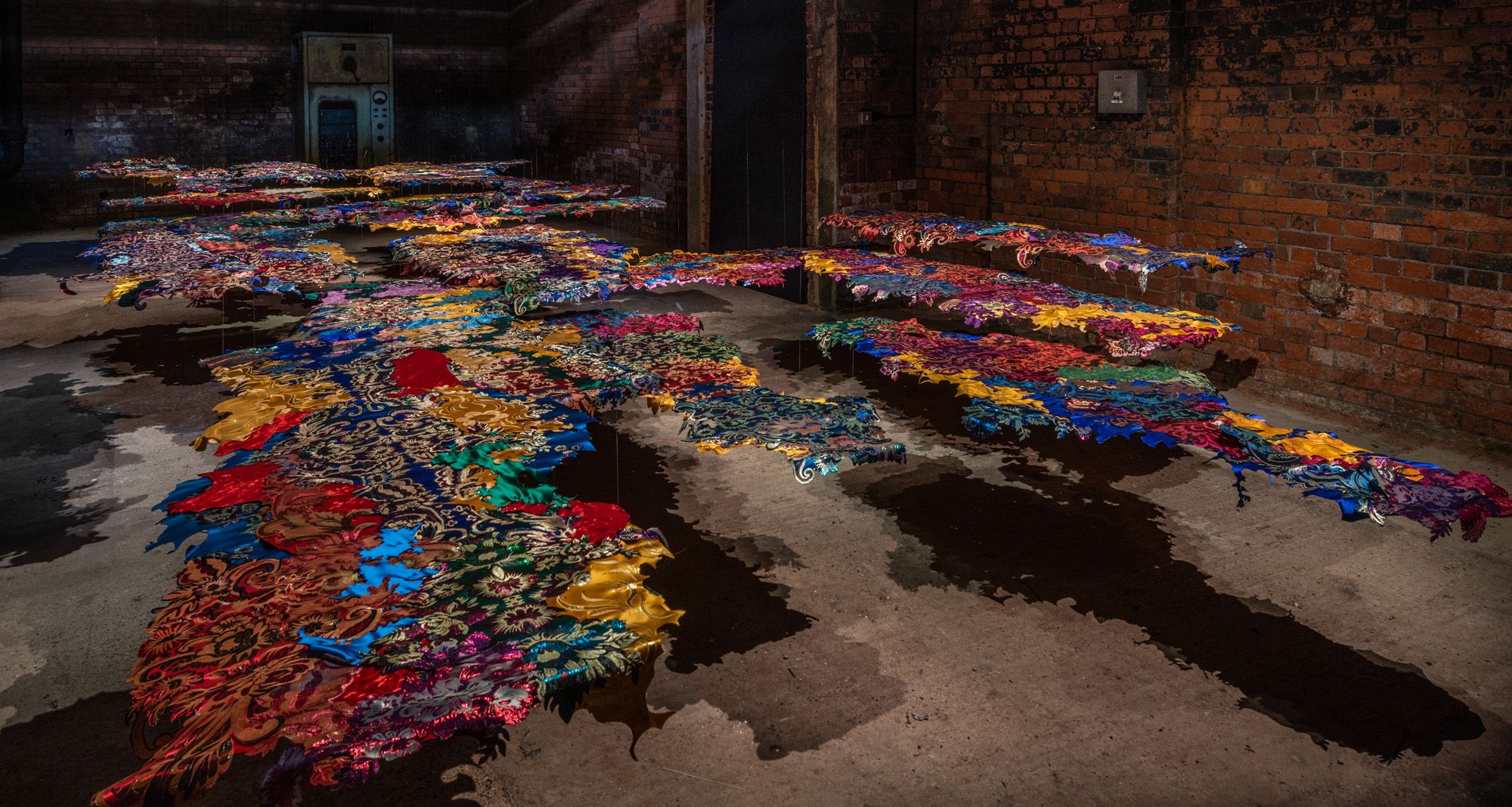
Gulnur Mukazhanova, Dowry of the Soul (15 November 2025–1 March 2026) at Centre for Heritage, Arts and Textile, Hong Kong
Gulnur Mukazhanova describes felt as a ‘mystic material that beckons her’—and this is evident in an expansive oeuvre utilising Central Asian variations of the natural fibre. This month for her Hong Kong exhibition debut, the Berlin-based artist presents Dowry of the Soul, a survey showcasing works from across her career, from colourful felt paintings and sculptures to photography, video, and patchwork installations of dizzying scale. Here, the dowry is used as a metaphor for repositioning customary practices through a feminist lens: brightly coloured textiles are traditionally gifted in ceremonial contexts in her native Kazakhstan, and Mukazhanova considers the nature of exchange and material throughlines as they evolve through contemporary and globalised realities. Curator Wang Weiwei asks the audience to ‘reflect on the meaning of cultural inheritance’: ‘What’s the soul of our culture? What have we inherited, and what do we hope to pass on?’ Concurrently, Mukazhanova’s solo show can be viewed at the recently opened Tselinny Center of Contemporary Culture in Almaty, where a felted hexagonal ‘portal’ nearly ten metres high is presented as a space for ritual performance. – Misong Kim —[O]
Main image: Jaime Lauriano, Na Bahia é São Jorge, no Rio São Sebastião (Recanto series) (2023) (detail). Acrylic paint, stickers, lead miniatures, and prints on mdf. 120 x 140 x 2.5 cm. Courtesy the artist and Galeria Nara Roesler.



A respected voice in contemporary art discourse.
Focusing on ambitious storytelling and insightful art-world commentary. Ocula Magazine publishes in-depth interviews, critical essays and timely analysis on the artists, exhibitions and ideas driving the global art world.
Learn more about Ocula Magazine
Showcasing the best of the art world.
Ocula partners with galleries from around the world to highlight their artists, artworks and exhibitions. Gallery membership is by application and invitation, with each member vetted by an independent panel.
Learn more about Ocula Membership
Specialises in the sale of major artworks.
Led by a team with deep ties to the world’s leading auction houses, galleries and collectors. Ocula’s advisory team offers bespoke services to high-net-worth clients from around the world who are looking to acquire the best of contemporary and modern art.
Learn more about our team and services