The art world in focus
Subscribe to our newsletter for news and insights on artists, galleries and exhibitions.
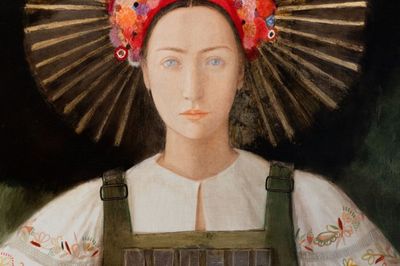
Tata Kolesnik, Protectress (2022). Oil on canvas. 90 x 70 cm. Courtesy the artist and Sonya.
In many ways, 2022 marked a reversion to the pre-pandemic norm, with some momentous sales at auction, renewed confidence in the art market, the launch of new art fairs, and some major in-person exhibitions.
Simultaneously, a political reckoning that gathered momentum during the pandemic found new expression in the face of both novel and persisting injustices.
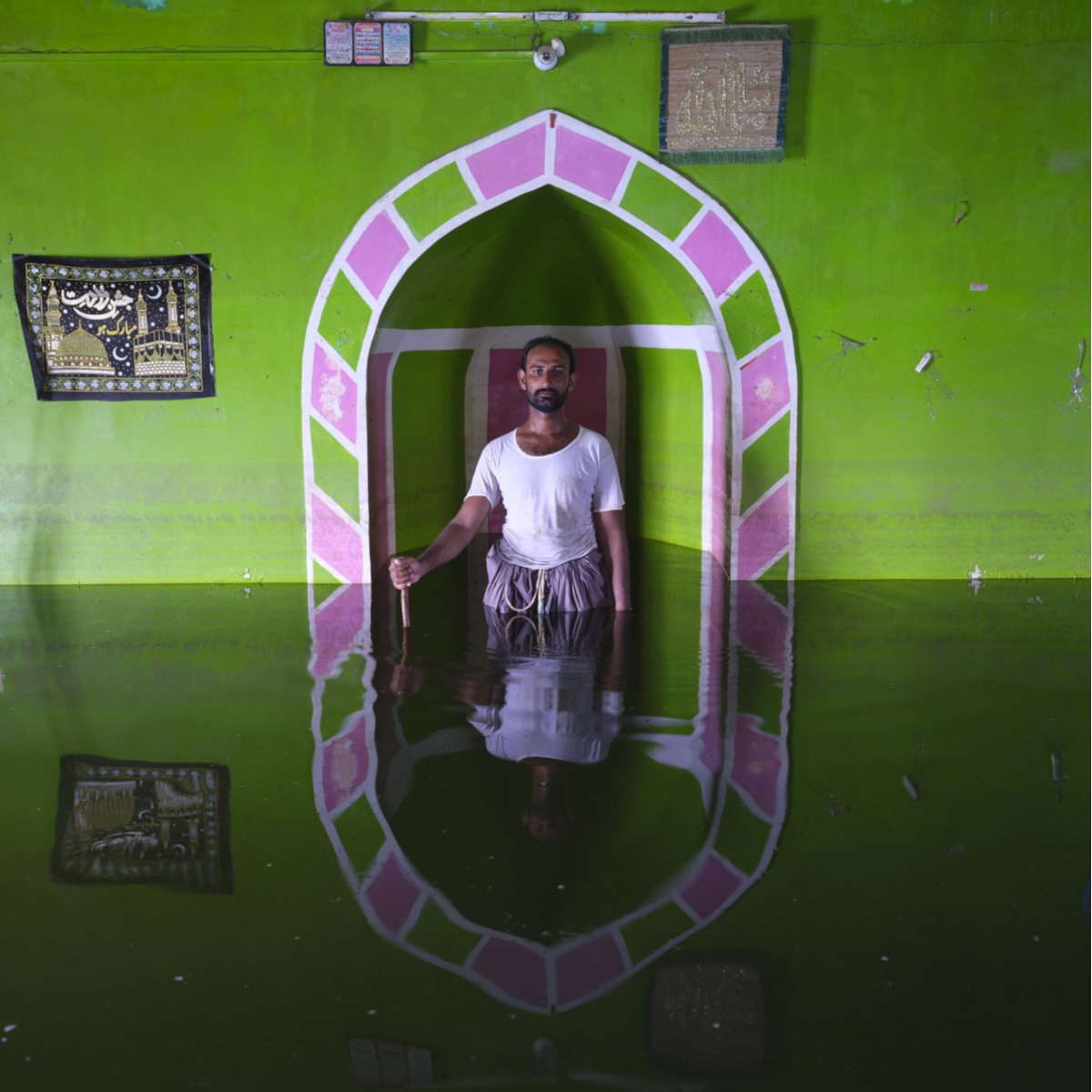
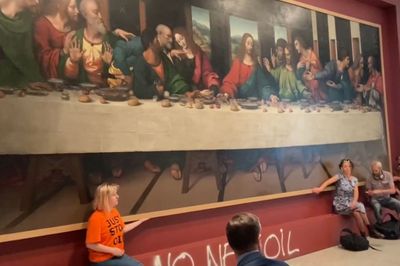
Climate protestors made headlines this year by slapping cake on the Mona Lisa (1503), splashing soup on Vincent Van Gogh‘s Sunflowers (1888), and glueing themselves to The Last Supper (c. 1520). The actions divided public sympathies and had no noticeable effect on the world’s leading emitters—Chinese coal, Saudi’s Aramco, Russia’s Gazprom, Iranian oil, and America’s ExxonMobil—but they signalled a welling frustration with business leaders and governments that is only going to build as climate change accelerates. Gideon Mendel took a different approach, exhibiting portraits of the victims of floods and wildfires.
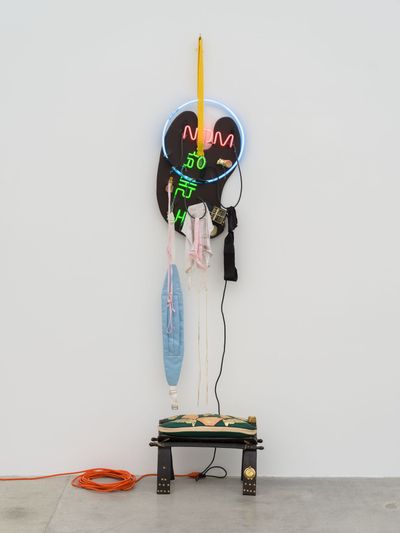
Even bigger news than the first Paris + par Art Basel was the inaugural Frieze Seoul. It was declared a great success, rewarding international galleries such as Various Small Fires, Pace, and Thaddaeus Ropac who established footholds in the city ahead of time. Frieze Seoul was by far the most hyped fair in Asia this year, but it will face more competition in 2023, with both Singapore‘s Art SG and Tokyo Gendai joining the fray. Shanghai’s West Bund Art & Design and ART021 were badly disrupted by China’s strict zero-Covid policy, but ought to bounce back next year. After all, China remains the world’s second biggest art market after the United States. In 2021 it was worth US $13.4 billion, eclipsing South Korea 20 times over.

The market for art NFTs grew 21,000% in 2021 to reach US $17 billion and make up 16% of the Global Art Market. As interest rates rose and crypto prices plummeted this year, the NFT market evaporated even faster than it formed. Nevertheless, the usefulness of the technology in attributing a unique owner to a digital work and allowing artists to benefit from resales mean NFTs are unlikely to go away. Fifteen thousand people attended NFT.NYC in June, and NFT projects played a prominent part in Miami Art Week. AI tools such as Lensa and ChatGPT blew minds this year, and in the hands of a talented new generation of digital artists they will undoubtedly have people opening their wallets.
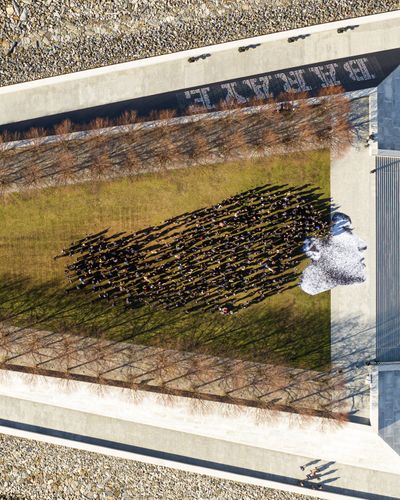
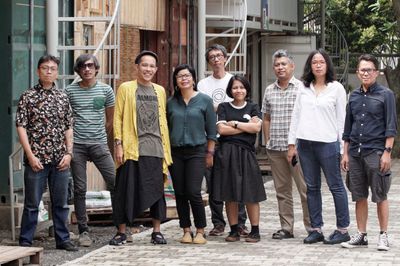
Phillips, Guggenheim, and the Royal Academy were among those who broke ties with Russia when Vladimir Putin invaded Ukraine in February. Pussy Riot’s Maria Alyokhina fled Russia dressed as a delivery woman, Russia’s curators cancelled their own pavilion at the Venice Biennale, and Banksy travelled to Ukraine to make new works. Artists also supported the ‘Women, Life, Liberty’ movement in Iran, staging a major protest at the Guggenheim, while Shirin Neshat and JR participated in the Eyes on Iran action on Roosevelt Island. In China, artists joined protests against the harsh Covid restrictions. The Art Institute of Chicago revoked Kanye West’s honorary doctorate following his newly espoused love for Adolf Hitler. ruangruapa, the curators of documenta fifteen, were also accused of antisemitism, detracting from their radically distributed exhibition. ArtReview nevertheless placed them atop their Power 100 list.
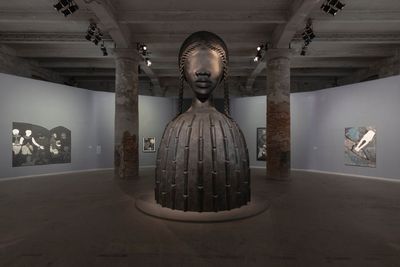
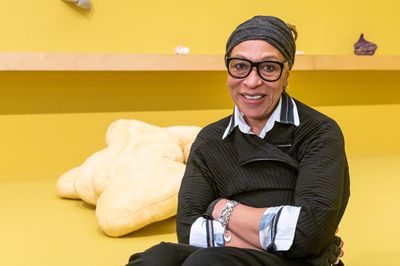
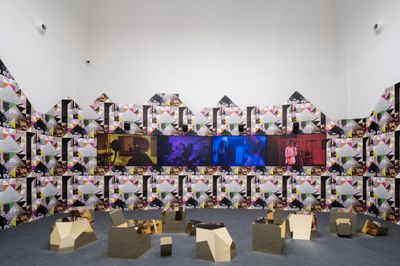
Female artists utterly dominated the biggest contemporary art exhibitions and prizes in 2022. The Venice Biennale‘s international exhibition, Cecilia Alemani’s Milk of Dreams, was dedicated to female artists, and the Golden Lion for best contribution went to Simone Leigh. The award for best pavilion was won by Great Britain for an exhibition curated by Sonia Boyce, and the Golden Lions for Lifetime Achievement went to Katharina Fritsch and Cecilia Vicuña. Earlier this month, the Turner Prize 2022 was won by Veronica Ryan ahead of Heather Phillipson, Ingrid Pollard, and non-binary artist Sin Wai Kin. All of this year’s top 15 lots at auction—which include works dating all the way back to Sandro Botticelli’s 1481 painting Madonna of the Magnificat—were by male artists, but when it comes to contemporary art, things are far more balanced. On average 48% of works acquired by US contemporary art museums from 2008 to mid-2022 were by women artists. —[O]
A respected voice in contemporary art discourse.
Focusing on ambitious storytelling and insightful art-world commentary. Ocula Magazine publishes in-depth interviews, critical essays and timely analysis on the artists, exhibitions and ideas driving the global art world.
Learn more about Ocula Magazine
Showcasing the best of the art world.
Ocula partners with galleries from around the world to highlight their artists, artworks and exhibitions. Gallery membership is by application and invitation, with each member vetted by an independent panel.
Learn more about Ocula Membership
Specialises in the sale of major artworks.
Led by a team with deep ties to the world’s leading auction houses, galleries and collectors. Ocula’s advisory team offers bespoke services to high-net-worth clients from around the world who are looking to acquire the best of contemporary and modern art.
Learn more about our team and services